
Listen to this article
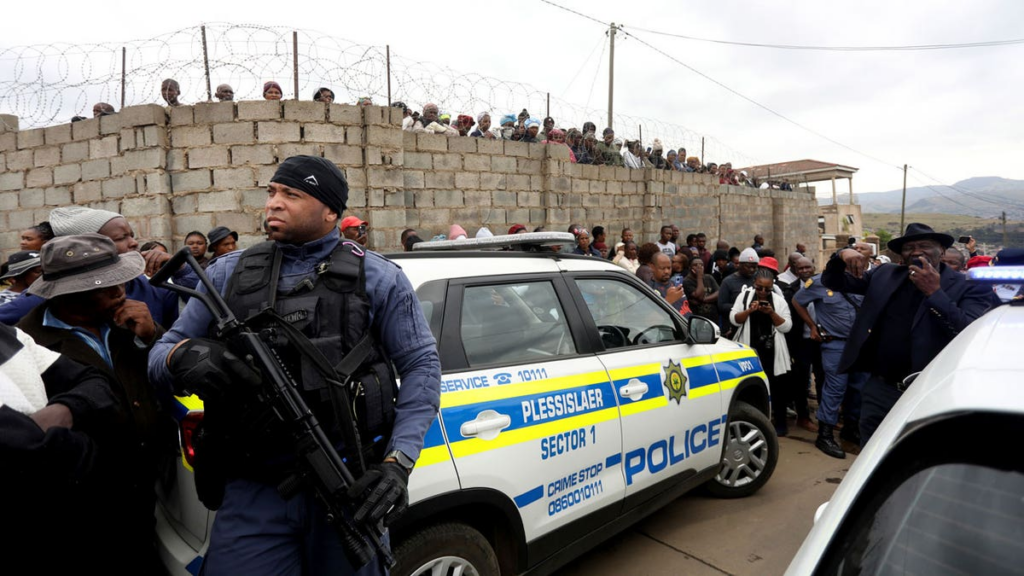
The recent mass shooting in South Africa has struck a harrowing chord across the nation, claiming the lives of at least 11 individuals at a Pretoria hostel in Saulsville. Early Saturday morning, chaos erupted as gunmen stormed an illegal liquor establishment, targeting patrons who were gathered for a night of revelry. With a three-year-old child among the deceased, the tragic incident underscores the alarming escalation of violence, which has contributed to a rising South Africa crime rate. Authorities report that a total of 25 people sustained gunshot wounds, making this event a stark reminder of the disturbing trend of mass shootings in South Africa. As the investigation unfolds, the community grapples with the deepening implications of such violence on their safety and public life.
The shocking occurrence of gun violence in the form of a mass shooting in South Africa has put a heightened spotlight on the ongoing issues of crime and public safety within the country. Often referred to as tragic episodes of rampant shootings, this incident at a Pretoria hostel emphasizes the severe repercussions of illegal liquor establishments, also known as shebeens, that often serve as the backdrop for such violence. As authorities continue to probe the motives behind these brutal attacks, the recurring theme of youth being caught in the crossfire is becoming alarmingly common. With this being one of the latest incidents in a long series of mass shootings, it raises critical questions about the broader implications for community welfare and policing efforts in South Africa.
Understanding the South Africa Mass Shooting Phenomenon
Mass shootings in South Africa have become increasingly frequent, revealing a dark reality of violence that grips the nation. The recent Saulsville shooting, where at least 11 individuals lost their lives, highlights the severity of this issue. Such violent incidents not only cause immediate harm but also instill a sense of fear within communities. Efforts to confront this appalling trend must address the root causes, including socioeconomic factors, gang violence, and easy access to firearms, which have all been shown to correlate with increased crime rates.
The tragic events at the Pretoria hostel underscore the urgent need for law enforcement agencies to develop robust strategies that target illegal liquor establishments, often hotspots for violence, including the recent illegal shebeen shooting. Experts believe that by addressing these unregulated venues, authorities could significantly reduce the risk of mass shootings and improve overall safety. Furthermore, public awareness campaigns are crucial to encourage communities to report illegal activities and promote a culture of accountability.
The Impact of Illegal Liquor Establishments on Crime
Illegal liquor establishments, or shebeens, are a common backdrop for violent crime in South Africa. The recent shooting incident in Saulsville serves as a chilling reminder of how these venues can become flashpoints for deadly violence. In many cases, such locations foster an environment of lawlessness where conflicts escalate rapidly, often resulting in mass shootings. Police spokesperson Brigadier Athlenda Mathe highlighted this concerning trend, indicating a direct link between illegal liquor sales and increased rates of violence.
Moreover, with a staggering backdrop of 45 murders per 100,000 people, the proliferation of these establishments exacerbates the already troubling South Africa crime rate. Authorities are urged to intensify inspections and enforce stricter regulations to dismantle unlicensed bars that operate unchecked. Engaging community leaders in these discussions could create a more collaborative approach to reducing violence, ensuring safer environments for residents who are often caught in the crossfire.
Social Consequences of Rising Violence in South Africa
The social repercussions of rising violence and mass shootings in South Africa are profound and far-reaching. Families are left to mourn the loss of loved ones, and the psychological impact on survivors can be devastating. With innocent bystanders such as a three-year-old child or teenagers becoming victims, the toll of violence continues to erode the fabric of society. Communities are left grappling with trauma while seeking justice and security in a landscape plagued by crime.
Additionally, the normalization of such tragedies can lead to desensitization among the public, shaping a grim outlook toward safety and community cohesion. Efforts to foster resilience and healing are imperative, with support systems needing to address the collective grief that follows mass shootings. Programs focusing on trauma healing, outreach, and community engagement could provide vital resources for those affected, promoting a path to recovery and rebuilding trust amongst residents.
Call for Action: Tackling Gun Violence
Addressing the scourge of gun violence in South Africa calls for a national and multi-faceted approach. The increase in mass shootings, highlighted by the Saulsville attack, demands immediate action from policymakers and community leaders alike. This includes stricter gun control measures, comprehensive background checks, and a national gun registry to ensure that firearms do not fall into the wrong hands. Public outcry for urgent reforms reflects the growing discontent with the current state of safety in the nation.
Engagement with local communities to understand their specific needs and challenges is also critical in crafting effective strategies. Programs aimed at youth engagement and education about the dangers of gun violence must also be emphasized. By involving communities in dialogue and solutions, South Africa can begin to change the narrative surrounding violence and take significant strides toward rebuilding a society where safety and peace can prevail.
Historical Context of Violence in South Africa
The history of violence in South Africa is complex and deeply rooted in socio-political issues that date back decades. From the apartheid era to the present day, poverty, inequality, and unemployment have created fertile ground for crime and violence to thrive. Mass shootings are recent manifestations of a larger systemic issue shaped by historical inequality. Understanding this context is crucial to comprehending the motivations behind such heinous acts.
Rising crime rates can often be attributed to the societal fallout from these historical injustices, with marginalized communities feeling the brunt of systemic neglect. As South Africa continues to grapple with the legacy of its past, addressing the underlying issues effectively is essential. Solutions must aim not just to reduce crime rates but to heal a fractured society and foster unity and resilience among its diverse population.
Mental Health and Community Support Post-Shooting
In the wake of mass shootings, mental health support is often overlooked, yet it is an essential component of community recovery. The trauma experienced by survivors, witnesses, and families of victims can persist long after the incident, leading to serious mental health challenges. Communities need to prioritize accessible mental health services to provide counseling and support mechanisms for those affected, fostering resilience and healing.
Community-led initiatives can play a crucial role in creating a support network capable of assisting individuals processing their trauma. Schools and local organizations should implement programs aimed at emotional and psychological support following violent incidents. By addressing the mental health implications of mass shootings, South Africa can take meaningful steps toward healing and ensuring that individuals feel supported in their recovery journey.
Legislation and Policy Changes to Address Crime
The legislative landscape in South Africa is pivotal in reversing the trend of rising violence and mass shootings. Calls for policy changes surrounding firearms regulation and community safety initiatives are gaining momentum. Lawmakers must prioritize the enactment of comprehensive gun control legislation aimed at curbing illegal arms trafficking and ownership. This initiative can be instrumental in reducing incidents like the recent shooting in Saulsville.
In parallel, the establishment of task forces aimed at addressing specific types of crime, such as illegal establishment shootings and gang-related violence, could enhance law enforcement efforts. By focusing on dedicated resource allocation and community policing strategies, South Africa has the potential to transform its approach to crime prevention, creating safer environments for citizens.
Public Awareness and the Role of Media
The role of media in shaping public perception of crime and violence is significant in South Africa. Responsible reporting on incidents such as mass shootings can raise awareness about the urgent need for solutions. When media outlets highlight the stories of victims and the communities affected, they bring attention to the ongoing crisis and provoke discussions around possible interventions and reforms.
Moreover, public awareness campaigns, in collaboration with media outlets, can help educate citizens about their role in preventing violence. By encouraging community vigilance and reporting suspicious activities, South Africans can contribute towards grassroots efforts that combat crime. Effective communication strategies can create a culture where safety is prioritized and community solidarity is emphasized, turning the tide against growing violence.
Global Comparisons of Mass Shootings and Violence
When assessing mass shootings worldwide, South Africa’s situation is notably alarming. The country faces one of the highest murder rates globally, with incidents like the Pretoria hostel shooting drawing international attention. Comparative analysis with nations that have successfully reduced violence highlights the importance of comprehensive approaches that integrate social, economic, and legislative efforts to address underlying issues.
Understanding how other countries have managed to curb mass shootings can provide valuable lessons for South Africa. Countries that prioritize community engagement, mental health support, and stringent gun laws often experience reduced incidents of violence. By analyzing these global comparisons, South Africa can adapt successful strategies to its unique context, fostering a proactive approach to tackle gun-related violence.
Frequently Asked Questions
What happened during the Saulsville shooting in South Africa?
The Saulsville shooting in South Africa occurred early Saturday morning when gunmen stormed a hostel, killing at least 11 individuals and injuring 14 others. This tragic incident highlights the ongoing issues with mass shootings in South Africa.
How does the Pretoria hostel shooting reflect the crime rate in South Africa?
The Pretoria hostel shooting is indicative of the alarming crime rate in South Africa, which has one of the highest murder rates in the world. This incident is part of a broader pattern of mass shootings that plague the nation.
What are the statistics related to mass shootings in South Africa?
Mass shootings in South Africa have worsened, particularly in illegal liquor establishments. The country recorded 45 murders per 100,000 people, with police data showing approximately 63 murders daily between April and September.
Why are illegal liquor establishments involved in South Africa mass shootings?
Illegal liquor establishments, such as the one involved in the Saulsville shooting, are often hotspots for violence and mass shootings due to lack of regulation, making them vulnerable to criminal activity.
What was the motive behind the Saulsville shooting incident?
As of now, the motive behind the Saulsville shooting remains unclear. Police continue to investigate this tragic event, which is part of a growing concern over mass shootings in South Africa.
Who were the victims of the Pretoria hostel shooting?
The victims of the Pretoria hostel shooting included both adults and minors, with one of the deceased being a three-year-old child. This tragic event underscores the indiscriminate nature of mass shootings in South Africa.
How do illegal liquor establishments contribute to crime rates in South Africa?
Illegal liquor establishments in South Africa contribute significantly to higher crime rates, as they often serve as venues for violence and mass shootings, resulting in innocent lives being endangered.
What actions are being taken to address mass shootings in South Africa?
Authorities in South Africa are focusing on addressing the issues surrounding illegal liquor establishments and enhancing policing efforts to mitigate the increasing trend of mass shootings.
What is the public reaction to mass shootings in South Africa?
The public reaction to mass shootings in South Africa includes fear and outrage over the escalating crime rate, particularly in communities affected by violence, such as those near illegal liquor establishments.
How frequently do mass shootings occur in South Africa?
Mass shootings occur with alarming frequency in South Africa, highlighting a serious crime issue that continues to impact communities and draw national attention.
What measures are recommended to prevent future mass shootings in South Africa?
To prevent future mass shootings in South Africa, recommended measures include stricter regulations on liquor establishments, improved law enforcement strategies, and community engagement initiatives to address underlying issues.
| Key Points |
|---|
| At least 11 killed in a South Africa mass shooting at a hostel. |
| 14 others injured during the incident. |
| A three-year-old child is among the deceased. |
| Three unknown gunmen entered a hostel in Saulsville and opened fire. |
| The motive is unclear and no arrests have been made. |
| The incident highlights ongoing issues with illegal liquor establishments in South Africa. |
| South Africa’s murder rate is among the highest globally, at 45 per 100,000 people. |
| 63 murders occur daily on average, as reported by police. |
Summary
The South Africa mass shooting that took place in Saulsville has once again highlighted the violent crime epidemic plaguing the nation. With 11 lives lost, including that of a young child, and many others injured, this tragic event underscores the urgent need for effective measures to address gun violence and the proliferation of illegal liquor establishments. As South Africa grapples with one of the highest murder rates globally, it is crucial to find comprehensive solutions to protect innocent lives from such senseless acts of violence.

