
Listen to this article
Social media addiction has become an increasingly pressing issue in today’s digital landscape, especially as major platforms like Instagram and YouTube face scrutiny for their impact on young users. A landmark trial in California is exploring the mental health effects tied to excessive social media use, uncovering serious concerns over how these platforms have engineered an “addiction machine” that hooks children and adolescents. Opening statements have highlighted the dangers of social media, with attorneys arguing that companies knowingly design their platforms to enhance user engagement at the expense of mental well-being. As this case unfolds, the spotlight shines on the detrimental consequences of children’s interactions with social media, raising critical questions about the responsibilities of these tech giants. With many parents expressing worry over their children’s gaming and browsing comments, this trial could set a precedent for future accountability regarding social media dangers and addiction in our society.
In an age dominated by digital interactions, instances of compulsive online behavior, often referred to as social networking dependency, have increasingly alarmed experts and parents alike. The current litigation challenges the ethical responsibilities of social media platforms, particularly as evidence mounts regarding their detrimental effects on youth mental health. These platforms, described metaphorically as “addiction machines,” are under fire for exploiting vulnerable users, especially children, through features designed to maximize engagement and screen time. As various stakeholders come forward to share their experiences, the issue of youth exposure to the perils of social media becomes ever more critical. This trial not only addresses potential corporate negligence but also opens a larger conversation about how society can protect its youngest members from the pervasive influences of online content.
The Dangers of Social Media Addiction in Adolescents
Social media addiction is a growing concern among parents and mental health professionals alike. As children and teenagers increasingly immerse themselves in platforms like Instagram and YouTube, the toll on their mental health becomes more apparent. Studies have shown that excessive social media use can lead to anxiety, depression, and a distorted self-image among young users. The trial in California injects urgent scrutiny into how these platforms are designed to captivate young minds, with claims that they operate as “addiction machines” targeting naive children.
The implications of this addiction extend beyond individual mental health. Research indicates that children engaged in social media too extensively often withdraw from real-life interactions, leading to a host of developmental issues. Concerns about aesthetic standards propagated through curated online identities can exacerbate feelings of inadequacy and social isolation. Experts warn that without adequate warning systems and design changes, social media companies are effectively contributing to a public health crisis.
Mental Health Effects of Social Media Platforms
The mental health effects of social media platforms have drawn significant attention, especially in light of recent lawsuits. As seen in the ongoing California trial, the mental health of users, particularly minors, is often compromised by their interactions with platforms like Instagram and YouTube. The design elements intended to maximize user engagement can deepen feelings of anxiety and depression, especially when considering the relentless nature of notifications and engagement metrics. Mark Lanier’s assertion that these companies intentionally created environments designed to enthrall children raises critical ethical questions about corporate responsibility.
Additionally, young users are particularly vulnerable to cyberbullying and social pressure facilitated by social media. This online harassment can lead to severe psychological consequences, damaging self-esteem and overall mental well-being. The trial seeks to establish whether platforms should be held accountable for these detrimental effects, which have sent some users in dire situations to seek professional help or, in tragic instances, to the brink of suicide.
The Role of Algorithms in Social Media Addiction
Algorithms play a pivotal role in determining what content users see, effectively keeping them engaged longer than they might intend. Meta and YouTube have developed algorithms that promote addictive behaviors by constantly curating content that resonates with users’ past interactions. This results in an ‘echo chamber’ effect that can reinforce negative behaviors and beliefs among young audiences. The ongoing trial seeks to explore whether these algorithms are culpable in contributing to the mental health crises among youth, as they are designed to maximize engagement without considering the harmful consequences.
Moreover, the testimony from former employees of these companies suggests that there have been internal discussions about the potential harm caused by their algorithms. The argument that social media platforms should be held accountable for prioritizing profit over the mental health of children could lead to substantial changes in how these companies operate. With increasing transparency demanded by both users and litigators, the outcomes of this trial may influence the development of more health-conscious digital environments.
Legal Implications of the Social Media Lawsuit
The ongoing lawsuit against major social media companies holds significant legal implications, as it challenges the long-standing protections those companies enjoy under Section 230 of the Communications Decency Act. This legal framework has historically shielded platforms from liability regarding content generated by users. However, as families lay claims that their children’s mental health has deteriorated due to these platforms’ designs, courts may be compelled to reconsider these protections. Such a shift could set a precedent that allows better accountability for companies when adverse outcomes occur as a result of their services.
The outcome of this case, along with similar lawsuits across the country, could reshape the regulatory landscape surrounding social media. Should the plaintiffs succeed, it may open the floodgates for other families to pursue claims based on alleged social media-related harm, fundamentally altering how platforms curate and target content for young users. This trial represents a critical moment where legal considerations intersect with societal concerns about the mental well-being of children in the digital age.
Parental Concerns Over Social Media Usage
As the trial unfolds, parental concerns about children’s social media usage have never been more pronounced. Many parents report feeling powerless against the allure of social media platforms that can disengage their children from family interactions and educational pursuits. Parents are increasingly worried about the potential for addiction and the associated mental health effects, fearing that their children are at the mercy of algorithm-driven content that captivates their attention for hours. The trial serves as a reflection of these anxieties, highlighting the urgent need for parents to balance their children’s digital consumption with their mental well-being.
Moreover, the pressure to stay connected and up-to-date on social media feeds can lead to unhealthy benchmark comparisons among peers, affecting children’s self-perception and emotional stability. Parents must remain vigilant and foster open dialogues regarding the impact of social media on their children’s lives. The outcome of this trial could empower parents with greater authority in advocating for necessary changes in how social media platforms engage younger audiences.
The Consequences of Neglecting Social Media Dangers
The neglect of social media dangers has resulted in a growing crisis of mental health issues among children and adolescents. With increasing reports of anxiety, depression, and suicidal tendencies linked to social media use, it has become crucial for both parents and lawmakers to recognize these platforms as significant contributors to these problems. The current case in Los Angeles aims to illuminate the responsibilities of social media giants in protecting younger users from harmful content and addictive features that exacerbate these mental health challenges.
As this trial progresses, the consequences of ignoring the documented dangers posed by social media platforms become clear. Children who are exposed to relentless comparison, trolling, or harmful content can experience profound psychological distress that parents may not fully grasp until it’s too late. The trial serves to underscore the importance of corporate accountability and the need to prioritize the welfare of young users over profit motives.
Understanding Social Media as an ‘Addiction Machine’
The term ‘addiction machine’ aptly describes how social media platforms operate to monopolize users’ attention, particularly among vulnerable populations like children. These companies employ sophisticated strategies such as endless scroll features, autoplay functions, and engagement-driven notifications that are designed to keep users locked into their platforms for extended periods. As articulated during the trial, the designed intent behind these features raises ethical concerns about the prioritization of viewership and advertisement revenue over the well-being of minors.
This conception of social media creates an alarming dynamic where children’s natural curiosity and need for social connection are exploited, morphing their engagement into a compulsion. Experts assert that recognizing social media as an addiction machine is essential for parents to help their children navigate the digital landscape safely. As the trial unfolds, it highlights the need for discussions on digital literacy and healthy social media habits to mitigate the harmful effects of these platforms.
Influencing Policies on Children’s Use of Social Media
The proceedings around the ongoing trial highlight the urgent need to influence policies regarding children’s use of social media. With an increasing body of evidence linking excessive use to detrimental mental health outcomes, there is a clarion call for new regulations that hold social media companies accountable for their potential harms. The trial’s findings could empower advocates pushing for restrictions on social media access for minors, or at the very least, demand greater transparency regarding how user data is used to target advertisements and content.
Within this policy discourse, the necessity to strike a balance between protecting children from harmful content without overtly censoring freedom of speech remains a key challenge. The outcome of this case could pave the way for comprehensive legislative measures to establish guidelines regulating social media content aimed at young audiences and impose stricter accountability on providers. As more families voice concerns over the influence of social media within their homes, the demand for protective policies is likely to intensify.
The Role of Digital Literacy in Combating Social Media Addiction
Amidst growing concerns about social media addiction, the development of digital literacy programs stands out as a proactive strategy to equip children with the tools they need to navigate online spaces responsibly. Education on understanding social media dynamics, managing screen time, and recognizing manipulation techniques used by these platforms can empower younger generations to make healthier choices. Providing children with the knowledge to identify when they are being drawn into addictive behaviors can counteract some of the adverse effects highlighted in the ongoing trial.
The social media trial illuminates the broader conversation on creating comprehensive digital literacy initiatives. By instilling a robust understanding of how social media can affect mental health, educators and parents can work together to mitigate the risks associated with excessive use. Cultivating critical thinking around social media consumption can form a protective layer for children, enabling them to enjoy the benefits of online connectivity while minimizing its dangers.
Frequently Asked Questions
What are the mental health effects of social media addiction?
Social media addiction can lead to various mental health issues, including anxiety, depression, and low self-esteem. Prolonged use of platforms like Instagram and YouTube has been linked to negative body image and increased feelings of loneliness, particularly among children and teens.
How does social media addiction impact children and adolescents?
Children and social media are increasingly intertwined, leading to addiction-like behaviors that can disrupt healthy development. Excessive use can contribute to mental health challenges, such as increased anxiety or depressive symptoms, as they may compare themselves to curated online personas.
What are the dangers of social media that users should be aware of?
The dangers of social media include exposure to cyberbullying, harmful content, and privacy concerns. Additionally, platforms are designed to keep users engaged, creating addiction machines that can lead to negative mental health outcomes, particularly in vulnerable populations such as children.
Is there a connection between social media addiction and the trial of Instagram and YouTube?
Yes, the trial examines how Instagram and YouTube may have contributed to social media addiction and its mental health effects on users. Legal arguments suggest these companies designed addictive features that specifically target young users, leading to potential liability for harm caused.
Are social media companies responsible for addiction among their users?
Social media companies, like Meta and YouTube, are facing accusations of negligence regarding their role in creating addiction machines. Critics argue these platforms intentionally designed their algorithms to maximize user engagement, highlighting potential responsibility for adverse mental health effects.
How can parents help their children manage social media addiction?
Parents can assist children in managing social media addiction by setting boundaries on screen time, encouraging offline activities, and fostering open discussions about the mental health effects of social media. Educating children about the potential dangers of social media can empower them to use these platforms more responsibly.
What are some signs of social media addiction in teens?
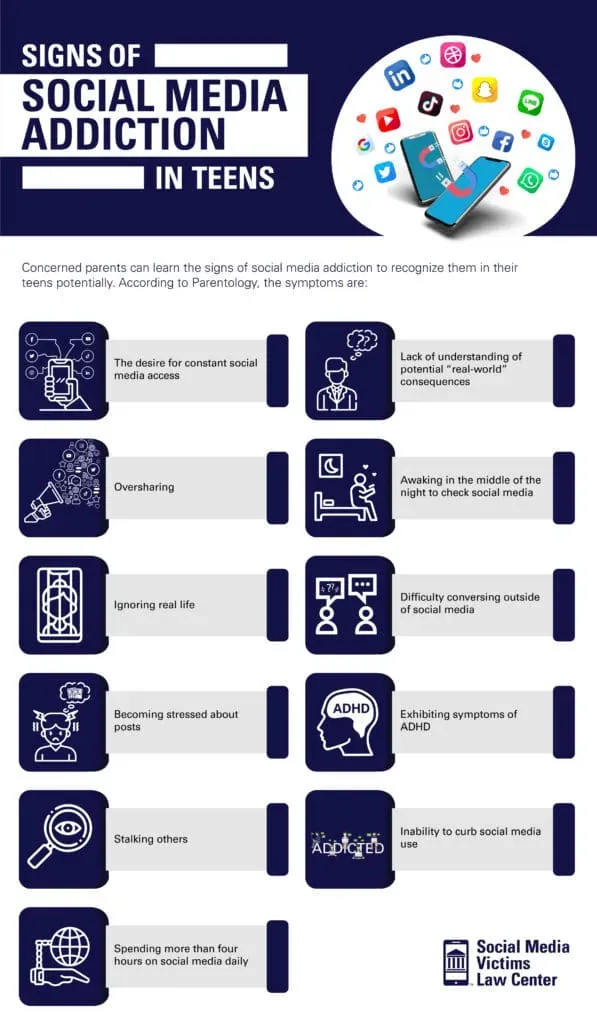
Signs of social media addiction in teens may include excessive use of platforms, neglect of responsibilities, withdrawal symptoms when not using social media, and a preoccupation with online interactions. Recognizing these indicators early can help in addressing potential mental health issues.
What measures are being proposed to mitigate social media dangers?
Proposals to mitigate social media dangers include implementing stricter age verification protocols, enhancing parental controls, and requiring platforms to provide clearer information about mental health risks. Lawsuits like the one against Instagram and YouTube aim to hold companies accountable for their impact on user well-being.
What role do algorithms play in social media addiction?
Algorithms play a crucial role in social media addiction by personalizing content to keep users engaged for longer periods. These algorithms are designed to create an addictive experience, making it difficult for users to disconnect, which can significantly impact their mental health.
How can someone overcome social media addiction?
Overcoming social media addiction often involves setting specific goals such as limiting usage time, seeking support from friends and family, and finding alternative activities. Professional help, such as therapy, can also provide valuable strategies for managing compulsive online behaviors.
| Key Points | Details |
|---|---|
| Trial Against Social Media Companies | A landmark trial is examining the impact of Instagram and YouTube on mental health. |
| Plaintiff’s Argument | The plaintiff, K.G.M., experienced mental health issues attributed to social media addiction. |
| Defendants’ Position | Meta and YouTube claim K.G.M.’s issues stem from personal problems unrelated to their platforms. |
| Designer of Addiction | The plaintiff’s attorney argues that these platforms are designed to addict users, particularly children. |
| Future Implications | The trial may establish precedents affecting future addiction-related lawsuits against social media companies. |
Summary
Social media addiction is becoming a critical concern, as illustrated by the ongoing trial against major platforms like Instagram and YouTube. This landmark case explores the mental health repercussions associated with social media use, especially among children, and has raised serious questions about the responsibilities of these companies. As the trial progresses, it underscores the urgent need for awareness and potential regulations surrounding the design and operation of social media platforms to protect vulnerable users.