
Listen to this article
Smishing scams, a dangerous blend of SMS and phishing, have recently made headlines with the conviction of individuals involved in a scheme that exploited unsuspecting passengers on the London Underground. These deceptive messages, often masquerading as legitimate communications, aim to extract personal information from victims under the guise of urgent notifications relating to parcel deliveries. In a chilling case involving homemade “SMS blasters,” fraudsters targeted commuters, sending fake alerts that directed them to phishing websites designed for personal information theft. This alarming trend underscores the growing sophistication of scammers who engage in conspiracy to defraud innocent individuals. As smishing scams become more prevalent, it’s crucial for the public to remain vigilant and informed about these tactics to protect themselves from financial loss and identity theft.
Text message fraud, commonly referred to as SMS phishing, is a deceptive tactic that has emerged as a significant threat to personal security. It involves sending fraudulent SMS alerts that often appear to originate from reputable companies, leading recipients to inadvertently share sensitive information. The alarming rise of these scams, including notorious examples such as the London Underground scam, highlights the need for awareness and prevention measures among the public. Criminal groups utilize advanced methods, like SMS blasters, to reach numerous potential victims simultaneously, making it imperative for everyone to educate themselves about these threats. By understanding the implications of these scams, individuals can better safeguard their financial information and mitigate the risks of personal information theft.
Understanding Smishing Scams: The New Age of Cyber Fraud
Smishing scams, a term derived from the combination of SMS and phishing, have become increasingly prevalent in recent years. These scams exploit the convenience and immediacy of text messaging, tricking individuals into providing personal information through deceptive messages that appear to be from legitimate sources. As technology advances, so do the tactics utilized by fraudsters, making it essential for people to stay informed about the evolving landscape of online scams.
In the context of the recent London Underground scam, defendants utilized homemade devices known as SMS blasters to send fraudulent messages to unsuspecting passengers. This method highlights the sophistication of contemporary smishing operations, as criminals are no longer limited to simple email scams. Instead, they now employ technology that can manipulate mobile networks, making it imperative for the public to be vigilant and recognize the signs of a smishing attack.
The SMS Blaster Scam: How It Works
The SMS blaster scam is a particularly deceptive form of fraud where criminals send mass text messages from a device designed to impersonate legitimate cell towers. This allows them to broadcast scams to multiple mobile phones in close proximity simultaneously. In the case of the recent London Underground incident, the scammers concealed these devices in heavy suitcases, targeting commuters and luring them with fake delivery messages intended to steal personal information.
Once a phone connects to the SMS blaster, the user receives a text that typically contains a link to a fraudulent website. These links are often designed to look like they belong to reputable companies such as Evri or Royal Mail, further enhancing the chances of unwitting victims falling for the scam. As awareness of smishing scams increases, it’s crucial for consumers to verify the authenticity of unexpected messages, especially those requesting sensitive personal information.
Consequences of SMS Phishing: Legal Ramifications
The repercussions for individuals involved in orchestrating SMS phishing scams can be severe. As seen in the recent court case involving Daoyan Shang and Zhijia Fan, both pleaded guilty to conspiracy to defraud. Their actions not only exposed them to potential imprisonment but also highlighted the broader impact of their crimes on public safety and trust in technology. Such scams can lead to significant financial losses for victims, prompting law enforcement agencies to crack down on such illicit activities.
The legal framework surrounding cyber fraud is continually evolving. Courts are increasingly aware of the challenging landscape posed by technology-based scams, which often require sophisticated investigations. Defendants like Hafiz and Lauks face justice alongside the primary culprits, emphasizing the notion that anyone involved in such conspiracies, regardless of their role, will be held accountable under the law.
Protecting Yourself Against Personal Information Theft
To safeguard against personal information theft stemming from smishing scams, individuals must adopt proactive measures to enhance their digital security. One primary step is to avoid interacting with unknown text messages. If a message appears suspicious or requests personal details, it’s best to delete it without engaging. Additionally, consumers should consider enabling two-factor authentication wherever possible, adding a layer of security against unauthorized access to sensitive information.
Staying informed about the latest scams and fraud tactics is crucial. Regularly updating passwords and reviewing account activity can alert individuals to potential breaches. Furthermore, people must educate themselves about how SMS phishing works, recognizing signs of fraud to bolster their defenses against becoming victims of these sophisticated scams. By taking these precautions, individuals can significantly reduce their vulnerabilities to attacks.
Identifying SMS Blasters and Their Impact on Society
SMS blasters represent a gray area in technology use, as they can be manipulated for malicious intents. Understanding the mechanics behind these devices is essential in combating their misuse. They work by broadcasting fraudulent messages to multiple nearby phones, exploiting the proximity of users within busy environments like public transport. This malicious application of technology raises ethical concerns about responsibility and regulation in telecommunications.
The impact of SMS blasters extends beyond individual victims, affecting societal trust in mobile communications. As scams proliferate, consumers may become increasingly wary of legitimate messages, leading to a reduction in effective communication. This ripple effect highlights the importance of public awareness campaigns that inform people about the dangers posed by such devices and reinforce the need for enhanced protective measures.
The Role of Law Enforcement in Combating SMS Scams
Law enforcement plays a critical role in addressing the rise of SMS scams through investigations, arrests, and outreach efforts to educate the public. In the case of Shang and Fan, law enforcement’s swift actions were instrumental in dismantling part of the criminal system exploiting the London Underground. These efforts signal to the public that authorities recognize the severity of the issue and are committing resources to combat cyber fraud.
Furthermore, law enforcement agencies often collaborate with tech companies and cybersecurity experts to develop sophisticated tools designed to detect and thwart smishing attacks before they reach victims. Public awareness initiatives, alongside criminal prosecution, are essential in fostering a collective defense against these types of fraud, ensuring that individuals are not only educated about the risks but also supported in their efforts to remain safe.
Personal Stories: Victims of Smishing Scams
The emotional and financial toll of smishing scams can be devastating for victims. Many individuals who unknowingly provide their personal information face long-term repercussions, with lost savings and compromised identities affecting their everyday lives. Personal accounts reveal the trauma that follows these scams, emphasizing the need for more robust protective measures.
Victims often report feelings of violation and embarrassment, which can lead to mental health struggles. These accounts shed light on the human element of cyber fraud, reminding us that behind every statistic is a story of hardship and recovery. Awareness campaigns highlighting these personal experiences are crucial in cultivating empathy and encouraging vigilance among communities.
How SMS Phishing Trends Evolve Over Time
The landscape of SMS phishing is not static; it evolves as technology and consumer behaviors change. Fraudsters constantly refashion their tactics, tailoring scams to exploit new platforms and trends. For example, as more individuals utilize messaging apps for communication, criminals may shift their focus from traditional SMS phishing toward app-based fraudulent activities.
Tracking these trends is vital for cybersecurity experts and law enforcement as they devise strategies to respond to emerging threats. Public education must keep pace with the rapidly evolving tactics used by scammers, ensuring that individuals are informed of new risks and equipped to identify them effectively.
Impacts of the London Underground Scam on Public Safety
The London Underground scam highlights significant vulnerabilities in public spaces, raising concerns about the safety of commuters. As criminals devise inventive ways to exploit crowded places, passengers find themselves in increasingly precarious positions. The nature of such scams can deter individuals from using public transportation, fearing they could become victims of fraud.
The broader implications of these scams affect overall public trust in transportation systems. Authorities must act decisively to restore faith by implementing measures that secure public spaces and deter criminal activity. Increased vigilance and the presence of law enforcement can provide peace of mind to the public, helping to ensure that travel experiences remain safe and enjoyable.
Legal Frameworks Addressing SMS Blaster Misuse
Legal systems around the world are beginning to adapt to the realities of technology misuse, including SMS blaster devices. Existing laws regarding fraud and personal information theft are being scrutinized and updated to encompass the specific challenges posed by these technologies. This evolution is necessary as courts increasingly deal with cases involving sophisticated scams like the London Underground incident.
Legislative bodies are also being urged to craft regulations that specifically address the use of SMS blasting technology, promoting accountability for those who misuse it for fraudulent purposes. As laws evolve, there is hope that stricter penalties and clearer guidelines will deter potential criminals, safeguarding the public and enhancing overall security within telecommunications.
Frequently Asked Questions
What are smishing scams and how do they operate?
Smishing scams, a blend of SMS and phishing, deceive individuals into providing personal information through fraudulent messages that appear to be from legitimate sources. These scams often use SMS blaster devices to send mass texts, tricking recipients into believing they need to take urgent action regarding their accounts.
How does the London Underground smishing scam work?
The London Underground smishing scam involved criminals using homemade SMS blasters to send fake parcel delivery messages to unsuspecting passengers. These messages contained links prompting individuals to enter personal information, with the ulterior motive of accessing their bank accounts.
What is the SMS blaster scam and its significance in smishing?
The SMS blaster scam is a technique where devices are used to send fraudulent text messages to multiple phones simultaneously. In this context, it played a crucial role in the London Underground scam, where perpetrators targeted passengers to extract sensitive personal information.
How can I protect myself from smishing scams?
To protect yourself from smishing scams, be cautious of unsolicited text messages asking for personal information. Never click on links from unknown sources and verify the legitimacy of messages directly with the company in question. Additionally, keep your phone’s security features updated.
What are the legal consequences of participating in smishing scams?
Participation in smishing scams, such as the conspiracy to defraud charges faced by individuals like Daoyan Shang and Zhijia Fan, can result in severe legal repercussions, including imprisonment and hefty fines. Authorities take these crimes seriously due to their impact on personal information theft.
What should I do if I receive a suspicious text message related to smishing?
If you receive a suspicious text message that may be part of a smishing scam, do not engage with the sender. Instead, report the message to your mobile provider and the relevant authorities. It’s crucial to delete it without clicking any links or providing any personal information.
What role does personal information theft play in smishing scams?
Personal information theft is the primary goal of smishing scams. Cybercriminals attempt to trick victims into revealing sensitive data like passwords, social security numbers, and banking information, which they then use to commit fraudulent activities.
Can smishing scams lead to identity theft?
Yes, smishing scams can lead to identity theft. When thieves successfully extract personal information from victims, they can misuse that information to open new accounts, access existing accounts, and commit further fraud in the victim’s name.
What are the signs of a smishing scam message?
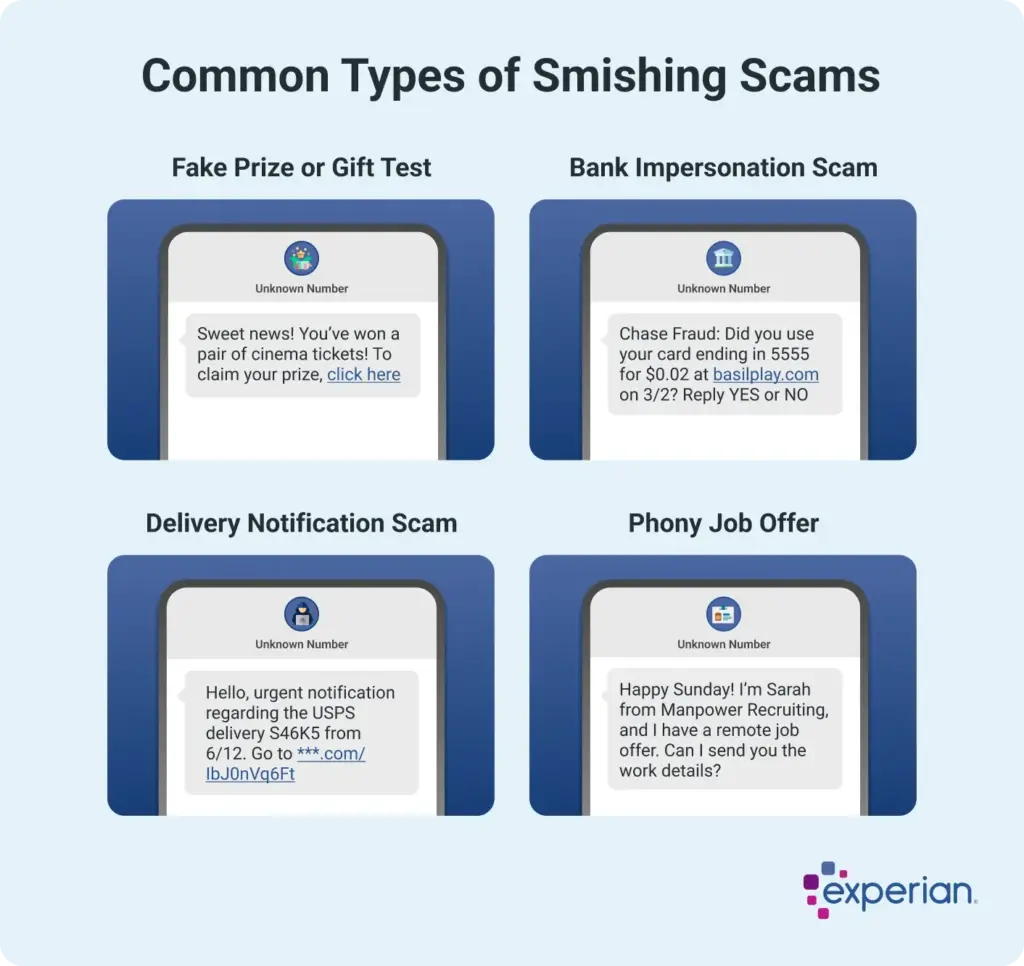
Signs of a smishing scam message include urgent requests for personal information, generic greetings, and links to unknown websites. Messages claiming you have won a prize or need to verify your account are common red flags.
How did law enforcement handle the recent smishing scam case involving the London Underground?
Law enforcement conducted an extensive investigation into the smishing scam case involving the London Underground, leading to the arrest and guilty plea of individuals involved in the operation. They used evidence from SMS blaster devices to demonstrate the fraudulent activities of the suspects.
| Key Aspect | Details |
|---|---|
| Defendant | Daoyan Shang, 20, pleaded guilty to conspiracy to defraud. |
| Scam Type | Smishing scams, a combination of SMS and phishing. |
| Method | Using SMS blasters hidden in suitcases to send fraudulent messages. |
| Target Group | London Underground passengers. |
| Prosecution Statement | Aim was to obtain personal information to raid bank accounts. |
| Guilty Pleas | Zhijia Fan, 48, also pleaded guilty to the same charge. |
| Additional Charges | Prosecution decided not to pursue additional charges against defendants. |
| Trials Result | Jurors returned a guilty verdict against Shang. |
| Upcoming Sentencing | Shang and Fan to be sentenced alongside two other defendants. |
Summary
Smishing scams have emerged as a significant threat to individuals, particularly those using public transport like the London Underground. This case exemplifies the dangers associated with text message scams, where perpetrators like Daoyan Shang and Zhijia Fan used sophisticated SMS blasters to exploit unsuspecting passengers. By masquerading as legitimate companies, these scammers aimed to steal personal information, raising the alarm about the serious implications of such fraudulent activities. Increasing public awareness about smishing scams is vital in protecting personal data and preventing financial losses.