
Listen to this article
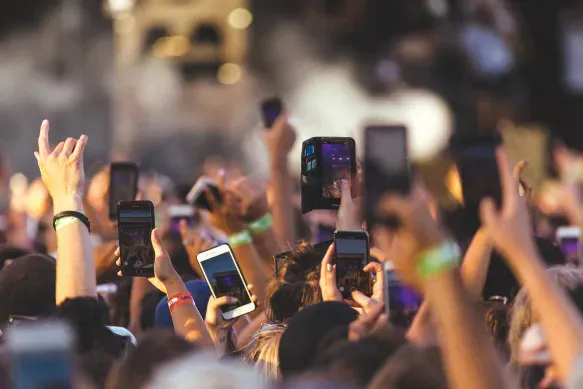
Smartphones at concerts and schools have sparked ongoing debates about their impact on experiences and concentration. With an increasing number of artists endorsing a ‘no phone policy’ at gigs, such as Sir Paul McCartney and Alicia Keys, concert-goers are encouraged to engage fully in the moment rather than through the lens of their devices. Similarly, educational institutions are implementing strategies like smartphone lockdowns to enhance student focus, featuring school phone pouches that keep devices securely stored during class hours. These efforts aim to foster genuine connections and alleviate the anxieties associated with constant digital interaction. As venues and schools alike strive to create phone-free spaces, the conversation about the appropriate role of smartphones in our everyday lives continues to evolve.
The debate surrounding the use of mobile devices at live events and educational settings is gaining traction as more individuals and organizations advocate for reduced screen time. Events featuring live performances and music festivals are seeing a shift toward implementing strict guidelines that prevent phone usage during performances, fostering an immersive environment. Meanwhile, school administrators are exploring innovative solutions such as mobile device management through lockable pouches to enhance student engagement and learning outcomes. This movement emphasizes the importance of presence and participation, both in the arts and within the educational sphere. As the trend of minimizing smartphone distractions grows, many are reflecting on how these changes can positively affect social interactions and academic achievements.
The Rise of Smartphone Lockdown at Concerts
The trend of enforcing smartphone lockdowns at concerts is gaining traction, as artists and audiences alike realize the benefits of a phone-free environment. Musicians such as Sir Paul McCartney have implemented a strict no-phone policy, utilizing lockable pouches to ensure that fans are not distracted by their devices during performances. This approach fosters a deeper connection between the artist and the audience, allowing concertgoers to immerse themselves fully in the experience without the temptation to record or post live content on social media.
The effectiveness of these smartphone bans extends beyond just concerts. Many artists claim that performing in a phone-free zone enables them to deliver a more authentic and engaging show. Fans have reported that being present in the moment, without the urge to capture every second on video, creates a more enjoyable atmosphere. This phenomenon is not limited to music; it has sparked broader conversations about digital consumption and its effects on social interactions, emphasizing the need for more events to adopt similar smartphone lockdown policies.
Exploring Phone-Free Policies in Schools
Amid growing concerns about distractions in the classroom, many schools are increasingly adopting phone-free policies, utilizing lockable phone pouches to manage smartphone use. The implementation of these systems, pioneered by companies like Yondr, allows students to keep their devices securely stored during school hours, promoting focus and enhancing learning. As educators notice positive changes in academic performance and reduced incidents of bullying, the appeal of smartphone bans at schools continues to grow.
Despite initial resistance from students, many schools report that once they adapt to the phone-free environment, students embrace it as a liberating experience. The Hush Pouch system, designed specifically for educational settings, has been particularly effective in mitigating the distractions smartphones can introduce. As schools balance the need for students to have access to their phones for safety while traveling, the implementation of these policies reflects a growing understanding of the impact smartphones have on young learners and a commitment to creating a more conducive learning environment.
The Impact of Phone Bans on Live Performances
The conversation surrounding phone bans at live performances highlights a fundamental shift in how audiences interact with artists. By removing smartphones from the equation, events can more closely resemble the authentic experiences of previous generations, where connectivity and engagement were paramount. With notable artists endorsing these bans, they not only pave the way for a new standard but also encourage fans to appreciate live music in its rawest form, free from the lens of social media.
Moreover, the ability to create a more intimate and connected atmosphere allows performers to experiment creatively without the fear of being critiqued through instantly shared recordings. As additional artists advocate for a no phone policy, the music industry may see a ripple effect, influencing concert protocols across various genres and ensuring that audiences can relish the spontaneity of live performances.
Benefits of Smartphone-Free Zones
The emergence of smartphone-free zones has surfaced during a time when social media dominates human interaction, raising significant concerns regarding mental health and social well-being. Pioneers in venues like theaters, galleries, and schools are promoting these spaces as beneficial environments where individuals can engage more genuinely. Advocates argue that such initiatives help combat the anxiety and fixation linked to smartphone usage, allowing people to enjoy interactions and experiences in more profound and meaningful ways.
In schools, the benefits of implementing smartphone lockdown policies are particularly compelling. Reports indicate that students demonstrate improved focus and engagement, leading to higher academic performance overall. Moreover, the implementation of strict phone bans appears to mitigate issues related to cyberbullying, giving students a safer environment to learn and interact. This dual emphasis on academic improvement and mental well-being marks a significant stride toward proactively addressing the challenges posed by ever-ubiquitous smartphone technology.
Debating the Necessity of Phone Lockdowns
While the notion of locking away smartphones at venues and educational institutions has garnered praise, it has also ignited debates about personal freedom versus communal benefit. Detractors question whether such policies infringe upon individual rights, arguing that smartphones can be tools for safety and connection. This discourse fuels a broader dialogue about finding a balance between leveraging technology positively and mitigating its disruptive effects in social settings.
Supporters counter that the benefits of engaging in collective experiences outweigh concerns about personal liberties. They stress that, in the face of growing distractions and mental health issues tied to constant connectivity, initiating phone bans serves as a necessary countermeasure. As society navigates the intricate relationship with technology, striking this balance is crucial in ensuring that individuals can still benefit from the very devices that also lead to distractions and emotional disturbances.
Social Media’s Role in Shaping Attitudes Towards Phone Use
In today’s digital age, social media significantly shapes how individuals view their interactions and experiences. The pervasive nature of platforms like Instagram and Facebook encourages users to capture and share moments, often at the expense of truly living them. As events increasingly feature phone bans, there is a simultaneous cultural shift towards appreciating experiences in real-time rather than through the lens of social media. This transformation highlights a growing desire among people to reclaim authentic human connections.
Interestingly, anecdotal evidence suggests that audiences favor experiences that prioritize real-life engagement over virtual representation. Fans have echoed sentiments of relief and happiness when allowed to engage fully, leaving behind the pressures of curating the perfect online presence. The emergence of phone-free concert initiatives is a counter-culture movement aimed at fostering this kind of participation, suggesting a significant shift in how society perceives, values, and engages with both live events and social environments.
Transforming Educational Spaces with Smartphone Policies
As educational institutions adopt smartphone restrictions, they aim to revamp the traditional learning environment into one that fosters deeper engagement and focus among students. Administrators embracing phone lockdown technologies, like Yondr pouches, are witnessing tangible changes within their schools. This shift aligns with a broader vision of creating spaces where distractions are minimized, allowing students to dedicate their attention to learning, thereby enhancing overall academic outcomes.
Moreover, the transition to a phone-free educational atmosphere is not only about reducing distractions; it’s also about nurturing interpersonal skills and the ability to collaborate effectively. When students are encouraged to engage face-to-face rather than through screens, they develop crucial social skills and emotional intelligence. As schools continue to implement and adapt these policies, they serve as a model for how responsible smartphone management can lead to a more enriching educational experience.
Public Opinion on Phone Bans in Various Environments
Public sentiment on phone bans is varied, reflecting a spectrum of perspectives regarding the integration of smartphones into daily life. For many, the convenience of instant communication and access to information is invaluable; however, increasing numbers of people recognize the detrimental effects associated with excessive smartphone use—particularly in settings like concerts and schools. This awareness cultivates a growing advocacy for restrictions that seek to minimize digital distractions, thereby enhancing the quality of experiences.
As more individuals advocate for phone bans at events, venues, and educational institutions, there may also be a corresponding shift in societal norms. The hesitance displayed by some individuals towards these policies may stem from a fear of loneliness in a world driven by connectivity. Yet as engaged audiences enjoy phone-free experiences, the perception of these bans may evolve, positioning them as a necessary balance in a world increasingly dominated by smartphones.
Future Implications of Smartphone Lockdown Policies
Looking ahead, the adoption of smartphone lockdown policies may inspire a cultural renaissance surrounding engagement in live events and communal settings. As audiences experience the benefits of unplugging, there could be a resurgence of interest in activities that prioritize personal interactions. In schools, the long-term implications of reducing smartphone distractions are promising; fostering focused environments may lead to profound shifts in education, enhancing learning outcomes and developing social connections.
Conversely, the challenge remains in balancing the conveniences offered by smartphones with the need for meaningful interactions in various settings. As this conversation unfolds, societal expectations around phone use likely will continue to evolve. The chance to reclaim focus and presence in an increasingly connected world may pave the way for a healthier relationship with technology in our social spheres, ultimately leading to richer, more fulfilling experiences.
Frequently Asked Questions
What is the phone ban at concerts, and why are artists implementing it?
The phone ban at concerts refers to policies that restrict or completely prohibit the use of smartphones during live performances. Artists, such as Paul McCartney, advocate for this practice to create a more intimate atmosphere for fans, allowing them to be fully present without distractions from filming or taking selfies. The aim is to enhance the concert experience by fostering genuine connections among attendees.
How does a smartphone lockdown work at concerts?
A smartphone lockdown at concerts typically involves the use of lockable pouches, where attendees must store their phones at the entrance. The pouches are magnetically sealed, allowing fans to keep their phones with them while ensuring they can’t be accessed during the event. This system has gained popularity because it helps maintain the focus on the live performance and encourages fan interaction.
What are the benefits of a no phone policy at concerts?
The no phone policy at concerts has several benefits, including enhanced audience engagement, improved performer focus, and a more immersive experience for attendees. Fans report feeling more connected to the music and each other without distractions from their devices. Artists, on the other hand, find they can perform with greater freedom and creativity when fans aren’t preoccupied with capturing footage.
Why are some schools using smartphone pouches?
Many schools are adopting smartphone pouches to manage phone usage among students and minimize distractions in the classroom. By locking phones away during school hours, educators aim to create a focused learning environment. Research has shown that schools implementing this strategy report improvements in academic performance and a decrease in bullying incidents, making it a beneficial approach to maintaining discipline.
What challenges do schools face with implementing a school phone pouch system?
Schools face several challenges when implementing a school phone pouch system, including initial resistance from students who may be reluctant to give up their devices. Additionally, some parents may express concerns about their children’s safety without immediate access to their phones. However, many educators have found that students eventually appreciate the break from screen time and realize the benefits of being present in the moment.
Are there any negative impacts of smartphones in schools?
Yes, smartphones can have negative impacts in schools, such as increased distractions during lessons, anxiety among students due to social media pressures, and incidents of cyberbullying. Implementing policies like smartphone pouches aims to mitigate these issues, allowing students to focus on their education and reducing the potential for negative social interactions.
How do smartphone policies at concerts differ from those in schools?
Smartphone policies at concerts typically focus on creating a distraction-free environment for live performances, while school policies aim to ensure students concentrate on learning. Both approaches utilize tools like lockable pouches to restrict smartphone access, but the context and specific goals differ, with concerts emphasizing attendee experience and schools prioritizing educational outcomes.
Can smartphone restrictions at concerts lead to a better experience for attendees?
Yes, restrictions on smartphone use at concerts can lead to a better experience for attendees by promoting engagement with the performance and connections with fellow concert-goers. Fans often express enjoyment from being fully immersed in the music without the urge to record or post on social media.
What is the rationale behind the growing trend of phone bans at events?
The growing trend of phone bans at events stems from a desire to combat the negative effects of smartphone overuse, including diminished attention spans, anxiety from social media dynamics, and the loss of genuine experiences. Artists and event organizers believe that by limiting smartphone access, they can enhance the overall engagement and enjoyment for attendees.
What do surveys say about students’ opinions on phone pouches in schools?
Surveys indicate that opinions among students regarding phone pouches in schools can vary, with some initially resisting the concept. However, many eventually report feeling liberated from constant device checking and appreciate the focus on learning and social interactions without distractions. The overall shift tends to favor the student community embracing the benefits of a phone-free environment.
| Key Points |
|---|
| Sir Paul McCartney’s concert had a strict phone ban, with fans using lockable pouches for privacy and enjoyment. |
| Other artists like Alicia Keys and Guns N’ Roses have also embraced phone-free performances to enhance their shows. |
| Yondr technology is used to keep phones secured at schools, helping improve student focus and reduce anxiety. |
| A survey shows that schools using phone bans see improvements in academic performance and social interactions. |
| Parents often report a sense of safety for children carrying phones to school, despite objections over usage restrictions. |
| The increase in phone bans at concerts and schools highlights a growing trend towards improving mental health and social interaction. |
Summary
Smartphones at concerts and schools have become a topic of heated debate as various artists and educators seek to enhance experiences without the distractions of mobile devices. With artists like Paul McCartney taking bold steps to enforce phone bans during performances, fans are encouraged to immerse themselves in the live event. The trend has extended to educational settings where Yondr pouches facilitate a focus on learning, contributing to a noticeable rise in academic performance and positive social engagements. The movement towards a phone-free environment aims to not only improve mental health but also foster genuine interactions, echoing a wider societal shift towards mindful technology consumption.

