
Listen to this article
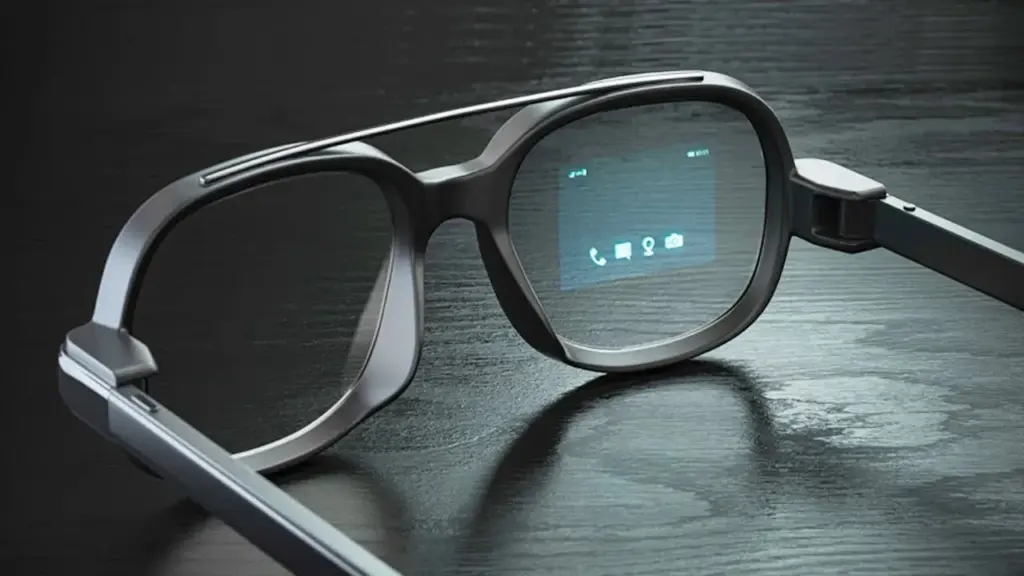
Smart glasses are at the forefront of the wearable technology revolution, seamlessly integrating digital capabilities into our daily lives. These innovative devices, which can perform functions like recording video, accessing apps, and providing navigation assistance, are becoming more sophisticated and inconspicuous. However, the rise of smart glasses has sparked significant privacy concerns, particularly regarding their potential misuse in harassing individuals, especially women. Instances of smart glasses being used to film people without consent have raised alarms about women’s safety in public spaces. As this technology evolves, societal implications and ethical considerations become increasingly vital, demanding a dialogue about how we can enjoy the conveniences of AI-powered glasses without infringing on personal freedoms and privacy rights.
The advent of intelligent eyewear presents a unique intersection of technology and everyday life, often referred to as augmented reality glasses or head-mounted displays. As these devices add layers of digital information to our actual surroundings, they promise unprecedented convenience and engagement. Nevertheless, the shadow of misuse looms large, with many raising concerns about the detrimental effects on privacy and personal safety, particularly for vulnerable individuals. Reports of covert filming incidents underscore the need for vigilant discourse about the ethics surrounding these innovations. With the potential for smart glasses to reshape interactions and experiences, it becomes crucial to ensure that their integration into society is handled responsibly.
The Rise of Smart Glasses in Wearable Technology
Smart glasses are emerging as a pivotal element in the realm of wearable technology, showcasing seamless integration with our daily lives. These devices, featuring built-in cameras and smart functionality, aim to revolutionize how we interact with the digital world. As more people embrace this technology for its convenience—accessing navigation, responding to messages, or capturing moments—concerns have begun to surface regarding their implications on privacy and personal safety.
The comeback of smart glasses, however, is marred by alarming incidents, particularly surrounding the misuse of these devices. Reports have surfaced of individuals using smart glasses to secretly film unsuspecting women, raising serious concerns about consent and privacy violations. This misuse underscores the urgent need for regulations to oversee the use of wearable technology, ensuring that it enhances rather than endangers people’s safety.
Privacy Concerns: The Dark Side of Smart Glasses
The inherent privacy concerns with smart glasses come into sharp focus as stories like Oonagh’s and Kate’s emerge, illustrating how easily these devices can be exploited. When embedded cameras are utilized to capture and share content without consent, it not only violates individual rights but also creates a culture of fear among women. These incidents showcase a troubling trend where technology designed to improve lives becomes a tool for harassment.
Further amplifying these issues is the fact that many users may be unaware of their surroundings and the potential risks associated with smart glasses. As the devices become increasingly indistinguishable from regular glasses, a false sense of security prevails, leaving individuals vulnerable to unwanted recording and scrutiny. The conversation around privacy rights is crucial as we navigate the complexities introduced by smart glass technology.
Smart Glasses and Women’s Safety
Women’s safety is taking center stage as smart glasses continue to gain popularity, highlighting the potential threats they pose. Incidents where women have been filmed secretly have led to calls for enhanced protective measures. The voices of victims like Oonagh and Kate underscore the urgent need for actionable solutions to prevent the misuse of wearable technology and to safeguard women’s rights in public spaces.
Organizations and advocacy groups, such as the End Violence Against Women Coalition, emphasize the growing correlation between advances in technology and increasing vulnerabilities experienced by women. Raising awareness about the potential risks associated with smart glasses can empower individuals, fostering a proactive approach to safety and privacy.
AI-Powered Smart Glasses: Revolutionizing Experiences
As technology evolves, the introduction of AI-powered smart glasses promises an enhanced user experience, positioning them as a notable advancement in wearable technology. These glasses come equipped with features that provide real-time information, display notifications, and integrate with various applications, offering users unprecedented convenience. Moreover, the capability to blend seamlessly into everyday life paves the way for broader acceptance and adoption.
However, the development and rollout of such innovative technology should be approached with caution. While AI-powered smart glasses can significantly change lifestyles, the potential for misuse also escalates. Stakeholders must engage in proactive discussions surrounding ethical standards and privacy legislation to ensure that the benefits of smart glasses do not come at the expense of personal security.
The Impact of Smart Glasses Misuse on Society
The misuse of smart glasses extends beyond individual experiences, reflecting broader societal attitudes towards women and privacy. When such devices are weaponized to exploit and objectify, it ignites a critical dialogue about consent and accountability in the digital age. The phenomenon of ‘revenge porn’ or unsolicited recordings exemplifies a dangerous misuse of technology that affects both mental health and social dynamics.
Addressing these issues requires a collective effort from technology providers, policymakers, and society at large. The dialogue surrounding the harm caused by smart glasses misuse compels a reevaluation of existing laws and practices, striving for a balance that promotes innovation while safeguarding fundamental human rights.
Legal and Ethical Dimensions of Smart Glasses
The legal landscape surrounding smart glasses and their use is complex, often lagging behind technological advancements. While filming individuals in public spaces may not inherently infringe on the law, the ethical implications become murky when consent is absent. Legal experts emphasize that existing laws on harassment and stalking can play a role in combatting certain abuses, but new regulations are necessary to comprehensively protect individuals against the misuse of evolving technology.
As society grapples with these dilemmas, it is crucial that lawmakers prioritize the establishment of clear guidelines that delineate acceptable use cases for smart glasses. Engaging in community discussions about users’ responsibilities when operating devices with recording capabilities can foster a safer environment and deter vindictive behaviors.
Empowering Women Through Awareness and Education
Empowering women to recognize their rights and advocate for their privacy in the age of smart glasses is critical. Education campaigns can raise awareness about the risks associated with wearable technology and encourage discourse about consent. By fostering dialogues within communities, women can collectively empower themselves and confront the societal norms that allow such violations to persist.
Educational initiatives should also focus on equipping women with practical tools for recognizing and responding to the misuse of technology. This can include workshops on digital literacy, knowing legal rights, and strategies for ensuring personal safety in public arenas—equipping women to navigate the challenges presented by smart glasses.
The Role of Tech Companies in Mitigating Misuse
Tech companies play a pivotal role in addressing the potential misuse of smart glasses. Companies like Meta are already implementing features designed to increase user transparency, such as LED indicators that signal when recording is occurring. However, as reports of harassment and misuse proliferate, there is an urgent call for these companies to enhance accountability in their design and user policies.
To foster a safer environment, tech companies must commit to pursuing regular audits of device functionalities and addressing vulnerabilities. This proactive approach can prevent exploitative practices and prioritize the well-being of users, particularly women, who may be at risk of being targeted. Engaging in partnerships with advocacy organizations can further bridge the gap between technology and social responsibility.
Future of Wearable Technology: Balancing Innovation and Safety
The future of wearable technology, particularly smart glasses, hinges on striking a balance between innovation and user safety. As advancements continue to unfold, it is vital for developers and stakeholders to prioritize ethical considerations, ensuring new features do not come with increased risks. This requires a commitment to design practices that explicitly take into account users’ rights and societal implications.
Looking ahead, there is an opportunity for collaborative efforts across the tech industry, law enforcement, and advocacy groups to establish comprehensive guidelines that prioritize safety while encouraging innovation. By proactively addressing the potential for misuse of smart glasses, we can create a responsible pathway that embraces the advancements in wearable technology while safeguarding our communities.
Frequently Asked Questions
What are smart glasses and how do they relate to wearable technology?
Smart glasses are a type of wearable technology that provide users with a hands-free experience, allowing them to access information, apps, and features such as maps and music directly from their eyewear. They often include built-in cameras, making them capable of recording video and capturing images, which raises various privacy concerns.
What are the privacy concerns associated with smart glasses?
Privacy concerns surrounding smart glasses stem from their ability to record audio and video without the knowledge or consent of individuals nearby. Cases have emerged where users have filmed people in public, leading to non-consensual sharing of videos that can humiliate and violate personal privacy.
How can smart glasses be misused in terms of women’s safety?
Smart glasses misuse poses significant threats to women’s safety as they can be used to secretly record women in vulnerable situations. This misuse can contribute to harmful behaviors like harassment, exposing women to humiliation and psychological distress when videos are shared without their consent.
What are AI-powered glasses and how do they differ from regular smart glasses?
AI-powered glasses are an advanced form of smart glasses that incorporate artificial intelligence to enhance their functionality. These features can include improved voice recognition, smart notifications, and adaptive photo and video capabilities, providing users with a more interactive and intelligent experience.
What should I do if I am filmed without my consent by someone wearing smart glasses?
If you have been filmed without your consent, it is important to report the incident to local authorities or seek legal advice, as this behavior may fall under stalking or harassment laws. Additionally, report the video to the platform where it was published to prompt removal.
What measures can companies take to prevent the misuse of smart glasses?
Companies manufacturing smart glasses can implement features like visible recording indicators, tamper detection technology, and strong user guidelines against harmful activities. Clear policies on privacy and legal consequences for misuse are essential to promoting responsible usage.
Are there existing laws that protect individuals from being filmed without their consent using smart glasses?
While it is generally legal to film in public spaces, existing laws such as harassment or stalking may apply to situations involving smart glasses. Legal frameworks are evolving to address the challenges posed by such technology, but gaps still exist, highlighting the need for updated legislation.
How are customers responding to the new AI-powered smart glasses?
Customer responses to AI-powered smart glasses vary, with some appreciating the technological advancements they offer, while others express concerns regarding privacy and misuse. Companies are urged to continuously engage with customer feedback to enhance product safety and user experience.
What steps are being taken to enhance women’s safety regarding smart glasses usage?
Efforts to enhance women’s safety involve reviewing how technology, including smart glasses, may be misused, as part of national strategies to combat violence against women. These measures aim to protect victims and hold perpetrators accountable.
What should I be aware of when using smart glasses in public spaces?
When using smart glasses in public, it’s crucial to be conscious of your surroundings and respect others’ privacy. Informing people that you are recording, when applicable, and adhering to laws regarding filming can help prevent potential issues.
| Key Points |
|---|
| Smart glasses are being misused to film and harass women, raising significant privacy concerns. |
| Victims like Oonagh and Kate recounted their experiences of being filmed without consent, leading to public humiliation and distress. |
| Legislation currently does not adequately address the filming of people in public spaces without consent. |
| Meta and Google are attempting to address these concerns with technology updates and responses to feedback. |
| The misuse of smart glasses highlights the need for increased awareness and protective measures against technological abuse, especially for women. |
Summary
Smart glasses represent a significant advancement in wearable technology, but their potential misuse poses grave concerns for privacy and safety. As evidenced by the troubling experiences of individuals like Oonagh and Kate, the act of secretly filming women without consent can have severe emotional and psychological repercussions. It is critical for lawmakers to catch up with technological advancements, ensuring that protective measures are in place to prevent such violations. Ongoing discussions about regulating smart glasses and enhancing user accountability are essential to foster a safer public environment, especially for women.