Listen to this article
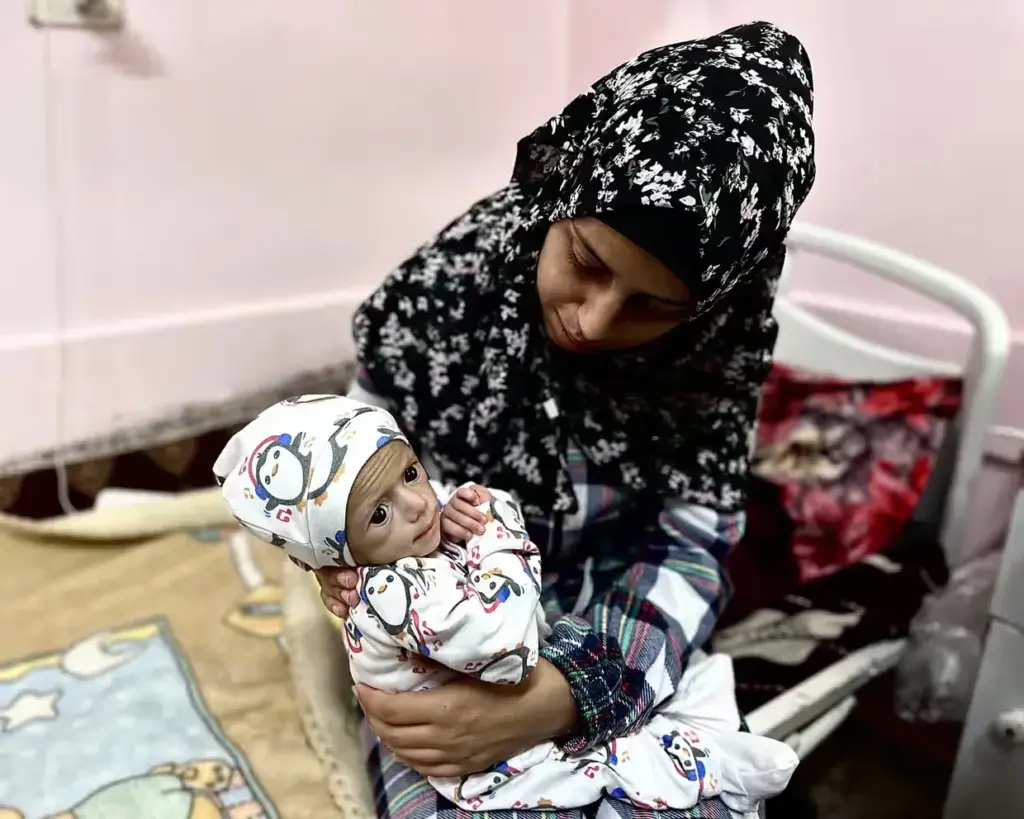
A poignant case illustrating the devastating impact of the Gaza medical crisis is that of Siwar Ashour, a one-year-old Palestinian girl who has faced tremendous health challenges. Recently returned to Gaza after six months of medical treatment in Jordan, Siwar’s plight has captured worldwide attention, especially concerning the ongoing humanitarian needs in Gaza. After completing her rehabilitation for serious nutritional issues, Siwar’s health has taken a troubling turn, marked by repeated gastrointestinal infections that threaten her fragile condition. Amid skyrocketing rates of gastrointestinal infections in children and inadequate healthcare resources, Siwar’s story sheds light on the pressing issues of Palestinian child health and the dire circumstances many families face. Unfortunately, her continued health struggles highlight the urgent need for child medical evacuations and comprehensive support to combat these escalating challenges.
The health situation in Gaza is reaching alarming levels, particularly for young children facing severe illnesses amidst a backdrop of conflict. The troubling story of Siwar Ashour reflects the critical conditions that many families endure, where access to proper medical care is increasingly scarce. In light of the deteriorating infrastructure and escalating humanitarian needs, hospitals are overwhelmed by a surge in cases of childhood illnesses, particularly gastrointestinal infections. The challenges faced by children like Siwar underscore the urgent requirement for adequate medical supplies and the possibility of medical evacuation to ensure they receive necessary care. As the crisis unfolds, it raises vital questions about the wellbeing of Palestinian children and the essential support systems needed to address their health needs.
The Health Crisis for Palestinian Children: Siwar Ashour’s Case
Currently, the humanitarian situation in Gaza highlights the urgent need for improved health services, especially for vulnerable populations like children. One notable case that underscores the gravity of this issue is that of Siwar Ashour, a one-year-old girl who recently returned to Gaza after receiving months of medical care in Jordan. Siwar’s struggle with severe nutritional issues, compounded by a debilitating gastrointestinal infection, exemplifies the dire health crisis that afflicts so many Palestinian children. Despite treatment, Siwar’s condition rapidly deteriorated upon returning to her home amid a backdrop of collapsing healthcare infrastructure and a lack of essential medical supplies.
The current medical crisis in Gaza extends beyond Siwar’s case, affecting numerous children who face similar health challenges. The ongoing conflict has left medical facilities in ruins, creating a precarious situation for patients in need of immediate attention. Moreover, the rising incidence of gastrointestinal infections among children signals alarming public health concerns, especially given increased reliance on inadequate healthcare services. This dire reality calls for urgent international attention to the humanitarian needs in Gaza, focusing on providing adequate medical facilities and resources to help alleviate the crisis.
Understanding Gastrointestinal Infections Among Children in Gaza
Gastrointestinal infections represent a significant threat to child health in Gaza, particularly in the wake of widespread impoverishment and disrupted health services. In the case of Siwar Ashour, her gastrointestinal issues are compounded by her pre-existing immune deficiency, making her more susceptible to infections. The damage to infrastructure, coupled with poor hygiene conditions, exacerbates the likelihood of infections spreading among children. With limited access to clean water and nutritious food, many children face heightened health risks that can lead to severe consequences, including malnutrition and dehydration.
The rise in cases of gastrointestinal infections can also be linked to the broader public health challenges present in Gaza, driven by a steady decline in healthcare quality. Healthcare professionals are overwhelmed and face significant hurdles, such as shortages of medicines and a lack of medical equipment. This raises critical questions about how to ensure timely interventions and treatments for these young patients. As families strive to access essential healthcare, the urgent call for child medical evacuation options continues to resonate within the community.
Humanitarian Needs in Gaza: The Role of the WHO
The World Health Organization (WHO) plays a crucial role in addressing the escalating humanitarian needs in Gaza, especially concerning child health. Given the overwhelming demand for medical services, the WHO has conducted extensive assessments to guide aid distribution and health interventions. In the case of Siwar Ashour, the WHO’s involvement has been pivotal in aiding her medical evacuation to Jordan for necessary treatments, underscoring the organization’s commitment to supporting health needs amidst crises.
However, the WHO’s capacity to operate effectively in Gaza is severely limited by ongoing conflict and resource scarcity. The organization’s focus has shifted towards addressing immediate survival needs, yet the systemic infrastructure failures present substantial barriers. To enhance health outcomes, concerted international efforts must be made to strengthen healthcare systems and improve access to essential medications and treatments. In doing so, the future of countless young lives, including those of children like Siwar, can be safeguarded.
The Impact of Healthcare Infrastructure Damage on Child Patients in Gaza
The damage to healthcare infrastructure in Gaza has profound implications, particularly for children who represent the most vulnerable demographic. Following years of conflict, many hospitals and clinics are unable to operate at full capacity, resulting in treatment delays and substandard care. In the case of Siwar Ashour, upon her return to Gaza, she found herself in a healthcare system overwhelmed by the rapid influx of patients suffering from various ailments, with pediatric care being particularly strained.
As healthcare facilities struggle to meet rising demands, the impact on child patients becomes increasingly evident. Poor hygiene, lack of medical supplies, and the absence of specialists lead to a concerning rise in preventable illnesses such as gastrointestinal infections. This dangerous trend emphasizes the urgent need for rebuilding and equipping hospitals in Gaza, to ensure that children receive timely and adequate medical care which could significantly alter their health trajectories.
The Importance of Medical Evacuations for Palestinian Children
Medical evacuations have become a lifeline for many Palestinian children needing specialized healthcare beyond what can be provided in Gaza. Siwar Ashour’s evacuation to Jordan highlighted the necessity of such measures, as they open pathways for advanced treatments that are often unavailable in war-torn regions. Evacuations serve not only to address immediate health crises but also to foster hope for families grappling with the dire realities of living in an area with limited medical infrastructure.
However, the process of medical evacuation is fraught with challenges, including bureaucratic hurdles and limitations imposed by ongoing conflict. Siwar’s need for a second evacuation exemplifies the ongoing struggles faced by many families, where access to essential care remains a formidable challenge. Advocacy for increased options and support for medical evacuations is crucial to alleviating the healthcare burdens faced by Palestinian children and ensuring they receive the treatments necessary for recovery.
Addressing Nutritional Deficiencies Among Children in Gaza
Nutritional deficiencies among children are a significant concern in Gaza, particularly in light of the ongoing humanitarian crisis. Siwar Ashour’s case reveals the severe implications of malnutrition, as her health deteriorated upon returning to Gaza due to insufficient specialized nutritional support. With limited access to fresh foods and proper nutritional supplements, many children face stunted growth and compromised immune systems, which contributes to their vulnerability to infections and diseases.
Addressing these nutritional challenges requires a multi-faceted approach, involving international aid and local initiatives to ensure that children receive the necessary nutrition for healthy development. The confiscation of vital supplies, such as the specialized milk needed for Siwar’s recovery, points to systemic obstacles that need addressing. Enhancing food security through improved distribution channels and support for local health initiatives can play a crucial role in reversing the trend of malnutrition among Palestinian children.
The Role of International Aid in Alleviating the Gaza Medical Crisis
International aid is vital in addressing the medical crisis in Gaza, especially as the health needs of children continue to escalate. Agencies like the WHO, alongside NGOs, are working towards delivering essential medical supplies and humanitarian assistance to those most in need. Siwar Ashour’s situation is just one of many that underscores the urgency of this response, as these organizations strive to provide support to overwhelmed medical facilities and health workers who are facing unprecedented challenges.
However, the complexity of delivering aid in a conflict zone presents significant logistical obstacles, from restricted access to targeted areas to the need for careful coordination between various entities. To effectively combat the healthcare crisis, it is imperative that the international community come together to enhance support structures, ensuring that aid flows efficiently to those who need it the most and ultimately improving the health outcomes for children across Gaza.
Understanding the Long-Term Effects of Conflict on Child Health in Gaza
The long-term effects of conflict on child health in Gaza cannot be overstated, with many children suffering from chronic health issues as a result of ongoing instability. As seen in Siwar Ashour’s case, repeated medical interventions and evacuations are often necessary to combat the compounded health impacts of living in a war zone. The psychological toll of conflict also adds a layer of complexity, as many children experience trauma that can hinder their overall well-being if not addressed.
Furthermore, the continuous strain on healthcare resources means that many children are left without adequate follow-up care, exacerbating existing problems. To tackle these long-term challenges, comprehensive strategies involving mental health support, nutritional programs, and improved healthcare infrastructure must be prioritized. By focusing on these areas, the potential to foster a healthier generation of Palestinian children, despite the backdrop of conflict, can be enhanced.
Exploring Potential Solutions to the Gaza Medical Crisis
Addressing the medical crisis in Gaza requires a multi-pronged strategy aimed at rebuilding healthcare infrastructure, improving access to medicines, and facilitating international partnerships. The case of Siwar Ashour underscores the critical need for swift action in securing medical supplies and ensuring children receive timely treatment. Collaborative efforts involving NGOs, local healthcare providers, and international agencies can help create a sustainable framework for healthcare delivery, particularly for vulnerable populations like children.
Moreover, advocating for policy changes that prioritize child health and well-being is crucial. Enhancing support for medical evacuations and increasing the flow of nutritional aid are necessary to mitigate the effects of the ongoing crisis. By fostering dialogue and cooperation between stakeholders, a pathway toward a healthier future for children in Gaza can be forged, ensuring that cases like Siwar’s do not represent the norm in this beleaguered region.
Frequently Asked Questions
What is the current health status of Siwar Ashour amid the Gaza medical crisis?
Siwar Ashour, a one-year-old girl from Gaza, is currently suffering from a gastrointestinal infection, which has worsened since her return from Jordan, where she received treatment. This situation highlights the urgent humanitarian needs in Gaza as medical facilities struggle with a rising number of pediatric patients.
How is Siwar Ashour’s case representative of the humanitarian needs in Gaza?
Siwar Ashour’s deteriorating health underscores the broader humanitarian needs in Gaza, where children face significant medical challenges due to a lack of resources. Her case reflects the struggle against malnutrition and infections, exacerbated by damaged healthcare infrastructure and limited access to essential medical supplies.
What led to Siwar Ashour’s evacuation for medical treatment?
Siwar Ashour was evacuated to Jordan for medical treatment after her case garnered attention, illustrating the urgent humanitarian needs faced by Palestinian children suffering from health crises. Following her recovery in Jordan, she was expected to be in a better condition upon her return to Gaza.
What are the main challenges faced by children like Siwar Ashour in Gaza?
Children like Siwar Ashour in Gaza face numerous challenges, particularly due to the ongoing conflict resulting in gastrointestinal infections, nutritional deficiencies, and a critical shortage of medical supplies and electricity, all contributing to a worsening healthcare situation.
What steps are being taken to support Siwar Ashour’s health after her return to Gaza?
After returning to Gaza, Siwar Ashour is currently receiving care at al-Aqsa Martyrs Hospital. Her family is actively seeking to facilitate another medical evacuation for her as she continues to struggle with health issues, highlighting the urgent need for effective interventions for affected children.
How does Siwar Ashour’s situation reflect the issues facing Palestinian child health?
Siwar Ashour’s ongoing health struggles are emblematic of broader issues surrounding Palestinian child health, particularly in Gaza, where inadequate medical infrastructure and supply shortages significantly affect the well-being of minors suffering from conditions such as gastrointestinal infections.
What were the conditions of Siwar Ashour’s return to Gaza and what implications does it have?
Upon her return to Gaza, Siwar Ashour faced significant challenges, including a shortage of nutritional supplies, which were partially confiscated at the border. This situation illustrates the complications of providing adequate care within a system strained by conflict and humanitarian needs.
What role does the international community play in addressing the medical evacuation needs of children like Siwar Ashour?
The international community, including the World Health Organization, is involved in facilitating medical evacuations for children like Siwar Ashour. This support aims to address urgent medical needs in Gaza, amid calls for increased humanitarian aid to improve child health outcomes.
| Key Points |
|---|
| Siwar Ashour, a one-year-old Palestinian girl, is back in Gaza after six months of medical treatment in Jordan. |
| She returned on December 3rd, but is suffering from severe gastrointestinal issues. |
| Siwar is currently receiving care at al-Aqsa Martyrs Hospital, diagnosed with a gastrointestinal infection and immune deficiency. |
| The hospital is facing increased patient volumes due to the ongoing conflict and poor hygiene conditions. |
| Humanitarian needs in Gaza are at a peak, with significant shortages of medical supplies and electricity. |
| Siwar received limited special formula milk upon return, but much was confiscated by Israeli officials. |
| Her family is seeking further medical evacuation due to her deteriorating condition, with help from health authorities and WHO. |
Summary
Siwar Ashour’s situation highlights the critical humanitarian crisis faced by children in Gaza. After undergoing extensive medical treatment abroad, her return to Gaza commenced a cycle of new health issues amidst a backdrop of deteriorating healthcare conditions. The urgent need for international support and medical resources is pressing, especially regarding the safety and wellbeing of vulnerable children like Siwar. As her family navigates the complexities of medical evacuation for further care, it is imperative that stakeholders prioritize solutions to alleviate the ongoing health crisis in Gaza.