Listen to this article
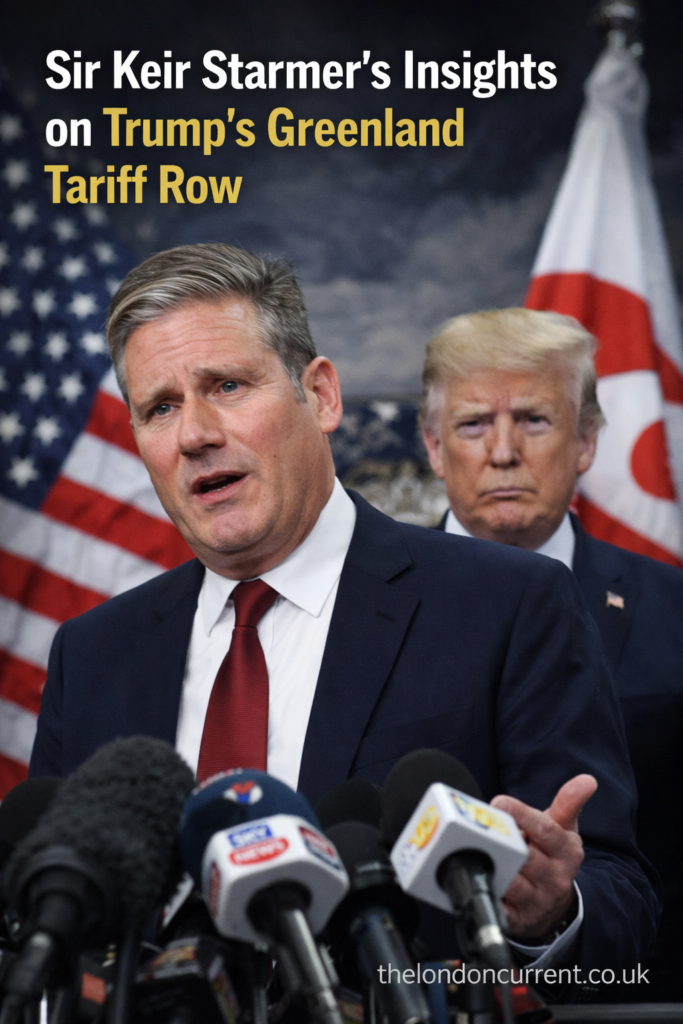
Sir Keir Starmer is at the forefront of political discourse in the UK as he prepares to address the recent diplomatic crises sparked by U.S. President Donald Trump’s actions regarding the Greenland dispute. With tensions escalating, Starmer faces the challenge of articulating the concerns of UK businesses and citizens who are wary of potential increased tariffs due to Trump’s aggressive foreign policy. Recent developments highlight how critical UK-European relations are, with many NATO allies caught in the crossfire of this unfolding saga. As he engages in high-stakes diplomatic talks with European leaders, Starmer aims to convey a message of unity and resilience against what he deems unacceptable tariff threats. His public stance on these matters is significant, effectively positioning the UK within the larger geopolitical landscape influenced by U.S. actions.
In his anticipated announcement, the Labour leader, Sir Keir Starmer, is poised to share insights into the ongoing diplomatic strain felt across Europe following the controversial remarks from President Trump regarding Greenland. The political climate is charged as discussions unfold around potential trade implications and economic stability for the UK, especially in light of Trump’s proposed tariffs affecting various European nations. Starmer’s involvement underscores the importance of international diplomacy in preserving cooperative ties among NATO allies while navigating the complexities of UK and European relations. As he advocates for a collective European response, his responses will not only reflect the nuances of current geopolitical tensions but also seek to reassure the public about the government’s strategies in these unprecedented times. The interplay between international negotiations and domestic implications highlights a crucial aspect of Starmer’s leadership during this tumultuous period.
Sir Keir Starmer Addresses Greenland Dispute and U.S. Tariff Threats
In the face of escalating tensions regarding President Trump’s recent territorial ambitions concerning Greenland, Sir Keir Starmer is poised to address the nation from No. 10. This diplomatic turmoil has prompted many to watch closely how the UK will respond, especially as increased tariffs loom over the relationship with its NATO allies. Starmer’s upcoming speech is expected to clarify the UK’s stance and articulate the broader implications of these threats not only for transatlantic relations but also for UK businesses facing uncertain economic conditions. By acknowledging the interconnectedness of domestic and foreign policy, Starmer seeks to reassure the public that the government is addressing these complexities head-on.
During his conversation with Trump, Starmer emphasized that imposing tariffs would be detrimental to both the UK and the European allies involved. By standing firm against what he deems political coercion, he aims to bolster the UK’s position within Europe and reaffirm its commitment to collaboration. The Labour Party recognizes that the effective navigation of such international crises is pivotal for maintaining strong relationships with European nations, particularly in light of Trump’s threats that have reverberated across diplomatic channels.
UK and European Allies: A Unified Front Against Tariff Threats
As discussions surrounding the Greenland dispute intensify, European governments have started to rally together in response to Trump’s tariff threats. Coordinated diplomatic talks suggest that the EU may formulate a collective response to underline their solidarity against what they perceive as unjust political pressure. This response not only showcases the resilience of European unity but also serves to validate the diplomatic efforts of leaders like Sir Keir Starmer, who are advocating for a robust stance against external coercion. The potential re-imposition of tariffs could risk deteriorating UK European relations, making it all the more critical for leaders to address these issues collaboratively.
The response from European leaders has been notable, with many expressing their unequivocal rejection of Trump’s tactics. By reinforcing their commitment to NATO and their mutual alliance, these nations are sending a clear signal that their democratic principles will not be compromised. Starmer’s role in these discussions not only emphasizes his leadership within the Labour Party but also highlights the importance of his active participation in diplomatic endeavors aimed at safeguarding the interests of the UK and its European allies.
The Impact of Trump’s Greenland Ambitions on Global Diplomacy
President Trump’s aim to acquire Greenland has sparked a wave of international backlash, significantly influencing the diplomatic landscape. The notion that the U.S. would employ tariffs as a means of blackmail against NATO allies is alarming, prompting political observers to point out the unprecedented nature of such tactics in recent history. This situation necessitates an urgent dialogue among global leaders, as they must navigate the complexities of international law and territorial integrity while responding to Trump’s provocative stance. Sir Keir Starmer’s vocal opposition adds an important voice to this critical discourse, advocating for diplomacy over economic sanctions.
Tensions have escalated to the point where European military personnel have begun arriving in Greenland, a direct reflection of the rising concerns over U.S. intentions. The international community must remain vigilant and proactively engage in talks that may help de-escalate the situation. Starmer’s perspectives may be crucial here, as he insists on taking an active role in global discussions to prevent damaging outcomes for the UK and its allies. He is likely to argue that collaboration between European nations and the U.S. is essential not merely for tackling immediate tariff threats, but also for ensuring a stable and equitable international order.
NATO Allies and the Future of Transatlantic Relations
The relationship between NATO allies is being put to the test as the Greenland dispute unfolds. Trump’s tariff threats have not only strained bilateral relations but have also raised questions about the future of the transatlantic alliance. As diplomatic talks commence, Sir Keir Starmer appears committed to reinforcing the UK’s pivotal role within NATO, advocating for a shared approach to address threats to regional stability. The importance of solidarity among NATO countries cannot be overstated, especially as external pressures escalate. Starmer’s dialogue with both European and American leaders underscores his intention to ensure that the UK remains a central figure in these diplomatic discussions.
European leaders have expressed concerns that any retaliatory measures against the U.S. could ultimately backfire, further complicating transatlantic relations. Starmer’s engagement with NATO allies in light of these tariff discussions recognizes the delicate balance leaders must maintain in diplomacy. Cooperation and strategic alignment among NATO countries is essential to defuse tensions while preserving national interests. By championing collective responses, Starmer aims to enhance the UK’s influence within NATO and safeguard against the adverse effects of Trump’s unpredictable foreign policy.
Starmer’s Vision for a Cooperative UK-EU Relationship
As Sir Keir Starmer addresses the looming threats posed by Trump regarding Greenland, he is also focused on articulating a vision for a cooperative relationship between the UK and the EU. The ongoing diplomatic challenges serve as a reminder of the importance of maintaining strong ties with European allies, especially in light of rising global pressures. Starmer’s commitment to engaging in constructive dialogues highlights his belief that unity among European nations is crucial for addressing complex international issues. This perspective is particularly vital as the UK seeks to redefine its position in the global arena post-Brexit.
In his upcoming speech, Starmer is expected to emphasize that the UK’s relationship with the EU should not be treated as a zero-sum game. Rather, it is essential for both parties to work collaboratively to confront external threats, like Trump’s tariff proposals. By advocating for mutual respect and cooperation, he signals to European leaders his dedication to fostering a partnership that can withstand geopolitical challenges. The fragility of current international situations underscores the need for leaders to prioritize diplomacy, further establishing the UK as a key player in navigating the evolving landscape of international relations.
The Influence of the Greenland Dispute on UK Domestic Policy
The ongoing Greenland dispute has not only caught international attention but has also begun to encroach on domestic policies within the UK. As the tensions escalate due to Trump’s tariff threats, Sir Keir Starmer faces increased pressure to reconcile foreign diplomatic challenges with domestic issues, especially those related to the cost of living crisis. His strategy focuses on demonstrating that international relations directly impact the economic wellbeing of the public. Thus, addressing the Greenland row is both a diplomatic and domestic necessity as British citizens seek assurance that their government is actively protecting their interests on the global stage.
Sir Keir is expected to argue that economic stability hinges on diplomatic effectiveness; the more the UK can assert itself in international discussions, the better the outcomes for domestic policies aimed at mitigating financial burdens for families and businesses. The Labour Party recognizes that sound diplomatic strategies can translate into favorable economic conditions at home, reinforcing Starmer’s stance that the issues stemming from the Greenland dispute must be prioritized to ensure a prosperous future for all citizens.
The Role of International Organizations in Addressing the Greenland Crisis
The Greenland controversy raises critical questions about the role of international organizations like NATO and the UN in resolving such high-stakes disputes. As Trump’s ambitions dramatically clash with longstanding diplomatic norms, the significance of these organizations becomes even more apparent. Sir Keir Starmer’s diplomatic efforts will presumably focus on leveraging the influence of international bodies to mediate the ongoing tensions, promoting stability through established protocols. The urgency of the situation necessitates collective action, and the UK’s commitment to engaging with allies within these frameworks is essential for mitigating the risks associated with unilateral actions by global powers.
Starmer’s interactions with key figures in these organizations signify his understanding of their central role in maintaining international order. The upcoming speech may outline his vision for a strengthened collaborative approach among nations to reaffirm the principles that govern diplomacy and cooperation. As the world grapples with increasingly aggressive stances from leaders like Trump, fostering dialogue through platforms like NATO and the UN is crucial to combatting unilateralism and protecting the interests of all nations involved.
Potential Consequences of the Greenland Dispute on Global Trade
The Greenland dispute and the accompanying tariff threats from Trump have far-reaching implications for global trade dynamics. As the UK and its European allies prepare to respond, the risk of a trade war looms large, threatening the fragile economic recovery several nations are endeavoring to maintain. Sir Keir Starmer is likely to emphasize the importance of preserving established trade relationships in his speech, advocating for robust diplomatic engagements that prioritize economic collaboration over divisive tariff strategies. The interconnectedness of global trade makes it imperative for leaders to navigate this crisis tactfully.
Escalating tariffs can have devastating effects not only on the targeted nations but also on the global economy, creating ripple effects that could hinder international commerce. Starmer’s position as a prominent voice against these policies highlights a commitment to fostering dialogue and trade partnerships rather than escalating tensions to unmanageable levels. He may propose initiatives that encourage cooperative trade agreements to mitigate the fallout from the Greenland dispute, reflecting a proactive stance towards promoting a stable trading environment for the UK and its allies.
Sir Keir Starmer’s Call for Unity Among European Nations
In the face of Trump’s aggressive tariff threats and the Greenland dispute, Sir Keir Starmer is likely to make a passionate appeal for unity among European nations. By stressing the importance of solidarity, he aims to reinforce a sense of collective responsibility in responding to foreign pressures. Uniting European allies under a common cause presents an opportunity to showcase resilience against unilateral actions that could harm not only bilateral relationships but also regional stability as a whole. Starmer’s call for collaboration underscores his understanding of the geopolitical landscape and the interconnected challenges that lie ahead.
The aggressive tactics employed by the U.S. raise questions about the future of international alliances, and Starmer’s leadership may be pivotal in navigating these turbulent waters. By advocating for coordinated responses, he seeks to forge stronger ties that extend beyond mere trade negotiations. The emphasis on unity serves to remind international players that the preservation of democracy and mutual respect is paramount, especially in an era marked by heightened aggression from world leaders. Starmer’s perspective reflects a forward-thinking approach that seeks to align European nations towards a shared goal of resilience and cooperation against external threats.
Frequently Asked Questions
What is Sir Keir Starmer’s stance on Trump’s tariff threats over Greenland?
Sir Keir Starmer has publicly stated that he believes Trump’s tariff threats towards the UK and other NATO allies regarding the Greenland dispute are ‘completely wrong.’ He argues that imposing these tariffs would be a mistake and that the UK should not be blackmailed into supporting Trump’s proposed acquisition of Greenland.
How is Sir Keir Starmer addressing the diplomatic upheaval caused by Trump’s Greenland dispute?
In response to the diplomatic tensions surrounding the Greenland dispute, Sir Keir Starmer has been actively engaged in discussions with key European leaders, including the Danish Prime Minister and the President of the European Commission. He aims to reaffirm the UK’s commitment to collaboration with its NATO allies while emphasizing the need to stand firm against coercive tactics from the Trump administration.
What actions is Sir Keir Starmer taking to protect UK businesses from potential US tariffs?
Sir Keir Starmer is advocating for a united front among NATO allies to resist Trump’s tariff threats stemming from the Greenland dispute. He believes that a coordinated response is crucial in protecting UK businesses from potential economic harm. Starmer is also pushing for diplomatic talks that prioritize the interests of the UK and its European partners.
How does the Greenland dispute affect UK-European relations according to Sir Keir Starmer?
Sir Keir Starmer emphasizes that the Greenland dispute has the potential to strain UK-European relations, especially if the UK does not stand firmly against Trump’s tariff threats. He argues that maintaining strong relationships with European allies is essential for effective diplomatic negotiations and addresses broader issues like trade and security.
What role is Sir Keir Starmer playing in NATO discussions over the Greenland issue?
Sir Keir Starmer is playing an important role in NATO discussions by engaging directly with NATO allies and leaders, advocating for a collective response to Trump’s territorial claims and tariff threats over Greenland. His efforts are aimed at ensuring that the UK remains a pivotal player in diplomatic talks within NATO.
How might Trump’s Greenland tariff threats impact Sir Keir Starmer’s domestic agenda?
The geopolitical tensions resulting from Trump’s Greenland tariff threats are likely to divert attention from Sir Keir Starmer’s domestic agenda of addressing cost-of-living issues in the UK. He recognizes that international matters can overshadow domestic policy, which complicates his efforts to directly tackle pressing local concerns for British citizens.
What recent conversations has Sir Keir Starmer had about the Greenland issue?
Recently, Sir Keir Starmer has held conversations with significant global leaders, including those from Denmark and the European Commission. These talks are centered around the Greenland issue, particularly focusing on how to respond effectively to Trump’s tariff threats while preserving strong diplomatic relationships.
What does Sir Keir Starmer expect from European leaders in response to Trump’s Greenland threats?
Sir Keir Starmer expects European leaders to present a united front against Trump’s Greenland tariff threats, advocating for diplomatic talks that reaffirm the importance of sovereignty and cooperation among NATO allies. He is concerned that divided responses could weaken their collective bargaining power.
In what ways does Sir Keir Starmer link international diplomacy to domestic issues?
Sir Keir Starmer links international diplomacy to domestic issues by asserting that active engagement in global discussions helps address pressing local concerns. He believes that responding effectively to international challenges, like the Greenland dispute, strengthens the UK’s position domestically by showcasing strong leadership and fostering stability.
| Key Point | Details |
|---|---|
| Sir Keir Starmer’s Response | Sir Keir Starmer is expected to publicly respond to the U.S. tariff threat and reaffirm his belief that imposing tariffs would be a mistake. |
| Trump’s Greenland Acquisition Attempt | President Trump has suggested imposing tariffs on European allies, including the UK, if they oppose his intention to acquire Greenland. |
| European Leaders’ Stance | European leaders have expressed that Trump’s tariff threats are unacceptable, revealing a potential crisis in transatlantic relationships. |
| Diplomatic Context | The situation has been described as a political coercion against NATO allies, marking unprecedented diplomatic pressures from the U.S. |
| International Relations Implications | The escalating tensions could harm Europe more than the U.S., affecting the UK’s diplomatic standing and ability to address domestic matters. |
| Upcoming Engagements | Sir Keir Starmer planned engagements to address domestic issues but faced interruptions due to the diplomatic crisis over Greenland. |
Summary
Sir Keir Starmer faces a challenging diplomatic landscape as he responds to President Trump’s escalated tariff threats concerning the potential acquisition of Greenland. In these unprecedented times, he must navigate the delicate balance between international relations and domestic priorities, reaffirming his commitment to unity with European allies while addressing the rising concerns of UK businesses and citizens.