
Listen to this article
The recently restored Sir John Tenniel plaque is a remarkable tribute to the legacy of the famous Alice in Wonderland illustrator. Once a fixture of his north-west London residence, this historic green plaque was at risk of being lost forever when the home was demolished in 1959. Fortunately, it was saved and has now been expertly restored by English Heritage, ensuring that the artistry of Tenniel continues to be celebrated in West Kensington. As part of the renowned blue plaques London initiative, this restoration not only honors Sir John Tenniel’s contributions but also enriches West Kensington history. The plaque stands as a testament to the enduring impact of Tenniel’s work, beautifully linking contemporary London to the enchanting world of Lewis Carroll’s timeless tales.
Honoring significant figures of the past, the Sir John Tenniel plaque represents a vital connection to the beloved illustrator known for his imaginative visual narratives in Alice’s Adventures in Wonderland. Its restoration exemplifies the dedication to preserving English heritage, especially as it pertains to notable artists and their contributions to culture. This green marker, representing a slice of West Kensington’s story, is now celebrated under the umbrella of the famed blue plaques initiative that highlights London’s rich historical tapestry. Sir John Tenniel’s remarkable biography, marked by his detailed political cartoons and enchanting illustrations, finds a new lease on life with this plaque reinstatement. The care and craftsmanship that went into its restoration reflect a commitment to remembering the stories that shape our collective history.
The Legacy of Sir John Tenniel in West Kensington
Sir John Tenniel, best known as the illustrious illustrator of Lewis Carroll’s “Alice in Wonderland,” left an indelible mark on the literary and artistic landscape of Victorian England. His illustrations helped define the whimsical and surreal nature of Carroll’s works, making them iconic in children’s literature. Posthumously, Tenniel’s contributions are celebrated, including a dedicated green plaque honoring his residence in West Kensington, where he spent his later years. This area of London not only serves as a backdrop to Tenniel’s life but also embodies the rich tapestry of West Kensington’s history, which was home to numerous artists and intellectuals of the time.
The significance of having a historic plaque dedicated to Sir John Tenniel in West Kensington speaks volumes about the area’s heritage. It reminds current residents and visitors of the cultural giants who have lived within their midst. As the plaque has recently undergone restoration by English Heritage, it stands as a testament to the community’s commitment to preserving its artistic past. The story of its recovery and refurbishment emphasizes the importance of historical artifacts in understanding and appreciating local history, ensuring that the legacy of Tenniel continues to inspire future generations.
Restoration Efforts by English Heritage
The restoration of the plaque dedicated to Sir John Tenniel is a significant undertaking by English Heritage, marking a first in the conservation process for historic plaques. After spending decades in storage following the demolition of Tenniel’s Maida Vale residence, the plaque was rediscovered in a structurally sound condition, although it bore visible scars of time and neglect. English Heritage’s team of conservation specialists meticulously worked to clean and repair the plaque, employing methods that preserved its historical integrity while revitalizing its appearance. This restoration not only enhances the visual appeal of the plaque but also reinstates a piece of cultural heritage into the urban landscape.
In a meaningful nod to history, the work done on this plaque showcases the broader initiative by English Heritage to maintain and restore blue plaques throughout London. This program, which began over 150 years ago, aims to honor figures who have made significant contributions to British culture and society. By carefully restoring Sir John Tenniel’s plaque, English Heritage not only honors the memory of a great illustrator but also reinforces the importance of preserving historical artifacts for future generations to appreciate. The plaque’s reinstallation in West Kensington highlights the crucial role that conservation plays in maintaining London’s rich historical narrative.
West Kensington: A Hub of Artistic Heritage
West Kensington has long been recognized as a vibrant center for artistic expression and intellectual pursuit, with a history intertwined with notable figures like Sir John Tenniel. As one of the original architects of the literary visual experience in the 19th century, Tenniel’s presence in this area adds to its legacy of creativity. It is vital to acknowledge the influence this neighborhood has had on numerous artists and writers over the years, fostering a rich cultural environment. Today, West Kensington stands as a reminder of that artistic heritage, contributing to the narrative of London’s development as a cultural capital.
The installation of the newly restored plaque at 52 Fitz-George Avenue acts as a beacon of West Kensington’s artistic legacy. It invites the public to explore the local history and reflects the area’s appeal to those interested in the arts. This aspect of West Kensington’s identity is particularly celebrated within the local community, demonstrating a collective commitment to honor its historical figures, including not only Tenniel but also many others who have contributed to the fabric of London’s cultural scene. The plaque serves as an educational tool, prompting discussions around West Kensington’s influence on the broader arts scene in the city.
The Role of Blue Plaques in London’s Historical Narrative
Blue plaques have become a widely recognized symbol of historical significance in London, providing an immediate connection between the public and the city’s past. Initiated over 150 years ago, the blue plaque scheme celebrates the lives and achievements of individuals who have affected British culture, politics, and society. Sir John Tenniel’s plaque represents one of countless stories embodied in these markers, illustrating how individuals can profoundly impact community heritage. The significance of these plaques lies not just in the individuals they commemorate but also in their ability to create awareness of London’s illustrious history.
The recent restoration of Tenniel’s plaque by English Heritage exemplifies the ongoing dedication to preserving these cultural treasures. With the rise of urban development and modernization, conserving such artifacts is vital to maintaining a city’s character. The blue plaque initiative helps to foster a sense of pride among residents while educating visitors about the importance of historical figures like Sir John Tenniel. As these plaques gain even more attention, they become central to conversations about London’s rich artistic and literary heritage, making places like West Kensington all the more significant.
Sir John Tenniel: A Closer Look at His Biography
Sir John Tenniel was more than just an illustrator; he was a pivotal figure in Victorian art and literature. Born in 1820, his early experiences and education in London shaped his artistic vision, eventually leading to his most famous illustrations for Lewis Carroll’s beloved tales. Throughout his life, Tenniel also contributed political cartoons during a time of social and political upheaval, giving voice to public sentiment through his art. His dual career in illustration and satire highlights his versatility and has solidified his legacy as a critical commentator on societal issues.
Understanding Sir John Tenniel’s biography enriches the appreciation of his works and illuminates the context in which he created them. As a respected member of artistic circles, he often collaborated with significant literary figures of his time, which allowed him to explore various themes and styles. His contributions to both literature and visual art left an enduring legacy, making him an essential figure in discussions about Victorian culture. The restoration and commemoration of his plaque serve not only as recognition of his achievements but also as an invitation for a deeper exploration of his life and its impact on art and society.
Alice in Wonderland: The Illustrations that Captivated Generations
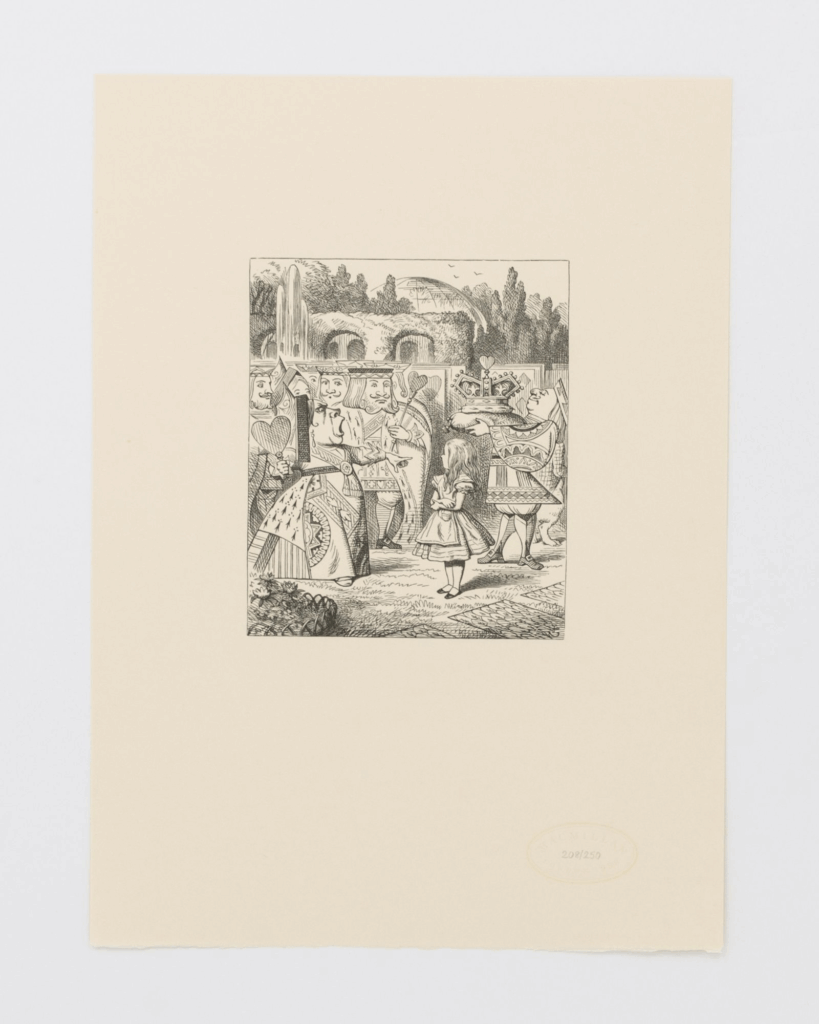
Alice in Wonderland, with its fantastical adventures and bizarre characters, remains a cornerstone of children’s literature, largely due to the captivating illustrations provided by Sir John Tenniel. His skillful representations of Alice, the Mad Hatter, and the Cheshire Cat brought the text to life, creating a visual experience that resonates with readers of all ages. Each illustration not only complements the narrative but also enhances the whimsical and dreamlike qualities that define Carroll’s work. The synergy between Tenniel’s art and Carroll’s prose has created an enduring masterpiece that continues to enchant new generations.
The magic of Tenniel’s illustrations lies in their ability to transcend time and cultural boundaries. Across different adaptations and retellings of the story, his original imagery remains foundational, marking a shared point of reference in the collective consciousness. By restoring the plaque in West Kensington, we celebrate Tenniel’s monumental contribution to this literary canon, ensuring that both his art and the story of Alice in Wonderland continue to inspire creativity and imagination. Just as the blue plaques in London keep the stories of history alive, Tenniel’s illustrations keep the spirit of wonder alive among readers today.
Preserving London’s History Through Cultural Artifacts
Cultural artifacts, such as the restored plaque honoring Sir John Tenniel, play a crucial role in preserving the history of places like London. These physical markers not only celebrate significant individuals and events but also foster a deeper understanding of the social and cultural dynamics that have shaped the city. Each plaque tells a story; from the artists to political activists, these markers create a rich tapestry of London’s past. By commemorating figures like Tenniel, we ensure that their contributions are not forgotten and that their legacies continue to influence future generations.
The meticulous work undertaken by organizations like English Heritage is vital for safeguarding these pieces of history. The process of restoration reflects a commitment to maintaining the cultural narratives that define communities, fostering a sense of continuity amid change. As urban landscapes evolve, the preservation of artifacts such as blue plaques serves as a reminder of the city’s rich artistic and cultural heritage. In reestablishing the plaque dedicated to Sir John Tenniel, London not only honors its illustrious history but also reinforces the importance of cultural preservation in shaping identities and promoting communal pride.
The Impact of Sir John Tenniel on Modern Illustration
Sir John Tenniel’s influence extends well beyond his lifetime, significantly shaping modern illustration practices. His meticulous attention to detail and ability to evoke emotion through his imagery set a benchmark for illustrators across generations. Tenniel’s innovative techniques in marrying text with illustration in works like Alice in Wonderland have inspired contemporary artists to explore similar synergies, bridging the gap between narrative and visual storytelling. His accomplishments highlight the role of illustration not just as an accessory to literature but as a vital part of its identity.
Moreover, Tenniel’s political cartoons illustrate how art can comment on and reflect societal truths rather than simply represent whimsical tales. His fearless portrayal of the political landscapes of the time established a foundation for modern cartoonists and illustrators who continue to engage with current events through satire and social commentary. By recognizing Tenniel through initiatives like the blue plaques scheme, we not only celebrate his artistic genius but also acknowledge the lasting impact his work has had on modern visual culture.
Frequently Asked Questions
What is the significance of the Sir John Tenniel plaque in West Kensington?
The Sir John Tenniel plaque in West Kensington commemorates the famous illustrator of ‘Alice in Wonderland’ and marks the location where he spent his final years. Its restoration by English Heritage highlights the importance of preserving historical markers that celebrate cultural contributions.
Where can I find the restored Sir John Tenniel plaque?
The restored Sir John Tenniel plaque is mounted at 52 Fitz-George Avenue in West Kensington, London. This location was significant as it was where Tenniel lived during his later years.
What does the Sir John Tenniel plaque look like after restoration?
After restoration by English Heritage, the Sir John Tenniel plaque maintains its original green color, displaying a historic charm consistent with the London blue plaques scheme, despite having undergone careful repairs to address previous damages.
How was the Sir John Tenniel plaque restored?
The Sir John Tenniel plaque was restored by conservation specialists from English Heritage, who cleaned the surface, removed old mortar, and meticulously repaired the glaze using dry pigments and stone powders to recreate its original appearance.
What does the restoration of the Sir John Tenniel plaque mean for West Kensington’s history?
The restoration of the Sir John Tenniel plaque is a significant addition to West Kensington’s history, celebrating the legacy of the esteemed illustrator and reinvigorating public interest in local heritage as part of the broader context of London’s blue plaques program.
Who was Sir John Tenniel, and why is he important?
Sir John Tenniel was a prominent English illustrator known for his work on ‘Alice’s Adventures in Wonderland’ and ‘Through the Looking-Glass.’ He is celebrated for his artistic contributions and political cartoons, making the Sir John Tenniel plaque an important reminder of his influence.
What is the history behind the Sir John Tenniel plaque’s original location?
The original location of the Sir John Tenniel plaque was at his residence in Maida Vale, which was demolished in 1959. Fortunately, the plaque was salvaged and stored, allowing it to be restored and relocated to its new site in West Kensington.
How does the Sir John Tenniel plaque fit into the London blue plaques scheme?
Although the Sir John Tenniel plaque is green, it is a part of the London blue plaques scheme, which has recognized notable figures for over 150 years. This initiative aims to preserve and highlight the achievements of prominent individuals in London’s rich history.
| Key Points |
|---|
| A green plaque salvaged from Sir John Tenniel’s former residence in north-west London. |
| The plaque was saved from disposal during the demolition of the Maida Vale home in 1959 due to damage. |
| After nearly 100 years, the plaque was restored by English Heritage and reinstalled in West Kensington. |
| Sir John Tenniel was renowned for illustrating ‘Alice’s Adventures in Wonderland’ and his political cartoons. |
| The plaque was found to be structurally sound but had visible damage. |
| Conservation work included cleaning and recreating the original green glaze. |
| This is the first historic plaque conserved and reinstalled by English Heritage after such an extended absence. |
| The plaque is now located at 52 Fitz-George Avenue in West Kensington. |
| The plaque is part of the London-wide blue plaques scheme, which has been around for 150 years. |
Summary
The Sir John Tenniel plaque, a remarkable artifact from the illustrator’s life, has recently undergone a transformative restoration and is now proudly displayed in West Kensington. Originally salvaged from his demolished residence, the plaque represents not only Tenniel’s legacy in the world of art but also the efforts of English Heritage to preserve London’s rich historical narrative. Its restoration marks an important milestone, showcasing the dedication to conserving pieces that form our cultural identity.