Listen to this article
Sir Andreas Whittam Smith, renowned as a co-founder of The Independent newspaper, has passed away at the age of 88, as confirmed by his family. A pivotal figure in British journalism, Whittam Smith helped launch The Independent in 1986, transforming the landscape of Fleet Street forever. His commitment to providing unbiased news coverage led the newspaper to break away from the traditional ties of political affiliations, an innovation praised by many, including BBC’s Amol Rajan, who lauded him as a “radical and a pioneer.” In a heartfelt tribute, Rajan reflected on how Sir Andreas profoundly impacted British journalism, stating that his work ushered in a new era for the industry. Surrounded by loved ones until his final moments, Sir Andreas leaves behind his wife, two children, and three grandsons, marking the end of an era in financial journalism and a significant chapter in the history of The Independent newspaper.
The recent passing of Sir Andreas Whittam Smith has sparked widespread remembrance of his influential role in shaping modern media. Known for his innovative approach to journalism, he played a crucial role in the founding of The Independent, a publication that sought to offer a purely independent voice in a politically charged environment. His contributions to British print media and fleet street culture cannot be overstated; Whittam Smith’s vision transcended traditional journalism, championing impartiality in news reporting. As a prominent financial journalist, he navigated through key positions at notable publications before ultimately redefining the standards of journalistic integrity. This legacy invites reflection on how his work has inspired generations of journalists and continues to impact the field today.
The Legacy of Sir Andreas Whittam Smith in British Journalism
Sir Andreas Whittam Smith, a pioneering figure in British journalism, co-founded The Independent newspaper, which launched in 1986. His work transformed the landscape of print media in the UK, departing from traditional affiliations with political parties. This significant shift allowed The Independent to carve out a unique identity and appealed to a readership seeking impartial news coverage. Through his commitment to journalistic integrity, Smith paved the way for a new era of reporting, where facts triumphed over political allegiance.
His remarkable career included positions at prestigious publications like The Financial Times and The Guardian, which equipped him with insights that he would later apply to The Independent. Sir Andreas’s ability to blend acute financial analysis with narrative journalism is what set him apart from his contemporaries. The tribute from Amol Rajan captures this essence—Smith not only reported the news of the day but also shaped public discourse, achieving a lasting influence within Fleet Street that will be remembered for generations.
The Independent Newspaper and Its Impact on Fleet Street
The Independent newspaper, under the stewardship of Sir Andreas Whittam Smith, challenged the status quo of Fleet Street. By positioning itself as a publication free from political alliances, it exemplified the changing dynamics of British journalism in the late 20th century. The paper’s slogan, ‘The Independent. It is. Are you?’ struck a chord with readers seeking authenticity in reporting. This shift from traditional partisan reporting to a more nuanced approach was revolutionary, reflecting a broader societal desire for objective journalism.
The Independent’s legacy is deeply intertwined with the identity of Fleet Street, especially during a time when media was rapidly evolving. Sir Andreas’s vision of an independent, unbiased newspaper resonated with a public weary of sensationalism and bias. As reported by media analysts, the paper not only represented the zeitgeist of the time but also forecasted the future of news consumption, setting a precedent that many modern publications strive to emulate.
Tributes and Remembrance of Sir Andreas Whittam Smith
The passing of Sir Andreas Whittam Smith has led to an outpouring of tributes from across the media landscape, reflecting his profound impact on journalism in Britain. Colleagues and admirers alike have recognized him as a radical thinker who reshaped the way news is produced and consumed. Amol Rajan’s acknowledgment of Smith as a ‘pioneer’ in journalism encapsulates the feelings of many who have come to appreciate the legacy he leaves behind through The Independent.
Smith’s commitment to journalistic excellence extended beyond mere reporting; he was also a champion of media ethics and integrity. His ability to balance financial journalism with a strong moral compass set a high bar for others in the field. The recognition of his contributions comes not just from within the profession but also from the public, who benefited from an independent voice that prioritized truth over partisan interests. As the industry reflects on his legacy, there is a collective hope that new generations of journalists will carry forward his values.
Sir Andreas Whittam Smith: A Financial Journalist Ahead of His Time
Before co-founding The Independent, Sir Andreas Whittam Smith established himself as a formidable financial journalist at The Daily Telegraph, where he covered economic issues with clarity and insight. His experiences laid a crucial foundation for understanding the complexities of finance, which he later infused into The Independent’s content. His analyses helped demystify intricate financial topics for the general public, ensuring that critical issues were accessible and understandable.
As a financial journalist, Smith understood the role of economics in shaping society. He employed his expertise not just to inform readers but also to challenge prevailing narratives, advocating for transparency and accountability in financial reporting. His legacy in financial journalism is evident in the way modern financial reporting now embraces depth and inquiry, striving to educate rather than merely inform. Smith’s work serves as a testament to the vital link between finance and the public interest.
The Role of Religion in Sir Andreas Whittam Smith’s Life
Beyond his journalism career, Sir Andreas Whittam Smith had a profound connection to religion, serving as the First Estates Church Commissioner from 2002 to 2017. This role tasked him with managing the Church of England’s significant financial assets and underscored his belief in the intersection of ethics and finance. His ecclesiastical responsibilities revealed him as a figure of integrity within both journalism and religious communities, often reflecting on how these roles influenced his worldview.
The duality of his career—managing investment portfolios while championing journalistic ideals—highlights the complexities of his personality. He was seen as a ‘saintly’ figure on Fleet Street, respected not only for his professional achievements but also for his moral authority. His belief that journalism can be a force for good was mirrored in his commitment to the Church, where he sought to apply the same principles of truth and accountability. This blend of financial acumen and religious ethos made him a unique presence in British media.
Andreas Whittam Tribute: Reflection on a Trailblazer
The recent tributes to Sir Andreas Whittam Smith showcase the multifaceted nature of his contributions to journalism and public life. Colleagues have lauded him as a trailblazer who pushed boundaries in an industry often criticized for its shortcomings. These tributes serve not only as a reflection of his professional achievements but also as a celebration of his character as an individual of great integrity and compassion.
In addition to his achievements, the personal stories shared by those who knew him reveal a man dedicated to fostering talent and mentorship in journalism. His ability to inspire others to pursue their truth and challenge the narrative is part of the enduring legacy he leaves behind. The collective memories of Smith highlight the impact he had on shaping a more open and honest media landscape in Britain.
Sir Andreas Whittam Smith: The Church and Its Influence
Sir Andreas Whittam Smith’s tenure as the First Estates Church Commissioner is a lesser-known yet significant part of his legacy. In overseeing the Church of England’s investments, he maintained a strong focus on ethical considerations, setting a precedent for how financial decisions can align with social responsibility. His involvement in church affairs demonstrated his belief in the church’s capacity to enact positive change, thereby influencing both religious and civic realms.
His ecclesiastical role also provided him with a platform to advocate for greater transparency within religious institutions. Drawing on his journalistic background, Smith championed initiatives that sought to shed light on the Church’s financial practices, ensuring accountability and ethical stewardship. By blending his roles in journalism and religion, he illustrated how the two could work together to effect meaningful change, fostering a legacy of integrity that will resonate for years to come.
The Influence of Thatcher’s Britain on The Independent’s Editorial Direction
The Independent, established during the rise of Margaret Thatcher’s government, was shaped significantly by the socio-political climate of its time. Sir Andreas Whittam Smith astutely recognized that the newspaper needed to capture the spirit of an era defined by economic liberalism and social change. While the publication was often at odds with Thatcher’s policies, it reflected the complexities and contradictions present in the attitudes of the British public.
The Independent sought to challenge the political landscape, embodying a spirit of inquiry and dissent. Regions of dissent within British society found a voice through its pages, allowing readers to engage with political discourse critically, a legacy that lingers even today. This tension between the prevailing political views of the time and the newspaper’s independent stance is a testament to the journalistic ethos Sir Andreas championed throughout his career.
Sir Andreas Whittam Smith’s Role at the British Board of Film Classification
In addition to his journalism, Sir Andreas Whittam Smith served as the President of the British Board of Film Classification, where he faced the challenging task of overseeing film ratings. This position showcased another dimension of his multifaceted career, blending cultural stewardship with his commitment to ethical discretion. His decisions in this role often sparked debates about cultural norms and censorship, marking him as a pivotal figure in the realm of media governance.
His controversial approval of films like the remake of ‘Lolita’ generated public discourse around the intersections of morality and artistic expression. Smith’s reflections on being labeled an ‘urbane liberal’ highlight the complexities of balancing personal values with public expectations. Through this role, he not only influenced the film industry but also underscored the broader implications of media regulation in a rapidly changing world—demonstrating his understanding of the responsibility that comes with media influence.
Frequently Asked Questions
What impact did Sir Andreas Whittam Smith have on British journalism?
Sir Andreas Whittam Smith profoundly transformed British journalism by co-founding The Independent newspaper in 1986, which challenged the status quo of partisan reporting. His commitment to impartial journalism is often credited for reshaping Fleet Street’s landscape and influencing future journalistic standards.
How did Sir Andreas Whittam Smith contribute to The Independent newspaper?
As a co-founder of The Independent, Sir Andreas Whittam Smith played a crucial role in its launch and development, positioning it as the first major British newspaper not aligned with any political party, thus revolutionizing the journalistic approach in the UK.
What was Sir Andreas Whittam Smith’s legacy in relation to Fleet Street?
The legacy of Sir Andreas Whittam Smith in Fleet Street is marked by his innovative spirit and dedication to ethical journalism. His work with The Independent symbolized a departure from traditional party politics in reporting, earning accolades for his radical and pioneering contributions to the media.
How did Sir Andreas Whittam Smith’s background influence his journalism?
With a rich background as a financial journalist for publications like The Daily Telegraph, Sir Andreas Whittam Smith brought a unique perspective to journalism. His experience in various newspapers, including The Guardian and the Financial Times, enriched his editorial approach at The Independent and emphasized accuracy and independence.
What honors did Sir Andreas Whittam Smith receive for his service?
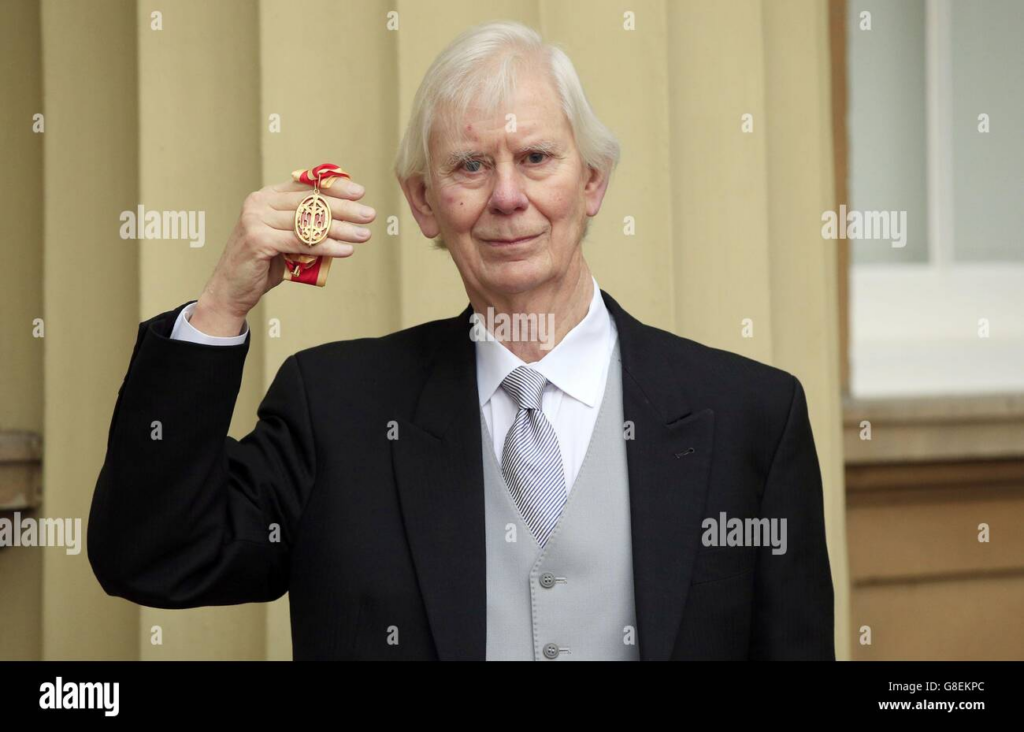
Sir Andreas Whittam Smith was honored with the title of Commander of the British Empire in 2002 for his public service, particularly for his role in overseeing the Church of England’s investments. He was knighted in 2015, acknowledging his significant contributions to British journalism and public life.
What role did Sir Andreas Whittam Smith play in the Church of England?
Sir Andreas Whittam Smith served as the First Estates Church Commissioner from 2002 to 2017, where he managed the Church of England’s substantial investment portfolio. His ecclesiastical influence positioned him as a significant figure within both religion and journalism on Fleet Street.
What was Sir Andreas Whittam Smith’s viewpoint on journalism and politics?
Sir Andreas Whittam Smith advocated for journalism free from political affiliations, which he demonstrated through The Independent’s founding principles. He believed that journalism should serve the public interest without bias, a view that marked a significant shift in British newspaper culture.
What is a notable quote from Sir Andreas Whittam Smith about his journalistic identity?
In a 2002 interview, Sir Andreas Whittam Smith remarked on being labeled as an ‘urbane liberal’ by the Daily Mail for his role in film censorship, expressing his pride in the term ‘urbane’ as a counter to the negative perceptions associated with his ecclesiastical role.
How did Sir Andreas Whittam Smith react to his portrayal in media?
Sir Andreas Whittam Smith expressed satisfaction with the term ‘urbane’ used to describe him during a controversial period in his career, illustrating his awareness of media portrayal and personal branding in the public eye.
What significant moments in journalism did Sir Andreas Whittam Smith experience?
Sir Andreas Whittam Smith witnessed and influenced significant moments in journalism, including The Independent’s launch, which was a ‘thrilling moment in the history of Fleet Street’, as described by BBC’s Amol Rajan, highlighting the evolving nature of print media.
| Key Point | Details |
|---|---|
| Sir Andreas Whittam Smith’s Death | Passed away at age 88 on November 29, surrounded by family. |
| Co-Founder of The Independent | Helped launch the newspaper in 1986 with Stephen Glover and Matthew Symonds. |
| Significant Contribution to Journalism | Described as a radical pioneer, transforming British journalism for the better. |
| Influence and Legacy | The Independent was the first UK paper not aligned with a political party, representing ‘the zeitgeist of print’. |
| Religious Commitment | Served as First Estates Church Commissioner from 2002-2017, overseeing Church of England investments. |
| Public Service Recognition | Knighted in 2015 and recognized for his service to the Church of England. |
Summary
Sir Andreas Whittam Smith, a notable figure in British journalism and co-founder of The Independent, leaves behind a profound legacy following his recent passing at the age of 88. His revolutionary contributions to print media have not only shaped the landscape of journalism in the UK but also reflected the evolving nature of public discourse during his tenure. Smith’s commitment to independent journalism and his multifaceted roles, including service within the Church of England, underscore the impact he had on both media and society. His commitment to the principles of independence in reporting, and the ethos he instilled in The Independent, will continue to resonate in the world of journalism.