Listen to this article
Sinaloa cartel violence has escalated dramatically in recent years, plunging parts of Mexico into chaos and fear. In the heart of Culiacán, a city that once thrived with life, a persistent crime wave has taken hold, fueled by brutal drug cartel warfare over territory and power. As powerful leaders like “El Mencho” are apprehended, their absence ignites fierce battles among rival factions, leaving a trail of bloodshed and devastation. The effects of cartel violence are profound, not only claiming lives but also pushing communities further into despair. With fentanyl trafficking at its core, these violent clashes are a stark reminder of the ongoing struggles that plague the Mexican drug wars and the urgent need for solutions to restore peace and safety in affected areas.
The violence attributed to the Sinaloa cartel, one of the most notorious drug trafficking organizations in Mexico, has markedly reshaped the societal landscape of regions like Culiacán. Often referred to as a hotbed of cartel activity, this city showcases the harrowing consequences of inter-gang conflicts and the fight over lucrative drug routes. The ongoing clashes spill over into civilian life, illustrating the broader implications of such warfare on everyday citizens. With illegal substances like fentanyl fueling the fire, the ramifications extend beyond borders, affecting populations in the United States and beyond. Addressing this crisis requires a multifaceted approach that not only confronts organized crime but also supports the communities caught in the crossfire.
The Rising Tide of Sinaloa Cartel Violence
The recent surge in violence attributed to the Sinaloa cartel has turned Culiacán into a veritable war zone, showcasing the brutal reality of drug cartel warfare that affects everyday life. As power struggles escalate following the imprisonment of key leaders, including Ismael “El Mayo” Zambada, rival factions intensify their conflict, leading to a tragic increase in violent crime. Reports indicate that paramedics have faced a staggering 70% rise in call-outs, clearly illustrating the deadly consequences that these shifts in cartel dynamics have on the local population.
The brutal violence reportedly includes attacks on innocent bystanders, where schools and hospitals become battlegrounds. The legacy of familial ties within the Sinaloa cartel has been shattered, leaving behind a chaotic environment plagued by fear and mistrust. Culiacán’s streets, once filled with the sounds of life, have become ominously silent as citizens grapple with the horror of constant threat. According to eyewitness accounts, the fear permeates every corner of the city, a grim reminder of the cost of cartel violence on the community’s psyche.
Understanding the Effects of Cartel Violence in Culiacán
The human cost of cartel violence in Culiacán underscores the urgent need for comprehensive solutions. Each violent incident not only claims lives but also leaves families shattered and communities devastated. Mothers, like Reynalda Pulido, continue searching for missing loved ones, encapsulating the sense of grief and desperation that is prevalent in the region. The ongoing violence serves as a stark reminder of the toll that drug trafficking has taken on society, with mothers grieving for their children while battling everyday fear and uncertainty.
Authorities struggle to contain the chaos amid escalating incidents of kidnappings, executions, and torture. As seen in countless reports, the violence extends beyond mere statistics; it transforms into a reality where children are at risk, and normalcy seems a distant memory. With each lost life, the repercussions strengthen the grip of fear, making the community question what the future holds in a city littered with the shadows of past injustices.
The Fentanyl Epidemic and Its Role in Violence
At the heart of the Sinaloa cartel’s operations lies the devastating fentanyl epidemic, which plays a significant role in fueling violence within Culiacán. The cartel, having shifted from producing pills to more concentrated powder forms, is poised to exploit the increasing demand crossing over into the United States. This lucrative trade not only finances the ongoing cartel wars but also perpetuates a cycle of addiction that claims countless lives, both in Mexico and beyond.
The material incentives tied to fentanyl trafficking exacerbate existing tensions, resulting in fierce battles among competing factions eager to control this profitable market. As the fentanyl trade grows, so does brutality in the contest for dominance, leading to horrifying scenes of violence and destruction. The implications of such greed extend into the community, where families mourn losses and communities suffer because of the cartel’s reckless ambition.
The Legacy of Drug Cartel Warfare
The legacy of drug cartel warfare in Culiacán goes beyond the violence itself; it seeds a culture of fear and despair that resonates across generations. Reports indicate that the average homicide rate remains alarmingly high, underscoring the grim reality for residents who must navigate a landscape fraught with danger. What was once a united family within the cartel has devolved into ruthless factions, each vying for control and leaving millions in their wake to endure the consequences of their violent competition.
Previous attempts by the Mexican government to stabilize the situation have yielded minimal success, as seen by the ongoing violence despite heavy military presence. This legacy of instability breeds further unrest, creating an environment where hope is scarce and the future remains unclear. Citizens are left to wonder if the cycle of violence will ever be broken, as they face the daily challenge of living under the shadow of fear instilled by cartel warfare.
Kidnapping Crisis in Culiacán
Kidnapping has emerged as a pervasive threat in Culiacán, embodying the dire human consequences of cartel violence. Reports indicate that families live in a constant state of anxiety, knowing that any member could fall victim to this heinous crime. The plight of mothers searching for their missing children showcases the profound psychological toll endured by family members left behind. These alarming incidents are intricately tied to the ongoing power struggles within the Sinaloa cartel, where kidnapping serves as a tool to instill fear and exert control over rival factions and the community.
The horrific reality of kidnapping extends beyond mere abductions; it represents the broader issues of violence and terror perpetrated by drug cartels. The gruesome fates that oftentimes await victims underscore the urgent need for action. As the public grapples with the daily implications of living under this threat, a sense of community solidarity emerges among those determined to advocate for change, as they seek justice for the innocent caught in this vicious cycle.
Witness Accounts: Daily Life Under Threat
Witness accounts from paramedics and local journalists documenting the violence reveal a chilling daily routine intertwined with the reality of cartel warfare. Emergency responders, like Héctor and Julio, have witnessed firsthand the fallout of shootings and violent encounters, reinforcing the urgent need for support and resources. Such experiences shape their work into a constant battle against the terror instilled by the Sinaloa cartel, emphasizing the dangers of simply trying to help others amidst the chaos.
Moreover, local journalists provide an invaluable perspective, shedding light on the stories of both the victims and the perpetrators. These accounts depict a grim landscape where life and death are determined by the whims of cartel factions. As they navigate the complexities of reporting in such a volatile environment, their commitment to uncovering the truth stands as a testament to the resilience of those who dare to face the reality of cartel violence and its profound impact on Culiacán.
The Role of the Mexican Government in Combating Cartel Violence
The government’s efforts to combat cartel violence in Sinaloa have often been met with criticism, as citizens question the efficacy of military interventions in an environment deeply rooted in drug trafficking. Despite promises of stabilizing the region, the ongoing fear and violence suggest that the solutions provided fall short. As power struggles continue, local residents find themselves torn between a desire for security and the persistent reality of gang warfare ensnaring their lives.
The need for comprehensive strategies that address the underlying issues of poverty, education, and social inequality becomes increasingly apparent. As the government battles with the intricacies of cartel influence, there is a pressing need for collaboration between law enforcement, community leaders, and affected families. Only through an informed and united approach can the Mexican government hope to break the cycle of violence afflicting regions like Culiacán.
Community Initiatives Against Drug Cartel Influence
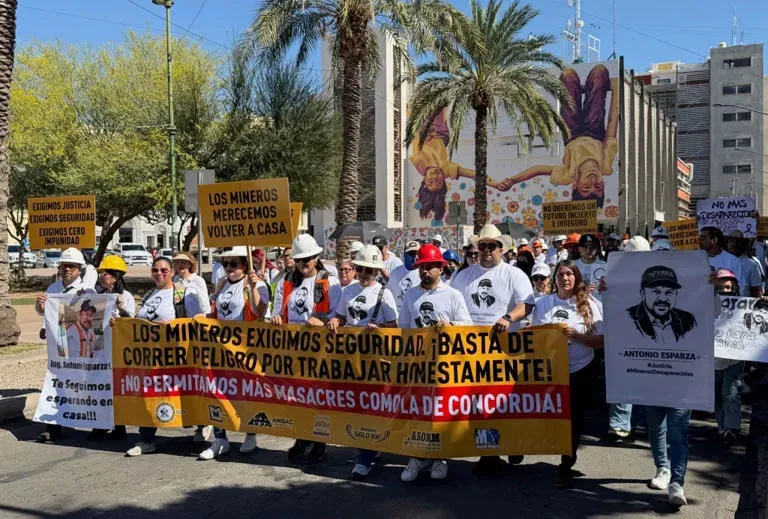
In response to the devastating effects of cartel violence, community initiatives have emerged as a beacon of hope for residents in Culiacán. Groups like “Mothers Fighting Back” exemplify the strength and resilience of those who refuse to be silenced by fear. These grassroots movements confront the violence head-on, taking to the streets to raise awareness and support for victims in their quest for justice.
These local movements play a crucial role in shaping public discourse around the issues of missing persons and cartel violence. Through organizing searches for loved ones and advocating for policy changes, communities unite in a powerful stand against the cartel’s grip. Their tenacity serves as a reminder that even amidst chaos, the human spirit perseveres, as neighbors come together to restore a sense of safety and belonging in the wake of cartel domination.
The Future of Culiacán: Hope Amidst Despair
Despite the overwhelming challenges posed by cartel violence, glimpses of hope persist in Culiacán’s fight for stability and safety. The community’s resilience fosters a belief that change is possible, as local initiatives continue to emerge and grow stronger. As more residents become involved in advocating for peace, the seeds of a brighter future take root amid the despair wrought by drug cartel warfare.
Furthermore, the international community’s ongoing attention to the situation in Mexico signifies a potential shift toward meaningful change. Collaborative efforts among governments, NGOs, and citizen groups may pave the way for innovative solutions that address the complexities of cartel influence. In Culiacán, the spirit of hope persists, suggesting that even in the face of brutal violence, a collective will for transformation can lead to a better future for generations to come.
Frequently Asked Questions
What impact has Sinaloa cartel violence had on Culiacán and its residents?
Sinaloa cartel violence has transformed Culiacán into a war zone, significantly impacting the safety and daily lives of its residents. As power struggles intensify following the removal of key leaders, the crime wave has led to increased shootings, kidnappings, and a pervasive atmosphere of fear. Emergency responders report a 70% rise in violent incidents, with bystanders frequently caught in the crossfire.
How has the Culiacán crime wave contributed to the ongoing Mexican drug wars?
The Culiacán crime wave is a crucial aspect of the broader Mexican drug wars, highlighting the violent power struggles within the Sinaloa cartel. Following betrayals among cartel leaders, factions are fighting for control, resulting in heightened violence and significant collateral damage. This shift in power dynamics exacerbates the ongoing conflict as different factions vie for dominance.
What are the effects of cartel violence on families in Sinaloa?
The effects of cartel violence on families in Sinaloa are devastating. Many families are torn apart by the loss of loved ones, disappearances, and kidnappings. Mothers, like Reynalda Pulido, are actively searching for their missing children, driven by despair and the need for justice. The emotional toll and trauma inflicted by daily violence leave lasting scars on communities.
How is fentanyl trafficking connected to Sinaloa cartel violence?
Fentanyl trafficking is a primary driver of Sinaloa cartel violence, as the lucrative market for this synthetic opioid fuels fierce competition among cartel factions. The Sinaloa cartel has become a major player in fentanyl production, spurring violence as different groups attempt to assert control over distribution networks, leading to an increase in brutal acts against rivals.
What are authorities doing to combat Sinaloa cartel violence and its repercussions?
Authorities have deployed thousands of troops to Sinaloa in an attempt to combat the escalating violence and curb the influence of the cartel. Efforts include establishing military checkpoints and heightened surveillance. However, the persistent internal conflicts within the cartel often complicate these measures, making it challenging to achieve lasting peace.
How can understanding the effects of cartel violence assist in resolving the Mexican drug crisis?
Understanding the effects of cartel violence is essential for addressing the Mexican drug crisis. By recognizing the root causes, such as poverty, lack of opportunity, and the powerful influence of drug trafficking, strategies can be developed to address these issues. Comprehensive approaches involving community support, law enforcement, and economic development are necessary to break the cycle of violence.
What role do bystanders play in the increase of Sinaloa cartel violence?
Bystanders often become innocent victims in the rise of Sinaloa cartel violence, as seen in numerous shootings where individuals were caught in the crossfire. This collateral damage highlights a grim reality, where the violent struggles of cartels pose a direct threat to the safety of civilians in the area.
What steps are being taken to search for victims of Sinaloa cartel violence?
Groups like Mothers Fighting Back are actively searching for victims of Sinaloa cartel violence, conducting searches for missing persons in abandoned sites and other suspected locations. These grassroots efforts often happen in tandem with military escorts to provide protection while they seek justice for their loved ones.
How does the removal of cartel leaders affect Sinaloa cartel violence?
The removal of cartel leaders, such as Ismael ‘El Mayo’ Zambada, can lead to a power vacuum that triggers increased violence as factions within the Sinaloa cartel battle for control. This internal strife contributes to an uptick in violent incidents, as rivalries escalate and new power dynamics emerge within the cartel.
What potential solutions exist for ending cartel violence in Sinaloa?
Ending cartel violence in Sinaloa may require multifaceted solutions, such as enhancing social programs to address poverty, increasing law enforcement accountability, and fostering community resilience against cartel influence. Additionally, addressing the demand for drugs in both Mexico and the United States is crucial to dismantling the systems that enable cartel violence.
| Key Points | Details |
|---|---|
| Current Violence | Culiacán is experiencing severe violence due to power struggles within the Sinaloa cartel, leading to increased homicides and kidnappings. |
| Impact on Civilians | The violence affects daily life, with schools and hospitals becoming targets, and paramedics constantly responding to shootings. |
| Economic Angle | The Sinaloa cartel’s operations, particularly in producing fentanyl, are tied to a billion-dollar drug trade impacting both Mexico and the US. |
| Calls for Action | Residents and activists are demanding more government intervention and support for searching for missing loved ones amid rising death tolls. |
| Government’s Response | The Mexican government has increased military presence in Sinaloa but faces criticism over its effectiveness in controlling the violence. |
Summary
Sinaloa cartel violence significantly impacts the lives of residents in the region, as constant fear prevails amid territorial disputes among rival factions. The recent power struggle following the arrest of key cartel leaders has escalated violence, resulting in gruesome attacks that disrupt the community’s safety. Civilians suffer from the dire consequences of this cartel warfare, exemplified by the trauma experienced by families and the alarming rise in disappearances. Efforts from the government and civil society to address this violence continue, though many feel that they are insufficient in restoring peace to Sinaloa.