Listen to this article
Have you noticed that your favorite chocolate treats seem to be getting smaller? The phenomenon known as shrinkflation chocolate is becoming increasingly common, where manufacturers reduce the size of their products while simultaneously hiking up prices. Recent reports indicate a considerable chocolate price increase in various popular brands, leaving consumers questioning whether their beloved snacks taste as they once did. This situation is exacerbated by what’s being described as skimpflation chocolate, where companies are substituting more expensive ingredients with cheaper alternatives, impacting the overall quality and taste of these products. As we delve deeper into the chocolate market trends, many fans are left wondering if they can still enjoy the same sweet pleasures this festive season.
Many consumers are starting to notice an unsettling trend in their favorite confectionery: the reduction in chocolate bar sizes and shifts in recipes. This trend, often referred to as product downsizing or skimpflation, has led to an alarming perception that the delightful treats they once cherished are not only dwindling in size but also in chocolatey richness. Market conditions and rising ingredient costs have prompted companies to make tough decisions, including altering classic recipes. As prices soar, chocolate lovers are left grappling with the impacts of these changes, and the quest for transparency in ingredient quality becomes more critical than ever. Understanding these shifts in the chocolate landscape is essential for consumers looking to make informed choices while navigating these turbulent market waters.
Understanding Shrinkflation in Chocolate Products
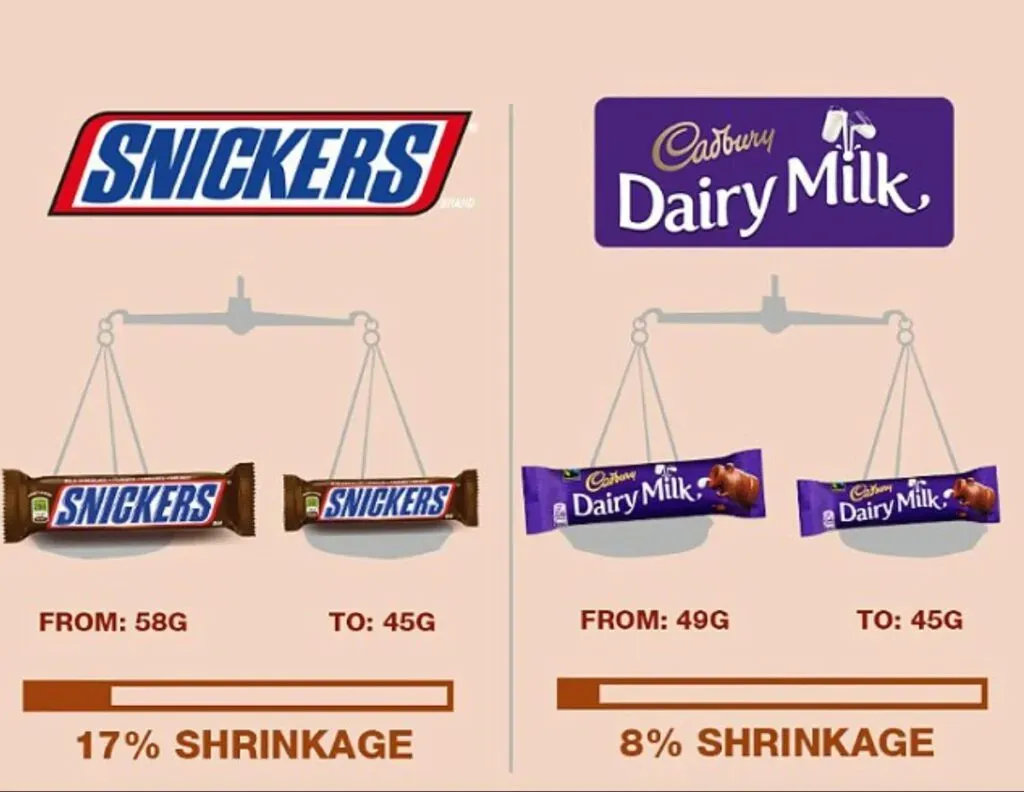
Shrinkflation refers to the phenomenon where the size of a product is reduced while the price remains the same, or even increases. In the chocolate industry, consumers may have noticed that their favorite treats, such as Cadbury Dairy Milk and Mars Celebrations, have become smaller. This trend is attributed to rising production costs, particularly for cocoa and dairy, which have surged due to climate change and supply chain disruptions. As manufacturers look for ways to maintain profit margins amid these rising costs, reducing the size of chocolate products becomes a practical strategy.
The term ‘skimpflation’ has surfaced as a way to describe these changes, where companies cut back on quality or size to cope with increasing ingredient prices. For instance, Cadbury’s Chocolate has reportedly changed recipes, with many consumer taste tests noting a shift in flavor. Such adjustments can leave customers disillusioned, as they expect their favorite brands to maintain quality despite external pressures. Awareness of shrinkflation is essential for consumers who want to make informed choices about their chocolate purchases.
The Impact of Rising Chocolate Prices
Chocolate prices have surged dramatically, with reports indicating an average increase of over 18% in supermarkets compared to previous years. This is largely due to the increased costs of raw ingredients like cocoa and milk, which are directly impacted by environmental factors and market trends. For instance, global weather changes have devastated cocoa yields, pushing companies to either raise prices or reduce sizes to maintain profitability. Notably, popular chocolate brands such as Mars and Cadbury have been forced to adapt their pricing strategies in response to these market challenges.
As consumers experience these price hikes, it has led to growing frustration and disappointment among chocolate lovers. Many have found that their favorite treats, while still delicious, no longer offer the same value they once did. A thorough understanding of market pricing dynamics is essential for consumers, especially as they navigate the changing landscape of chocolate products. Shoppers should be prepared for ongoing adjustments in product sizes and prices, particularly as the industry continues to adapt to economic challenges.
Cadbury’s Recipe Change: A Case Study
The iconic Cadbury Dairy Milk has been at the center of discussion regarding recipe changes, particularly after its acquisition by Mondelez in 2010. Many consumers have reported that the chocolate now tastes different, characterizing it as oilier and less rich than before. This shift has left long-time fans feeling nostalgic for the original flavor, raising questions about quality and ingredient sourcing. Cadbury has maintained that the cocoa content has not changed, yet taste tests reveal a marked difference, highlighting the complexities within the chocolate industry regarding consumer expectations and actual product modifications.
Critics argue that such changes are indicative of broader industry trends towards cost-cutting, often at the expense of quality. This dissatisfaction reflects a growing demand among customers for transparency in how chocolate is made, and what ingredients are used. As customers seek comfort in familiar flavors, chocolate manufacturers must tread carefully, balancing product costs against the expectations of a discerning consumer base. Maintaining brand loyalty while navigating these changes is crucial for Cadbury and similar brands in the current market.
Chocolate Size Reduction: Trends and Consumer Reactions
In recent years, the trend of chocolate size reduction has become increasingly prevalent, often leaving consumers perplexed and unsatisfied with their purchases. For example, iconic treats such as Terry’s Chocolate Orange and Mars Celebrations have shrunk in size, prompting a debate among shoppers about fairness and value. These adaptations are often attributed to the need for manufacturers to manage rising costs without passing the entire burden onto customers. The result is a shocking revelation that may lead many to reconsider their purchasing habits.
Public backlash against these size reductions has been palpable, as consumers feel misled by brands that still maintain their original packaging sizes while offering less product. This has led to cries for greater transparency from chocolatiers who need to communicate any changes clearly to their customers. As shoppers become more aware of shrinkflation techniques, there is an increasing emphasis on value and quality in their chocolate choices, suggesting a potential shift in market demand towards brands that prioritize transparency and customer satisfaction.
Market Trends in the Chocolate Industry
The chocolate industry is currently experiencing significant shifts due to various market trends. Consumer preferences are evolving, with many opting for premium, ethically sourced chocolate brands. This preference arises from a growing awareness around sustainable practices and the importance of supporting responsible sourcing. Brands that prioritize transparency in their ingredient selections and manufacturing processes are increasingly capturing consumer loyalty, reflecting a shift in market dynamics that values quality and ethics over mere price.
In addition, the economic pressures experienced across the globe have altered purchasing habits as consumers become more cautious. With rising prices due to external factors such as climate change affecting cocoa supplies and rising dairy costs, customers are more likely to survey their options before making a purchase. This results in a trend towards smaller, gourmet chocolate brands that cater to the desires for both quality and ethical consciousness. These movements are likely to shape the future landscape of the chocolate market, pushing traditional brands to innovate in both product quality and marketing strategies.
Chocolate Ingredient Sourcing Challenges
Ingredient sourcing for chocolate production is becoming increasingly concern as businesses grapple with rising commodity prices and a volatile market. The cocoa and dairy industries are facing significant challenges, with extreme weather conditions diminishing crop yields. As regions known for cocoa production face climate-related issues, companies must adapt by possibly sourcing from different areas or investing in sustainable farming practices. This adaptation is crucial for maintaining the quality and availability of chocolate products amidst fluctuating market demands.
Additionally, the rising costs of dairy due to factors like feed prices and farming expenses have led many chocolate manufacturers to reconsider their recipes. Brands experimenting with alternative fats, such as palm or shea oil, to maintain texture and flavor can potentially mislead consumers who expect classic chocolate products. As brands navigate these complex ingredient sourcing challenges, the most successful will be those that transparently communicate with their customers about what goes into their products and why changes are necessary.
Consumer Education on Chocolate Quality
Educating consumers about chocolate quality has become imperative as the market adjusts to changes in ingredients and sizes. Many shoppers are unaware of the intricacies involved in chocolate production, including how ingredient costs and sourcing practices can impact flavor and overall quality. By providing clear information regarding the cocoa, dairy, and other ingredient sources, brands can foster a sense of trust with their audience and create a more informed consumer base. This not only aids in customer retention but also empowers shoppers to make conscious decisions about their chocolate purchases.
Moreover, consumer awareness initiatives can help mitigate backlash against shrinking product sizes by framing these changes within the larger context of economic realities and ingredient challenges. By highlighting the efforts brands are making to ensure quality amid these challenges, manufacturers can enhance their brand reputation and align themselves with health and ethical trends. As consumers become more proficient in discerning quality chocolate, the conversation around products will shift towards sustainability, ethics, and the overall chocolate experience.
Navigating Chocolate Options During the Holidays
The holiday season often sees a surge in chocolate consumption, making it important for consumers to navigate their options wisely. With reports of shrinking product sizes and increasing prices, shoppers should be mindful of the value they are getting with festive treats. Instead of impulse buying large quantities of standard chocolates, considering smaller, premium brands can offer a more satisfying experience. These chocolates might come at a higher price point, but they often deliver on flavor, quality, and ethical sourcing, aligning with consumer desires for richer and more meaningful indulgences.
Additionally, as people plan their holiday celebrations, being selective about chocolate choices can enhance the gifting experience. Exploring artisanal brands or ethically sourced products can turn holiday treats into thoughtful gifts, reflecting a commitment to quality and sustainability. From high-end options like Tony’s Chocolonely to local artisan brands, shoppers can create a varied and rich chocolate experience that satisfies their cravings while being mindful of market trends and personal values. Such thoughtful selections can help consumers enjoy the festive spirit without falling prey to lesser-quality options that don’t meet their expectations.
Future of Chocolate: Consumer Expectations and Industry Adaptations
The future of chocolate holds both challenges and opportunities for manufacturers as consumer expectations continue to rise. As shoppers become more educated about the ingredients they consume, they are likely to demand greater transparency and quality in their chocolate products. Brands that are quick to adapt to these changing preferences—by investing in sustainable practices, improving ingredient sourcing, and developing recipes that reflect modern tastes—are positioned to thrive in a competitive landscape. Understanding the nuances of consumer behavior will become crucial as brands seek to maintain loyalty amid evolving market dynamics.
Furthermore, businesses may need to balance cost-cutting strategies with the overarching need for quality to address consumer dissatisfaction. This may lead to innovations in product development that combine sustainability with affordability, potentially introducing new flavors or formats that resonate with modern palates. In this evolving environment, the chocolate industry must navigate the fine line between maintaining tradition and innovating to meet new consumer demands. This intricate balance will ultimately shape the chocolate experience for future generations.
Frequently Asked Questions
What is shrinkflation chocolate and how does it affect my favorite sweets?
Shrinkflation chocolate refers to the phenomenon where chocolate products decrease in size while prices increase. This trend is driven by companies trying to maintain profit margins amidst rising ingredient costs. Consumers are noticing that their favorite chocolates like Cadbury and Mars are smaller and more expensive, leading to dissatisfaction.
Why are chocolate prices increasing alongside shrinkflation chocolate?
Chocolate prices are increasing due to various factors, including higher costs for key ingredients like cocoa and milk. Shrinkflation chocolate often results from manufacturers reducing portion sizes without adjusting prices, which causes consumers to pay more for less product.
Is skimpflation chocolate changing the taste of popular chocolate brands?
Yes, skimpflation chocolate has led some brands to substitute higher quality ingredients with cheaper alternatives, resulting in changes in taste. Many chocolate lovers report that products like Cadbury’s Dairy Milk have become less flavorful and even ‘more oily’ over recent years.
Has the Cadbury recipe changed due to shrinkflation chocolate?
While Mondelez, the owner of Cadbury, states that the recipe for Cadbury Dairy Milk has not changed significantly, some consumers believe the taste has altered since the company’s acquisition. The ongoing shrinkflation chocolate trend may also reflect subtle changes in ingredient quality to address rising production costs.
What are the current chocolate market trends regarding shrinkflation?
Current chocolate market trends show a significant rise in prices, averaging over 18% in supermarkets, while product sizes are shrinking. Brands are responding to high ingredient costs and consumer complaints by altering both product sizes and recipes, resulting in a widespread increase in shrinkflation chocolate.
What alternatives should consumers consider due to shrinkflation chocolate?
Consumers dissatisfied with shrinkflation chocolate may want to explore smaller, premium chocolate brands, which may offer better quality and taste. Options like Tony’s Chocolonely and various high-end artisanal chocolates can provide a more satisfying experience despite the potentially higher price.
What impact does climate change have on chocolate prices and shrinkflation?
Climate change is adversely affecting cocoa production, leading to decreased crop yields and higher prices. This environmental factor contributes to shrinkflation chocolate as manufacturers face increased costs for ingredients, forcing them to reduce product sizes while raising prices.
How can consumers respond to the trends of shrinkflation chocolate in the market?
Consumers can respond by being more vigilant about product sizes and prices, seeking brands that maintain quality, and advocating for transparency in ingredient sourcing. Switching to premium chocolates or more satisfying alternatives can help mitigate the dissatisfaction caused by shrinkflation chocolate.
Are there specific chocolate products known for shrinkflation chocolate?
Yes, notable products affected by shrinkflation chocolate include Cadbury Dairy Milk, Mars Celebrations, and Terry’s Chocolate Orange. All these items have seen reductions in size and significant price increases, illustrating the common practice of shrinking product offerings while maintaining or raising prices.
| Chocolate Brand | Weight Reduction | Price Increase | Percentage Increase |
|---|---|---|---|
| Cadbury’s Dairy Milk | 10% less | £2.75 | 48% |
| Mars Celebrations | 23% less | £6.11 | 44% |
| Terry’s Chocolate Orange | 8% less | £2.25 | 51% |
Summary
Shrinkflation chocolate is impacting how chocolate lovers experience their favorite treats. As prices rise and sizes shrink, many consumers are noticing changes in flavor and quality. This phenomenon is driven by factors like rising ingredient costs and companies opting for cheaper substitutes, leading to a less satisfying chocolate experience. As the holiday season approaches, shoppers are encouraged to be mindful of these changes and consider premium options for a more delightful indulgence.