
Listen to this article
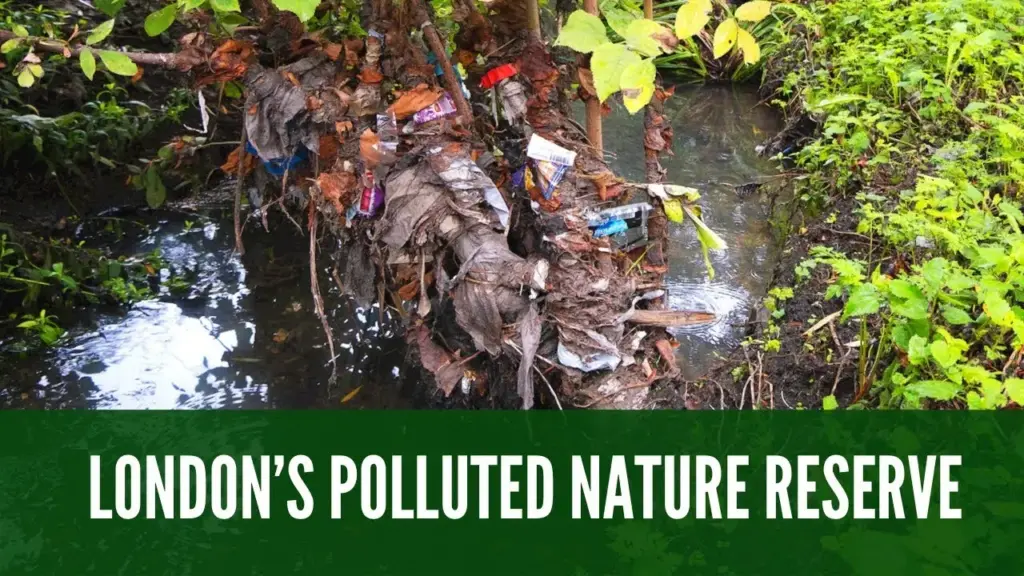
Sewage pollution in South Norwood is rapidly becoming a pressing environmental challenge for the local community, especially with the planned introduction of beavers into South Norwood Country Park’s lake. Concerns have surged as untreated waste, caused by sewer misconnections from nearby homes, spills directly into the Chaffinch Brook, compromising the health of the ecosystem. This ongoing sewage issue in South Norwood not only threatens local wildlife but also raises alarms about the broader environmental impact Croydon faces. With up to 2,300 homes in London contributing to this collective problem, the situation at Chaffinch Brook serves as a significant case study in the urgent need for effective waste management solutions. As residents and conservationists advocate for action, the community’s struggle with sewage pollution underscores the vital importance of maintaining clean waterways in urban settings.
The situation involving sewage contamination in South Norwood highlights the critical environmental crisis affecting local ecosystems and waterways. Known as a significant locality for recreational activities, areas like South Norwood Country Park are now under scrutiny because of the ongoing issues with wastewater mismanagement. The Chaffinch Brook sewage problem illustrates how misconnections lead to untreated waste entering public streams, jeopardizing both animal habitats, such as planned beaver populations, and overall community well-being. Affected residents and local authorities grapple with long-standing challenges that involve multiple parties, raising questions about responsibility and timely action in curbing the adverse effects of this pollution. As awareness grows around the link between urban sewage problems and ecological health, it becomes clear that immediate interventions are necessary to restore balance in South Norwood’s environment.
Understanding Sewage Pollution in South Norwood
Sewage pollution has become a pressing concern in South Norwood, with recent surveys revealing significant issues caused by misconnections from local homes. Instead of directing waste to appropriate treatment facilities, untreated sewage is being improperly flushed into streams, particularly the Chaffinch Brook. This not only poses immediate health risks to the environment but also compromises the integrity of nearby natural habitats, like the South Norwood Country Park.
The ramifications of these sewage misconnections extend beyond mere inconvenience, contributing significantly to long-standing environmental problems in Croydon. Pollution of this nature hampers the local ecosystem and threatens wildlife, which is especially concerning as Croydon Council prepares to introduce beavers into the lakes within the park. Addressing the sewage pollution issue is imperative to ensure that the introduction of beavers does not adversely affect their health and the broader environment.
The Environmental Impact of Sewage in Croydon
Croydon’s ongoing battle with sewage pollution highlights the need for effective management and accountability. Misconnections resulting in untreated sewage entering the Chaffinch Brook reveal systemic failures within local governance regarding environmental stewardship. The environmental impact of Croydon’s sewage issues is profound—discharging untreated waste deteriorates water quality and can lead to ecological degradation across connected waterways.
Furthermore, the broader implications of this pollution extend throughout the London area, where many households similar to those in South Norwood contribute to significant contamination of local watercourses. This situation creates an urgent impetus for strategic investments in infrastructure and community engagement to rectify longstanding pollution issues and protect vital ecosystem services.
Challenges in Addressing Sewage Misconnections
One of the primary challenges in resolving the sewage misconnections in South Norwood stems from accountability issues between various entities involved. Even as Croydon Council seeks to rectify the situation, delays have arisen due to financial disputes and bureaucratic inertia, hindering prompt action on pollution mitigation. This lack of urgency to rectify misconnections is often frustrating for residents who have witnessed the negative consequences firsthand.
Without prompt intervention, two out of the 16 misconnected properties continue to allow untreated sewage to flow into the Chaffinch Brook, exacerbating existing environmental concerns. This highlights a glaring need for enhanced collaboration between local authorities, housing providers, and residents to create sustainable solutions that ensure clean waterways and protect the surrounding habitats.
The Future of South Norwood Country Park and Beavers
The recent announcement regarding the introduction of beavers to South Norwood Country Park has sparked optimism for environmental restoration, but concerns regarding sewage pollution loom large. Beavers are known to play a crucial role in improving water quality and fostering biodiversity, which raises hope that their presence could support the healing of a currently contaminated stream.
However, the success of this initiative is contingent upon effectively addressing the existing sewage issues posed by the Chaffinch Brook pollution. The Croydon Council’s commitment to environmental improvement must encompass rigorous monitoring and resolution of sewage leaks to maximize the benefits that the rewilding initiative promises to deliver.
Residents’ Concerns About Sewage Pollution and Wildlife
Local residents in South Norwood have voiced significant concerns about the ongoing sewage pollution and its potential impact on both human health and wildlife. For many, the thought of untreated sewage flowing into the Chaffinch Brook raises alarm, particularly with the impending release of beavers, whose well-being could be jeopardized by the toxic conditions.
Critics argue that the lack of timely action from the council reflects a disregard for community health and environmental well-being. With sewage staining the area’s waterways, residents fear the lasting effects on wildlife and the integrity of South Norwood Country Park may undermine the council’s lofty environmental goals.
Community Involvement in Pollution Resolution
The community’s involvement in resolving sewage pollution issues in South Norwood has become increasingly vital as residents rally for accountability and swift action. With more than 200 locals signing an open letter to the Croydon Mayor, it is evident that community engagement is critical in pressuring local authorities to take more decisive steps toward remediation.
As community advocates work to highlight environmental issues stemming from sewage pollution, their efforts are essential in fostering transparency and collaboration between residents and governmental bodies. Empowered communities can catalyze change and help restore the natural beauty of the South Norwood area.
Regulatory Actions and Their Effectiveness
The effectiveness of regulatory actions in addressing sewage pollution in South Norwood comes into question as the timeline for resolving misconnections extends indefinitely. Despite acknowledging the problem, the council has faced criticism for its lack of enforcement regarding proper sewage management. Local leaders argue that this reflects systemic issues in governance that prioritize scheduling over swift action.
Actionable steps from regulatory bodies, such as Thames Water and the Croydon Council, are needed now more than ever to ensure that public health is safeguarded and ecosystems are preserved. The local community’s health and the ecological integrity of South Norwood Country Park are at stake if a decisive course of action is not implemented swiftly.
The Role of Beavers in Ecosystem Restoration
Introducing beavers to South Norwood Country Park presents a unique opportunity for ecosystem restoration and can play a pivotal role in addressing water quality issues linked to sewage pollution. As nature’s engineers, beavers can help create wetlands that naturally filter water, potentially mitigating some effects of existing sewage discharges if correctly managed.
Their dam-building activities could promote habitat diversity and enhance flood resilience across the park’s landscapes. However, for this restoration approach to succeed, immediate action must be taken to rectify the ongoing sewage pollution problem to ensure a safe environment for the beavers and the surrounding wildlife.
Future Strategies for Managing Sewage Pollution
To effectively manage sewage pollution in South Norwood and achieve the goals set forth in rewilding proposals, comprehensive strategies need to be implemented. This involves addressing existing misconnections and investing in the necessary infrastructure that can support the proper management of sewage waste, thereby reducing harmful discharges into local streams.
Future strategies must also include robust community engagement to ensure residents are informed and involved in environmental protection initiatives. By fostering collaboration between residents, local businesses, and governmental bodies, South Norwood can become a model for effective sewage pollution management that supports both human health and biodiversity.
The Importance of Timely Intervention in Sewage Issues
The importance of timely intervention in addressing sewage issues cannot be overstated, particularly as communities like South Norwood grapple with the consequences of sewage pollution. Delays in repairs and enforcement actions prolong the negative impact on local water quality and ecosystems, making it essential for local authorities to act with urgency.
An effective response not only involves rectifying existing issues but also ensuring that robust systems are in place to prevent future instances of sewage misconnections. Proactive measures will determine the success of initiatives like rewilding South Norwood Country Park and restoring the natural habitat for the benefit of wildlife and local communities alike.
Frequently Asked Questions
What are the effects of sewage pollution on South Norwood Country Park?
Sewage pollution in South Norwood Country Park primarily affects the water quality of Chaffinch Brook, which has seen untreated sewage flow directly into it due to misconnections from nearby homes. This contamination poses a serious threat to local wildlife, including a planned introduction of beavers, and can lead to a decline in biodiversity and unpleasant odors from the brook.
How does sewage pollution impact the health of beavers in South Norwood Country Park?
According to Croydon Council, the sewage pollution from Chaffinch Brook is not linked to the lake where beavers are to be released; however, critics argue that the ongoing contamination could negatively influence the overall environment and health of the park, even if it may not directly affect the beavers immediately.
What steps are being taken to address the sewage issue in South Norwood?
Efforts to resolve the sewage pollution issue in South Norwood include identifying properties that are causing misconnections to surface water drains instead of foul sewers. Croydon Council aims to work with housing providers to rectify these issues, but progress has been slow, leading to ongoing concerns from residents and local representatives.
Why are sewage misconnections a problem in South Norwood and how many homes are affected?
Sewage misconnections are a significant problem in South Norwood, with approximately 2,300 homes across London, including some in South Norwood, discharging untreated sewage into watercourses. The issue arises when new developments mistakenly connect sewage systems to surface water drains due to errors in construction and planning.
What is the environmental impact of untreated sewage on Croydon’s waterways?
Untreated sewage discharging into waterways, like Chaffinch Brook in South Norwood, leads to heightened pollution levels that can compromise aquatic ecosystems, harm local wildlife, and degrade the overall health of watercourses in Croydon, thereby disrupting both environmental balances and community water resources.
What role do beavers play in improving the ecosystem of South Norwood Country Park?
Beavers are considered ecosystem engineers; their activities can create wetlands that improve water quality, support biodiversity, and prevent flooding. The planned introduction of beavers to South Norwood Country Park aims to enhance the natural habitat and improve the health of the surrounding environment, despite current sewage pollution challenges.
How can residents report sewage issues in South Norwood?
Residents can report sewage issues in South Norwood by contacting Thames Water or Croydon Council directly. It is vital to provide specific details about the location and nature of the problem to ensure swift action and remediation of any sewage pollution concerns.
What historical factors led to the sewage pollution in South Norwood?
The historical sewage pollution issue in South Norwood is primarily linked to construction errors from developments that improperly connected waste systems. These misconnections have persisted for years, complicating efforts to rectify the situation and address the environmental impacts on local watercourses.
What initiatives are being launched to enhance South Norwood Country Park despite sewage issues?
Despite the ongoing sewage issues, Croydon Council has proposed several initiatives, including the introduction of beavers and the re-opening of the park’s visitor center as an educational hub. These efforts are part of a broader plan to improve the park’s ecology and increase visitor engagement.
Are there any current updates on the sewage pollution situation in South Norwood?
As of now, the sewage pollution in South Norwood is still under investigation, with two properties remaining misconnected. While significant corrective actions have been made, local authorities have faced delays in enforcement, leading to continued concerns over sewage discharge into Chaffinch Brook and its impact on the surrounding environment.
| Key Points | Details | |
|---|---|---|
| Sewage Pollution Issue | Untreated sewage is flowing from misconnected homes into Chaffinch Brook. | |
| Impact on Beavers | Croydon Council claims sewage pollution won’t affect the introduction of beavers into the park. | |
| Misconnections | 16 properties were found to be discharging sewage into the brook due to misconnections. | |
| Council Response | Delays in addressing the misconnections, attributed to disputes and accountability issues. | |
| Proposed Solutions | Plans to introduce beavers and improve the park’s environment in partnership with Citizen Zoo. | |
| Public Concern | Local residents and MP express frustration at the council’s slow action. | |
| Historical Context | The sewage issue has been recognized as complex, with origins dating back years. | |
Summary
Sewage Pollution South Norwood highlights the concerning issue of untreated sewage being discharged directly into local watercourses from residential properties. This ongoing challenge, compounded by mismanagement of sewage connections, poses risks not only to water quality but also to local wildlife, including the beavers intended for reintroduction into South Norwood Country Park. While Croydon Council has outlined plans to address these issues, local residents continue to advocate for more immediate solutions.