
Listen to this article
Sepsis warning is an urgent call to recognize the signs of sepsis, a life-threatening condition that can develop in anyone, often without warning. Manjit Sangha’s harrowing experience highlights the dangers of sepsis, as she faced a quadruple amputation after battling the illness for weeks. Despite the overwhelming odds against her, this sepsis survivor returned home recently, eager to share her story and advocate for awareness. Understanding the signs of sepsis is crucial, as delays in treatment can lead to severe outcomes, including limb loss and even death. As Manjit begins her journey of sepsis recovery, she reminds us all that such rapid and devastating changes can happen in a matter of hours, making awareness and prompt action keys to survival.
Intra-body infections often escalate into critical conditions like septic shock, which can have dire consequences if not addressed promptly. The story of Manjit Sangha serves as a powerful testament to the risks posed by untreated infections, demonstrating the profound impact of sepsis on an individual’s life. This health crisis, marked by symptoms ranging from chills to organ failure, can accelerate irrational fears, leaving both patients and families grasping for answers. Recognizing the subtle yet alarming signs that can lead to amputation or worse is essential for preventing tragedies. With increased awareness and education on the topic, we can better equip ourselves and others to combat this silent yet deadly threat.
Understanding Sepsis: Symptoms and Diagnosis
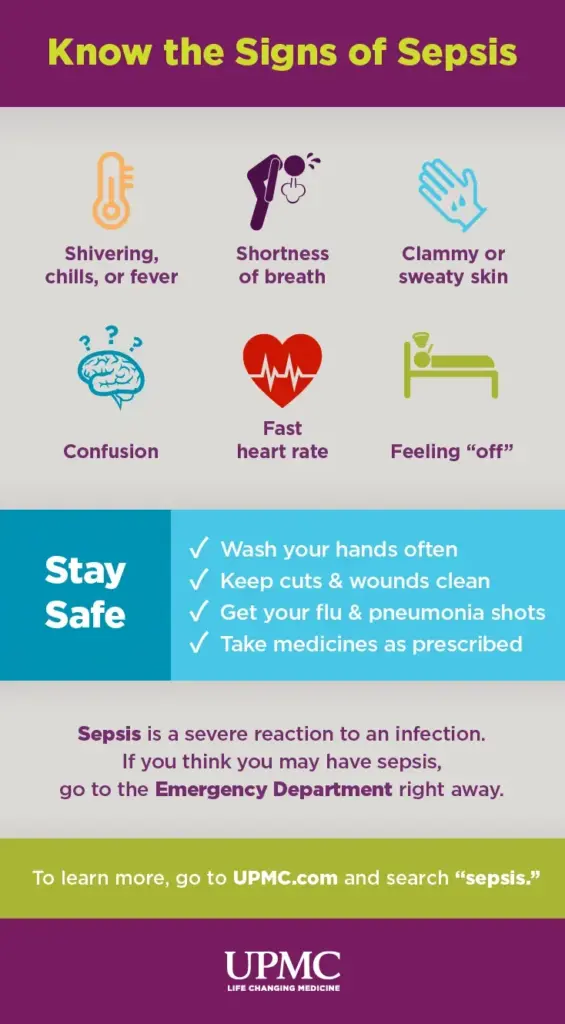
Sepsis is a life-threatening response to infection that can lead to tissue damage, organ failure, and death. The initial signs of sepsis often mimic symptoms of other illnesses, making it challenging to diagnose early. Common signs include fever, chills, rapid heart rate, and confusion. In severe cases, patients may experience difficulty breathing and extreme weakness, as was seen in Manjit Sangha’s situation. Awareness of these signs of sepsis is crucial for prompt medical intervention, as every minute counts in treatment.
Individuals should be vigilant when they experience symptoms that worsen rapidly. For example, Manjit initially felt unwell and within a short period had lost consciousness, demonstrating sepsis’s rapid progression. Understanding these symptoms can help both patients and caregivers seek timely medical help, which is essential for improving outcomes and potentially saving lives.
Sepsis Survivor: A Journey of Recovery
Manjit Sangha’s experience as a sepsis survivor highlights the resilience of the human spirit amid dire circumstances. After suffering multiple cardiac arrests and undergoing a quadruple amputation, her journey back home serves as an inspiration to many. Her determination to recover not only involves physical rehabilitation but also emotional healing. The psychological effects of such a life-altering event can be profound, often requiring support from loved ones and mental health professionals.
Recovery from sepsis can be a long and arduous process that varies from person to person. As Manjit embarks on rebuilding her life, she emphasizes the need for advanced prosthetics to regain mobility and independence. The support she receives from family and the community plays a pivotal role in her recovery journey. For sepsis survivors like her, it’s crucial to set realistic goals and celebrate small victories along the way.
The Dangers of Sepsis: A Warning for All
Sepsis poses significant dangers not only due to its high mortality rate but also because many people underestimate its severity. Manjit Sangha’s case illustrates how quickly sepsis can escalate, turning a seemingly harmless incident into a life-threatening condition. This serves as a stark reminder that infections, even mild ones, should not be ignored. It’s essential for individuals, especially those with underlying health conditions, to be vigilant about their health and seek medical advice if they notice changes.
Furthermore, the importance of educating the public about the dangers of sepsis cannot be overstated. Awareness campaigns can help identify early signs of sepsis and encourage people to act quickly. Manjit is now using her experience to alert others about these dangers, reinforcing the message that anyone can be affected. Through her story, she hopes to inspire proactive health monitoring and timely intervention, which can be life-saving.
Life After Quadruple Amputation: Embracing Change
Adjusting to life after a quadruple amputation is a complex and challenging process. For sepsis survivor Manjit Sangha, losing both legs below the knee and her hands changed not only her physical capabilities but also her identity. The emotional toll can be significant as individuals grapple with feelings of loss and the need to adapt to a new normal. Support from family, friends, and community resources plays a critical role in navigating these challenges.
Despite the adjustments required, Manjit expresses her determination to embrace her new life. She focuses on her recovery goals, aiming to walk again and return to work. This forward-thinking attitude is essential for many individuals in similar situations, as it fosters resilience and motivation from within. The journey of rebuilding life after such trauma often requires time, patience, and support, but it can lead to newfound strengths and perspectives.
Fundraising for Sepsis Survivors: Community Support
The journey of recovery for sepsis survivors like Manjit Sangha often requires significant financial resources, particularly for advanced medical aids such as prosthetics. Fundraising initiatives are essential in helping cover these costs, which can quickly escalate into tens of thousands of pounds. The community’s generous support plays a vital role in facilitating these necessary advancements for survivors, enabling them to regain mobility and independence.
Manjit’s GoFundMe page and local fundraising efforts are excellent examples of how communities come together to support individuals in need. The outpouring of support she has received not only helps financially but also provides emotional encouragement, reinforcing the idea that she is not alone in her recovery. Community awareness and involvement are crucial aspects of the wellbeing and rehabilitation of sepsis survivors.
Awareness and Education: Preventing Sepsis
Raising awareness about sepsis is critical in preventing future cases and ensuring individuals recognize the symptoms early. Education efforts can help define what sepsis is, its causes, and the importance of prompt treatment. Schools, workplaces, and healthcare facilities should incorporate discussions about sepsis signs and dangers into their health education programs to foster a well-informed community.
Understanding that infections can lead to sepsis emphasizes the importance of good hygiene practices and health monitoring, especially in vulnerable populations. Manjit Sangha’s experience underscores the necessity for ongoing medical education among healthcare providers to facilitate early detection and treatment of sepsis. By promoting awareness and education, we can collectively work towards reducing sepsis incidence and improving recovery outcomes for affected individuals.
Overcoming Psychological Impact of Sepsis
The psychological impact of experiencing sepsis and subsequent health crises can be profound. Survivors often face emotional challenges, including anxiety, depression, and PTSD, as they process their experiences. Manjit Sangha’s journey highlights the necessity of mental health support during recovery. Therapy and counseling can play essential roles in helping individuals navigate their feelings and build coping strategies.
Additionally, peer support groups can offer invaluable emotional backing, allowing sepsis survivors to connect with others who understand their journey. Sharing experiences can foster a sense of community and reduce feelings of isolation. By prioritizing mental health alongside physical rehabilitation, sepsis survivors like Manjit can work towards a holistic approach to recovery.
Prosthetics and Technology: The Future of Recovery
For many sepsis survivors, advanced prosthetics are not just tools for mobility; they represent a new lease on life. The technological advancements in prosthetics, including robotic limbs, are revolutionizing recovery for individuals like Manjit Sangha. These innovations provide enhanced functionality and adaptability that can help restore independence and improve quality of life.
As Manjit focuses on raising funds for her prosthetics, it emphasizes the need for continuous research and investment in technology that supports the rehabilitation of amputees. Accessibility to these advanced solutions can bridge the gap for sepsis survivors, empowering them to actively participate in life. The integration of technology in recovery represents hope and possibility for many individuals facing similar challenges.
The Role of Family in Recovery from Sepsis
Family support is an essential component of recovery for sepsis survivors like Manjit Sangha. The emotional and physical demands on loved ones can be significant as they navigate their roles during recovery. Manjit’s husband, Kam, exemplifies the dedication needed to support a partner facing such challenges. Being there for one another not only strengthens their bond but also serves as a source of motivation for recovery.
Moreover, family members often play a critical role in advocating for the survivor’s needs while in the healthcare system. They can help communicate concerns and ensure the individual receives comprehensive care. Family involvement can positively influence both psychological and emotional health, making the journey of overcoming sepsis and its aftermath a collective effort.
Frequently Asked Questions
What are the common signs of sepsis that everyone should be aware of?
Common signs of sepsis include fever, chills, rapid heart rate, confusion, and shortness of breath. Additionally, someone may experience extreme pain or discomfort, and skin might look discolored or splotchy. Recognizing these early signs of sepsis can be crucial for timely treatment.
What are the dangers of sepsis and why is it considered a medical emergency?
The dangers of sepsis include the risk of organ failure and death. It can escalate quickly, leading to severe complications like septic shock, which significantly lowers blood flow to vital organs. Understanding the sepsis warning signs can help prevent catastrophic outcomes.
How can one survive sepsis and what is the typical recovery process?
Surviving sepsis requires immediate medical intervention, often including antibiotics and IV fluids. The recovery process can vary greatly, as seen in the case of sepsis survivor Manjit Sangha, who faced a quadruple amputation. Recovery may involve rehabilitation, physical therapy, and emotional support.
What role did Manjit Sangha’s sepsis warning play in raising awareness about the condition?
Manjit Sangha’s sepsis warning serves as a critical reminder of how rapidly sepsis can develop and the catastrophic consequences it can have, as evidenced by her experience with quadruple amputation. Her story emphasizes the importance of recognizing warning signs early.
Can sepsis occur from minor injuries, and what precautions can be taken?
Yes, sepsis can occur from seemingly minor injuries, such as cuts or insect bites. To prevent sepsis, proper wound care is essential. Always clean and disinfect injuries, and watch for signs of infection—if symptoms escalate, seek medical attention immediately.
What inspired Manjit Sangha to raise awareness about sepsis recovery?
Manjit Sangha’s inspiring journey as a sepsis survivor motivated her to raise awareness about sepsis recovery, highlighting the importance of education on recognizing symptoms and the urgency of seeking help. Her experience advocates for better awareness of the dangers of sepsis.
How can family members support a loved one recovering from sepsis?
Family members can support a loved one recovering from sepsis by providing emotional support, helping with daily activities, and encouraging them to follow medical advice. Being patient and understanding during the recovery process, as seen in Kam Sangha’s support for Manjit, is crucial.
What advanced treatments are available for sepsis survivors like Manjit Sangha?
Sepsis survivors may benefit from advanced treatments like prosthetics for limb loss, psychological support for emotional trauma, and physical rehabilitation. Innovative technologies, such as robotic hands, are emerging to enhance mobility and independence for those affected.
| Aspect | Details |
|---|---|
| Sepsis Survivor | Manjit Sangha (56 years old), who survived after severe complications including quadruple amputation. |
| Hospital Stay | Spent 32 weeks in the hospital with multiple cardiac arrests. |
| Trigger for Sepsis | Suspected to be caused by a minor lick from her dog on a cut. |
| Symptoms | Came home feeling unwell; lost consciousness by next morning; exhibited signs of severe illness (ice-cold extremities, purple lips, difficulty breathing). |
| Medical Interventions | Underwent multiple surgeries, including quadruple amputation of limbs, lost spleen, and treated for pneumonia. |
| Family Support | Husband Kam Sangha took seven months off work to care for Manjit, showing immense pride in her recovery. |
| Fundraising Efforts | Over £22,000 raised for advanced prosthetics and life rebuilding through GoFundMe and community support. |
| Recovery Hope | Manjit is determined to regain mobility with prosthetics and return to work, emphasizing the importance of awareness on sepsis warnings. |
Summary
The recent experience of Manjit Sangha highlights the critical need for sepsis warning awareness. After battling through an extraordinary medical crisis that included a prolonged hospital stay and multiple amputations, Manjit emphasizes that sepsis can affect anyone and can escalate rapidly from minor incidents. Her journey from near death to recovery is a poignant reminder that timely recognition of sepsis symptoms can be life-saving. As she advocates for awareness, the narrative illustrates how essential it is for individuals to understand the signs of sepsis and act quickly. This story serves as an urgent plea to encourage public education on potential sepsis triggers and the importance of early intervention.