Listen to this article
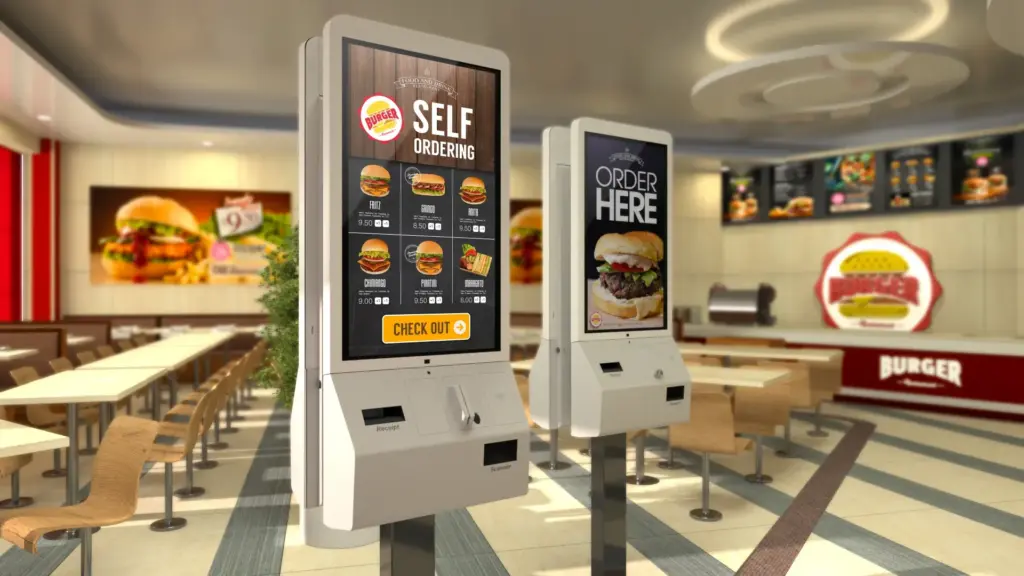
Self-service terminals are revolutionizing the way we shop and dine, providing customers with a unique and efficient experience that enhances their spending habits. These advanced kiosks in restaurants enable users to place orders on intuitive touchscreen interfaces, allowing for greater control and comfort while making food choices. The psychological aspect of shopping is also impacted; without the pressure of interacting with staff, customers feel more at ease, leading to higher spending. Research shows that the design of these terminals, with vibrant product imagery and strategic upselling prompts, can boost customer spending by up to 40%. As we explore the psychology of shopping and behavioral science, it’s clear that self-service terminals play a pivotal role in shaping our customer behaviors in the modern marketplace.
Often referred to as automated ordering stations or interactive kiosks, self-service terminals offer a fresh take on how consumers engage with food services. These user-friendly devices streamline the ordering process, blending technology with customer service to ensure satisfaction at every touchpoint. By eliminating the potentially intimidating presence of cashiers, these terminals tap into behavioral economics, making it easier for customers to navigate their dining choices. As we delve into the nuances of consumer behavior, it’s fascinating to see how touchscreen ordering systems influence purchasing decisions and increase customer engagement through visual appeal and convenience. Whether in fast food outlets or urban cafes, the shift towards self-service options marks a significant change in our dining experiences.
Understanding Customer Behavior at Self-Service Terminals
The introduction of self-service terminals in fast food restaurants has sparked significant interest in understanding customer behavior. Research indicates that the anonymity provided by touchscreen ordering can lead to increased spending. When customers interact with a kiosk instead of a human cashier, they are notably less influenced by peer pressure or the fear of judgment during the ordering process. This psychological shift is crucial in the world of consumer spending habits, encouraging diners to consider additional options, such as upsells or extras they might otherwise decline.
Moreover, self-service kiosks are specifically designed to enhance product visibility through appealing imagery and detailed descriptions. This factor plays an integral role in consumer decision-making, as customers are often more inclined to explore various offerings when they can visually assess their choices. By creating an engaging and judgment-free experience, restaurants report a substantial uptick in average transaction values, demonstrating the powerful impact of behavioral science in retail environments.
The Psychology of Shopping and Touchscreen Ordering
The psychology behind shopping has long fascinated researchers, particularly as it relates to modern conveniences like touchscreen ordering systems. Self-service terminals not only provide customers with control over their decisions but also harness established psychological principles, such as the authority bias, to influence purchases. When customers are presented with suggested items or add-ons, many are likely to align their choices with what is presented to them on the screen, rather than considering their initial intentions. This taps into deeper cognitive pathways that drive consumer behavior.
Furthermore, the allure of touchscreen kiosks goes beyond just convenience; they play into our desires for autonomy and personalization in shopping experiences. By reducing social interaction, these terminals help eliminate anxiety associated with in-person conversations, allowing customers to indulge in impulse buys or higher-ticket items without the perceived social repercussions. Such environments encourage experimentation with meal combinations and upgrades, resulting in noteworthy increases in average customer spending.
Enhancing Customer Spending Habits with Kiosks in Restaurants
Kiosks in restaurants have revolutionized the way consumers engage in the purchasing process. With the ability to browse a menu at their own pace, customers often find themselves exploring beyond their usual choices, leading to enhanced spending habits. Studies reveal that 61% of patrons tend to spend more when using self-service terminals compared to traditional cashier methods. This increase can be attributed to the relaxed environment that kiosks provide, allowing customers the luxury of time to make decisions without the typical pressures of a face-to-face interaction.
Additionally, restaurant kiosks effectively utilize upsell strategies by strategically prompting customers during their ordering experience. Messages like ‘would you like to add dessert?’ or ‘opt for a larger drink size?’ are peppered throughout the process, increasing the likelihood of additional purchases. This behavioral technique serves to not only enhance the dining experience but also drives restaurant revenue, underscoring the integral role that the psychological aspects of customer behavior play in the development of effective sales strategies.
The Impact of Touchscreen Technology on Restaurant Dynamics
Touchscreen technology is swiftly becoming the norm in dining establishments, drastically changing restaurant dynamics. The implementation of self-service terminals allows for a streamlined ordering process, reducing wait times and improving customer satisfaction. By relinquishing the traditional cashier roles in favor of digital kiosks, establishments can allocate staff to enhance service in other areas, such as food delivery and customer support. This shift not only optimizes labor but also fosters a more enjoyable atmosphere for customers.
Moreover, the integration of behavioral science principles within touchscreen orders facilitates a more tailored customer experience. These systems analyze consumer interactions, enabling restaurants to continuously adapt their offerings and marketing strategies based on real-time feedback. By leveraging data collected from customer behaviors, restaurants can effectively fine-tune menus and promotions that resonate most with their clientele, ultimately impacting their revenue positively.
Behavioral Science: A Tool for Increased Revenue
Behavioral science has become a cornerstone for businesses aiming to understand and influence customer choices effectively. Framed within the context of self-service terminals, this science helps restaurants tailor their orders and marketing practices towards maximizing revenue. By tapping into cognitive biases, such as authority bias—where customers feel compelled to choose products endorsed by perceived experts—businesses can create a persuasive sales environment. This is especially relevant as restaurants strive to engage customers in more meaningful and financially beneficial ways.
Additionally, utilizing insights from behavioral science not only helps to manipulate consumer choices at crucial points in the purchasing journey but also fosters a greater understanding of spending triggers. By recognizing how factors such as product placement, upselling cues, and overall customer comfort influence decisions, businesses can optimize kiosk designs and functionalities to enhance both customer satisfaction and revenue generation.
Leveraging Touchscreen Ordering for Upselling Opportunities
Self-service terminals have transformed upselling tactics in restaurants thanks to their interactive elements. These kiosks provide seamless opportunities to prompt customers to enhance their orders with additional items or larger sizes. Unlike traditional order-taking environments, the stress of in-person communication is removed, allowing consumers to consider suggestions without feeling pressured. This dynamic aligns perfectly with contemporary consumer attitudes towards personalized experiences, directly impacting customer spending habits and overall satisfaction.
Furthermore, effective use of touchscreen technology can significantly influence the pathway of consumer spending. By analyzing customer interactions at kiosks, restaurants can refine their upselling strategies to deliver targeted suggestions based on prior orders or popular combinations. This tailored approach not only boosts average spending per transaction but also enhances customer experience by offering them choices they may not have considered, leading to a richer dining occasion and fostering brand loyalty.
Exploring the Role of Visuals in Customer Engagement
A pivotal element of self-service terminals is their ability to utilize engaging visuals that encourage customer interaction. High-quality images of food items can evoke cravings and stimulate purchase decisions in ways that verbal descriptions alone may fail to achieve. As observed in various studies, the visual appeal of menu items on touchscreen kiosks plays an integral role in influencing customer choices, thereby driving sales higher than traditional ordering methods. This intersection of psychology and consumer behavior underscores the art of visual merchandising in enhancing the dining experience.
Moreover, the strategic use of imagery on self-service terminals can be fundamental in altering the perception of value in consumer minds. Well-composed photos accompanied by enticing descriptions not only clarify what customers can expect but also enhance their sense of anticipation. By leveraging this visual engagement, restaurants can effectively lead to increased order value, as patrons are often willing to spend more on visually appealing options, further cementing the importance of an aesthetically pleasing ordering interface.
Behavioral Science Techniques for Encouraging Repeat Visits
Behavioral science provides restaurants with valuable methodologies for encouraging customer loyalty and repeat visits through self-service terminals. By employing subtle nudges, such as loyalty rewards displayed prominently on kiosks, establishments can effectively motivate customers to return and take advantage of benefits. This tactic, rooted in the understanding of consumer psychology, creates a sense of belonging and appreciation for patrons, increasing the likelihood of return visits.
Furthermore, analyzing the data collected from self-service terminals can reveal patterns in customer behavior and preferences, allowing restaurants to tailor their offerings accordingly. By anticipating what customers might want during their next visit based on previous orders, businesses can create a more compelling experience that fosters loyalty and repeat spending. This strategic approach to utilizing behavioral science not only enhances the customer experience but also solidifies a restaurant’s position in a competitive market.
The Future of Dining: Self-Service and Consumer Trends
As the restaurant landscape continues to evolve, self-service terminals are redefining the way consumers interact within dining spaces. The convenience and efficiency these kiosks provide cater to the growing demand for streamlined service while also opening new avenues for stimulating consumer spending. By embracing technology, restaurants can respond to shifting customer attitudes towards dining out—where convenience often reigns supreme—and leverage behavioral insights to craft memorable experiences that align with modern consumer preferences.
Additionally, emerging trends suggest that the integration of self-service technology will only expand in the future, with a focus on innovative features like personalized menus and artificial intelligence-driven recommendations. By adopting these technological advancements, restaurants will be well-positioned to engage customers in ways that resonate with their unique needs and desires, ensuring that self-service terminals continue to play a vital role in shaping the future of dining and enhancing customer satisfaction.
Frequently Asked Questions
How do self-service terminals in restaurants enhance customer spending habits?
Self-service terminals, often seen as kiosks in restaurants, significantly enhance customer spending habits. Studies reveal that 61% of customers tend to spend more when ordering through touchscreen ordering systems compared to traditional cashier interactions. This increase can be attributed to various factors, including the absence of social judgment, engaging product imagery, and strategic upselling opportunities integrated into the customer journey.
What role does behavioral science play in the effectiveness of self-service terminals?
Behavioral science plays a crucial role in optimizing self-service terminals. The absence of direct interaction with staff reduces the fear of judgment, allowing customers to feel more comfortable exploring menu options and making additional purchases. Techniques such as upselling and strategically placed product displays tap into psychological triggers, encouraging higher spending through touchscreen ordering.
Why do customers prefer touchscreen ordering at self-service terminals?
Customers often prefer touchscreen ordering at self-service terminals due to the reduced pressure of social interaction. This setup allows them to browse options at their own pace, leading to increased sales. The psychological principle of authority bias also suggests that customers are more likely to follow recommendations and promotional prompts presented on these terminals, ultimately influencing their purchasing decisions.
Can self-service terminals influence customer behavior in fast food outlets?
Yes, self-service terminals significantly influence customer behavior in fast food outlets. Research indicates that customers are more likely to spend up to 40% more when utilizing these kiosks. The increased spending is driven by an enhanced experience where customers can take their time to consider options and feel less judged when making upselling choices.
What are the design features of self-service terminals that improve customer engagement?
Self-service terminals are designed with features that enhance customer engagement, such as vibrant product imagery, intuitive navigation, and prompts that encourage additional purchases. These features align with findings in behavioral science, where clear visual aids and strategic upselling increase customer interaction and spending, making the overall experience more appealing.
How does the psychology of shopping apply to self-service terminals?
The psychology of shopping directly applies to self-service terminals through concepts like the fear of judgment and the impact of choice overload. Since customers can interact privately with a terminal, they often feel more relaxed, allowing them to make choices without pressure. This environment, coupled with well-structured upselling techniques, optimizes the buying process, leading to higher customer satisfaction and increased sales.
| Key Point | Explanation |
|---|---|
| Sales Increase | Studies indicate customers spend 61% more when ordering from self-service terminals than traditional tills. |
| No Judgment | Self-service terminals eliminate the pressure of interacting with staff, allowing customers to make decisions without feeling judged, particularly in upselling situations. |
| Enhanced Product Imagery | Touchscreens often display appealing product images, which entice customers to order more. |
| Behavioral Science | Techniques like authority bias and default bias are leveraged in marketing to influence customer decisions, encouraging higher spending. |
| Successful Campaigns | Brands and organizations, including the UN, are using behavioral insights to implement changes in consumer behavior, demonstrating significant results. |
Summary
Self-service terminals have revolutionized the way we shop by providing a judgment-free environment that encourages customers to spend more. By utilizing behavioral science principles, these terminals effectively increase sales through appealing visuals and strategic upselling techniques. As more businesses adopt self-service kiosks, understanding their psychological impact becomes essential for enhancing customer experience and sales performance.