
Listen to this article
Security camera regulations are becoming increasingly important as more households invest in surveillance systems to protect their homes. Unbeknownst to many, these rules dictate how and where cameras can be positioned, ensuring compliance with privacy laws and data protection policies. For instance, while using CCTV cameras, homeowners must be aware of their responsibilities under GDPR home CCTV legislation and how it relates to capturing images of neighbors or public spaces. Additionally, adhering to home security camera rules can prevent accusations of harassment under neighbor harassment laws, underscoring the crucial balance between safety and privacy. Failing to understand these regulations could result in serious legal repercussions, including criminal charges, making it essential for homeowners to educate themselves on the relevant CCTV laws.
As the trend of home surveillance continues to gain momentum, it’s vital to discuss the implications of various laws governing these devices. Domestic camera systems, from simple video doorbells to elaborate monitoring setups, are subject to a framework of legal requirements designed to protect individual privacy. Homeowners must familiarize themselves with specific regulations that outline how recorded data should be handled to avoid conflicts with data protection CCTV guidelines. Understanding the legal landscape surrounding these systems not only protects individuals from legal action but also promotes ethical use of surveillance equipment within communities. Compliance with established security regulations ultimately fosters a safer environment while respecting the rights of all parties involved.
Understanding Security Camera Regulations in the UK
In the UK, the regulations governing security cameras, particularly CCTV systems, are essential for ensuring that individuals respect their neighbors’ privacy while enhancing their security. Security camera regulations dictate that home CCTV operators must comply with data protection laws, which are guided by the UK General Data Protection Regulation (GDPR) and the Data Protection Act 2018. These laws are designed to protect personal information while outlining how recordings can be handled. It is crucial for homeowners installing security cameras to understand these rules to avoid potential legal troubles, which can emerge from misuse of footage.
One critical aspect of these regulations is that any CCTV footage captured outside of an individual’s property boundary falls under data protection laws. This means that operators must ensure their cameras are directed to record primarily their own property. If they capture images of neighbors or public areas, they must comply with specific requirements—such as informing those recorded, retaining recordings for only as long as necessary, and having a clear justification for their surveillance practices. Failure to follow these guidelines not only undermines individuals’ rights but may also lead to civil action or criminal charges.
Home Security Camera Rules You Should Know
Home security camera rules are not just about installation; they encompass a variety of responsibilities that homeowners must adhere to. For instance, all homeowners should position their cameras to monitor solely their property. If recording outside of these boundaries cannot be avoided, there are clear rules including the need to notify all individuals being recorded. A privacy policy that includes these points should be evidenced to safeguard against any claims of misconduct or harassment under the common law of private nuisance.
Additionally, the recording practices must adhere to specific retention policies. Homeowners should regularly delete unnecessary footage, preventing any claim of added harassment or invasiveness. Knowledge of these home security camera rules is vital in respecting the privacy of neighbors and community members while ensuring one’s own home security is not compromised. By following these practices, individuals can greatly reduce legal risks and operate their CCTV systems responsibly.
The Importance of Data Protection in CCTV Usage
Data protection plays a significant role in CCTV usage, particularly for it involves visual and auditory recordings of individuals, qualifying under personal data definitions. Homeowners utilizing CCTV must understand that not adhering to data protection legislations can lead to serious implications, which includes legal repercussions under the GDPR. Key requirements include justifying the need for surveillance, ensuring minimum data capture, and implementing measures like public notifications to ensure the privacy of those being recorded.
Moreover, data protection regulations necessitate that homeowners equip themselves with adequate knowledge on how to manage their recordings. This includes providing access to footage for individuals depicted in recordings and understanding the need to delete any footage deemed unnecessary. This compliance underlines the significance of responsible CCTV usage as a means of safeguarding not only personal property but also the rights of others within the community.
Consequences of Violating Surveillance Laws
Violating surveillance laws can lead to serious legal consequences, including harassment and stalking charges under the Protection from Harassment Act 1997. Homeowners who install CCTV systems without fully understanding their legal obligations run the risk of facing criminal charges if their surveillance practices are deemed intrusive or invasive to neighbors. Those affected by improper camera use can file complaints with law enforcement or seek civil remedies, demonstrating the critical need for compliance with established regulations.
In addition to criminal charges, individuals may also face civil suits related to private nuisance claims if their use of CCTV leads to harassment or discomfort for other community members. Failure to address issues arising from footage capturing areas outside of one’s property can amplify tensions in neighborhoods. Therefore, property owners must fully understand the implications of their actions when it comes to CCTV installation—focusing on legal guidance, neighborly respect, and ethical practices in order to enhance community security without infringing on personal rights.
How CCTV Affects Neighbor Relationships
While CCTV systems can provide security benefits, they can also strain neighborly relationships if not operated within the law. Concerns about privacy infringement can lead to conflicts between homeowners and their neighbors, particularly when cameras inadvertently capture private areas of neighboring properties. Understanding neighbor harassment laws is crucial for homeowners as failure to do so might escalate minor disputes into significant grievances, impacting community harmony.
Open communication with neighbors about surveillance practices can help alleviate tensions. Sharing information about the purpose of the security cameras, their locations, and ensuring compliance with data protection regulations may build trust and transparency. Establishing mutual respect and awareness regarding CCTV use can not only enhance security measures within the home but also promote positive relationships between neighbors.
Legal Implications of CCTV Footage
The legal ramifications of improperly accessed or shared CCTV footage can be significant, potentially resulting in serious consequences for homeowners. If footage captures private areas of public or neighboring properties, the laws prohibit any unlawfully distributed recordings without solid justification. Such actions could lead to legal claims of infringement of privacy rights, and the misuse of images may attract investigations by relevant authorities.
Moreover, under GDPR guidelines, individuals have the right to access their personal data. If someone recorded by a homeowner’s CCTV requests access to the footage that features them, the homeowner must be prepared to comply. Non-compliance may not only lead to escalated legal actions but also to penalties due to breaches of data protection laws. Hence, understanding the legal implications connected to CCTV footage is essential for proper and ethical management.
Seeking Guidance from Experts
Given the complexity of CCTV regulations and the associated implications, seeking guidance from legal experts or authorities like the Information Commissioner’s Office (ICO) is advisable. The ICO provides resources and clear guidance regarding the lawful use of CCTV systems, addressing common questions regarding home security camera rules, data protection rights, and neighbor harassment laws. Engaging with these resources can prevent homeowners from inadvertently violating essential regulations.
In addition to seeking expert guidance, homeowners should also consider attending workshops or webinars that address the ethical use of CCTV. Understanding how to effectively navigate the legal landscape surrounding security cameras not only empowers homeowners but also reinforces their commitment to respecting the rights and privacy of their neighbors. This informed approach will ultimately benefit both the homeowner and the wider community.
Community Awareness and Responsible CCTV Use
Community awareness about the usage of CCTV systems is critical for fostering a safe environment while upholding residents’ rights. Initiatives promoting responsible CCTV use can help gather neighborhood support, allowing homeowners to implement their security measures without compromising privacy. Educating the community on CCTV regulations enables them to become informed about their rights concerning privacy and data protection while maintaining vigilance for collective safety.
Engaging in community discussions regarding home security and the implications of surveillance systems creates an atmosphere of understanding and collaboration. When homeowners are proactive in sharing how they utilize their CCTV systems, including what measures they have taken to comply with laws, it builds public trust and may even deter potential criminal activity. A unified approach enables all parties to coexist peacefully, ultimately promoting a sense of safety and security in the neighborhood.
Moving Forward with Compliance and Security
As technology advances, the use of security cameras in homes will continue to increase. It is crucial for homeowners to stay updated on laws as they evolve to protect personal and public rights. Compliance with security camera regulations is not optional; it is an essential responsibility for anyone looking to maintain their property safely and legally. Knowledge about specific camera positioning and data retention practices, along with a commitment to transparency and neighborly consideration, is key to responsible ownership.
In conclusion, by prioritizing knowledge of local security camera regulations and data protection laws, homeowners can enjoy the peace of mind that comes with enhanced security while scrupulously respecting the privacy of neighbors. A balanced approach ensures that while they protect their homes, they uphold the community’s integrity, paving the way for secure and harmonious living.
Frequently Asked Questions
What do I need to know about security camera regulations in the UK?
In the UK, security camera regulations require homeowners to comply with data protection laws, including the UK General Data Protection Regulation (GDPR). Homeowners must ensure their cameras mainly record their property and inform individuals if they are being recorded. Failing to follow these rules could lead to allegations of harassment.
What are the common home security camera rules that homeowners must follow?
Home security camera rules dictate that cameras should be positioned to capture only private property. If they record public areas or neighboring properties, homeowners must justify this use, inform the public, and manage personal data in accordance with GDPR and data protection laws.
How can CCTV laws affect my home security system?
CCTV laws can significantly affect your home security system by requiring compliance with privacy regulations. Homeowners must ensure their CCTV does not capture more than necessary and regularly delete unnecessary footage to avoid potential legal issues, such as harassment or invasion of privacy.
What is the importance of GDPR for home CCTV usage?
The GDPR is crucial for home CCTV usage as it governs how personal data is recorded, stored, and shared. Homeowners must adhere to principles like data minimization and transparency, which includes notifying individuals when they are being recorded by their security cameras.
What are the consequences of violating neighbor harassment laws with security cameras?
Violating neighbor harassment laws using security cameras can lead to serious consequences, including criminal charges for harassment or stalking. Homeowners must carefully manage their CCTV systems to avoid infringing on the rights of neighbors and public spaces.
What should I do if my security camera captures footage beyond my property?
If your security camera captures footage beyond your property, you must comply with data protection laws. This includes having a lawful basis for recording, ensuring minimal data collection, and informing individuals about the surveillance via visible signage.
How can I ensure my home security camera complies with data protection CCTV regulations?
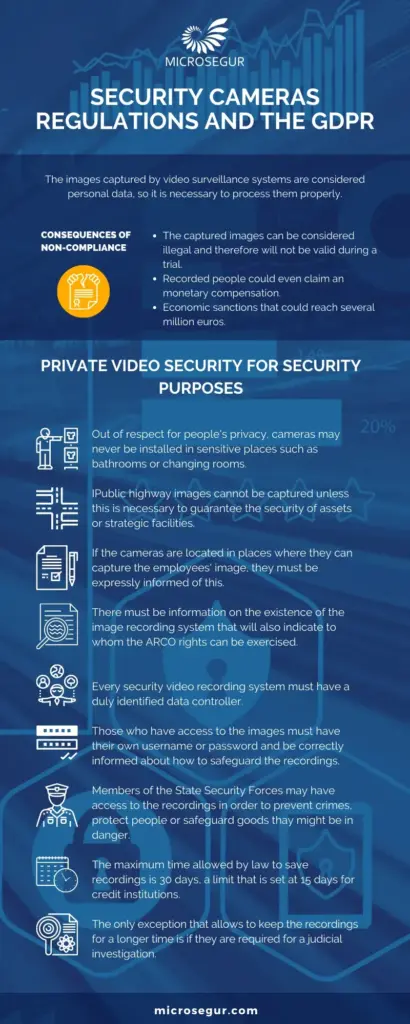
To ensure compliance with data protection CCTV regulations, homeowners should assess camera placements to limit recordings to their property, regularly delete unnecessary footage, inform individuals they are being recorded, and respond to requests for recorded data from individuals captured by the cameras.
What guidance is available for homeowners regarding home security camera rules?
Homeowners can find detailed guidance on home security camera rules on the Gov.uk website, which outlines necessary compliance with data protection regulations, CCTV usage protocols, and best practices for preventing privacy infringements.
| Key Point | Details |
|---|---|
| Awareness of Regulations | Homeowners with security cameras must be aware of strict regulations concerning video recording and data retention. |
| Legal Consequences | Violating security camera regulations can lead to criminal charges such as harassment or stalking. |
| GDPR Compliance | CCTV operators must comply with the UK General Data Protection Regulation and Data Protection Act 2018. |
| Proper Use of CCTV | Cameras should ideally only record the owner’s property; if they capture external areas, data protection laws apply. |
| Recording Limitations | CCTV use must be justified, not exceed necessary boundaries, and inform others when recording is taking place. |
| Footage Management | Homeowners should delete unnecessary footage regularly and provide access to recordings upon request. |
Summary
Security camera regulations are crucial for homeowners to understand in order to avoid legal ramifications. These regulations highlight the importance of compliance with data protection laws while emphasizing the ethical use of surveillance systems. Homeowners should ensure that their security cameras only capture their property and manage recordings responsibly to avoid potential harassment claims. Awareness of these regulations not only protects the individual homeowner but also secures community safety. For further information and detailed guidance, homeowners can refer to resources available on Government websites.