
Listen to this article
Navigating the secondary school appeal process can be daunting, especially following National Offer Day when parents receive news about their child’s school placement. If your child did not secure a place at your preferred school, understanding how to effectively appeal a secondary school decision is crucial. Many parents may find solace in knowing there are specific grounds upon which they can base their appeal, particularly if the school admissions code has not been adhered to. It’s vital to gather evidence and prepare your case, as the outcomes can significantly impact your child’s educational journey. Before the appeal school admission decision is finalized, ensure you are well-informed about the school appeal process to enhance your chances of a successful outcome.
The process of contesting a school’s admission decision can be essential for families seeking the best educational fit for their children. When faced with the stress of placement decisions, parents can explore their options within the realms of secondary school admissions appeals. This journey not only involves understanding the legal guidelines set by the school admissions code but also gathering compelling reasons that highlight the unique needs of their child. Certain circumstances may warrant a closer examination of how the school placed applicants, allowing parents to advocate effectively for an alternative placement. By leveraging the school appeal process, families can fight for their child’s right to an education that caters to their specific aspirations and requirements.
Understanding National Offer Day: Key Dates and Expectations
National Offer Day is a significant date in the academic calendar, marking when parents and guardians find out which secondary school their child has been allocated for the upcoming year. In 2026, this day falls on the 2nd of March, and many parents will feel the mounting pressure to secure a suitable educational placement for their child. If your child receives an offer that isn’t favorable, it’s crucial to understand that you have grounds to appeal. Each parent is granted a specific timeline—20 days from the notification to either accept or initiate an appeal, ensuring they fully explore their options.
As the clock ticks, parents should prepare for both potential scenarios: celebrating a successful placement or rallying resources for an appeal. Anticipating this day requires parents to be well-informed, so when the decision letter arrives, they can immediately assess the next steps needed should the news be disappointing. Understanding the appeal process and knowing your rights regarding school admissions can create a more confident atmosphere when navigating this often stressful time.
Frequently Asked Questions
What is the deadline for filing a secondary school appeal after receiving my child’s admission decision?
You typically have at least 20 school days from when the school sends the decision letter to file a secondary school appeal. It’s essential to check the specifics in your notification letter as deadlines can vary.
What grounds can I use to appeal a secondary school admission decision?
You can appeal a secondary school admission decision on two main grounds: 1) if the admissions policy has been incorrectly applied or violates the School Admissions Code, and 2) if the negative impact on your child of not getting a place outweighs the impact on the school and other students.
How do I prepare for a secondary school appeal?
To prepare for a secondary school appeal, gather evidence and documentation that supports your case, such as letters from teachers, medical records, or information about your child’s needs that the school can specifically address. Ensure you submit this information by the admission authority’s deadline.
What can I expect during a secondary school appeal hearing?
During a secondary school appeal hearing, you will meet with a panel of independent individuals. The admission authority will present their reasons for denying the application, followed by your opportunity to explain why your child should be admitted. The panel will then decide based on the adherence to the admissions criteria and the grounds of your appeal.
How long will it take to receive a decision from my secondary school appeal?
You will generally receive the decision from your secondary school appeal within 5 school days after the hearing. This timeframe allows the panel to review the case thoroughly before reaching a conclusion.
What should I do if my secondary school appeal is unsuccessful?
If your secondary school appeal is unsuccessful, you can request a review of the decision, but this is typically only granted in specific circumstances. You can also consider applying to other schools with available places.
Can I appeal multiple secondary school admission decisions?
Yes, you can appeal against each secondary school admission decision separately. However, you can only submit one appeal per rejection.
What details should be included in my secondary school appeal letter?
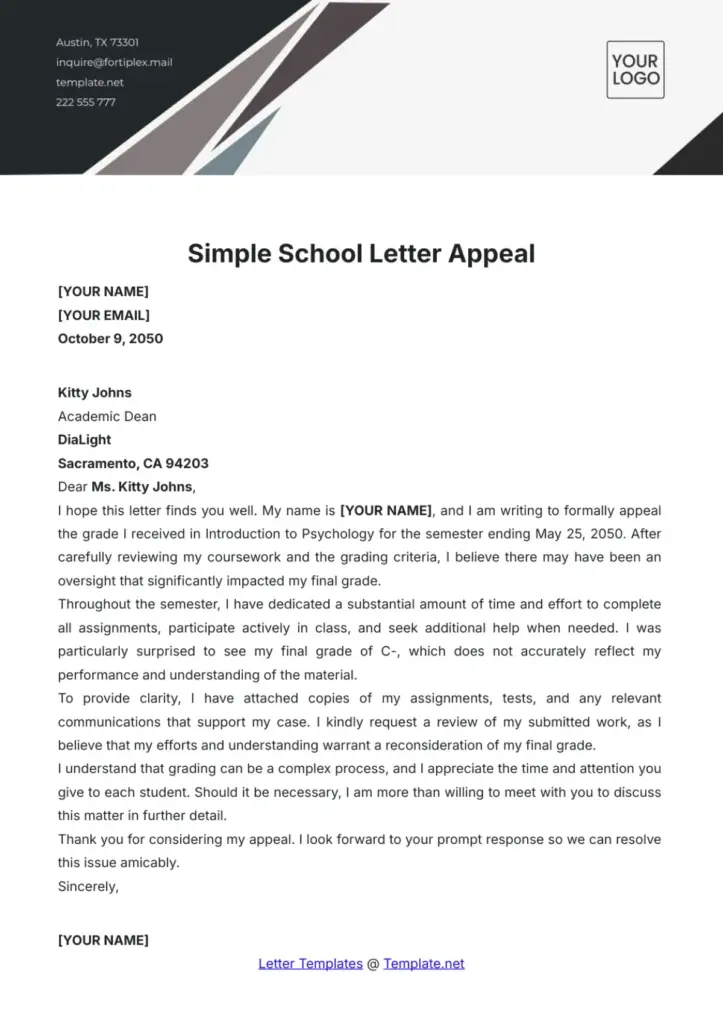
Your secondary school appeal letter should include your child’s details, the specifics of the rejected application, the grounds for your appeal, supporting evidence for your claims, and any particular circumstances that may strengthen your case for admission.
Is it possible to appeal a secondary school placement based on health needs?
Yes, if your child has specific health or learning needs that the desired secondary school can accommodate better than the allocated school, this can be a valid ground for appeal.
What happens if I miss the deadline to submit my secondary school appeal?
If you miss the deadline to submit your secondary school appeal, your case may not be considered, and the hearing could be postponed. It is crucial to adhere to the timelines set by the admission authority.
| Aspect | Details |
|---|---|
| Timeline for Appeals | You have at least 20 school days from the decision letter to appeal. |
| Grounds for Appeal | 1. Violation of School Admissions Code 2. Disadvantage to Child vs. Impact on Others |
| Examples of Valid Appeals | – Health/learning needs – Academic potential – Specialization in a field – Long and complex commute – Language offerings – Emotional needs regarding previous bullying |
| Appeal Procedure | 1. Hearing panel consists of three or more individuals. 2. Admission authority explains rejection. 3. Parents present their case. 4. Appeals panel determines validity based on criteria adherence. |
| Timeline for Hearing Decision | You will generally receive the decision within 5 school days after the hearing. |
Summary
In conclusion, appealing a secondary school decision can be a challenging yet necessary process for many parents. Understanding the grounds for a successful secondary school appeal—such as violations of admission policies or significant disadvantages to your child—can greatly enhance your chances of success. Proper preparation, including meeting deadlines and presenting solid evidence at the hearing, plays a crucial role in making your case. Being informed about the appeal process provides parents with the tools needed to advocate effectively for their child’s educational needs.