Listen to this article
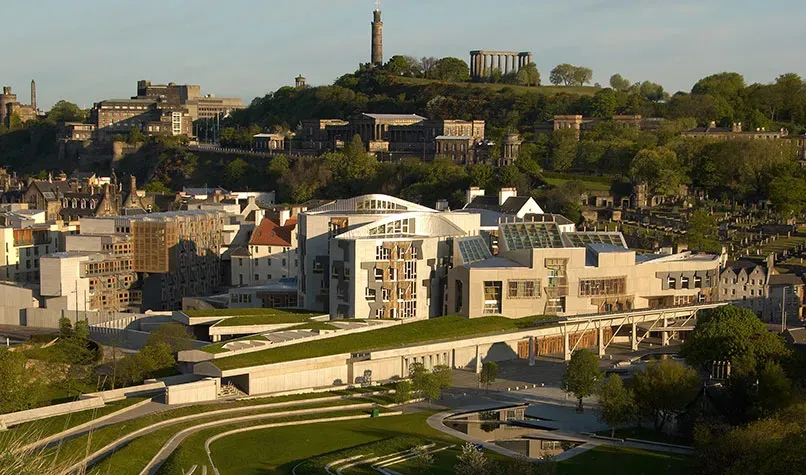
The Scottish Budget 2026-27 is poised to unveil crucial tax and spending plans that will shape Scotland’s financial landscape for the coming year. As anticipated, the Finance Secretary, Shona Robison, will present the draft Budget, focusing on allocations for vital sectors like health, education, and transport. With a commitment to maximizing resources, the Scottish government must navigate a £1 billion shortfall while addressing pressing challenges such as the rising cost of living and climate change. This year’s budget discussions are particularly significant, occurring just months ahead of the Holyrood election, emphasizing the stakes for both the Scottish National Party and its opposition. Expect extensive coverage as Scotland budget news unfolds, detailing the implications of these funding decisions on public services and the Scottish economy.
As the financial landscape of Scotland takes shape, the anticipated announcement of the 2026-27 Scottish Budget brings vital insights into the government’s fiscal strategy. This blueprint, characterized by its tax and expenditure plans, is essential for funding key areas including healthcare, education, and public welfare. The Finance Secretary’s upcoming presentation is critical, especially given the constraints posed by a looming budget shortfall and competitive political dynamics. With themes of resource optimization and addressing socio-economic challenges, the Scottish Budget outline is not just a fiscal document; it reflects the government’s priorities ahead of the electoral cycle. Stakeholders are keenly watching for updates on how these budgetary measures will influence ongoing societal issues such as the cost of living and environmental sustainability.
Introduction to the Scottish Budget 2026-27
The anticipation surrounding the Scottish Budget 2026-27 is palpable, with key details on tax and spending plans eagerly awaited by the public and stakeholders alike. Set to be announced by Finance Secretary Shona Robison, the budget will outline the financial allocations for critical sectors such as health, education, transport, and welfare. This budget is especially significant as it comes in the lead-up to the Holyrood election, making it a pivotal moment for the ruling Scottish National Party (SNP) as they seek to solidify their governance and gain public support.
With an approximate value of £60 billion in recent years, the Scottish Budget is a vital instrument for resource allocation across various sectors. The Finance Secretary has emphasized the need to make “tough choices,” aiming to create a balanced budget that maximizes available resources amid challenging economic times. The investment in public services, particularly in the NHS, remains a priority area, reflecting the Scottish government’s commitment to safeguarding citizens’ well-being.
Key Priorities in the Scottish Government Budget for 2026-27
As part of the Scottish Budget 2026-27, several key priorities have been highlighted by Finance Secretary Shona Robison. A significant focus will be on funding for health and education, two areas that have historically required substantial financial support. Investing in these sectors not only aids in providing essential services but also addresses pressing cost-of-living challenges faced by many Scots today. Furthermore, specific plans to tackle the climate crisis will also be outlined, showcasing the Scottish government’s commitment to sustainable development and economic resilience.
With significant financial challenges looming, including a projected £1 billion shortfall in the capital budget, the allocation of funds is more critical than ever. The Scottish government aims to use its budgetary framework to enhance the welfare and justice systems as well, recognizing that these elements are fundamental to societal stability and growth. The interplay between tax adjustments and public service funding will be crucial, with the Finance Secretary indicating that resource optimization will be a major factor in the budget formulation process.
Political Implications of the Scottish Budget Announcement
The announcement of the Scottish Budget 2026-27 carries substantial political implications, especially considering the SNP’s current position without a parliamentary majority. The government’s ability to pass the budget will heavily depend on securing support or abstention from opposition MSPs, making negotiations a vital part of the process. Political dynamics may shift based on the content of the budget, and the SNP’s electoral success could hinge on public reception to their tax and spending plans.
As the Scottish Conservatives propose income tax cuts and the Labour Party hints at an emergency budget plan, the landscape becomes increasingly competitive. The scrutiny faced by the proposed budget during the legislative process will be crucial to its success, as it will undergo three distinct stages before becoming law. Ensuring that the budget meets the needs and concerns of various stakeholders, including educational institutions and healthcare services, will be pivotal for garnering the necessary political support.
Public Concerns and Expectations for the Scottish Budget
Public concerns about funding for essential services, such as health and education, are at the forefront of discussions surrounding the Scottish Budget 2026-27. With ongoing cost-of-living challenges impacting households, there is a strong expectation that the government will address these issues comprehensively in their tax and spending plans. Numerous interest groups and citizens are anticipating changes that reflect their needs, as well as a dedication to improving public service delivery.
Expectations extend beyond just funding for public services; there is also a demand for transparency and accountability from the Scottish government. As the budget outlines its priorities for spending, stakeholders will be closely watching to ensure that the proposed allocations are justified and well-managed. There remains a hope that the budget will not only address immediate concerns but also set a positive trajectory for future growth and sustainability across Scotland.
Funding Strategies in the Scottish Budget for Health and Education
A significant focus of the Scottish Budget 2026-27 will be the funding strategies aimed at health and education. Every year, these sectors demand substantial allocations, and this year is no exception as the government strives to enhance services amid rising demands. With political pressure to increase funding for the NHS in light of recent challenges, it will be interesting to see how Robison addresses these concerns while maintaining fiscal responsibility.
In education, the discussions around enhanced funding reflect not only immediate service requirements but also future workforce development. The Scottish government will need to balance the need for increased financial resources in schools and universities against other pressing economic demands. The outcome of these funding strategies will be critical for determining the overall direction of public policy and service availability across Scotland.
Expected Tax Changes in the Scottish Budget
Tax changes are anticipated to play a prominent role in the Scottish Budget for 2026-27, with discussions already aligning around potential adjustments to income tax and business rates. The SNP’s previous commitment to progressive taxation may lead to further developments that aim to alleviate financial pressures on lower and middle-income households. However, how these changes align with the broader economic context and political realities will be crucial for their implementation.
The stakes are high, as various parties, including the Conservatives and the Greens, push for differing tax proposals. The Greens advocate for new taxation on specific sectors, while the Conservatives focus on reducing tax burdens to foster economic growth. The ultimate decisions made regarding tax reforms will significantly impact the delivery of public services, further underlining the importance of strategic planning in the upcoming budget announcement.
Scrutiny and Challenges Ahead of the Scottish Budget
Following the announcement of the Scottish Budget 2026-27, the scrutiny process will be critical in determining its fate. The budget will undergo rigorous examination in three distinct stages before it can be enacted into law, providing a platform for opposition parties and stakeholders to voice their opinions. This scrutiny represents a crucial opportunity for MSPs to ensure accountability and transparency in the government’s spending decisions, reflecting the democratic value of public representation.
Moreover, the challenges associated with securing the necessary support for the budget from opposition parties, particularly amidst a minority government scenario, cannot be overlooked. The opposition’s response could significantly influence the budget’s content and its overall acceptance. The careful navigation of these political dynamics will be essential in achieving a successful fiscal framework that meets Scotland’s needs.
Key Reactions from Political Leaders on the Budget Plans
Political leaders across Scotland have expressed varied viewpoints regarding the impending Scottish Budget 2026-27. The Scottish Conservatives have been vocal about the need for cuts in income tax and reforms to business rates, arguing that these changes are essential to alleviate financial burdens on families and businesses. Leader Russell Findlay has criticized the SNP for the rising costs faced by Scots, highlighting the urgency for responsible budgeting and prioritizing economic growth.
On the other side of the political spectrum, Anas Sarwar of the Labour Party has indicated skepticism about the potential of the forthcoming budget to enact real change for Scots. His comments allude to a possible emergency budget should his party win the upcoming elections, suggesting a commitment to fundamentally reassessing fiscal priorities. Such reactions underscore the competitive nature of the budget debate, with each party keen to position itself as a defender of public interest.
The Role of the Media in Reporting Scottish Budget News
The media plays a crucial role in disseminating information regarding the Scottish Budget 2026-27, ensuring that the public remains informed about tax and spending plans. Outlets such as BBC Scotland are committed to providing comprehensive coverage, including live broadcasts of key announcements and in-depth analysis of the budget’s implications. This level of media engagement is essential for fostering public discourse and accountability surrounding governmental financial decisions.
Moreover, media coverage contributes to the transparency of the budget process, enabling commentators and the public to critically assess the government’s strategies regarding funding for health, education, and other vital services. The scrutiny that comes from public interest is instrumental in shaping future budget frameworks, ensuring that they align with the needs and expectations of the Scottish populace.
Frequently Asked Questions
What are the key components of the Scottish Budget 2026-27?
The Scottish Budget 2026-27 will outline the tax and spending plans for various sectors, including funding for health, education, transport, welfare, and justice systems. Finance Secretary Shona Robison plans to highlight how these funds address cost of living challenges, improve the economy, and tackle the climate crisis.
When will the Scottish Budget 2026-27 be announced?
The Scottish Budget 2026-27 will be announced on [insert date], with Finance Secretary Shona Robison delivering her speech at 14:20 in Holyrood, followed by an hour of questioning from opposition MSPs.
What financial challenges is the Scottish government facing in the 2026-27 Budget?
In the 2026-27 Budget, the Scottish government has to balance a £1 billion shortfall in the capital budget, which is essential for long-term projects and services such as road maintenance, alongside the additional £750 million from UK government spending decisions.
How does the Scottish Budget 2026-27 impact public services?
The Scottish Budget 2026-27 is expected to prioritize investment in public services, particularly focusing on the NHS, to address rising demands while also aiming to mitigate cost of living challenges for residents.
What is the political context surrounding the Scottish Budget 2026-27?
The Scottish Budget 2026-27 comes just four months before the Holyrood elections, and the SNP, not holding a majority, may need support from opposition MSPs, like Scottish Labour, to ensure the budget’s passage.
How might opposition parties influence the Scottish Budget 2026-27?
Opposition parties such as the Scottish Conservatives and the Greens are likely to push for amendments in the Scottish Budget 2026-27, advocating for tax cuts, increased funding in education, and new taxes for specific sectors.
What are the expected tax changes in the Scottish Budget 2026-27?
While details of tax changes in the Scottish Budget 2026-27 will be revealed in the official announcement, discussions indicate potential reforms including cutting income taxes and introducing new taxes for casinos and estates as proposed by the Greens.
What role does the public have in the Scottish Budget process?
Public input is a critical aspect of the Scottish Budget process, and citizens can engage in discussions and provide feedback on proposals that affect their communities, particularly concerning health and education funding in the Scottish Budget 2026-27.
How will the Scottish Budget 2026-27 address the climate crisis?
As part of its commitment to tackle the climate crisis, the Scottish Budget 2026-27 is expected to include funding allocations aimed at sustainable initiatives and projects that support environmental policies alongside traditional services.
Will the Scottish Budget 2026-27 lead to emergency plans by opposition parties?
There are indications that should the Scottish Budget 2026-27 fail to meet expectations, opposition parties like Labour may propose emergency budget plans, especially if they gain power in the upcoming elections.
| Key Point | Details |
|---|---|
| Announcement Timing | Scottish government’s draft Budget for 2026-27 to be announced at 14:20 in Holyrood. |
| Finance Secretary’s Warning | Shona Robison warns of ‘tough’ decisions required to balance the Budget. |
| Focus Areas | Funding for health, education, transport, welfare, justice, and potential tax changes. |
| Political Context | The announcement is ahead of the Holyrood election, with the SNP aiming for re-election. |
| Budget Challenges | SNP faces a £1 billion shortfall in the capital budget essential for projects and services. |
| Opposition Dynamics | SNP needs support from opposition MSPs to pass the Budget; Labour may abstain. |
| Criticism and Proposals | Scottish Conservatives, Labour, Greens, and Lib Dems have differing views on the Budget. |
| Next Steps | The Budget will go through three stages of scrutiny before becoming law. |
Summary
The Scottish Budget 2026-27 is set to reshape public services and respond to ongoing challenges in Scotland. Finance Secretary Shona Robison will highlight tough decisions regarding funding amidst a backdrop of significant financial constraints. With political tensions rising and a lack of majority support, the path to ratifying these budget plans will require diplomatic engagement with opposition parties. As various political factions propose their alternatives, the Budget’s future hinges on balancing fiscal responsibility with the pressing needs of the Scottish populace. The successful implementation of this Budget could have lasting implications on Scotland’s economic landscape as the government strives to secure essential services and address personal and collective financial challenges.