
Listen to this article
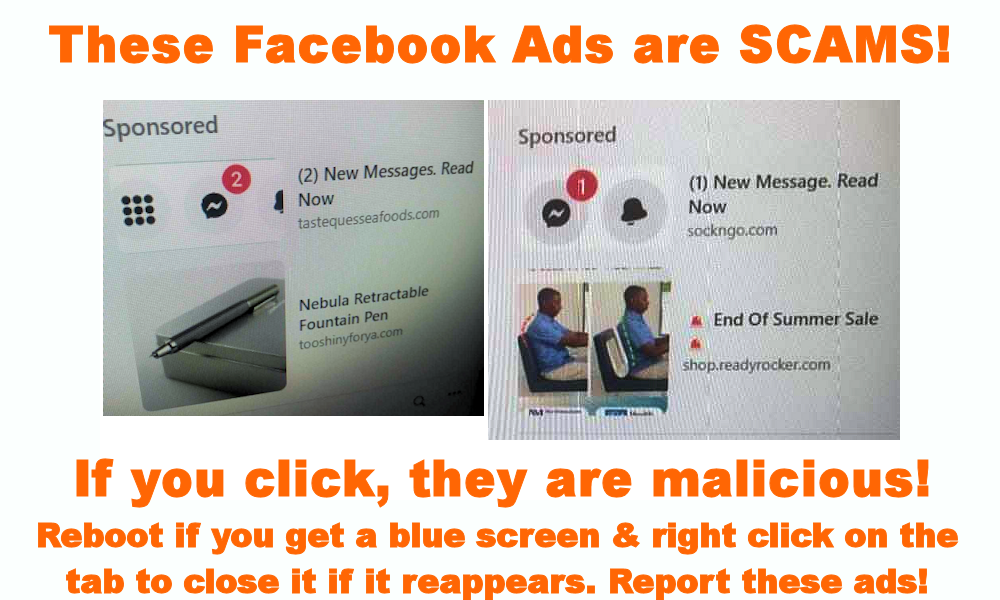
Scams on Facebook Ads have become an alarming issue for online shoppers, as numerous individuals fall prey to deceptive practices enabled by the platform. Misleading advertisements, often featuring alluring AI-generated images, entice users into purchasing from fake online businesses that seem trustworthy. Reports have surfaced of people being lured by enticing promotions and familial backstories, ultimately finding themselves victims of impersonated brands. With consumer protection agencies raising concerns, it’s evident that Facebook must take immediate action to curtail these rampant scams. As users navigate the social media landscape, awareness of such fraudulent activities is crucial to safeguard their online shopping experiences.
The realm of deceptive online marketing tactics has been intensified by the rise of scams surrounding social media advertisements. Dubbed as digital trickery, these misleading promotions frequently leverage AI-crafted visuals and narratives to impersonate legitimate businesses. Unsuspecting consumers may unknowingly engage with fake brands that promise high-quality products but deliver subpar items instead. As discussions around consumer safety increase, particularly regarding Facebook scams, it is essential for users to remain vigilant. By recognizing the signs of these deceitful practices, shoppers can better protect themselves against dropshipping scams and ensure a safer online shopping environment.
Understanding Facebook Scams
Facebook scams have become increasingly prevalent, particularly through misleading advertisements that lure unsuspecting consumers into making purchases. Fraudulent sellers often utilize AI-generated images to create an illusion of legitimate businesses, exploiting the trust of users who frequent social media platforms. Such scams can take various forms, including fake online boutiques that promise quality products but deliver subpar items instead. More than 60 individuals reported these experiences to the BBC, illustrating the widespread issue of scams on Facebook, where victims are sometimes left without recourse after falling prey to deceptive marketing.
The ecosystem of Facebook is ripe for scams, especially when it comes to e-commerce. Scammers often emulate reputable brands or fabricate enticing offers that lead consumers to believe they are purchasing from legitimate businesses. For example, brands like Chester & Claire have been flagged for using AI-generated storefronts that do not even exist in real life. This misuse of technology not only undermines consumer trust but also highlights the need for stricter regulations and enhanced consumer protection measures to mitigate the impact of such fraudulent activities.
Frequently Asked Questions
What are the main types of Facebook scams involving ads?
Facebook scams primarily include fraudulent ads that misrepresent fake online businesses, often using AI-generated advertisements to lure potential customers. These scams typically involve dropshipping schemes, where goods are sourced from abroad, packaged as local products, and sold at inflated prices to unsuspecting consumers.
How can I identify scams on Facebook ads to protect myself?
To identify scams on Facebook ads, watch out for offers that seem too good to be true, pressure tactics like limited-time discounts, and newly created accounts posing as established businesses. Always verify the company’s legitimacy by visiting their official website directly instead of clicking on links in ads.
What steps does Meta take against fraudulent ads and Facebook scams?
Meta claims to actively combat Facebook scams by removing content from flagged businesses and collaborating with organizations like Stop Scams UK. They encourage users to report suspicious ads, which helps them refine their review processes and enhance consumer protection measures.
Are there specific warning signs to look for in Facebook ads from fake online businesses?
Yes, warning signs include unrealistic discounts, poorly designed websites, inconsistent branding, and overly polished AI-generated images. Additionally, businesses that promise free shipping or have suspicious returns policies should raise red flags.
What role does consumer protection play in addressing scams on Facebook ads?
Consumer protection is critical in addressing scams on Facebook ads as it ensures the rights and safety of consumers. Organizations like Which? emphasize that platforms like Meta must take more action to prevent fraudulent ads and adequately protect consumers from dubious business practices.
How can I report suspicious Facebook ads that appear to be scams?
You can report suspicious Facebook ads by clicking the three dots on the top right corner of the ad and selecting ‘Report ad.’ This action not only informs Meta of potentially harmful content but also contributes to their ongoing efforts to combat Facebook scams.
Why is there a rise in dropshipping scams on Facebook?
The rise of dropshipping scams on Facebook is attributed to the low barriers for entry in online retail. Unscrupulous sellers leverage AI-generated advertisements to create convincing storefronts, allowing them to mislead consumers while fulfilling orders from low-cost suppliers abroad.
Can consumer feedback improve the situation regarding scams on Facebook ads?
Yes, consumer feedback plays a vital role in improving the situation regarding scams on Facebook ads. By sharing experiences and leaving reviews on platforms like Trustpilot, consumers can expose fraudulent businesses and warn others, thus increasing overall accountability.
| Key Point | Details |
|---|---|
| Misleading Companies | Meta has been criticized for allowing misleading companies to operate on Facebook and Instagram. |
| Victims Reporting | Over 60 individuals claimed they were scammed by AI-generated advertisements posing as legitimate UK businesses. |
| Removed Companies | Meta has removed several fraudulent firms, including C’est La Vie and Mabel & Daisy, which misrepresented themselves. |
| Types of Scams | Many of the scams involved products that were shipped from Asia despite claims of UK origins. |
| Consumer Experiences | Customers reported poor quality products and misleading advertising from these deceitful companies. |
| Advice from Which? | Experts recommend caution towards ‘too good to be true’ offers and verifying company legitimacy directly. |
| Role of Advertising Standards Authority (ASA) | The ASA continues to combat misleading ads and encourages responsible advertising on platforms like Facebook. |
| Meta’s Response | Meta urges users to report suspicious ads to improve their review systems and protect consumers. |
Summary
Scams on Facebook Ads have become a growing concern as numerous individuals report being misled by fraudulent companies advertising on the platform. While Meta claims to be combating these scams by removing offending ads and working with organizations like Stop Scams UK, critics argue that more must be done to protect consumers. Shoppers are advised to stay wary of too-good-to-be-true offers and to verify businesses before making purchases. The ongoing issue underscores the need for better safeguarding measures and accountability from social media platforms to protect users from deceptive advertising practices.