Listen to this article
The recent Santorini earthquake swarm has captured the attention of both scientists and the public, as it unveils the complexities of volcanic activity in one of the world’s most beautiful locales. This remarkable seismic event, which involved tens of thousands of tremors, has raised questions about the underlying geological processes at work beneath the iconic Greek island. Scientists attribute the earthquake swarm Santorini experienced to the movement of molten rock, or magma, through underground channels over a period of three months. Through innovative monitoring techniques and the interpretation of seismic activity Santorini, researchers have established a promising relationship between the seismic patterns and potential volcanic eruptions. By enhancing our understanding of magma intrusion and employing advanced earthquake prediction methods, scientists hope to improve safety measures for both locals and visitors in this seismic hotspot.
The phenomenon highlighted by the Santorini earthquake swarm signifies an intriguing chapter in the study of geological unrest. This term describes a concentrated cluster of seismic tremors stemming from underground magma flows, potentially heralding future volcanic eruptions. Monitoring volcanic activity has become increasingly important, as evidenced by the extensive research undertaken to analyze the seismic activity surrounding Santorini. Alternative terminology such as ‘seismic unrest’ or ‘earthquake clusters’ emphasizes the dynamic nature of these geological occurrences, particularly when studying areas prone to volcanic threats. As scientists continue to refine their methods for predicting such events, the integration of advanced technology and ongoing research will be critical in ensuring the safety of those living in the shadow of these majestic yet unpredictable natural structures.
Understanding the Santorini Earthquake Swarm: Causes and Implications
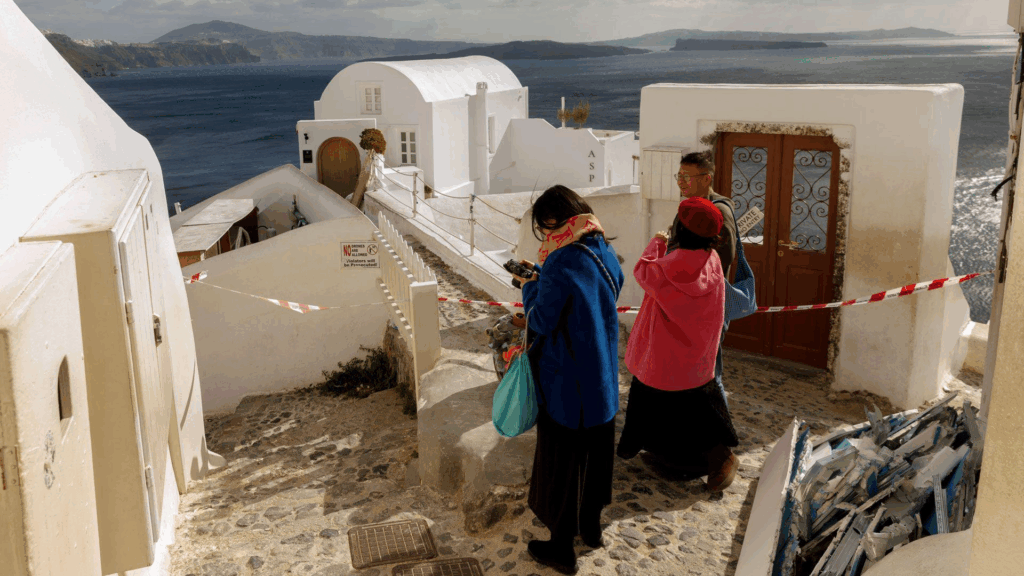
The Santorini earthquake swarm, which comprised over 25,000 significant earthquakes, was primarily triggered by the movement of magma through an underground channel. This extensive swath of seismic activity began in January 2025, creating worry among locals and tourists alike. The earthquakes registered at magnitudes exceeding 5.0, indicating that this was no ordinary seismic event. Scientists utilized advanced techniques, including artificial intelligence and 3D modelling, to analyze these tremors as virtual sensors, gaining insights into the geological changes occurring beneath the islands.
Through their research, scientists discovered that the movement of magma acted as a fundamental mechanism driving the earthquake swarm. The magma’s flow occurred within a 30 km channel deep beneath the sea, indicating potential risks related to volcanic activity. The intricate relationship between magma intrusion and seismic activity in Santorini exemplifies the need for continuous monitoring of volcanic regions where such activity poses a significant threat to both residents and visitors.
The Role of Volcanic Activity Monitoring in Earthquake Prediction
In light of recent events, the importance of volcanic activity monitoring cannot be overstated. Researchers suggest that monitoring seismic events in Santorini through techniques like artificial intelligence and physics is crucial for understanding future volcanic behavior. By analyzing earthquake patterns, scientists can develop more refined models for predicting when and where future eruptions might occur. This predictive insight is beneficial not only for scientific understanding but also for public safety in areas prone to such geological events.
Monitoring seismic activity has become a vital tool for disaster preparedness. In regions like Santorini, where past volcanic eruptions have caused significant damage, understanding the patterns associated with magma intrusion can inform evacuation procedures and community safety measures. The integration of AI into this framework allows for rapid analysis and forecasting capabilities, which could transform how authorities respond to emerging volcanic threats.
The Science Behind Seismic Activity in Santorini
The seismic activity experienced in Santorini represents a comprehensive interaction between geological processes. Scientists have established that the earthquake swarm was closely tied to magma movement beneath the surface, suggesting a direct correlation between seismicity and volcanic processes. Observing the changes within the Earth’s crust and utilizing AI for pattern recognition has enabled a more profound understanding of the dynamics at play in this historically volatile region.
By creating detailed 3D maps of the subsurface, researchers can visualize magma flows and their impacts on surrounding rock layers. Such insights not only deepen our understanding of volcanology but also support models that predict changes in seismic activity. As researchers continue to refine their methods and technologies for studying these phenomena, communities could be better prepared for potential volcanic eruptions, ultimately saving lives and mitigating damage.
Impacts of Magma Intrusion on Local Communities
The significant movement of magma beneath Santorini has critical implications for the local population and the broader ecosystem. With over 25,000 tremors felt over several months, residents experienced fear and uncertainty, particularly given the historical context of volcanic activity in the area. As scientists analyze these events, it is essential to communicate findings and predictions to the public to help alleviate concerns and promote preparedness.
Moreover, the influx of tourists in regions like Santorini, which rely heavily on their natural beauty and geological features, raises additional stakes. An understanding of the risks associated with ongoing seismic activities and the potential for future eruptions could influence tourist behavior and local economies. Thus, awareness programs highlighting volcanic risks and readiness plans are vital for both residents and visitors.
Future of Earthquake Prediction Models Using AI
The integration of artificial intelligence in earthquake prediction models marks a significant advancement in understanding seismic activity. Researchers believe that machine learning algorithms can analyze vast amounts of geological data to identify patterns indicative of upcoming eruptions. By treating earthquake swarms like the one in Santorini as data sources, scientists can enhance their predictive capabilities, potentially transforming disaster management strategies.
With AI’s ability to process real-time data, scientists can react more swiftly to rising seismic activity. Enhanced models of earthquake prediction not only provide insights into volcanic behavior but also improve safety protocols for populations living near active volcanoes. As research continues to evolve, the hope is to create a comprehensive system that can issue timely warnings whenever significant seismic patterns emerge.
Lessons from the Santorini Earthquake Swarm
The Santorini earthquake swarm serves as a critical case study for scientists and geophysicists worldwide. Understanding the underlying factors that led to this unprecedented seismic activity provides valuable lessons for monitoring and responding to volcanic unrest. The research highlights the importance of robust geological studies combined with advanced technology in deciphering complex natural phenomena.
Lessons learned from this seismic episode can inform future research in volcanic regions. The collaboration of interdisciplinary teams, including geologists and data scientists, underscores the necessity of leveraging different areas of expertise to tackle complex geological challenges. By continuously updating monitoring systems and improving prediction models, researchers can establish more effective response strategies and enhance community resilience against potential volcanic threats.
Geological Significance of Seismic Patterns in Santorini
The geological significance of the seismic patterns observed during the Santorini earthquake swarm provides insights into the natural behaviors of volcanic systems. The patterns detected through AI-assisted analysis not only reveal magma dynamics but also the stress distributions within the Earth’s crust. Understanding these patterns is crucial for geologists aiming to connect seismicity with potential surface eruptions.
Furthermore, the findings emphasize the importance of maintaining vigilance in regions like Santorini, where volcanic activity is not only historical but remains an immediate concern. Continuous geological research aids in the understanding of crustal behavior and can lead to enhanced models of volcanic risk assessment. As such patterns continue to inform scientific inquiry, collaborative efforts in volcanology will be essential for community preparedness and risk mitigation.
Preparedness Strategies for Volcanic Unrest in Santorini
As residents of Santorini and surrounding islands reflect on recent seismic events, developing effective preparedness strategies becomes paramount. Local authorities must create comprehensive plans that include evacuation routes, emergency supplies, and public education on volcanic risks. Collaboration with scientists and emergency management professionals will facilitate creating community resilience against potential eruptions, ensuring the safety of both residents and tourists alike.
Community engagement is a crucial element in preparedness strategies. Building partnerships with local organizations and incorporating resident feedback into planning can enhance the efficacy of emergency response protocols. Additionally, hosting informative workshops will empower individuals with knowledge about recognizing the signs of volcanic activity and knowing how to respond. This proactive approach minimizes panic during crises and fosters a sense of communal responsibility in the face of natural threats.
The Future of Volcanic Research in Seismically Active Regions
The future of volcanic research, particularly in seismically active regions like Santorini, is poised for transformation. The advancement in technologies such as AI and data modeling offers unprecedented opportunities for understanding complex geological systems. This evolution in research methodologies could lead to a paradigm shift in how scientists study volcanology, particularly in their ability to predict eruptions and manage public safety.
Moreover, increased collaboration among global research institutions will enhance the sharing of knowledge and resources necessary for tracking seismic activities. As scientific initiatives grow in depth and breadth, regions affected by volcanic and earthquake swarms can expect more accurate forecasts and preventative measures. The implications of this research are vast, spanning risk mitigation, public safety, and furthering our grasp of Earth’s dynamic processes.
Frequently Asked Questions
What caused the Santorini earthquake swarm earlier this year?
The Santorini earthquake swarm, which featured over 25,000 earthquakes, was triggered by the movement of molten rock or magma intrusions flowing through an underground channel. This seismic activity occurred beneath Santorini, Amorgos, and Anafi over a three-month period, marking significant volcanic activity monitoring.
How does volcanic activity monitoring work in relation to the earthquake swarm Santorini?
Volcanic activity monitoring during the Santorini earthquake swarm involved creating a 3D model of the Earth using AI to track seismic patterns and movements. Scientists analyzed each tremor as a virtual sensor, which helped them understand the underlying processes of magma movement within the Earth’s crust.
Is there a risk of another earthquake following the Santorini earthquake swarm?
The researchers currently believe the seismic activity from the Santorini earthquake swarm has subsided. However, magma can potentially ascend to the surface, which poses a risk for future eruptions. Continued volcanic activity monitoring is essential to predict any changes.
What role did artificial intelligence play in analyzing the Santorini earthquake swarm?
In the investigation of the Santorini earthquake swarm, scientists utilized artificial intelligence to analyze the large volume of data from the earthquakes. This helped them identify patterns and enhance the understanding of magma intrusion and seismic activity in real-time, which is valuable for future earthquake prediction.
What implications does the Santorini earthquake swarm have for future earthquake predictions?
The study of the Santorini earthquake swarm suggests that integrating AI with traditional physics can improve earthquake prediction capabilities. By closely monitoring patterns of seismic activity in regions like Santorini, researchers can develop better forecasting tools to assess volcanic activity risks.
How significant were the earthquakes in the Santorini swarm in terms of magnitude?
Many earthquakes during the Santorini swarm exceeded a magnitude of 5.0, indicating that they were strong enough to be felt by local residents and tourists. Their intensity raised concerns about potential eruptions and seismic threats in the region.
What should residents and tourists know about future seismic activity in Santorini?
While the current seismic activity has calmed, residents and tourists should stay informed through local geological reports and updates on volcanic activity monitoring. Awareness of potential future unrest is crucial for safety in this geologically active region.
What was the extent of magma movement during the Santorini earthquake swarm?
The study estimated that the magma movement during the Santorini earthquake swarm could fill around 200,000 Olympic-sized swimming pools, demonstrating a significant volume of magma that traveled horizontally through a 30 km channel beneath the seafloor.
| Key Points | Details |
|---|---|
| Earthquake Swarm Trigger | Molten rock movement through an underground channel. |
| Magnitude and Impact | Over 25,000 earthquakes, some exceeding magnitude 5.0, causing evacuations. |
| Research Methodology | Use of AI to analyze seismic patterns as virtual sensors. |
| Modeling Techniques | Creation of a 3D map to track seismic activity and stress in the Earth’s crust. |
| Magma Movement | Magma moved horizontally through a 30 km channel under Santorini. |
| Current Seismic Status | Activity has quieted, but possible future unrest remains. |
Summary
The Santorini earthquake swarm was a significant seismic event that showcased the dynamic nature of Earth’s crust and the influence of magma movement. Over 25,000 tremors were recorded, highlighting the area’s volcanic activity. Researchers utilized advanced technologies, including artificial intelligence, to analyze these quakes, navigating the complexities of seismic patterns. While current activity has diminished, the potential for future unrest suggests a need for continued monitoring, establishing Santorini as an important subject of study for volcanic forecasting.