
Listen to this article
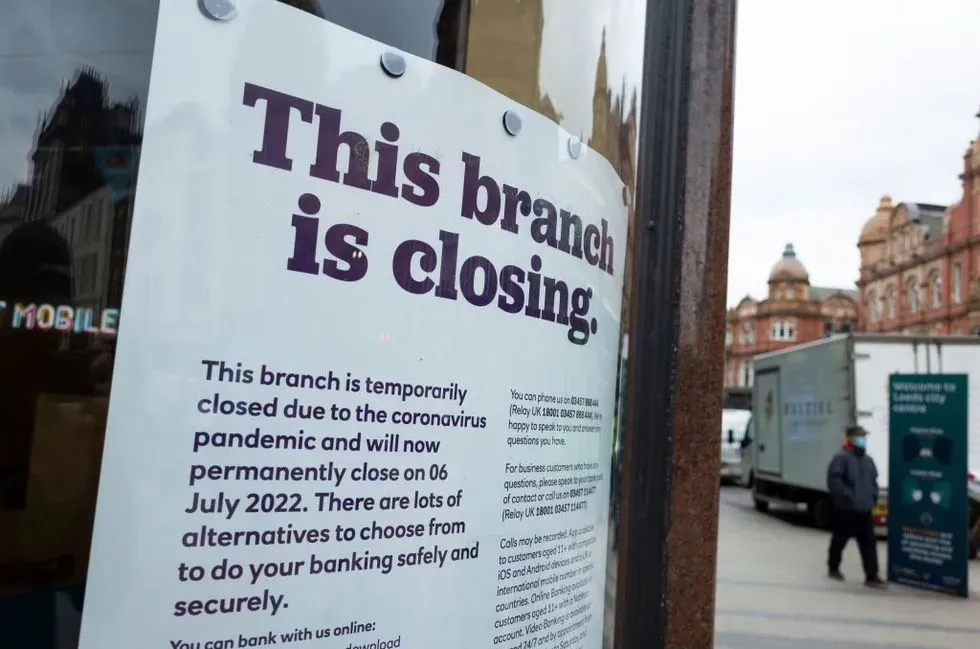
Santander is making headlines with its decision to close 44 branches, which puts 291 jobs at risk and raises concerns about the wider impact of bank branch closures across the UK. As the banking landscape shifts towards digital solutions, this closure is seen as part of a broader trend where more customers are opting for online banking services over traditional brick-and-mortar locations. Critics argue that these closures can significantly impact local communities, particularly the elderly and vulnerable individuals who depend on in-person banking access. With 96% of transactions now conducted digitally, Santander plans to maintain some level of support through banking hubs and Santander Locals in nearby areas. However, the question remains: how will these closures affect access to cash and essential banking services for those who still rely heavily on physical branches?
The recent Wave of closures in the banking sector, particularly by Santander, reflects a growing trend of financial institutions prioritizing digital banking over physical locations. The decision to downsize their branch footprint is raising alarms among local residents, especially those who may struggle with limited access to essential banking services. While such reductions aim to streamline operations and reduce costs, they also risk alienating communities that rely on personal interaction and cash access in their daily lives. As banks shift towards alternative means of providing support through local hubs and representatives, many are left wondering whether these measures are adequate in replacing the function of traditional banking establishments. The conversation surrounding these closures inevitably intertwines with the crucial issues of financial accessibility and community support in an increasingly digital world.
Impact of Santander Branch Closures on Local Communities
The recent announcement of Santander closing 44 branches has raised significant concerns regarding the impact on local communities. With 291 jobs at risk, the closures not only threaten employees’ livelihoods but also further limit access to essential banking services for residents. This move is part of a larger trend where banks are scaling back their physical presence, prompting fears of ‘banking deserts’—areas where residents lack access to local banks. While Santander offers digital banking services, many customers, particularly the elderly and marginalized groups, rely on physical branches for their banking needs.
Moreover, the closures come at a time when the UK is witnessing a transformation in banking dynamics. With a growing reliance on digital transactions—over 96% according to Santander—consumers are shifting their preferences; however, not everyone is equipped for this change. The lack of local banking facilities creates a disparity between those who can adapt to digital banking and those who find themselves excluded. This evolving landscape highlights the need for alternative banking solutions such as community banking hubs, which aim to bridge the gap for those who remain without access to essential banking services.
The Rise of Digital Banking Services and Their Implications
As Santander transitions towards a predominantly digital banking model, the implications are profound. Digital banking services have become increasingly sophisticated, offering convenience to tech-savvy customers who prefer managing their finances online. However, this shift raises questions about the future of customer service and the availability of personalized banking experiences. With many branches closing, customers might find it challenging to receive assistance, which could lead to frustration and dissatisfaction with banking services.
Despite the efficiency of digital transactions, issues regarding access to cash and banking support remain prevalent. Various communities, especially in rural areas, face significant challenges if they lose their local branches. To combat these issues, Santander is introducing banking hubs, located in accessible venues like libraries, which aim to provide essential services to those affected by branch closures. However, the effectiveness of these hubs will depend on their accessibility, frequency of operation, and awareness among the local population.
The Role of Banking Hubs in Community Support
In response to the ongoing trend of bank branch closures, banking hubs have emerged as a vital resource for communities seeking to maintain financial services. These hubs, managed by local Post Office teams, can be a lifeline in areas affected by decreased banking access. They allow residents from various banks to access essential services, thus helping to alleviate the impact of Santander’s decision to close its branches. This communal approach not only fosters a sense of solidarity but also ensures that critical banking needs are met in a changing financial landscape.
Furthermore, banking hubs offer a unique opportunity for collaboration among financial institutions to provide comprehensive services. By pooling resources, banks can ensure that a wider range of services remains accessible to the community while also reducing the financial burden of maintaining individual branches. This collaborative effort could serve as a model for future banking strategies, especially in regions facing significant challenges with access to cash and banking.
Access to Cash: A Growing Concern Amidst Bank Closures
With the decline of physical bank branches, access to cash has become a serious concern for many individuals, particularly the elderly and vulnerable populations. The closure of Santander branches and similar moves by other banks create a void in the availability of cash, which many rely on for daily transactions. Critics, including government ministers, assert that eliminating access to cash can exacerbate inequality, leaving certain groups disenfranchised amid the digital banking revolution.
To address these concerns, the introduction of banking hubs presents a potential solution, offering designated spaces for cash access and banking services. However, for these hubs to be truly effective, they must be accessible, well-publicized, and equipped with staff who can assist customers in navigating their financial needs. As the conversation around cash access evolves, it becomes crucial for banks to prioritize solutions that maintain financial inclusivity while adapting to the digital age.
Comparative Analysis: Santander vs. Nationwide’s Banking Strategies
In stark contrast to Santander’s recent branch closures, Nationwide has announced plans to open new branches to enhance customer access to banking services. This decision underscores a differing approach in the banking sector, focusing on community support rather than limiting physical presence. While Santander’s strategy reflects an industry trend towards digitalization, Nationwide’s commitment to expanding its footprint suggests a recognition of the ongoing need for face-to-face banking, especially among older demographics.
The comparison of these two banking giants showcases the divergence in strategies amidst a rapidly changing financial landscape. While digital banking is certainly the future, institutions like Nationwide are attuned to the reality that many consumers still require traditional banking experiences. This highlights that there is still considerable demand for accessible branch networks, which Santander’s closure strategy might overlook, thereby risking alienation among a portion of its customer base.
Future Trends in Banking: Bridging the Gap Between Digital and Traditional
As the banking industry evolves, the tension between traditional branch banking and digital services continues to shape consumer experiences. The increasing trend of branch closures reflects a paradigm shift towards online banking as the preferred method of managing finances. However, the importance of maintaining a balance between digital and traditional banking cannot be overstated. Banks need to explore innovative ways to bridge this gap, ensuring that they provide viable alternatives for consumers who still prefer in-person assistance.
Moving forward, the industry must adapt to incorporate multimodal banking options that cater to diverse customer needs. This includes enhancing digital platforms while simultaneously exploring solutions such as banking hubs and hybrid models that support hands-on interaction. By acknowledging the varied preferences in banking services, institutions can foster loyalty and trust, ultimately benefiting both the banks and their customers in this dynamic environment.
Community Responses to Banking Branch Closures
The community response to the recent spate of bank branch closures, including those of Santander, has been one of frustration and concern. Many residents feel that their financial needs are being neglected as banks prioritize profitability over community welfare. The reduction of local branches leaves many feeling isolated and cut off from essential banking services, forcing them to rely on often inadequate alternative solutions. Local leaders are calling for more robust solutions to ensure that all residents retain access to their financial resources.
Moreover, town hall meetings and community forums have sprung up in response to these closures. Citizens are voicing their experiences, advocating for the importance of accessible banking services that cater to vulnerable populations. This grassroots activism underscores the necessity for banks like Santander to engage with their communities and consider the profound implications of their operational decisions. An enhanced dialogue could pave the way for more equitable banking solutions that genuinely address the needs of all consumers.
The Role of Government in Monitoring Banking Policies
The role of government in responding to bank branch closures is crucial, as it directly impacts local economies and community well-being. With the increasing trend of banking consolidation and decreased physical presence, regulators must assess how these changes affect consumer needs, particularly in terms of access to cash and banking services. Legislators have raised alarms over the creation of ‘banking deserts’ and are pushing banks to maintain a minimum level of service in underserved areas where local branches have closed.
While regulatory interventions can play a key role in shaping banking policies, they must also balance the needs of financial institutions to adapt to changing consumer behaviors. The government’s engagement with banks like Santander to create frameworks that encourage sustainable practices while protecting consumers is essential for maintaining the financial health of communities. This collaborative approach can support initiatives that enhance access to banking resources while respecting the evolving landscape of the banking sector.
Consumer Adaptation to Banking Changes
As banks increasingly streamline their operations and embrace digital platforms, consumer adaptation is both necessary and inevitable. Many individuals have had to adapt to using digital banking services to manage their finances, leading to a significant cultural shift in how people approach their banking needs. While younger generations tend to embrace these digital tools, older consumers might face challenges in adjusting to the new normal, highlighting the importance of training and education in navigating digital banking.
This adaptation process emphasizes the need for banks, including Santander, to offer support and resources as customers transition to online banking. Workshops and one-on-one consultations can empower individuals to feel more comfortable with digital transactions. Maintaining a balance between educating consumers about digital banking while providing alternatives for those who prefer face-to-face interactions will play a crucial role in ensuring a seamless transition in the banking landscape.
Frequently Asked Questions
What are the reasons behind Santander branch closures?
Santander’s recent decision to close 44 branches is largely driven by a significant shift towards digital banking services, with 96% of transactions now occurring online. This trend reflects a broader move within the banking industry, where many banks are reducing their physical presence to focus on efficiency and cost reduction.
How will Santander branch closures impact local communities?
The closure of Santander branches can heavily impact local communities by limiting access to cash, particularly for elderly and vulnerable individuals. Critics have voiced concerns that these bank branch closures could create ‘banking deserts’, making it difficult for residents in certain areas, like parts of Yorkshire, to access vital banking services.
What alternatives does Santander offer after branch closures?
To mitigate the impact of branch closures, Santander has announced the introduction of banking hubs and Santander Locals, which are located in community centers and libraries. These banking hubs will operate one day a week, ensuring that customers still have access to financial services despite the branch closures.
What is the future of physical banking branches in light of Santander branch closures?
The future of physical banking branches seems to be waning as banks like Santander prioritize digital banking services. However, Santander has committed to maintaining some physical presence through various formats, including counter-free branches and banking hubs, though the trend remains towards fewer traditional branches.
How do Santander’s branch closures compare to other banks?
Santander’s branch closures are part of a broader trend in the banking sector, with other banks like Lloyds also planning to close over 100 branches. While Santander shuts down 44 branches, it is clear that many banks are reevaluating their physical locations in favor of digital solutions.
Are there any plans for new banking hubs due to Santander branch closures?
Yes, in response to Santander branch closures, plans have been initiated to establish new banking hubs. These hubs, managed by local Post Office managers, aim to provide essential banking services to customers from various banks in areas poorly served by bank branches.
What support does Santander provide to customers affected by branch closures?
Santander has stated that it will continue to invest in both its branch network and its digital banking services. Customers affected by branch closures can access support through nearby banking hubs, Santander Locals, and digital platforms to ensure they can manage their banking needs.
What can customers expect from digital banking services after Santander branch closures?
Customers can expect enhanced digital banking services following the Santander branch closures. With the majority of transactions shifting online, Santander is likely to invest in improving its mobile and internet banking experiences to cater to the growing demands of digital users.
How are Santander branch closures affecting job security?
The closure of 44 branches by Santander has put 291 jobs at risk, adding to previous job losses from the closure of 95 branches last year. This ongoing trend highlights the challenging landscape for employment within the banking sector amid reduced physical service needs.
| Key Point | Details |
|---|---|
| Branch Closures | Santander is closing 44 branches, impacting 291 jobs. |
| Previous Closures | Last year, Santander closed 95 branches affecting 750 workers. |
| Digital Transactions | 96% of transactions are now conducted digitally according to Santander. |
| Alternative Services | Santander will provide services at nearby banking hubs or Santander Local. |
| Wider Banking Context | Other banks, including Lloyds, are also planning extensive branch closures. |
| Criticism | Ministers have criticized bank closures for limiting cash access. |
| Community Impact | Concerns over ‘banking deserts’ in regions with limited banking access. |
| Nationwide Banks | Nationwide plans to open new branches despite previous closures. |
Summary
Santander branch closures have become a significant topic of discussion, as the bank announces plans to close 44 branches, putting 291 jobs at risk. This move is part of a broader trend among banks reducing physical locations in favor of digital services while simultaneously raising concerns about access to banking in various communities.

