
Listen to this article
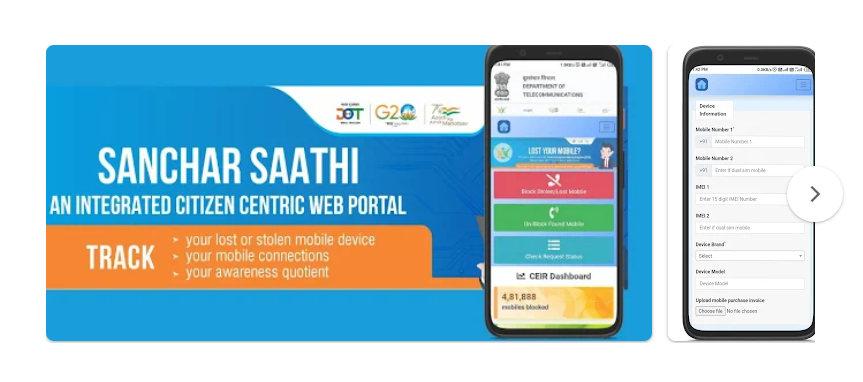
Sanchar Saathi privacy concerns have emerged as a significant issue following the Indian government’s mandate for the inclusion of this state-run cybersecurity app on all new smartphones within 90 days. Designed to assist users by verifying phone authenticity and reporting misuse, the Sanchar Saathi app also raises alarms about its invasive reach into sensitive device functionalities. Its ability to access calls, messages, and even the camera has spurred debates about privacy implications in an age where cybersecurity is paramount. Amid assurances from authorities that users can uninstall the app, many experts question the practicality of such claims, given the stringent restrictions on its functionalities. As India pushes forward with smartphone manufacturing compliance and far-reaching regulations, the Sanchar Saathi app embodies the growing intertwining of technology and state oversight, echoing similar global trends in digital governance.
Concerns surrounding the Sanchar Saathi application regarding user privacy have sparked intense discussions among Indian smartphone users and industry experts alike. This mandatory cybersecurity tool, intended to enhance the security measures associated with mobile devices, also highlights critical issues about government control and data accessibility. Similar to other nations tightening their grip on digital security protocols, India’s requirements for smartphone manufacturers to comply with the integration of such apps reveal a broader trend in global smartphone regulations. As debates arise over the app’s intrusive capabilities, especially its access to personal communications, it is imperative to consider the balance between protecting users and infringing on their rights. The implications for smartphone privacy and cybersecurity will continue to evolve as the landscape of tech compliance shifts.
Understanding India’s Smartphone Regulations
In India, recent legislation mandates that all smartphones sold in the country must come equipped with the state-sponsored cybersecurity application, known as Sanchar Saathi. This move is part of a broader effort by the Indian government to enhance digital security in an increasingly connected world. With over 1.2 billion mobile users, the government’s decision aims to ensure that smartphones provide mechanisms for tracking, verifying authenticity, and reporting misuse. Such regulations echo actions taken in other nations, further emphasizing a trend towards greater state oversight on digital devices.
However, the implementation of these regulations poses significant compliance challenges, especially for smartphone manufacturers operating on an international scale, such as Apple and Samsung. Companies must navigate complex operational requirements while ensuring their devices meet the mandatory deadlines set forth by the government. The strain of these regulations may lead manufacturers to reconsider their market strategies in India as they balance regulatory compliance with user satisfaction and privacy.
Frequently Asked Questions
What are the privacy implications of the Sanchar Saathi app in India?
The Sanchar Saathi app raises several privacy implications due to its ability to access sensitive information such as calls, messages, and photos. While designed to help users verify their smartphones and report misuse, its extensive access to device functionalities has led to concerns about government surveillance and the security of personal data.
How does the Sanchar Saathi app comply with India smartphone regulations?
The Sanchar Saathi app is part of India’s smartphone regulations mandating that new smartphones include a pre-installed cybersecurity app within 90 days. Compliance with these regulations is intended to enhance user security; however, it has sparked debates about the balance between regulatory compliance and individual privacy rights.
Can users delete the Sanchar Saathi app from their smartphones?
While the Indian government claims that users can delete the Sanchar Saathi app, experts have expressed skepticism about this assurance. Due to the app’s integration with essential phone functionalities, removing it may not be as straightforward as stated, raising privacy concerns about its persistent access to user data.
What is the purpose of the Sanchar Saathi cybersecurity app?
The Sanchar Saathi app aims to assist Indian smartphone users in verifying the authenticity of their devices, recovering lost phones, and preventing fraud. Despite its beneficial intentions, the app also brings forth significant privacy concerns due to its access to personal information on smartphones, which poses questions about user rights and data security.
What are the compliance challenges for smartphone manufacturers regarding the Sanchar Saathi app?
Smartphone manufacturers, particularly giants like Apple, face significant compliance challenges with the Sanchar Saathi app. The mandated pre-installation within 90 days of new smartphone releases presents logistical hurdles and raises concerns about potential pushback against regulations perceived as infringing on user privacy.
How does Sanchar Saathi reflect global trends in cybersecurity app regulations?
The Sanchar Saathi app mirrors a global trend in tightening cybersecurity app regulations that prioritize state oversight of digital devices. Similar regulations in countries like Russia signal a shift towards increased governmental control, raising important questions about user privacy and data autonomy in the digital age.
| Key Points |
|---|
| India mandates Sanchar Saathi app on new smartphones |
| Aims to verify phone authenticity and report misuse |
| Provides government access to device functionalities |
| Concerns about accessing calls, messages, and camera |
| Experts question feasibility of deleting the app |
| Launched in January to recover lost phones and prevent fraud |
| Compliance issues for manufacturers, especially Apple |
| Reflects a trend of increasing state control over digital devices |
Summary
Sanchar Saathi privacy concerns stem from the Indian government’s mandate for all new smartphones to include this cybersecurity app, raising significant questions about personal data safety. While designed to help users verify the authenticity of their phones and combat fraud, Sanchar Saathi poses privacy risks due to its extensive access to personal data. The backlash focuses on the extent of the surveillance capabilities inherent in the app, which can access sensitive information such as calls and messages. As users navigate this new landscape, awareness of the implications of Sanchar Saathi privacy concerns becomes crucial for maintaining personal security in an increasingly monitored environment.

