
Listen to this article
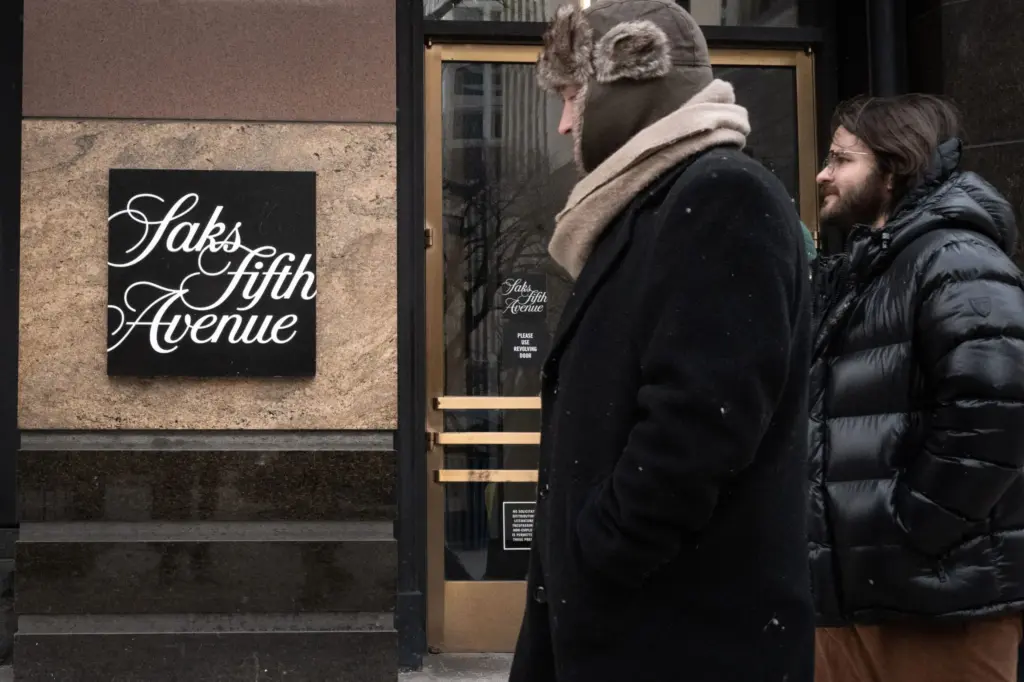
In shocking news for the luxury retail industry, Saks Global has filed for bankruptcy, sending ripples throughout the market and raising concerns about the long-term viability of Saks Fifth Avenue. The iconic retailer, which is known for its upscale offerings, is grappling with significant financial hurdles largely stemming from its recent Neiman Marcus acquisition and persistent inventory issues. As Saks struggles to manage its mounting debt and navigate shifting consumer habits, the question arises: what does Saks bankruptcy mean for the future of luxury retail? Industry analysts are closely monitoring the situation, especially as Saks faces criticism over its inability to meet customer demand and vendor expectations. With the landscape of high-end shopping rapidly changing, Saks Fifth Avenue news has become a critical focal point for those concerned about the broader implications of luxury retailer bankruptcy in today’s economy.
The recent developments surrounding the luxury department store chain Saks have put a spotlight on the broader challenges facing high-end retailers. Following its Chapter 11 filing, the financial instability of Saks has become emblematic of the struggles many luxury brands face in a volatile marketplace, particularly in light of changing consumer behaviors. The much-publicized acquisition of Neiman Marcus has compounded these issues, as the retailer now grapples with operational and inventory challenges while trying to redefine its place in the market. With Saks’ inventory problems garnering attention, observers are speculating how this may alter the competitive dynamics among luxury retailers. As the landscape continues to shift, the implications of Saks’ financial turmoil may resonate far beyond its flagship locations, impacting the luxury retail sector as a whole.
The Impacts of Saks Bankruptcy on Luxury Retail
The recent news of Saks filing for bankruptcy has sent shockwaves through the luxury retail sector, prompting discussions about the broader implications for the industry. As one of the most iconic names in luxury shopping, Saks’ financial struggles are emblematic of the challenges faced by luxury retailers today. The ongoing struggles of Saks, especially following their acquisition of Neiman Marcus, raise critical questions about the sustainability of high-end retail in a world increasingly dominated by e-commerce. With consumer preferences shifting and online shopping on the rise, many luxury retailers are grappling with outdated business models that don’t align with modern shopping behaviors.
Moreover, this bankruptcy comes at a time when Saks has not only been facing declining sales but also significant inventory issues, which have become apparent to customers. Reports from shoppers indicate that popular items are frequently out of stock, leading to frustration and a loss of brand loyalty. As luxury retailers confront the need to innovate their inventory management and customer engagement strategies, the situation at Saks serves as a cautionary tale for others in the sector. The question remains: can Saks successfully navigate its way through this bankruptcy to redefine its market position?
Saks Fifth Avenue’s Inventory Challenges
Inventory issues have plagued Saks Fifth Avenue for months, contributing significantly to the company’s current financial predicament. Shoppers are noticing persistent stock shortages, with certain products entirely unavailable in both the New York flagship and other locations. This lack of product availability not only frustrates loyal customers, like Penelope Nam-Stephen, but also undermines the brand’s reputation for luxury and exclusivity. Retail analysts point out that these inventory problems are a direct result of mismanaged cash flow and strained vendor relationships following the acquisition of Neiman Marcus, making it difficult for Saks to maintain a robust inventory.
In addition to inventory shortages, customer experience is suffering, as seen in recent account cancellations and unfulfilled orders. For instance, one customer, Richard Browne, expressed frustration after his order for Michael Kors jeans was abruptly canceled due to stock unavailability. This situation highlights Saks’ struggle to meet consumer expectations in a competitive retail landscape where immediate gratification is key. As traditional brick-and-mortar operations shift towards a more integrated online presence, Saks must address these inventory challenges not just to survive the current crisis but to regain the trust of luxury shoppers.
The Fall of Luxury Retail Giants
Saks’ bankruptcy is part of a troubling trend affecting luxury retailers, which have experienced a mix of overexpansion, increasing debt, and evolving consumer shopping habits. The iconic retailer’s struggles are mirrored by others in the sector, as many luxury brands find themselves unable to adapt quickly enough to a digital-first marketplace. Saks taking on billions in debt to finance its acquisition of Neiman Marcus has compounded its financial woes, leading to significant cash flow issues. As luxury retailers continue to confront this turbulent economic environment, it raises concerns about the viability of high-end retail in the coming years.
With luxury spending shifting towards brands that align more closely with consumers’ values and lifestyle preferences, established companies like Saks must reconsider their approach. The merger with Neiman Marcus, meant to create a retail powerhouse, has instead revealed deep-rooted issues within the industry, emphasizing the need for innovation and strategic agility. Retail experts caution that if these luxury giants fail to adapt, they risk witnessing a further decline similar to what led to Saks’ bankruptcy – a grim prospect for brands heavily reliant on established shopping norms.
Vendor Relationships in Crisis
The ongoing financial troubles at Saks have strained its relationships with essential vendors, many of whom have begun to sever ties due to delayed payments and inventory issues. Following the acquisition of Neiman Marcus, several suppliers reported a lack of reliable communication and fulfillment from Saks, which has posed a greater risk to their businesses. As highlighted by multiple vendors, payment delays have severely impacted their operations, creating a ripple effect throughout the luxury supply chain. The decision by finance firm Hilldun to halt new orders from Saks marks a significant deterioration in trust between Saks and its key partners.
This crisis in vendor relationships not only threatens Saks’ inventory acquisition but also its brand integrity. Suppliers depend on timely payments to sustain their operations, and when those expectations are unmet, it creates a toxic environment that is detrimental to maintaining high-quality merchandise and service. The luxury retail landscape relies heavily on the collaboration and trust between retailers and their suppliers, and Saks’ inability to uphold these relationships could lead to a cascade of adverse effects that further jeopardize its position in an already volatile market.
Leadership Changes and Strategic Missteps
Leadership changes at Saks have raised eyebrows amidst its financial turmoil, particularly following the recent resignation of former CEO Marc Metrick. The abrupt transition of leadership has left many industry observers questioning the company’s strategic direction and future management effectiveness. With Richard Baker returning to manage operations post-merger, there are concerns about whether he can mitigate the mistakes made during the Neiman Marcus acquisition and reposition Saks for a sustainable future. Analysts believe that such instability at the top could translate to ongoing challenges in the retail environment.
Additionally, the strategic missteps associated with the Neiman Marcus acquisition are now under scrutiny as Saks grapples with its inability to adapt to the changing retail landscape. Critics argue that Baker’s vision for Saks has neglected the evolving needs of their consumers, thus jeopardizing the company’s market share. If Saks is unable to cultivate effective leadership and a coherent strategy moving forward, the company risks remaining trapped in a cycle of financial struggles and inventory issues, further complicating its path through bankruptcy.
Future of High-End Retail During Economic Recession
The future of high-end retail remains uncertain, especially as companies like Saks navigate the economic recession and its residual effects on consumer spending. A significant portion of luxury purchases has shifted online, leading to enhanced competition from e-commerce platforms and luxury market disruptors. As evidenced by Saks’ struggles, many traditional retailers have been slow to adapt to these shifts, resulting in lost revenues and market relevance. Despite securing financial backing to continue operations, Saks must consider how to evolve its business model to attract a new generation of luxury shoppers who prioritize convenience and sustainability.
Retail analysts suggest that a focused approach towards enhancing the online shopping experience, coupled with thoughtful inventory management, is critical for Saks’ recovery. In a loaded marketplace where luxury consumers wield significant influence, brands must move beyond merely selling products; they need to cultivate strong brand experiences that resonate with their target audience’s values. Focusing on personalized services, exclusive offerings, and deepening customer engagement through online platforms could be foundational to regaining competitive advantage and ensuring Saks emerges from its bankruptcy with renewed vigor.
Consumer Behavior Shifts in Luxury Retail
Shifts in consumer behavior have played a pivotal role in Saks’ decline, as luxury shoppers increasingly prefer personalized shopping experiences and unique products over traditional retail feats. The pandemic has particularly influenced consumers to adopt more minimalist and cautious spending habits, challenging luxury retailers to rethink their value propositions. Saks’ inability to deliver consistently high inventory levels has left many shoppers feeling underserved as they turn to competitors who better anticipate their needs. This shift towards engendering loyalty through curated shopping experiences highlights the significance of adapting to evolving customer preferences.
Furthermore, consumer awareness around sustainability and ethical sourcing has grown, prompting luxury brands to align with these values or risk falling out of favor. More shoppers today are prioritizing brands that reflect their personal values, which poses a critical challenge for traditional retailers like Saks that have historically centered on exclusivity over broader social responsibility. To regain market share, Saks must address these shifts not only through inventory improvements but by adopting comprehensive strategies that resonate with the conscientious luxury consumer.
Long-Term Viability of Saks and Luxury Retail
As Saks navigates its Chapter 11 bankruptcy proceedings, the long-term viability of the retailer and the larger luxury market remains uncertain. Observers are keenly watching how Saks’ restructuring efforts will impact its future operations, particularly concerning its relationships with merchants and suppliers. Additionally, experts warn that the luxury market must reevaluate its relevance as consumer expectations evolve towards more sustainable practices and digital engagement. If Saks can effectively adapt to these changes, there is potential for recovery; however, the stakes are high, and the competition is fierce.
In conclusion, while Saks’ bankruptcy raises serious concerns about its future, it’s also reflective of the broader challenges facing luxury retailers today. The changing landscape demands innovation and adaptability as key players in the luxury market strive to meet new consumer demands. As Saks works through its current crisis, it holds the power to redefine its role in the industry, setting a precedent for others grappling with the same challenges in a fast-evolving retail environment. Success in this climate will depend on embracing both technological advancements and shifting consumer preferences as a core to the company’s operational strategy.
Frequently Asked Questions
What led to the Saks bankruptcy filing?
Saks bankruptcy filing was primarily driven by financial struggles that escalated after the acquisition of Neiman Marcus in 2024. Despite hopes that the merger would bolster the brand, Saks faced mounting debt and severe inventory issues, resulting in double-digit sales declines and a missed $100 million interest payment.
How does the Saks Fifth Avenue news impact luxury retail struggles?
The recent Saks bankruptcy echoes ongoing luxury retail struggles as it highlights the significant challenges luxury department stores face, including supply chain disruptions, declining sales, and the shift to e-commerce. This situation exemplifies how many luxury retailers, including Saks Fifth Avenue, are grappling with a changing market landscape.
What are the inventory issues faced by Saks Fifth Avenue?
Saks has been dealing with substantial inventory issues, leading to out-of-stock situations for popular products both in-store and online. These problems have intensified since their acquisition of Neiman Marcus, causing frustration among customers and ultimately contributing to their bankruptcy proceedings.
What are the consequences of the Saks bankruptcy for Neiman Marcus?
The Saks bankruptcy could have significant repercussions for Neiman Marcus, as both retailers are under the same corporate umbrella. The bankruptcy process may strain resources, reduce operational capabilities, and further challenge their efforts to compete in the luxury retail market.
What does the Saks bankruptcy mean for its vendors?
The Saks bankruptcy has created turmoil for its vendors, many of whom are experiencing delayed payments and canceled orders. Frustrated suppliers have halted shipments, leading to a ripple effect that jeopardizes the availability of products at Saks Fifth Avenue and undermines vendor relationships.
How has Saks bankruptcy affected customer shopping experiences?
Customers have reported increasingly negative shopping experiences at Saks due to the bankruptcy situation, characterized by diminished inventory, canceled orders, and overall dissatisfaction. Shoppers are becoming less likely to choose Saks Fifth Avenue for their luxury retail needs as a result.
What financing has Saks secured during the bankruptcy process?
During its bankruptcy proceedings, Saks has secured $1.75 billion in financing from a group led by Bracebridge Capital and Pentwater Capital, which will help maintain operations and keep stores open while they navigate the restructuring process.
How did the Neiman Marcus acquisition influence Saks’ financial troubles?
The Neiman Marcus acquisition intensified Saks’ financial troubles by adding substantial debt—approximately $2.2 billion—which compounded existing financial instability. Executives expected cost savings from the merger, but the anticipated benefits did not materialize, leading to severe cash flow problems.
What measures is Saks taking to address its financial issues?
To address its financial issues, Saks is attempting to restructure its operations while exploring asset sales to raise cash. However, ongoing vendor challenges and inventory shortages complicate their recovery efforts post-bankruptcy filing.
| Key Point | Details |
|---|---|
| Bankruptcy Filing | Saks Global files for Chapter 11 bankruptcy, raising questions about its future. |
| Financial Struggles | The company faces significant financial issues stemming from high debt and changing consumer habits. |
| Major Acquisition | Saks acquired Neiman Marcus for $2.7 billion in 2024, but anticipated benefits were not realized. |
| Vendor Relations | Frustration among vendors due to payment delays and stock shortages has intensified after the merger. |
| Leadership Changes | Richard Baker has replaced Marc Metrick as CEO amid ongoing challenges. |
| Inventory Issues | Customers report significant availability problems with products in-store and online. |
| Future Outlook | It remains uncertain if Saks can recover from its operational and financial missteps. |
Summary
Saks bankruptcy marks a significant chapter in the history of luxury retail in America. The iconic retailer, known for its premium offerings, faced mounting challenges that culminated in its Chapter 11 filing. This strategic move raises significant concerns for both shoppers and suppliers as the company battles a mix of heavy debts, vendor frustrations, and a failed acquisition. Saks has struggled to adapt to the shifting retail landscape, leading to inventory shortages and decreased consumer confidence. While the filing provides some breathing room financially, the path forward for Saks remains fraught with uncertainty.

