
Listen to this article
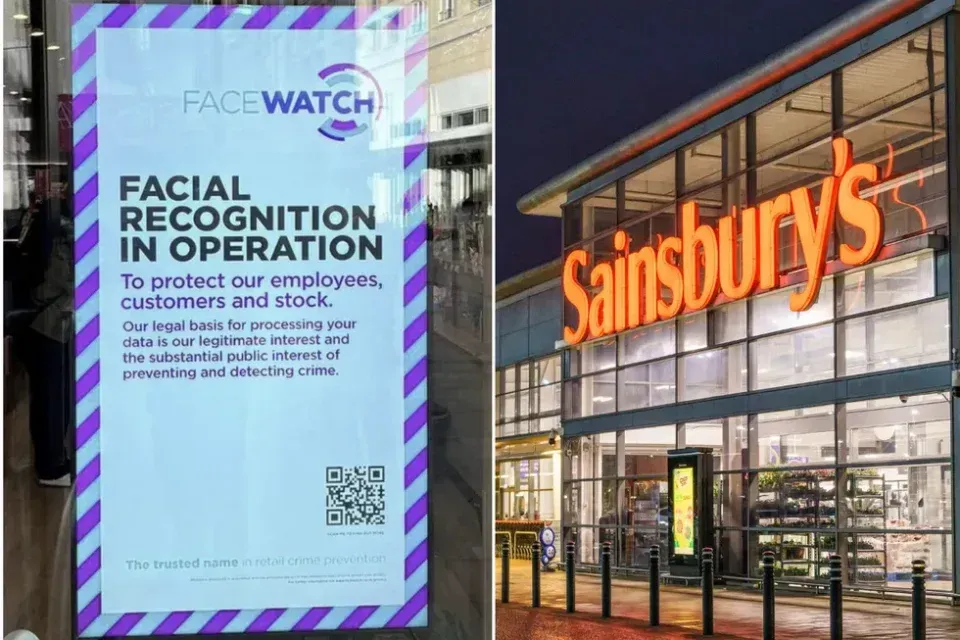
Sainsbury’s facial recognition technology has recently come under scrutiny following a disturbing incident involving a man who was mistakenly identified as a criminal and expelled from one of their stores. Warren Rajah, who was shopping in South London, experienced the unsettling reality of biometric surveillance when he was approached by staff and asked to leave without explanation, a situation he described as “Orwellian.” This incident has ignited discussions surrounding the Sainsbury’s controversy over the accuracy and ethics of such facial recognition technology, particularly as it relates to human error in stores and the potential for wrongful identification. Critics argue that relying on technology like Facewatch may compromise customer safety, especially when vulnerable individuals could face similar humiliating experiences. As Sainsbury’s continues to implement this surveillance system in response to rising concerns about theft and violence, the implications of misidentification raise significant questions about the balance between security and civil liberties.
The recent application of facial recognition systems by Sainsbury’s has sparked widespread debate regarding the use of biometric surveillance in retail environments. In an effort to deter crime and enhance customer safety, the supermarket chain has turned to advanced identification technology, including alternatives like Facewatch. However, incidents of misidentification, like the one encountered by Warren Rajah, highlight the potential pitfalls of these monitoring systems, which are meant to support staff but can inadvertently cause distress among shoppers. Critics argue that the array of ethical concerns surrounding such surveillance must be addressed, especially as businesses increasingly rely on automated security measures. Given the societal implications of technology in public spaces, it is crucial for organizations to reconsider their strategies to prevent human error and ensure that operational practices adhere to established standards of transparency and accuracy.
Understanding Sainsbury’s Controversy Over Facial Recognition
The recent incident at Sainsbury’s, where customer Warren Rajah was wrongly accused of being an offender due to facial recognition software misidentification, has sparked significant controversy. This situation highlights the moral and ethical dilemmas associated with implementing facial recognition technology in retail settings. While Sainsbury’s aims to enhance security and reduce instances of theft, the reliance on such technology can lead to severe repercussions when human error occurs. The response from Sainsbury’s emphasizes the importance of effective training for staff to manage the delicate balance of security and customer treatment.
Concerns surrounding biometric surveillance, such as that provided by the Facewatch technology used by Sainsbury’s, are becoming increasingly valid. Critics point out that the consequences of misidentifying customers can lead to unnecessary public embarrassment and psychological distress. This particular episode shines a light on the broader debate of privacy versus safety, and whether the benefits of such technology truly outweigh the potential risks involved.
The Role of Facial Recognition Technology in Retail
Facial recognition technology has gained traction in retail environments as a solution to rising concerns about theft and staff safety. In the case of Sainsbury’s, the implementation of Facewatch aimed to deter crime effectively. Initial statistics showed promising outcomes, reporting a significant reduction in theft and aggression incidents. However, the technology’s reliability depends greatly on the quality of its database and the human verification processes in place. With a reported accuracy of 99.98%, the stakes are high for retail operations relying on these systems.
It is essential to acknowledge the role of human involvement in the verification process of facial recognition technology. The incident involving Rajah underscores that even the most sophisticated systems can fall prey to human error. Retailers must integrate rigorous training programs for their employees to ensure they are knowledgeable about both the technology and the rights of customers. Stores must also prepare protocols for dealing with misidentification incidents to furnish customers with adequate recourse.
Human Error in Stores: A Rising Concern
The Sainsbury’s incident showcases the troubling reality of human error in stores that utilize facial recognition technology. As Rajah experienced firsthand, being misidentified can lead to significant public humiliation and distress. This concern is particularly acute for vulnerable individuals who may face added anxiety from such mistakes. The broader implications suggest that retailers must consider the psychological impact on customers, as well as establish clear procedures to minimize such errors in the future.
To mitigate the risks associated with human error, Sainsbury’s and similar retailers should be investing in continuous staff training sessions on both the technology’s functionality and customer engagement strategies. Furthermore, improvements in human oversight during the identification process can help reduce the margin of error. Retailers must also actively communicate the ways they are addressing these issues to boost customer confidence in their systems.
Impact of Biometric Surveillance on Customer Experience
The deployment of biometric surveillance through technologies like facial recognition has transformed the landscape of customer experiences in retail. Sainsbury’s intention to improve safety and deter crime through systems like Facewatch is commendable; however, it necessitates a careful balance to ensure that the customer experience remains positive. Misidentification, as seen with Warren Rajah, can disrupt this balance and impose a layer of fear and mistrust on shoppers.
To enhance customer experience while leveraging facial recognition technology, it is paramount for retailers to adopt transparent communication practices. Customers should be informed about how data is collected and used, as well as the measures taken to protect them from wrongful identifications. Establishing a feedback mechanism where customers can voice their concerns can guide improvements and foster trust.
The Future of Facial Recognition in Retail
Looking ahead, the future of facial recognition technology in retail will rely heavily on addressing the shortcomings highlighted by incidents like Rajah’s. While the technology holds the potential to significantly enhance security, its application must evolve to prioritize customer rights and privacy. As regulations surrounding biometric data continue to develop, retailers may need to adopt stricter guidelines to ensure compliance and fairness.
Moreover, as public awareness of privacy rights grows, retailers that effectively demonstratively engage with their customer base regarding the use of such technologies will likely gain a competitive advantage. By fostering trust and transparency, as well as developing robust training and oversight processes, Sainsbury’s and others can build a model that embraces innovation while safeguarding customer dignity.
Legal Considerations Surrounding Facial Recognition Technology
The incident involving Sainsbury’s has raised essential legal questions regarding the use of facial recognition technology in retail. Legal and policy experts are urging organizations to implement rigorous oversight and ensure compliance with existing regulations. The need for transparent practices is vital, as consumers have a right to understand how their data is being used and the safeguards in place to protect them.
Furthermore, it is crucial for retailers to establish robust procedures to address potential misidentification promptly. Legal insights from organizations like Big Brother Watch emphasize the importance of accountability and the duty of care that retailers have toward their customers. As the discussion around biometric surveillance continues, retail companies must navigate this landscape carefully to maintain both compliance and consumer trust.
Addressing the Psychological Effects of Misidentification
The psychological impact of being misidentified through facial recognition technology in retail environments cannot be overstated. Warren Rajah’s experience serves as a stark reminder of the emotional toll such incidents can take on individuals, particularly those who may already be vulnerable. Public humiliations can lead to long-lasting scars, impacting one’s shopping habits and overall trust in retail stores.
To address these psychological effects, retailers like Sainsbury’s should consider implementing support systems for customers who experience misidentification incidents. Providing clear avenues for recourse and ensuring that staff are trained to handle such situations with sensitivity can mitigate the fallout from these occurrences. Ultimately, fostering an empathetic environment is crucial for customer retention and overall satisfaction.
Evaluating Facial Recognition Accuracy and Reliability
The claims of accuracy regarding facial recognition systems like Facewatch are critical in evaluating their overall effectiveness. While Sainsbury’s emphasizes a high accuracy rate of 99.98%, skepticism remains regarding the validity of this statistic. Misidentification incidents, such as Rajah’s, highlight the need for continuous assessments of the technology’s performance and the factors influencing its efficacy.
Regular audits of the facial recognition databases, training protocols, and human oversight processes can help enhance reliability. As the technology evolves, retailers must also adapt their evaluation methods to ensure that they accommodate diverse customer profiles and uphold ethical standards.
The Ethical Implications of Biometric Technology in Retail
Implementing biometric technology like facial recognition in retail involves navigating complex ethical landscapes. Retailers must weigh the benefits of enhanced security against the potential for misuse and violation of customer privacy. The case of Sainsbury’s and the experience of Warren Rajah emphasizes the responsibility of retail organizations to consider how their practices may affect public perception and consumer rights.
Through engagement with ethical frameworks, retailers can establish guiding principles that uphold dignity and privacy. Upholding these values not only helps position a brand as trustworthy but also contributes to the long-term sustainability of biometric surveillance practices in retail.
Frequently Asked Questions
What are the ethical concerns regarding Sainsbury’s facial recognition technology?
Sainsbury’s facial recognition technology, specifically its implementation of Facewatch software, raises ethical concerns related to privacy and biometric surveillance. Critics argue that misidentification can lead to traumatic experiences for innocent customers, as evidenced by cases like Warren Rajah’s, who was wrongly identified as an offender. Additionally, the reliance on human error in processing alerts from such technology can exacerbate these issues, particularly for vulnerable populations.
How accurate is Sainsbury’s facial recognition technology?
Sainsbury’s claims that its Facewatch technology boasts a ‘99.98% accuracy’ rate for identifying offenders. However, individuals like Warren Rajah question the dataset used to achieve this level of accuracy, arguing that it may not adequately represent diverse body types and skin tones. Such concerns highlight the potential for increased misidentification and the socio-ethical implications of relying on biometric surveillance in retail.
What measures are in place to address human error in Sainsbury’s facial recognition system?
In response to incidents of human error related to Sainsbury’s facial recognition technology, the supermarket has committed to improving staff training at its stores, particularly following misidentifications like that of Warren Rajah. The Information Commissioner’s Office advises retailers to have robust procedures to ensure the accuracy and integrity of the information processed, emphasizing that retail staff should be carefully trained to minimize the risk of misidentifying customers.
What is the public reaction to Sainsbury’s use of facial recognition technology?
Public reaction to Sainsbury’s use of facial recognition technology has been mixed, with significant concern regarding privacy and the potential for wrongful accusations. Individuals such as Warren Rajah have voiced their anxiety about being misidentified, describing experiences as humiliating and traumatic. Organizations like Big Brother Watch have also raised alarms about the ramifications of privatized biometric surveillance, highlighting the need for clearer communication and accountability from retailers.
How does Sainsbury’s facial recognition technology work?
Sainsbury’s facial recognition technology, implemented through Facewatch, works by scanning the faces of customers within stores and comparing them against a database of known offenders. When a match is detected, store managers receive an alert to verify the identification of the individual. Despite the technology’s reported accuracy, cases of misidentification due to human error raise concerns about its reliability in real-world scenarios.
What has Sainsbury’s done to improve its facial recognition practices?
Following incidents involving misidentification, including the experience of Warren Rajah, Sainsbury’s announced plans to enhance staff training and ensure that employees are better equipped to handle alerts from its facial recognition technology. The goal is to reduce human error and improve customer interactions when biometric surveillance is in use, addressing both customer safety and staff security.
| Key Points | Details |
|---|---|
| Misidentification Incident | Warren Rajah was wrongly expelled from a Sainsbury’s store after staff misidentified him due to facial recognition technology. |
| Technology Implementation | Sainsbury’s has implemented Facewatch technology in six London stores to combat theft and violence. |
| Apology and Clarification | Sainsbury’s apologized for the incident, clarifying it was a human error, not a technology issue. |
| Rajah’s Concerns | Rajah expressed concern about the impact of misidentification on vulnerable customers. |
| Training Issues | Rajah questioned the training adequacy of Sainsbury’s staff regarding facial recognition alerts. |
| Follow-Up | Rajah had to provide personal information to Facewatch to clarify he was not in their records. |
| Reduction in Crime | Facewatch claims a 92% rate of offenders not returning and a 46% reduction in crime incidents. |
| Public Sentiment | Concerns were raised about privatized biometric surveillance and the trauma caused by misidentification. |
| Legal Perspective | The Information Commissioner’s Office emphasized the need for accuracy and integrity in personal data handling. |
Summary
Sainsbury’s facial recognition technology has faced scrutiny following an incident where a man was misidentified and removed from a store. This highlights significant concerns over the accuracy of such systems and the training of staff involved in their operation. The situation raised alarm bells about the potential for traumatic experiences, especially for vulnerable customers. Overall, while Sainsbury’s aims to improve safety through enhanced surveillance, the reliance on technology and the human element in its interpretation remains a contentious topic needing further address.