
Listen to this article
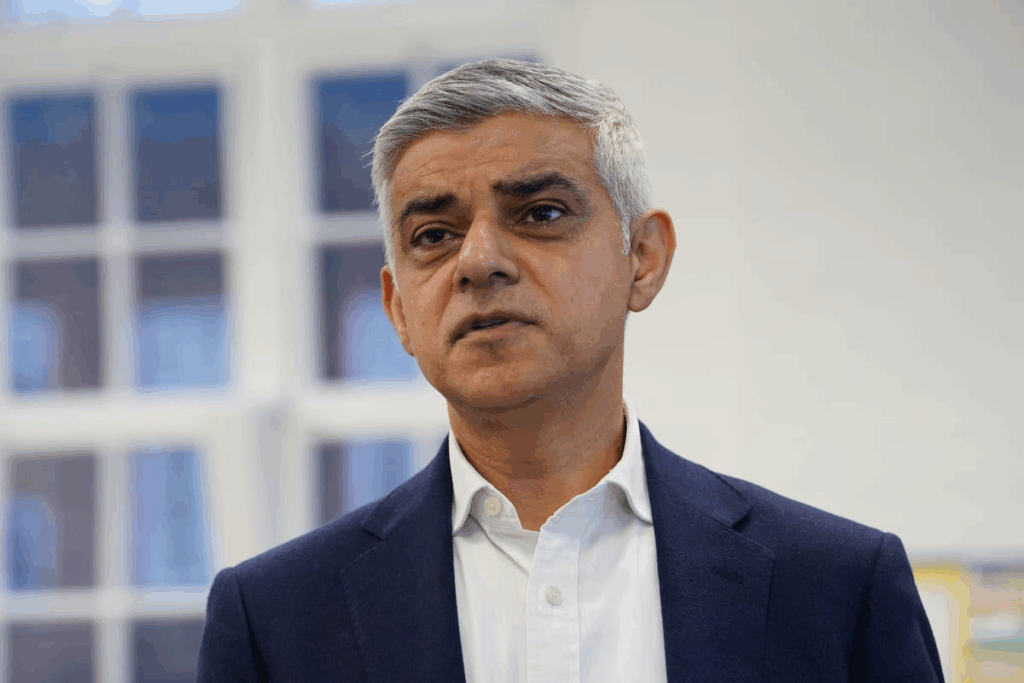
In a contentious political climate, Sadiq Khan, the Mayor of London, has been accused of insulting victims of grooming gangs after asserting that there is “no evidence of grooming gangs” operating within the capital. Critics, including Conservative politician Susan Hall, have challenged Khan’s statements during sessions with the London Assembly, emphasizing the seriousness of child sexual exploitation and dismissing the mayor’s perceived ignorance regarding this pressing issue. The Metropolitan Police investigation into cases of child exploitation suggests a troubling trend, as they currently review thousands of cases that could involve such gangs. The debate surrounding Sadiq Khan and grooming gangs underscores the complexity of addressing child sexual abuse while ensuring victim support and accountability. This situation continues to unfold, with implications for law enforcement and community safety efforts across London.
The recent controversy involving Sadiq Khan and the issue of grooming gangs highlights the urgent discourse surrounding child protection in urban environments. Such groups, often associated with systematic child sexual exploitation, have prompted renewed attention from authorities and advocacy organizations alike. As investigations by institutions like the Metropolitan Police reveal alarming statistics, the need for effective response strategies is more critical than ever. Hence, discussions at the London Assembly have delved deeper into the support structures available for victims, reflecting a growing recognition of these heinous crimes. The dialogue surrounding this topic not only addresses the immediate concerns of victimhood but also emphasizes the broader societal implications of child safety and justice.
Sadiq Khan’s Statements on Grooming Gangs
Sadiq Khan, the Mayor of London, has faced significant backlash for his remarks on grooming gangs operating within the city. During a meeting with the London Assembly, he stated that there is “no evidence of grooming gangs” in London, leading to accusations of insensitivity towards victims of child sexual exploitation. Critics, particularly Conservative member Susan Hall, argue that his dismissal of these concerns trivializes the trauma endured by victims, particularly those affected by grooming gangs. This statement has stirred a debate about the nature of child sexual exploitation in London and the responsibility of leaders to acknowledge and address the issue adequately.
Khan’s comments have sparked outrage among advocates and victims’ representatives who believe that acknowledging the existence of grooming gangs is crucial for public safety and effective police investigations. His stance raises questions about the ongoing work of the Metropolitan Police in addressing child sexual exploitation cases, and whether adequate resources are allocated to investigate this serious crime. The conversations surrounding grooming gangs are not merely political; they are deeply personal for many victims who seek justice and recognition for their experiences.
Child Sexual Exploitation in London
Child sexual exploitation remains a pressing issue in London, with various forms of abuse being reported. The complexity of the cases often involves predators grooming victims through manipulation, making it crucial for law enforcement and local authorities to take a proactive approach. Recent data indicates that the Metropolitan Police are currently reviewing thousands of cases related to child exploitation, highlighting the depth of the problem in the city. With significant focus on historical cases, many fear that current victims might be overshadowed in this extensive process.
Efforts to combat child sexual exploitation in London include the establishment of Operation Beaconport, which aims to scrutinize cases involving multiple victims and suspects. This initiative seeks to provide comprehensive investigations, but critics worry about the gaps in immediate support for ongoing victims. As awareness grows around these issues, it becomes clearer that a collaborative approach involving the Metropolitan Police, community leaders, and activists is necessary to ensure the safety and welfare of children in London. The need for continued dialogue and action is urgent to create a safer environment and promote a thorough understanding of child sexual exploitation.
Victims’ Voices and Accountability
The voices of victims play a crucial role in the discourse surrounding grooming gangs and child sexual exploitation. There is a growing demand for officials like Sadiq Khan to listen to these voices and acknowledge their experiences. Victims, represented by advocates and community organizations, emphasize that dismissive comments from leaders not only harm the community’s trust in law enforcement but also perpetuate a culture of silence around these issues. The call for accountability is strong, especially as more victims come forward seeking justice and validation.
Furthermore, as the Metropolitan Police investigates historical cases and works to address current incidents, it is essential that the system recognizes and amplifies victims’ experiences. By implementing policies that prioritize the needs of survivors, such as ensuring supportive resources are in place, authorities can better address the impact of grooming gangs. This requires an ongoing commitment to understanding the complexities of child sexual exploitation and ensuring that victims are not just statistics but are treated with the dignity and respect they deserve.
The Role of the London Assembly in Addressing Exploitation Issues
The London Assembly plays a vital role in scrutinizing the actions of the Mayor and holding them accountable on pressing issues like child sexual exploitation. The recent accusations against Sadiq Khan highlight the importance of the Assembly in ensuring that the Mayor takes victim concerns seriously. Members like Susan Hall serve as advocates for the community, demanding transparency and comprehensive action from the Mayor. As discussions unfold, the Assembly’s influence can shape public policy and push for necessary reforms, emphasizing a proactive stance on social issues affecting London’s most vulnerable citizens.
Additionally, the London Assembly’s oversight extends to the Metropolitan Police, which is crucial for ensuring that investigations into grooming gangs are thorough and just. This body has the ability to recommend measures and seek assurances from law enforcement that adequate resources are allocated to tackle child exploitation effectively. The intersection of politics and public safety underscores the need for legislative bodies to prioritize the voices of victims, shaping a framework that not only addresses past grievances but also prevents future ones.
Public Reactions to Grooming Gang Discussions
Public reactions to discussions about grooming gangs in London have been overwhelmingly charged with emotions, fueled by recent statements made by Mayor Sadiq Khan. Many Londoners are perplexed and outraged by the Mayor’s dismissal of the severity and prevalence of grooming gangs, leading to heightened demands for accountability and acknowledgment. Social media has become a platform for victims and advocates to voice their experiences and share the impact of these remarks, highlighting the collective frustration within the community regarding child sexual exploitation.
Moreover, this discourse has sparked wider conversations about safety protocols in public spaces and the measures being implemented by the Metropolitan Police. The push for public awareness and education regarding grooming gangs is paramount for community safety and victim support. Citizens are advocating for sustained public discourse that raises awareness about the tactics used by these gangs and provides resources for those in distress. The engagement of the public in these conversations is critical as it fosters a sense of agency and responsibility for collective community well-being.
The Impact of Police Investigations on Victims
As the Metropolitan Police embarks on extensive reviews of child exploitation cases, the impact of these investigations on victims cannot be underestimated. While thorough investigations are paramount to securing justice, they can also be challenging and retraumatizing for individuals who have experienced grooming and abuse. Victims often worry about reliving their traumatic experiences during interviews and inquiries, which can hinder their healing process. It is crucial for the police to ensure that victims are supported throughout these investigations.
Furthermore, the outcomes of these investigations play a significant role in shaping public perception and policy regarding grooming gangs. If the police can demonstrate a commitment to justice and protection of victims, it can lead to increased public trust in law enforcement and its ability to combat child sexual exploitation. However, if victims feel neglected or invalidated, it may lead to a further erosion of trust, making it even more challenging for authorities to address these crimes effectively.
Funding and Resources for Victim Support
In light of the ongoing issues surrounding grooming gangs and child sexual exploitation, funding and resources dedicated to victim support are more crucial than ever. Sadiq Khan has stated that he has provided record funding to combat violence against women and girls; however, there remains considerable doubt among critics about whether this funding effectively reaches those in need. Ensuring that there are adequate mental health services, legal support, and advocacy programs in place is essential for helping victims recover and rebuild their lives.
Moreover, the effectiveness of these resources can significantly impact how victims come forward to report their experiences. Comprehensive support systems that prioritize their well-being can foster an environment where victims feel safe to speak out, as well as encourage other potential victims to seek help. Public and governmental stakeholders must work collaboratively to ensure that funding is not only allocated but also utilized efficiently to create an effective network for victim support that addresses their unique needs.
The Importance of Community Engagement
Community engagement is a vital aspect in addressing the issues surrounding grooming gangs and child sexual exploitation in London. Local organizations and advocacy groups play a crucial role in educating residents about the signs of grooming and how to report suspicious activities. By fostering a community-oriented approach, residents can work together to create safer environments for children and vulnerable individuals. This proactive stance empowers communities to take ownership of their safety, thereby reducing incidences of exploitation.
Moreover, collaboration between local authorities, law enforcement, and community organizations can lead to innovative initiatives geared towards prevention and early intervention. Bringing together diverse voices ensures that all perspectives are heard, particularly those of victims and their families. Such collaboration not only enhances the effectiveness of responses to grooming gangs but also builds a supportive network for those affected by child sexual exploitation, making it a community priority to look out for one another and actively participate in ensuring safety.
Long-term Solutions to Combat Grooming Gangs
Combating grooming gangs in London requires long-term strategic solutions that address the root causes of child sexual exploitation. This involves comprehensive educational programs targeted at both young people and parents to raise awareness of grooming tactics. By equipping families with knowledge and resources, communities can work together to prevent exploitation before it occurs. Additionally, fostering healthy relationships within communities can create a support system for children, empowering them to speak out if they feel uncomfortable or threatened.
Furthermore, law enforcement agencies should focus on building community trust to encourage reporting of grooming gang activities. Engaging with communities and being transparent about the challenges and progress being made in addressing these issues can help bridge the gap between law enforcement and citizens. By prioritizing long-term collaboration, resource allocation, and educational initiatives, London can create a systemic approach to effectively combat grooming gangs and protect vulnerable individuals from exploitation.
Frequently Asked Questions
What are the accusations against Sadiq Khan regarding grooming gangs?
Sadiq Khan has faced accusations of “mocking” victims of grooming gangs after he stated there is “no evidence of grooming gangs” operating in London. This comment was made during a session with the London Assembly, where he was challenged by Conservative member Susan Hall regarding concerns of grooming gangs in the capital.
How has Sadiq Khan responded to concerns raised about grooming gang victims?
In response to concerns brought up in the London Assembly, Sadiq Khan acknowledged issues related to child sexual exploitation and abuse but emphasized that these cases differ from grooming gangs seen in other regions. He also referred to the establishment of a national inquiry led by Prime Minister Sir Keir Starmer.
What actions has the Metropolitan Police taken in relation to grooming gangs in London?
The Metropolitan Police are actively reviewing approximately 9,000 cases of child exploitation in London. Some of these cases will be examined under Operation Beaconport, which targets cases involving multiple suspects and victims, ensuring a thorough investigation into potential grooming gang activities.
What measures has Sadiq Khan implemented to support grooming gang victims?
Sadiq Khan has prioritized the protection of children and those exploited by abuse, as he stated during the London Assembly discussions. He has committed to enhancing support and has called for an inquiry into the Metropolitan Police’s handling of these cases to ensure effective measures are taken.
What has the London Assembly’s response been to Sadiq Khan’s comments on grooming gangs?
The London Assembly, particularly through members like Susan Hall, has expressed significant concern over Sadiq Khan’s dismissive remarks regarding grooming gangs. Members have demanded accountability and clarification from Khan, insisting that historical and current issues surrounding grooming gangs be taken seriously.
What is Operation Beaconport and its relevance to grooming gangs?
Operation Beaconport is an initiative by the Metropolitan Police focusing on cases of child exploitation that involve two or more suspects and multiple victims. This operation is significant as it revisits historical cases of potential grooming gang activity, providing a renewed effort to bring justice for victims.
How does Sadiq Khan plan to address child sexual exploitation in London?
Sadiq Khan has proposed several measures to combat child sexual exploitation in London, including increased funding for initiatives aimed at supporting victims and enhancing the operations of the Metropolitan Police to better address these critical issues.
Why is there a distinction made by Sadiq Khan between London and other areas regarding grooming gangs?
Sadiq Khan highlighted that while London faces challenges related to child sexual exploitation, he believes that the nature and prevalence of grooming gangs in the capital may differ from those reported in other parts of the UK. This has been a point of contention during discussions in the London Assembly.
| Key Point | Details |
|---|---|
| Sadiq Khan’s Statement | Claims no evidence of grooming gangs in London despite ongoing child exploitation issues. |
| Accusation by Susan Hall | Accuses Khan of mocking victims and demands an apology for ignoring grooming gangs concerns. |
| Response from Sadiq Khan | Explains the definition of grooming gangs and refers to a national inquiry on the issue. |
| Metropolitan Police Review | Reviewing 9,000 cases of child exploitation, with expectations to scrutinize hundreds potentially related to grooming gangs. |
| Operation Beaconport | Focused on cases involving multiple suspects and victims, and historical allegations. |
| Commitment to Child Protection | Khan claims to enhance protections for children and support for victims of abuse and exploitation. |
Summary
The topic of Sadiq Khan grooming gangs has sparked significant controversy, with the Mayor of London facing accusations of disrespecting victims. Khan’s assertion that there is no evidence of grooming gangs in London has drawn criticism from Assembly Member Susan Hall, who argues that the issue is being downplayed amid legitimate concerns over child sexual exploitation. With the Metropolitan Police reviewing thousands of cases, the implications of Khan’s comments could have lasting effects on public trust and safety. As investigations continue, it remains crucial for leaders to address these topics responsibly to ensure victims are heard and supported.