Listen to this article
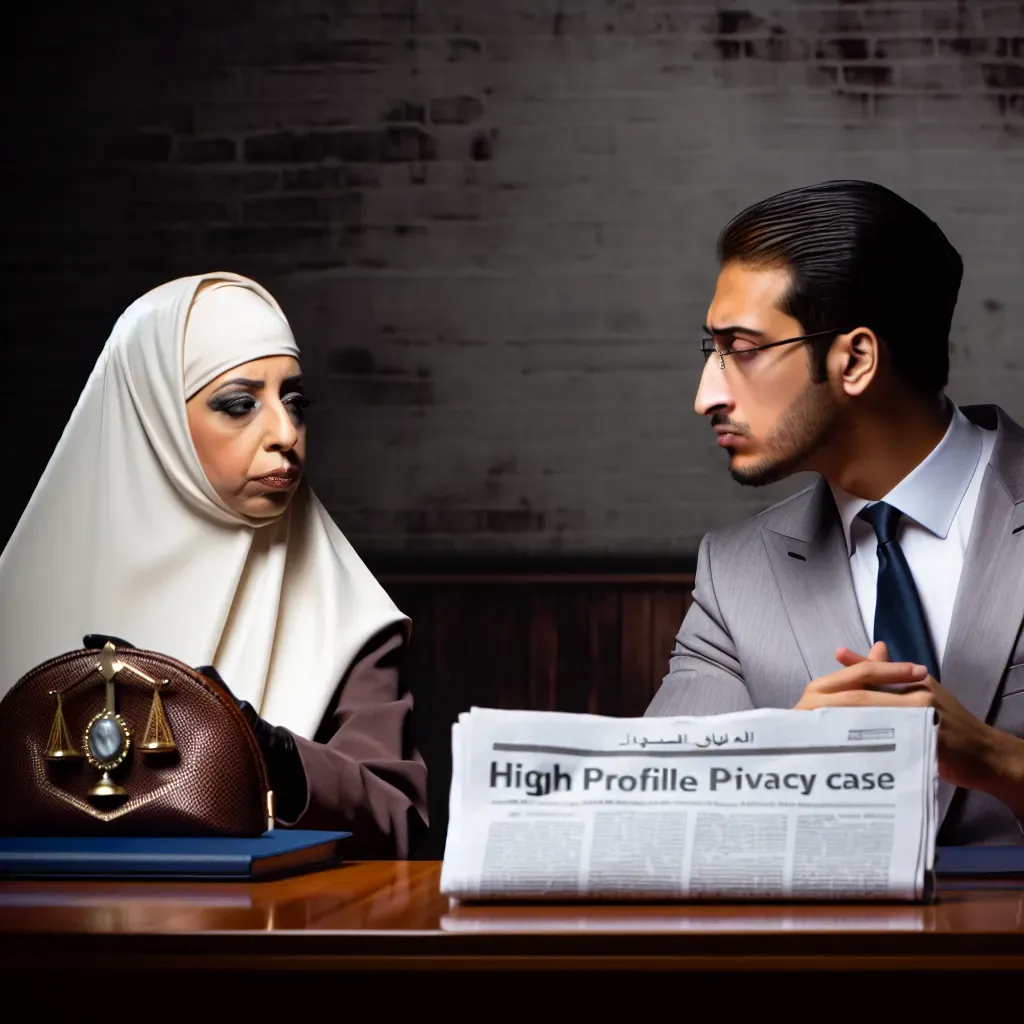
The Sadie Frost privacy breach case has ignited a significant outcry over the handling of sensitive personal information, especially concerning her ectopic pregnancy. Allegations surfaced as Frost, alongside other high-profile celebrities, accused Associated Newspapers of conducting unlawful information gathering that infringed on their privacy rights. The ongoing legal battle has drawn notable attention, not only because of Frost’s claims but also due to the broader implications it holds for celebrity privacy issues. Testimony from journalist Katie Nicholl revealed the unsettling nature of how personal medical details may have been obtained, raising ethical questions about the lengths media outlets will go for a story. As this Frost lawsuit update unfolds, it highlights a crucial intersection of media ethics and personal privacy that resonates throughout the entertainment industry.
The controversy surrounding Sadie Frost’s privacy violation is part of a larger discussion regarding how personal information about public figures is managed and disseminated. High-profile claims of misuse, as seen in the case against Associated Newspapers, suggest a troubling trend within the media landscape where invasive tactics may lead to serious breaches of confidentiality. With testimonies like that of Katie Nicholl shedding light on such practices, there is a heightened awareness of the consequences of ignoring boundaries in the quest for scoop-worthy news. This case not only illustrates the personal toll on individuals like Frost but also raises essential questions about the principles of ethical journalism amidst rising celebrity privacy concerns. As the trial progresses, the implications for both the media and affected individuals highlight the urgent need for reform in how information is acquired and reported.
The Fallout of Sadie Frost’s Privacy Breach Case
Sadie Frost’s ongoing case against Associated Newspapers represents a significant moment in the intersection of media ethics and celebrity privacy. As one of several claimants alleging breaches of privacy over a span of twenty years, Frost’s situation sheds light on the often murky practices within tabloid journalism. The core of the legal battle revolves around claims that sensitive personal details, particularly regarding her ectopic pregnancy, were unlawfully obtained by journalists. This case highlights the need for stricter regulations surrounding the privacy rights of individuals, especially public figures, who are frequently subjected to invasive reporting.
With Katie Nicholl’s testimony—pointing out the origin of the story tip from a freelancer with credible sources—there arises a broader conversation regarding ethical newsgathering. Nicholl’s denials of utilizing illegal means to access Frost’s medical information could suggest a gray area in the spirit of journalistic practices, where sourcing stories on sensitive matters can cross ethical lines. The implications of this case are vast, as they not only examine the actions of individual journalists but also challenge the policies of media organizations that may contribute to such breaches.
Katie Nicholl’s Testimony and Its Implications
Katie Nicholl’s testimony at the High Court sheds light on the nuances of celebrity reporting, particularly the lengths to which journalists might go to gather information. Her claim of receiving information from a well-connected freelancer raises questions about the legitimacy of journalist sources and the importance of vetting those sources rigorously. In a case where personal stories intersect with public interest, the pressures of deadlines and editorial expectations can sometimes lead to ethical dilemmas that compromise privacy. Nicholl’s assertion that she was merely seeking to ‘validate’ a story reflects a common practice in journalism but also demonstrates the potential pitfalls of relying on unverifiable information.
Moreover, the stark contrast between Nicholl’s assertions and criticisms from Frost’s legal team reveals the contentious nature of celebrity privacy issues. With Frost’s legal representatives alleging ‘blagging’ – impersonating to gain confidential information – the case underscores the aggressive tactics sometimes deployed in pursuit of sensational stories. The outcome of this case might set a precedent affecting how journalists and their sources operate moving forward, potentially affecting truthfulness in reporting and respect for personal boundaries.
The Broader Impact of Celebrity Privacy Issues
The ongoing legal saga involving Sadie Frost and Associated Newspapers sensationalizes broader celebrity privacy issues that have emerged in recent years. With high-profile cases drawing public attention, these disputes raise significant questions about the balance between media freedom and individual privacy rights. The allegations of unlawful information gathering aren’t just confined to Frost; other celebrities like Sir Elton John and Liz Hurley are also involved, asserting similar claims against ANL. This trend indicates a collective movement among public figures to protect their personal lives from intrusive media scrutiny.
In this context, the outcome of Frost’s case could resonate far beyond the courtroom, potentially ushering in stricter regulatory measures for media practices. As conversations around journalist ethics and respect for personal privacy intensify, other claimants may be inspired to pursue legal action against invasive reporting. The implications could be far-reaching, impacting how tabloids operate and ensuring that the voices of those impacted by media overreach are heard and respected.
Understanding the Role of Ectopic Pregnancy in the Case
Ectopic pregnancies are intricate medical conditions, and Sadie Frost’s past experience with one plays a pivotal role in the narrative of her lawsuit against Associated Newspapers. The sensitive nature of such an experience underscores the need for discretion in media reporting. Ectopic pregnancies pose severe health risks and are deeply personal situations often shrouded in emotional turmoil. The public dissemination of medical information without consent can not only exacerbate personal trauma for individuals but also raise alarms regarding ethical considerations in journalism.
The very essence of Frost’s claim centers around this private event in her life—a condition she shared only with a limited circle of trusted individuals. When such intimate details enter the public domain through dubious practices, the repercussions can be distressing for the individual involved. This case rests not only on the allegations of information theft but also on the ethical responsibility of the media to handle matters of health with the utmost sensitivity and respect.
The Importance of Media Ethics in Reporting
The unfolding case emphasizes the critical need for stringent media ethics in reporting, especially when it concerns topics as delicate as pregnancy. Journalists like Katie Nicholl, while defending their sourcing methods, bring to light the constant challenge between newsworthiness and respect for personal privacy. Ethical journalism should ideally encompass a commitment to truth-telling without crossing boundaries that can cause emotional or reputational harm to individuals. The historical context of privacy breaches raises reflections vital to the future of responsible reporting.
Moreover, adherence to ethical standards in journalism can enhance public trust. When media outlets prioritize ethical reporting over sensationalism, they not only protect individuals’ privacy but also contribute positively to the public discourse. As seen in Frost’s case, there lies an urgent imperative for journalists to critically assess their methods and intentions, ensuring that their pursuit of stories prioritizes accuracy and discretion equally.
Challenges to Privacy Rights in the Digital Age
In today’s digital landscape, the challenges to privacy rights are magnified, especially for public figures like Sadie Frost. As technology advances and personal information becomes increasingly accessible, media outlets face immense pressure to report swiftly on matters that may involve intimate or damaging details. This evolution necessitates a reconsideration of existing laws and protections for individuals, particularly in how media organizations gather information and the ethical implications of that information’s publication.
In light of Frost’s case against Associated Newspapers, the legal outcomes may prompt discussions about the adequacy of current privacy laws. With the increasing prevalence of digital surveillance and the rapid spread of information online, reform is needed to better safeguard individuals’ privacy rights. Enhanced legal frameworks could serve not only as protection for celebrities like Frost but also for the general public, ensuring that personal details are not exploited for entertainment without regard for the consequences.
Legal Precedents Set by Celebrity Privacy Lawsuits
The ongoing case involving Sadie Frost has the potential to create significant legal precedents in the field of privacy rights for celebrities. As Frost and her co-claimants challenge Associated Newspapers on allegations of privacy breaches, the outcome could redefine the legal landscape pertaining to how media entities operate when it comes to reporting on personal matters. Litigation of this nature raises questions about the boundaries of public interest and the rights of individuals to keep their private lives sheltered from the public eye.
As more celebrities begin to unify in their claims against invasive media practices, the legal discourse around this issue may evolve, pressing lawmakers to reconsider protections for privacy rights. The repercussions of Frost’s case may inform future celebrity lawsuits and inspire further actions against unethical reporting practices. Media outlets may need to adopt stricter ethical guidelines to prevent reputational harm to individuals who desire to keep aspects of their personal lives out of the public sphere.
Potential Implications for Journalistic Integrity
The implications of the legal actions taken by Sadie Frost and her co-claimants in the Associated Newspapers case extend to the very essence of journalistic integrity. As discussions around the ethics of sourcing and reporting continue to unravel in court, the need for responsible journalism practices becomes paramount. Journalists have an obligation to uphold standards that respect privacy while still fulfilling their role as informers of the public. Failure to adhere to these ethical standards can harm the credibility of journalism as a whole.
In light of ongoing testimony and revelations within the courtroom, the topic of journalistic integrity is more prominent than ever. This case could serve as a crucial turning point, compelling media outlets to reflect on their sourcing practices and the impacts they have on individuals’ lives. The discourse surrounding these ethical considerations must continue to evolve with the media landscape, ensuring that respect for privacy is central to journalistic endeavors moving forward.
The Role of Public Sentiment in Celebrity Cases
Public sentiment plays a crucial role in shaping the narratives around celebrity privacy issues, and the case of Sadie Frost is no exception. As the public follows this high-profile legal matter, opinions about the ethical practices of journalists and their responsibility to respect personal boundaries will undoubtedly shift. Social media platforms have amplified public discourse, allowing individuals to share their thoughts and experiences associated with media intrusion, and increasing pressure on media outlets to adhere to ethical standards.
Furthermore, as more celebrities publicly advocate for their right to privacy, the collective voice of public sentiment may drive changes in how the media approaches stories about public figures. The outcome of Frost’s case could influence just how much leeway the media has in depicting sensitive personal events. A greater awareness of privacy rights stemming from public outcry could greatly impact future journalistic practices, perhaps enforcing a narrative that champions ethical reporting in the face of prurient interest.
Frequently Asked Questions
What is the Sadie Frost privacy breach case all about?
The Sadie Frost privacy breach case involves allegations against Associated Newspapers for unlawfully obtaining sensitive information about Sadie Frost’s personal life, including details of her ectopic pregnancy. Frost, along with other claimants, accuses the publisher of significant breaches of privacy over a 20-year period, which Associated Newspapers denies.
How did Katie Nicholl’s testimony relate to the Sadie Frost privacy breach?
Katie Nicholl’s testimony in the Sadie Frost privacy breach case addressed claims that she obtained sensitive information about Frost’s ectopic pregnancy through unlawful means. During her testimony, she denied using illegal methods to gather information and insisted that her knowledge came from legitimate sources.
What kind of medical information about Sadie Frost was allegedly breached?
The Sadie Frost privacy breach involves the unauthorized acquisition of details regarding her ectopic pregnancy, which was a private matter she disclosed only to close associates. This information became a focal point in the trial against Associated Newspapers, highlighting privacy issues surrounding celebrity medical records.
What allegations were made against Associated Newspapers in the Frost lawsuit update?
The Frost lawsuit update reveals that Associated Newspapers is accused of embarking on a campaign of unlawful information gathering, including breaches of privacy concerning Sadie Frost’s ectopic pregnancy and other private matters. They deny all allegations made by Frost and the other claimants.
How does the issue of celebrity privacy relate to the Sadie Frost case?
The Sadie Frost case raises significant concerns about celebrity privacy, especially regarding the extent to which media outlets, like Associated Newspapers, may go to obtain personal information. This case is part of a broader discussion on the rights of celebrities to maintain their privacy amidst intense public scrutiny.
What impact has the Sadie Frost privacy breach case had on the reputation of journalists involved?
The Sadie Frost privacy breach case, including testimonies from journalists like Katie Nicholl, has led to reputational challenges for those accused of using unethical practices. Nicholl stated that her professional reputation suffered due to allegations of unlawful information gathering, emphasizing her commitment to using legitimate sources.
What can we expect from the ongoing trial regarding Sadie Frost’s privacy issues?
The ongoing trial concerning the Sadie Frost privacy issues is expected to conclude in March, with a detailed judgment anticipated later. As testimonies unfold, they will shed more light on the practices of Associated Newspapers and the validity of the claims made by Frost and other celebrities involved.
| Key Point | Details |
|---|---|
| Claim of Privacy Breach | Sadie Frost, along with other claimants, accuses Associated Newspapers of breaching their privacy, which the publisher denies. |
| Evidence from Katie Nicholl | Katie Nicholl, a former Daily Mail editor, states the tip about Frost’s ectopic pregnancy came from a freelance journalist; denies unlawful information gathering. |
| Details of the Pregnancy | Frost’s ectopic pregnancy occurred in 2003, shared only with the child’s father and a close friend. Ectopic pregnancies can be life-threatening. |
| Denial of ‘Blagging’ | Nicholl denies using private investigators or unlawful methods to obtain information for Wells’s pregnancy story. |
| Court Testimonies | The court heard about the intrusive nature of questions asked by Nicholl to validate the story; Frost denied the pregnancy claims. |
| Other Claimants | Other high-profile claimants against ANL include Sir Elton John, Liz Hurley, and Doreen Lawrence. |
Summary
The Sadie Frost privacy breach case highlights significant concerns regarding the handling of sensitive personal information by media outlets. Sadie Frost’s allegations against Associated Newspapers are part of a broader narrative reflecting ongoing struggles for privacy rights in the face of intrusive journalism practices. As this case proceeds in the High Court, it underscores the crucial need for ethical standards in reporting and the protection of personal health information.