Listen to this article
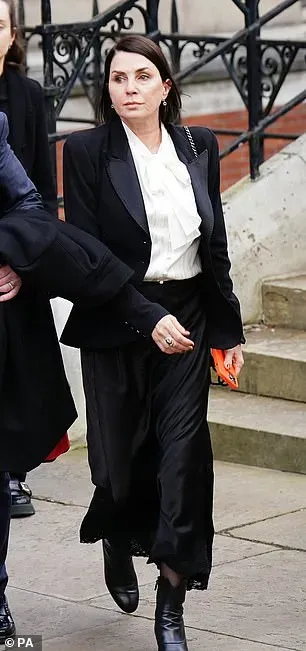
The Sadie Frost Daily Mail case has drawn significant attention as the renowned actress stands accused of having her privacy grossly invaded by the newspaper’s practices. Testifying in court, Frost expressed her deep emotional distress over the alleged voicemail hacking and the impact it had on her life and family, stating that the Daily Mail essentially put a “price on my head” for compelling stories. Throughout her testimony, she recounted disturbing experiences of feeling violated, especially in light of the paper’s claims that it obtained intimate knowledge of her private matters through illicit means. The gravity of the Daily Mail allegations extends beyond Frost, as she joins other high-profile figures in their fight against what they describe as a systematic breach of celebrity privacy over the years. This high-profile legal battle has sparked discussions surrounding the ethics of journalism and the necessity of safeguarding personal life in an era where intrusive practices abound.
In the ongoing legal proceedings, the case involving actress Sadie Frost against the Daily Mail highlights critical issues surrounding unauthorized access to personal information and the ethical boundaries of journalism. Frost’s claims of privacy violations, particularly regarding alleged voicemail interception and inappropriate reporting on her personal life, reveal the darker undercurrents of celebrity culture. As she recounts her experiences in court, the situation underscores a broader trend of media outlets engaging in questionable tactics, drawing the ire of not just Frost but also other prominent figures who share similar grievances. The allegations of unlawful information gathering present a pressing concern in today’s media landscape, where the balance between public interest and individual rights continues to be tested. This case, rich with compelling narratives, raises fundamental questions about the respect of personal boundaries in the relentless pursuit of sensational stories.
The Sadie Frost Daily Mail Case: A Call for Justice
The ongoing case of Sadie Frost against the Daily Mail has brought to light significant concerns regarding celebrity privacy and the methods employed by tabloids to obtain intimate information. Frost, a prominent actress and figure in the public eye, has accused the Daily Mail of crossing ethical boundaries by allegedly hacking her voicemail and utilizing personal insight gained illegally to publish sensational stories. This case highlights a broader conversation about the rights of public figures to maintain their privacy in an era when media outlets often prioritize sensationalism over ethical journalism.
Frost’s claims are particularly alarming as they reveal the lengths to which the media may go to secure exclusive stories. The emotional weight of her testimony about the invasiveness of the Daily Mail serves as a powerful reminder of the toll that such breaches can take on individuals and their families. Moreover, her assertion that the newspaper had placed a ‘price on her head’ underscores the commercialization of personal tragedies in tabloid journalism, raising ethical questions about the treatment of celebrities by the media.
The Emotional Toll of Voicemail Hacking
The emotional implications of voicemail hacking are profound, as demonstrated by Sadie Frost’s testimony in court. Hacking into someone’s private messages not only violates their personal privacy but can also inflict significant psychological harm on the victim. Frost described feeling ‘violated’ and ‘mortified’ upon discovering that her landline had been tapped, a violation that brought suffering not just to her but also to her children. This aspect sheds light on the often-overlooked consequences of privacy breaches, where the pain felt extends far beyond the individual to affect their loved ones.
Furthermore, Frost’s experience raises important questions about the morality of media practices and the responsibility they have towards privacy. Her emotional turmoil during the courtroom proceedings serves as a clear indicator that behind every headline, there is a human story that can lead to distress and lifelong impacts. Such cases prompt society to reflect on the extent to which the media should go to source stories, and may lead to calls for stricter regulations on privacy in journalism.
Celebrity Privacy: A Broader Battle Against Media Intrusion
The battle for celebrity privacy is more than just an isolated incident; it reflects a widespread issue that many public figures face in today’s media landscape. Sadie Frost’s accusations against the Daily Mail echo similar complaints raised by other celebrities concerning privacy breaches and media harassment. Alarmingly, this trend is not exclusive to high-profile figures; it illustrates a systemic issue where the media often exploits personal tragedies and private matters for profit, often disregarding the emotional consequences of their actions.
The tension between public interest and individual privacy rights continues to be a cornerstone of media ethics debates. As Frost and others, including high-profile figures like Elton John and Liz Hurley, take a stand against unfair tactics utilized by media outlets, there is an opportunity for growth in how celebrity news is reported. Advocates for privacy rights argue that changes need to be made to protect individuals from unwarranted invasions of their personal lives under the guise of public interest.
Understanding Privacy Breaches in the Media
Understanding privacy breaches in the context of media operations reveals the darker side of tabloid journalism. Allegations of voicemail hacking, particularly in the case brought forward by Sadie Frost against the Daily Mail, highlight unethical practices that some journalists engage in to secure sensational stories. The impact of these breaches can be profound, often resulting in significant emotional distress for those targeted, as Frost illustrated in her own testimony. She stated feeling a complete lack of trust in anyone due to the building pressure of media scrutiny, highlighting the insidious effects of such privacy violations.
Moreover, privacy breaches can lead to legal ramifications, as seen with Frost’s ongoing case against the Daily Mail. The claims extend to serious allegations of unlawful information gathering, including the use of private investigators to extract sensitive information. As more high-profile individuals become vocal about their experiences, public awareness and scrutiny of media practices are likely to intensify, paving the way for reforms aimed at better safeguarding privacy in entertainment.
The Role of Investigative Journalists in Celebrity Stories
While investigative journalism can play a vital role in holding powerful figures to account, it also raises ethical dilemmas, especially in cases like that of Sadie Frost against the Daily Mail. The line between responsible journalism and intrusive tactics can be blurred, as journalists seek exclusive content often at the expense of individuals’ privacy. Frost’s allegations of voicemail hacking highlight the risks involved when newsworthy stories are pursued without regard for the methods employed. Advocates argue that ethical boundaries must be established to protect individuals while still allowing journalists to do their jobs.
Investigative reporters have a responsibility to balance the public’s right to know with respect for privacy. In Frost’s testimony, the mention of how much information was gathered through potentially illegal means raises significant questions about the accountability of journalists. Ethical reporting should not come at the cost of damaging someone’s personal life, yet the allure of sensational narratives often drives media outlets to ignore these principles, making the need for rigorous ethical standards in journalism more urgent than ever.
The Impact of Public Figures on Journalistic Integrity
The ongoing case surrounding Sadie Frost against the Daily Mail serves to highlight how public figures can influence journalistic integrity. As celebrities share their experiences of privacy violations, it prompts a broader examination of how media practices need to evolve to better protect individual rights. The emotional testimony of Frost about the violations she endured starkly contrasts with the cutthroat nature of tabloid reporting, further emphasizing the need for a framework that ensures accountability and sensitivity to the personal traumas associated with their stories.
Moreover, as celebrities like Frost bring their accounts to light, it opens up discussions on how the media can address its responsibility in reporting. This case highlights a pivotal moment where public figures can articulate their distress, potentially leading to reforms that prioritize ethical reporting over sensational stories. Supporting such changes will not only benefit celebrities but also foster a healthier relationship between the media and the individuals it covers.
Legal Implications of Privacy Violations in Media Reporting
The legal ramifications surrounding privacy violations in media reporting are critical to understanding cases like Sadie Frost’s against the Daily Mail. With allegations of unlawful information gathering at the core of Frost’s claim, it demonstrates the potential for substantial consequences for media organizations engaging in unethical practices. Legal experts contend that these violations can lead to severe penalties for breaches of privacy laws, prompting greater scrutiny of how journalists gather their information.
As Frost’s claims highlight, the intricacies of media law regarding privacy suggest that many cases may go unreported or unchallenged due to lack of awareness or understanding of legal rights. Increasing public knowledge about these laws and their implications serves to empower individuals against media overreach. With ongoing legal battles featuring major public figures, there is potential for landmark rulings that could redefine the landscape of privacy rights in journalism.
Tabloid Journalism: Ethical Boundaries and Celebrity Experiences
The ethical boundaries of tabloid journalism are frequently tested, as seen in the complications arising in Sadie Frost’s case against the Daily Mail. Frost’s allegations about hacking emphasize the need for a reevaluation of what constitutes ethical practices in celebrity reporting. These boundaries are crucial not only for the protection of individual rights but also for upholding the integrity of journalism as a whole. As public figures navigate the often treacherous landscape of media scrutiny, defining and adhering to ethical standards becomes vital.
Frost’s testimony demonstrates the deeply personal impacts such tabloid stories can have, reinforcing the necessity for responsibly sourced journalism. Many tabloids operate within a culture that prioritizes sensational headlines, sometimes disregarding the ethical implications of their reporting methods. By calling attention to these issues, individuals like Frost encourage a shift towards accountability for tabloids, ultimately fostering a more respectful media landscape for all.
Collective Action Against Privacy Infringements in Media
Sadie Frost’s case exemplifies a larger movement among celebrities taking collective action against privacy infringements by the media. With other prominent figures, such as Elton John and Liz Hurley, joining her in accusing the Daily Mail’s publisher of unlawful information gathering, it becomes clear that this issue transcends individual experiences and calls for a unified stance against unethical media practices. Such collective actions not only bring attention to the plight of celebrities but also empower a broader audience to advocate for privacy rights.
This collective movement has the potential to create lasting change within the industry, as it highlights the necessity for stricter adherence to ethical standards. By banding together, these claimants challenge the notion that the ends justify the means in journalism, advocating instead for methods that respect individual rights. Ultimately, the spotlight on privacy violations in media paves the way for reform that could prioritize both integrity and respect for personal boundaries in reporting.
Frequently Asked Questions
What are the key allegations in the Sadie Frost Daily Mail case?
In the Sadie Frost Daily Mail case, the key allegations include that the Daily Mail engaged in unlawful information gathering, such as hacking her voicemails and intercepting private calls. Frost claims that personal details, including her terminated pregnancy, were obtained without her consent, violating her privacy and causing emotional distress.
How did Sadie Frost claim the Daily Mail breached her privacy?
Sadie Frost claimed the Daily Mail breached her privacy by hacking her voicemail and using private investigators to gather information about her life, including sensitive matters like her health and family issues. She expressed feeling violated and suggested that the newspaper acted with disregard for her personal suffering.
What specific incidents were mentioned in Sadie Frost’s testimony against the Daily Mail?
In her testimony, Sadie Frost mentioned a specific incident where the Daily Mail reporters intercepted a call related to her daughter’s safety, as well as claims that details about her pregnancy termination were leaked through unlawful means. She stated that some stories matched her voicemails word for word, indicating a breach of privacy.
What response has the Daily Mail publisher, ANL, provided regarding the allegations from Sadie Frost?
Associated Newspapers Limited (ANL), the publisher of the Daily Mail, has denied any wrongdoing in the Sadie Frost case. They argue that the claims lack substantial evidence and that the information was sourced legitimately, suggesting that Frost’s social circle may have contributed information to the press.
Who else is involved in the case against the Daily Mail alongside Sadie Frost?
Alongside Sadie Frost, the case against the Daily Mail includes other notable claimants such as Sir Elton John, David Furnish, Liz Hurley, Sir Simon Hughes, and Baroness Doreen Lawrence. They collectively accuse ANL of systematic unlawful information gathering over several decades.
What are the implications of the Sadie Frost Daily Mail case for celebrity privacy?
The Sadie Frost Daily Mail case highlights the ongoing issues of celebrity privacy and media ethics, as it raises questions about the extent to which media outlets can pursue stories. It underscores the potential emotional harm caused to public figures by invasive reporting practices and underscores the need for legal accountability in privacy breaches.
What emotional impact has the Sadie Frost Daily Mail case had on Frost?
Throughout her testimony, Sadie Frost expressed significant emotional distress stemming from the Daily Mail’s alleged invasion of her privacy. She described feeling ‘mortified’ and angry, particularly about how the situation affected her children, evidencing the lasting personal impact of such privacy breaches.
How does the Sadie Frost Daily Mail case relate to broader concerns about media ethics?
The Sadie Frost Daily Mail case brings to light broader concerns about media ethics, particularly regarding the methods used by journalists to gather information about private individuals. It questions the balance between public interest and respecting personal privacy, which is a critical issue in contemporary journalism.
What is the expected duration of the Sadie Frost Daily Mail case in court?
The Sadie Frost Daily Mail case is expected to last around nine weeks in court as it involves thorough examination of the allegations and testimonies from the claimants and the defense.
When did Sadie Frost discover she had a potential claim against the Daily Mail?
Sadie Frost revealed that she was unaware of having a potential claim against the Daily Mail until 2019, which suggests a delayed acknowledgment of the alleged privacy breaches she endured.
| Key Points | Details |
|---|---|
| Sadie Frost’s Statement | Frost claims the Daily Mail put a ‘price on her head’ and that her voicemail was hacked to obtain stories. |
| Court Testimony | Frost testified about feeling violated and emotionally distressed due to the alleged unlawful gathering of her personal information. |
| Allegations of Privacy Breaches | Frost accuses ANL of ‘grave breaches of privacy’ spanning 20 years, involving 11 articles and unlawful information gathering. |
| Associated Newspapers’ Defense | ANL has denied all wrongdoing and claims that allegations are unfounded and that information was sourced legitimately. |
| Other Claimants | The case includes other high-profile claimants like Elton John, David Furnish, and Liz Hurley, all alleging unlawful practices. |
| Ongoing Case | The case against ANL is ongoing, set to last nine weeks, with serious implications for privacy rights in journalism. |
Summary
The Sadie Frost Daily Mail case highlights serious allegations against the newspaper for unlawfully obtaining private information through methods such as voicemail hacking and employing private investigators. In ambitious court testimonies, Frost recounted the emotional toll these breaches have had on her and her family, emphasizing that no one should profit from such pain. As the case unfolds, with multiple high-profile claimants involved, it raises significant questions about media ethics and the right to privacy in an industry often criticized for crossing ethical boundaries.