
Listen to this article
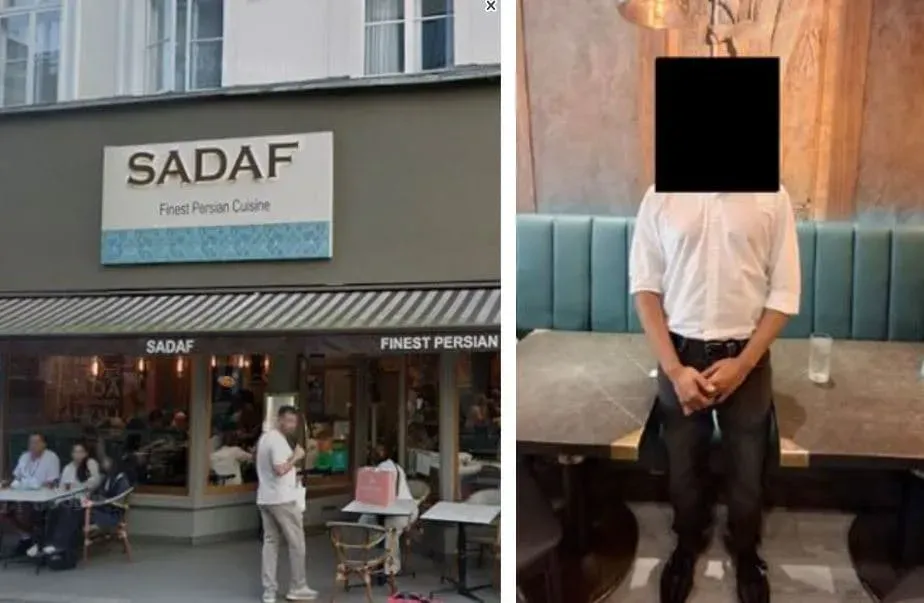
Sadaf Restaurant, a notable establishment in Bayswater, is currently embroiled in controversy following revelations of an immigration violation involving an illegal worker. This Central London restaurant is facing significant challenges as Westminster City Council scrutinizes its practices after employing a foreign student without the requisite right to work, a clear breach of employment law. The Home Office revealed that Immigration Enforcement Officers had previously flagged Sadaf for employing illegal workers, allegedly to cut costs on payroll and tax obligations. As the case unfolds, the restaurant is also grappling with an outstanding fine of £45,000, reflecting serious implications for its operational future. With the potential closure looming, the story of Sadaf Restaurant highlights critical issues surrounding illegal employment in the hospitality sector and the enforcement of immigration regulations.
The situation at Sadaf Restaurant underscores a broader issue within the hospitality industry, particularly concerning foreign workers in Central London. Under scrutiny from local authorities for potential employment law breaches, this Persian eatery finds itself at the heart of a significant immigration enforcement operation. Allegations of employing foreign students without adequate work rights not only threaten the restaurant’s license but also raise questions about compliance with UK employment standards. The involvement of Westminster City Council emphasizes the ongoing challenges and responsibilities faced by establishments in hiring practices. As the landscape of immigration policy continues to evolve, the repercussions for businesses like Sadaf Restaurant serve as a cautionary tale for others within the sector.
The Legal Consequences of Employing Illegal Workers in Central London Restaurants
Employing illegal workers can lead to severe legal repercussions for businesses in Central London, particularly restaurants like Sadaf. The breach of employment law not only tarnishes the business’s reputation but also invites scrutiny from local and national authorities. When businesses violate immigration laws, especially in a densely populated area like Bayswater, they risk hefty fines, as demonstrated by Sadaf’s £45,000 penalty. Additionally, they may face the closure of their establishment when licensing authorities take action in response to such violations.
Moreover, ongoing investigations by Westminster City Council underscore the critical importance of adhering to employment laws. Failure to conduct proper right-to-work checks not only signifies negligence but could also be perceived as willful disregard for regulations meant to protect the labor market. For the restaurant sector, where labor often consists of immigrant workers, ensuring compliance with immigration laws is not merely a legal obligation but also a moral one, safeguarding fair employment practices.
Sadaf Restaurant’s Ongoing Licensing Nightmare After Employment Law Breach
The situation for Sadaf Restaurant has become increasingly dire following repeated violations of employment law. After being caught employing a foreign student working illegally, the restaurant’s license is now under review, with the potential for revocation. This heightened scrutiny by Westminster City Council coupled with calls from the Home Office for action against the restaurant suggests that the ramifications of such breaches are substantial. The council’s decision will likely be influenced by the restaurant’s failure to provide adequate management during immigration visits, further complicating the establishment’s ability to retain its operating license.
In light of Sadaf’s previous infractions, the implications of this licensing review extend beyond mere fines. Having their license revoked would not only impede their ability to operate legally but also jeopardize the livelihoods of legitimate staff members. As seen from previous shut-downs in Central London, persistence in failing to comply with immigration law can ultimately lead to closure, making it imperative for restaurant owners to adopt stringent checks and maintain compliance with all employment regulations.
The Impact of Illegal Employment on Local Communities in Westminster
The hiring of illegal workers at establishments like Sadaf Restaurant not only poses risks for the businesses themselves but also adversely affects the local community. Employment law breaches can lead to a decrease in job opportunities for residents, as local businesses may undercut legitimate wages by employing workers outside the legal framework. This creates a vicious cycle of undermining employment standards, particularly in areas like Westminster where the economy heavily relies on the hospitality sector.
Moreover, the presence of illegal employment influences public services and local taxation, as businesses that employ illegal workers often evade tax responsibilities. This avoidance can diminish the resources available to local councils, negatively impacting community projects and infrastructure developments. Hence, illegal employment is not a victimless crime; it reverberates through the local economy and ultimately affects the well-being of residents in Central London.
Understanding the Home Office’s Role in Immigration Enforcement
The Home Office plays a pivotal role in enforcing immigration laws in the UK, particularly concerning the employment of illegal workers in restaurants such as Sadaf. When notified of potential violations, enforcement officers conduct raids to ensure compliance with UK immigration policies. The process not only involves identifying illegal workers but also entails holding businesses accountable for their hiring practices. In the case of Sadaf, the findings of illegal employment have prompted significant repercussions, including the looming risk of license revocation.
Furthermore, the Home Office utilizes information gathered during raids to educate businesses on the importance of conducting proper right-to-work checks. This proactive stance aims to deter future violations and protect both workers and employers from the pitfalls of unlawful employment. The collaboration between immigration enforcement and local councils, as seen with Westminster City Council, underscores a comprehensive approach to safeguarding lawful employment practices in the restaurant industry.
The Financial Repercussions of Failing to Comply With Employment Regulations
Restaurants found to be in violation of employment regulations, like Sadaf, face significant financial penalties that can cripple their operations. The £45,000 fine imposed on Sadaf highlights the potentially devastating impact of ignoring immigration laws and employment regulations. Such financial burdens can strangle small businesses, forcing them to either close or recover their debts through difficult means. Additionally, unpaid fines can escalate, leading to further legal troubles and potentially the involvement of debt collection agencies.
In the competitive landscape of Central London’s dining scene, the financial strain caused by regulatory breaches can deter investment and hinder growth opportunities. Restaurant owners must recognize that compliance with employment law is not merely an operational inconvenience but a crucial component of sustaining a successful business. When businesses prioritize lawful employment practices, they not only avoid penalties but also foster a positive image that attracts customers and retains staff.
The Role of Westminster City Council in Restaurant Licensing and Compliance Enforcement
Westminster City Council plays an essential role in upholding licensing regulations within the hospitality sector. The council actively monitors local establishments to ensure compliance with employment laws, including checks on the legality of workers employed. The recent case regarding Sadaf underscores how the council’s intervention is critical in maintaining the integrity of the local economy. Council members are tasked with assessing evidence from immigration enforcement and deciding on measures such as license review or revocation.
Additionally, Westminster City Council’s collaboration with the Home Office signifies a robust approach to combating illegal labor practices amid concerns for vulnerable workers. By maintaining strict licensing standards, the council aims to foster a fair marketplace that prioritizes the rights of legitimate employees while simultaneously ensuring that businesses operating within its jurisdiction adhere to both employment and immigration laws.
Preventing Employment Law Breaches: Best Practices for Restaurant Owners
For restaurant owners, understanding and implementing best practices for compliance with employment laws is vital in avoiding issues like those faced by Sadaf. Conducting thorough right-to-work checks before hiring can shield businesses from unknowingly employing illegal workers. Training staff on the legal requirements surrounding employment and ensuring that management is consistently available to respond to regulatory inquiries are critical steps in fostering compliance. By adopting a proactive approach, restaurants can prevent engagement in unlawful employment practices.
Additionally, maintaining clear documentation regarding employee status and work authorization is essential. This not only protects the business from legal repercussions but also promotes a culture of transparency and ethical employment. Owners should consider consulting with legal experts on employment law to stay informed about regulations and obligations, particularly in an ever-evolving landscape of immigration policies.
The Ripple Effects of Immigration Violations in the Restaurant Industry
Immigration violations, particularly in the restaurant industry, can have far-reaching effects beyond individual establishments like Sadaf. The willingness to hire illegal workers fosters a climate of unfair competition, where businesses that comply with laws may struggle to remain profitable. This situation undermines wages and working conditions for local employees, leading to a broader societal issue regarding fair labor practices and the treatment of vulnerable populations within the workforce.
Moreover, such violations can contribute to an air of distrust within communities, particularly towards immigrant populations. As restaurants like Sadaf face repercussions for hiring unauthorized workers, it creates stigmas associated with both the businesses and their employees. Comprehensive efforts by authorities, local councils, and community organizations are necessary to address the complexities of immigration issues and to ensure that all workers, regardless of their immigration status, are treated fairly and justly.
A Call for Awareness: The Importance of Complying with Employment Laws
The recent incidents involving Sadaf highlight the critical need for greater awareness regarding the consequences of non-compliance with employment laws in the restaurant sector. Owners and operators must understand that hiring practices have profound implications not only for their businesses but also for the broader community. Raising awareness about the significance of compliance can help prevent cases of illegal employment and foster an environment where all workers are afforded their rights.
Additionally, education initiatives aimed at informing restaurant owners about best practices for hiring and legal obligations can go a long way in mitigating risks. Workshops, training seminars, and resources provided by local councils like Westminster can equip business owners with the knowledge necessary to adhere to regulations. Ultimately, a collective commitment to lawful employment practices can strengthen the integrity of the hospitality industry in Central London.
Frequently Asked Questions
What illegal activities are Sadaf Restaurant accused of regarding foreign student workers?
Sadaf Restaurant in Bayswater is accused of employing a foreign student without the legal right to work, constituting a breach of employment law. Immigration Enforcement found that the establishment allowed an ‘illegal worker’ to be employed without proper right to work checks, which can lead to severe penalties for the business.
What evidence supports the claim of illegal working at Sadaf Restaurant?
Evidence from a report presented to Westminster City Council indicates that immigration officers discovered a foreign student working illegally at Sadaf Restaurant. During a visit, the student admitted to working there for about a year despite having overstayed his visa, confirming that Sadaf Restaurant did not conduct appropriate right to work checks.
What are the potential consequences for Sadaf Restaurant due to hiring illegal workers?
Sadaf Restaurant could face license revocation and has already been fined £45,000 for breaching employment laws by hiring an illegal worker. The case is currently under review by Westminster City Council, which may impose further conditions or penalties following the immigration raid.
Have there been any prior incidents related to illegal employment at Sadaf Restaurant?
Yes, Sadaf Restaurant has faced previous visits from immigration officers in December 2023 and September 2024, where management allegedly blocked their entry. This pattern raises concerns about the restaurant’s compliance with employment law regarding illegal workers.
What steps did immigration officials take during the raid at Sadaf Restaurant?
During the raid at Sadaf Restaurant, immigration officials found multiple employees, one identified as an ‘immigration offender.’ The officials noted that management was unavailable to address the allegations, and they confirmed that the illegal worker had been employed without the proper right to work checks.
How has Sadaf Restaurant responded to the illegal worker allegations?
Sadaf Restaurant, operated by Persian Aroma Ltd, has submitted a late objection to the £45,000 fine imposed for hiring an illegal worker. However, this objection was rejected, and the company has not yet paid the fine, which has since been referred to debt collectors.
What should employers learn from the Sadaf Restaurant case regarding illegal workers?
The Sadaf Restaurant case highlights the importance of conducting thorough right to work checks before hiring employees. Failure to comply with immigration laws can lead to significant penalties, including fines and potential closure of the business.
What is the current status of Sadaf Restaurant’s operating license?
Sadaf Restaurant is currently undergoing a license review by Westminster City Council, which could result in the license being revoked or conditions imposed due to its involvement in employing illegal workers.
| Key Point | Details |
|---|---|
| Sadaf Restaurant in Bayswater | Located in Central London, facing potential closure after hiring an illegal worker. |
| Illegal Employment | A foreign student was found working without legal permission during an immigration raid. |
| Outstanding Fines | Sadaf Restaurant owes £45,000 for breaching employment laws, currently referred to debt collectors. |
| Previous Visits | Immigration officers have previously visited the restaurant multiple times but were denied entry. |
| Employee’s Situation | The illegal worker had overstayed his visa and was deported back to India. |
| License Review | Westminster City Council is reviewing Sadaf’s license, with potential revocation or imposed conditions. |
Summary
Sadaf Restaurant illegal worker highlights significant legal issues regarding employment practices in the hospitality industry. The restaurant faces severe consequences, including a potential closure and hefty fines for violating employment laws. This situation emphasizes the importance of lawful hiring practices and compliance with immigration regulations in maintaining business operations.