Listen to this article
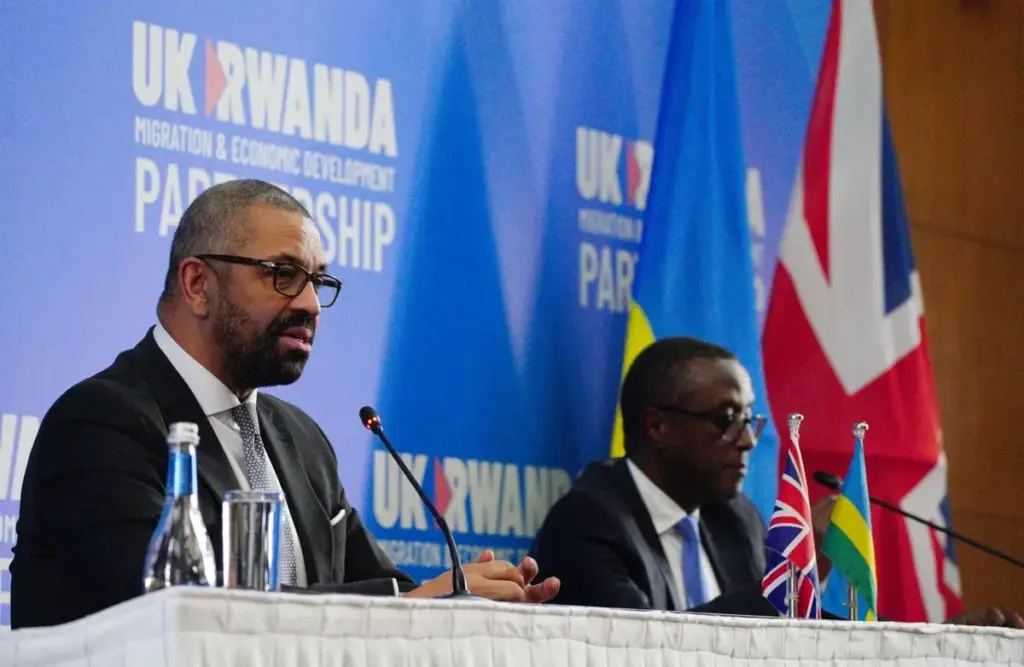
The Rwanda UK migrant agreement has become a focal point in an escalating dispute between the two nations, as the Rwandan government has taken legal action against the UK for payments it claims are owed under a now-canceled treaty. Initially designed to navigate the complexities of UK asylum policy and manage the influx of migrants, this controversial deal promised financial compensation in exchange for Rwanda hosting asylum seekers. However, following the termination of the agreement by Prime Minister Sir Keir Starmer in 2024, the UK Home Office revealed that approximately £220 million in future payments would be nullified. This decision has sparked significant debates, with the UK government asserting that the previous Rwanda migrant deal squandered taxpayer resources. Amidst growing tensions, the Rwandan government is now pursuing arbitration at the Permanent Court of Arbitration to resolve disputes regarding the obligations of both parties under the treaty.
The recent legal contest surrounding the agreement between Rwanda and the UK revolves around an asylum partnership initiative aimed at mitigating the challenges posed by asylum seekers. Following a controversial policy shift, the UK government has faced scrutiny over its commitment to this arrangement, which was intended to deter migrants arriving via the perilous English Channel. The Rwandan administration is now seeking recourse through arbitration, highlighting international tensions and obligations tied to the UK’s asylum framework. With both nations presenting differing narratives about their responsibilities, the ongoing arbitration reflects broader implications for future migrant policies and international collaborations. As the case unfolds, it raises critical questions about the effectiveness and ethical considerations of such agreements in addressing global migration issues.
Understanding the Rwanda UK Migrant Agreement
The Rwanda UK migrant agreement, officially enacted under the auspices of the former Conservative government, aimed to structure the relocation of asylum seekers from the UK to Rwanda. The deal was intended to deter migrants from perilous journeys across the English Channel by providing them a safe haven and eventual resettlement in Rwanda. However, the agreement has come under scrutiny, particularly after significant political shifts occurred following the 2024 elections. The new Labour government, led by Sir Keir Starmer, promptly terminated this agreement, leading to extensive legal disputes about financial commitments previously made.
The core of the Rwanda UK migrant agreement highlighted a strategic partnership, where the UK pledged substantial financial support to Rwanda in exchange for hosting asylum seekers. The UK government set aside an estimated £700 million for this policy, with £290 million earmarked specifically for upfront payments to Rwanda. However, with the termination of the deal, questions arise regarding the reimbursement of these taxpayer funds, particularly as the UK government disputes further financial obligations under this terminated treaty.
The Ongoing Rwanda Arbitration Case Explained
Rwanda’s legal action against the UK has initiated an arbitration case that references the Permanent Court of Arbitration based in The Hague. This critical legal venue is designed to resolve disputes between states that arise from international treaties. In this particular case, Rwanda is asserting that the UK has neglected to uphold its treaty obligations regarding the transfer of asylum seekers. As the arbitration unfolds, the implications could dramatically reshape the future of international asylum processing and bilateral agreements between nations.
The Rwandan government argues that the legal proceedings are essential for enforcing its rights under the previously agreed treaty. The arbitration case began in late 2024, following the abrupt cancellation of the migration deal by the UK. Rwanda’s position suggests that they are seeking a judicial clarification on the financial obligations and responsibilities of both parties involved. Given the far-reaching consequences of this case, it underscores the complexity of modern asylum policies and the international legal frameworks that govern them.
Implications of the UK Asylum Policy Changes
The changes in UK asylum policies, especially with the termination of the Rwanda deal, signal a notable shift in the approach to managing migration in the country. The Conservative government’s strategy, which included significant financial investment in the Rwanda policy, was positioned as a deterrent against cross-Channel migration. However, the Labour government’s decision reflects a redirecting of priorities; it seeks alternatives that might not impose such financial burdens on taxpayers while still addressing the humanitarian needs of asylum seekers.
The ramifications of altering asylum policies affect not only the domestic landscape but also international relations. With the termination of the Rwanda agreement, the UK faces potential scrutiny from human rights organizations and international observers, as concerns grow about the treatment of asylum seekers within its borders. As the legal discussions surrounding the arbitration proceed, the future of the UK’s asylum strategy remains precarious and critically under examination.
The Role of the Permanent Court of Arbitration
The Permanent Court of Arbitration (PCA) serves as a key body for resolving international disputes, particularly those arising from treaties between states. In the case of Rwanda’s arbitration against the UK, the PCA will evaluate the claims and defenses posited by both nations regarding the allegedly breached treaty obligations. This esteemed entity is known for its procedural rigor and commitment to international law, which will be crucial in interpreting the nuances of the Rwanda UK migrant agreement.
Typically, the PCA establishes a timeline for arbitration, allowing both parties to present their arguments. Given the complexity of disputes related to asylum policy, especially concerning financial commitments, the arbitration process can extend over several years. The PCA’s adjudication may lead to binding decisions which could leverage significant influences on the UK’s approach toward its future asylum policies, particularly in light of the Rwanda migrant deal and its implications.
Disputes Arising from the Rwanda Asylum Seekers Policy
As the UK grapples with legal disputes resulting from the Rwanda asylum seekers policy, the controversies surrounding this arrangement highlight critical aspects of the nation’s immigration framework. The recent arbitration proceedings initiated by Rwanda underscore the tensions between commitments made to accommodate asylum seekers and the evolving political landscape within the UK. Critics of the terminated agreement argue that scrapping the Rwanda deal reflects a lack of resolve in addressing the complexities surrounding immigration.
The disputes ingrained within the Rwanda asylum seekers policy also pose challenges for both governments in maintaining positive diplomatic relations. With Rwanda asserting its legal rights through the arbitration, this case serves as a precursor to broader issues regarding international commitment to asylum seekers. The outcomes could set precedents impacting how the UK formulates its asylum policy in the future, with potential lessons learned from the unfolding legalities of this case.
Financial Implications of Terminating the Rwanda Deal
The financial implications resulting from the termination of the Rwanda migrant deal raise serious questions about accountability and taxpayer responsibility. Initially, the Conservative government allocated substantial funds to implement the policy, but with the recent changes under the Labour government, the commitment to these financial agreements has been challenged. The Home Office’s claim that £220 million in future payments will not be made signals a significant policy shift, raising concerns regarding the management of public funds invested in international agreements.
Rwanda’s legal case seeks to clarify financial obligations under the treaty, which may compel the UK to reconsider how it processes and manages similar future agreements. The potential outcome of this arbitration could have monumental financial repercussions, not only concerning the current claims but also influencing how the UK structures its migration agreements worldwide in the wake of increasing scrutiny over asylum policies.
Political Reactions to the Rwanda Migrant Agreement Cancellation
The cancellation of the Rwanda migrant agreement has ignited fierce political debates within the UK, with various politicians weighing in on the repercussions of abandoning the policy. Conservative politicians have lambasted the decision as a significant misstep, claiming that it reflects the Labour government’s inability to handle immigration effectively. Shadow Home Secretary Chris Philp has cited this legal dispute as a direct consequence of the government’s failure to solidify strategies intended to deter illegal immigration while also ensuring the humane treatment of asylum seekers.
Conversely, proponents of the Labour government argue that the termination of the Rwanda deal is a move towards more humane and ethical approaches to migration. They assert that the previous government’s scheme failed to deliver tangible results, having only relocated a handful of individuals despite massive expenditures. This polarized atmosphere shapes the discourse surrounding immigration policies and will undoubtedly play a role in shaping future legislative proposals and responses to asylum seekers arriving in the UK.
Future of Asylum Processing in the UK Post-Rwanda
The future of asylum processing in the UK is now under intense scrutiny following the cancellation of the Rwanda deal and the ongoing arbitration case. As the Labour government reassesses the approach to managing asylum applications, it may look towards more sustainable and ethical models that ensure the protection of vulnerable individuals seeking refuge. The legal proceedings with Rwanda offer a unique opportunity to reassess not only the technical aspects of asylum processing but also the country’s moral stance towards migrants and refugees.
As the UK navigates this transitional period in its asylum policies, there is considerable potential for innovation in how refugees and asylum seekers are treated. Future negotiations and agreements can benefit from insights gained from the current arbitration case, particularly regarding the importance of clarity and mutual commitments in treaties. This evolution in policy may ultimately lead the UK to a more humane and responsible migration framework, setting a precedent for international cooperation on asylum-related matters.
Frequently Asked Questions
What is the Rwanda UK migrant agreement and why is it significant?
The Rwanda UK migrant agreement was established to allow the UK to send certain asylum seekers to Rwanda, with the aim of supporting Rwanda’s economy and deterring illegal migration. The significance of this agreement lies in its controversial nature, as it aimed to reshape the UK’s asylum policy by outsourcing the processing of asylum claims.
What are the implications of the Rwanda arbitration case for UK taxpayers?
The Rwanda arbitration case could have significant financial implications for UK taxpayers. Following the termination of the Rwanda UK migrant agreement, the Rwandan government is claiming substantial payments believed to be owed under the treaty, which could result in a financial burden on taxpayers if the UK is ordered to pay these claims.
How has the UK government responded to the Rwanda migrant deal termination?
The UK government has strongly defended its decision to terminate the Rwanda migrant deal, citing wasteful expenditure of taxpayer money. The Home Office has indicated that £220 million in future payments will not be made, highlighting a commitment to protect taxpayers from financial liability associated with the Rwanda asylum seekers policy.
What potential outcomes can arise from the Rwanda UK migrant agreement arbitration?
The potential outcomes from the arbitration regarding the Rwanda UK migrant agreement could include a binding decision by the Permanent Court of Arbitration, which may obligate the UK to fulfill payment commitments, or a ruling in favor of the UK government’s position, potentially resolving any financial disputes with Rwanda.
How does the termination clause in the Rwanda UK migrant agreement impact ongoing legal matters?
The termination clause in the Rwanda UK migrant agreement allows either party to end the agreement with written notice. Its presence complicates ongoing legal matters, as it raises questions about the obligations of both countries under the treaty and the legality of any claimed payments post-termination.
What were the initial goals of the Rwanda asylum policy implemented by the UK?
The initial goals of the Rwanda asylum policy were to deter migrants from attempting dangerous crossings of the English Channel and to provide a mechanism for managing asylum seekers outside the UK. This strategic framework aimed to address the growing migrant crisis while supporting Rwanda’s economy.
What were the financial commitments made by the UK under the Rwanda migrant deal?
Under the Rwanda migrant deal, the UK committed approximately £700 million, including £290 million for Rwanda, aimed at facilitating the hosting and processing of asylum seekers. Additionally, further payments were structured around the transfer of individuals to Rwanda as part of the agreement.
What does the Rwanda arbitration case reveal about international asylum policies?
The Rwanda arbitration case highlights the complexities and conflicts inherent in international asylum policies, especially concerning accountability and financial obligations in treaties. It reflects broader debates on migration management and the responsibilities of nations towards asylum seekers.
Is Rwanda entitled to compensation from the UK following the termination of the migrant agreement?
Rwanda claims it is entitled to compensation from the UK following the termination of the migrant agreement, arguing that the UK failed to honor its commitments under the treaty. The determination of this entitlement will ultimately be decided by the Permanent Court of Arbitration.
What role does the Permanent Court of Arbitration play in the Rwanda UK migrant agreement dispute?
The Permanent Court of Arbitration is tasked with resolving disputes arising from international treaties, such as the Rwanda UK migrant agreement. In this case, it will assess the claims from Rwanda regarding unpaid financial commitments and provide a binding resolution based on international law.
| Key Point | Details |
|---|---|
| Liquidated Damages Claim | Rwanda has initiated legal proceedings against the UK for payment claims related to a terminated migrant agreement. |
| Permanent Court of Arbitration | The case is filed with the PCA in the Netherlands, as per the treaty obligations for dispute resolution. |
| Cancellation of Agreement | The UK government, under Prime Minister Sir Keir Starmer, ended the agreement, stopping £220 million in scheduled future payments. |
| Financial Implications | The previous Conservative government invested around £700 million in the policy, which aimed to deter migrants. |
| Termination Clause | The agreement included a clause for either party to terminate with written notice, impacting payment obligations. |
| Arbitration Process | Rwanda’s arbitration is expected to follow due process laid out by the PCA, typically lengthy in resolution. |
| Political Reactions | The legal action has been criticized by Conservatives, who blame Labour for the current financial implications. |
| Government Stance | The UK Home Office plans to defend against Rwanda’s claims and explore possible recoveries from the terminated scheme. |
Summary
The Rwanda UK migrant agreement has become a contentious legal matter following its cancellation by the UK government. Rwanda’s claim for payments, stemming from the terminated treaty, reflects the ongoing diplomatic tensions between the two nations. As the case proceeds in the Permanent Court of Arbitration, implications for future immigration policies and international agreements remain at the forefront of discussions.