Listen to this article
The Russian shadow fleet has become a focal point in global discussions surrounding sanctions and maritime security as the UK ramps up its efforts to counteract the illicit oil trade. This fleet, comprising aging tankers operating under concealed ownership, has been exploited by Russia to bypass restrictions on its oil exports since the onset of the Ukraine war. UK Defense Secretary John Healey has outlined plans to seize these sanctioned ships, aiming to repurpose their valuable cargo to aid Ukraine. Furthermore, military options against this shadow fleet are under evaluation, highlighting an urgency for shadow shipping enforcement due to the escalating geopolitical tensions. With over 250 ships sanctioned in the past year, the UK government is committed to intensifying actions that limit Russia’s ability to fund its military endeavors through oil sales.
In recent times, the term “shadow fleet” has emerged as a significant concept within the context of maritime operations and international sanctions. This clandestine shipping network, which includes various vessels operating under disguise, serves as a tool for nations like Russia to circumvent economic restrictions while unlawfully transporting oil. The UK’s strategic discussions on addressing this issue encompass various responses, including potential military interventions and collaborative actions with European allies. The concept of enforcing measures against these concealed shipping operations has garnered significant attention, as it intersects with broader themes of global trade security. As nations navigate the complexities of shadow shipping, the implications for international law and the challenges posed by such covert fleets remain critical factors in shaping the responses of governments worldwide.
Understanding the Russian Shadow Fleet
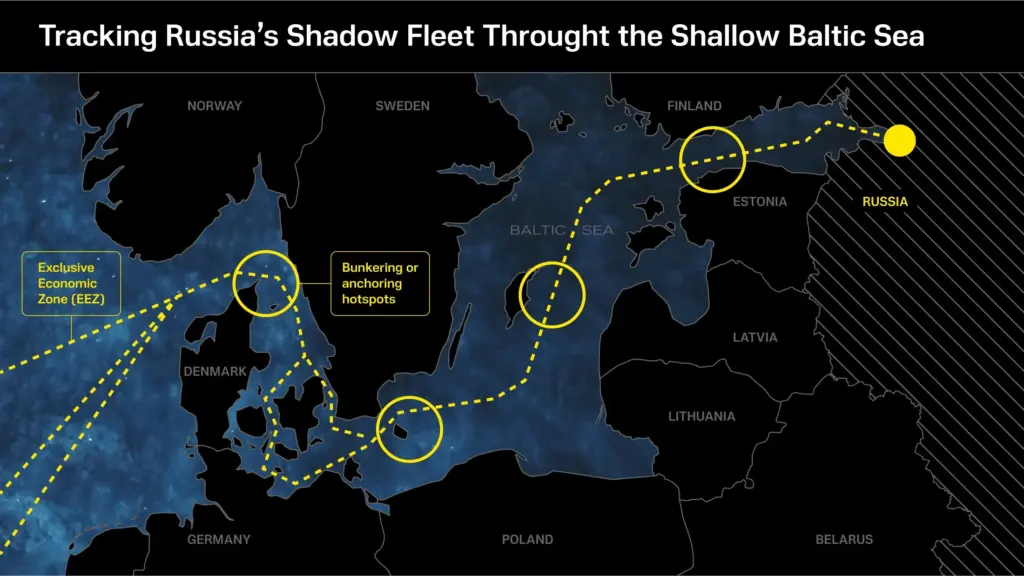
The term “Russian shadow fleet” refers to a network of aging vessels that have been repurposed to circumvent international sanctions imposed on Russia’s oil exports. These ships often operate under concealed ownership, making it difficult for authorities to track and enforce sanctions effectively. Since the onset of the invasion of Ukraine, this shadow fleet has played a crucial role in enabling the Russian government to continue generating revenue despite crippling sanctions, indirectly supporting its military efforts.
As the UK gears up to tackle this clandestine fleet, understanding its operational methods becomes essential. The successful identification and interception of these vessels rely not just on naval strength but also on international cooperation among allies. The UK government has outlined plans to intercept these ships legally and militarily, ensuring that any oil transported through these channels does not fund Russia’s ongoing aggression against Ukraine.
UK Government Action Against Shadow Fleet Activities
The UK government has taken assertive steps to address the threat posed by Russian shadow fleet activities. Reports indicate that 250 vessels have been sanctioned in the past year, highlighting the UK’s commitment to curbing illicit oil exports and damaging the financial resources backing Putin’s regime. Defense Secretary John Healey emphasized that the focus on shadow shipping is crucial, as it directly impacts the flow of funds that fuel the war in Ukraine.
In light of these developments, military options are being explored as part of a comprehensive strategy to enhance enforcement of sanctions. Healey revealed intentions to discuss the potential use of military force with cabinet members, underlining the legal framework established by The Sanctions and Money Laundering Act of 2018. This legislation allows for assertive action against sanctioned vessels, paving the way for the UK to play a leading role in international enforcement of oil export bans.
Sanction Enforcement and Military Response Options
The scrutiny of sanctioned ships is vital in the UK’s strategy against the Russian shadow fleet. As part of the emerging strategy, discussions are ongoing about how to legally employ military force to target these vessels effectively. This reflects a shift towards more proactive enforcement, recognizing that the current sanctions alone may not suffice to deter Russia from its oil exports.
The collaboration between the UK and its European allies augurs well for coherent action against shadow shipping. With plans for a joint meeting of JEF nations, the UK intends to pool resources and legal expertise, aiming for a synchronized effort in enforcing sanctions. This includes military options that may bolster international deterrence and fully disrupt the transshipment of oil that indirectly finances Russia’s military endeavors.
The Economic Impact of Shadow Shipping
The ongoing activities of the Russian shadow fleet have significant implications for global markets and the economy. Since the inception of sanctions, Russian oil revenues have reportedly dropped by 25%, which has severely hindered its war expenditure capabilities. The UK government’s action against these shadow vessels could further exacerbate financial strains on Russia, potentially leading to a decrease in its military activities.
Moreover, the ripple effects of disrupting shadow shipping could affect global oil prices. The Russian ambassador’s comments regarding potential retaliatory measures highlight the interconnectedness of international trade and security dynamics. As the UK and its allies ramp up pressure against sanctioned ships, they must be well-prepared for any economic fallout and the implications it might have on domestic and global markets.
International Collaboration in Countering the Shadow Fleet
To effectively combat the Russian shadow fleet, the UK government is working closely with international allies, emphasizing the importance of a unified front. The Joint Expeditionary Force (JEF) nations have a shared interest in mitigating Russian aggression and protecting their economic interests from illicit oil exports. By fostering collaboration, these countries can enhance their intelligence sharing and operational capabilities, ensuring that sanctioned ships do not elude enforcement efforts.
This collaboration involves examining legal frameworks that permit military action against shadow shipping routes. By coordinating with its allies, the UK aims to establish a robust response mechanism that not only enforces sanctions but also deters future violations. The concept of joint naval operations could pave the way for a more comprehensive approach to maritime security, reinforcing global norms against unauthorized oil exports from Russia.
Legal Framework Supporting Military Action
The UK government is leveraging existing legal frameworks to ensure that military actions against the Russian shadow fleet are legitimate and supported under international law. The Sanctions and Money Laundering Act of 2018 provides a legal basis for military involvement, which is crucial in underpinning the government’s strategy. This act facilitates the approval of military force in sanction enforcement, reflecting the seriousness with which the UK is treating this issue.
By clarifying the legal grounds for action, the UK can enhance its standing when collaborating with international partners. This not only legitimizes their operations against shadow fleet vessels but also aligns with broader international efforts to uphold sanctions against Russia. Ensuring that military options are legally grounded is instrumental in maintaining global coalitions focused on penalizing aggressive state actions while contributing to the broader goal of maintaining international order.
Challenges in Intercepting Shadow Fleet Vessels
Intercepting shadow fleet vessels presents numerous challenges for the UK and its allies. The clandestine nature of these operations, coupled with the use of aging tankers, complicates identification efforts at sea. These vessels often switch flags or operate under the radar, making them harder to track and target. Additionally, the potential for Russian military protection further complicates interception efforts, raising the stakes for enforcement measures.
The legal and operational complexities around shadow shipping make it imperative for the UK to enhance its naval surveillance and intelligence capabilities. By investing in technology and building stronger intelligence alliances, the UK can improve its chances of successfully intercepting these vessels before they can offload oil or generate revenue that supports the Kremlin’s military agenda.
Future Directions for Shadow Shipping Enforcement
Looking ahead, the enforcement of sanctions against the Russian shadow fleet is likely to evolve as the geopolitical landscape changes. With ongoing discussions among JEF nations about military options, future operations may incorporate advanced technologies aimed at monitoring and tracking these elusive vessels more effectively. The introduction of drone surveillance or satellite monitoring may become pivotal in identifying and intercepting shadow fleet activities before they reach European waters.
Additionally, increased public awareness and pressure through media reporting can play a role in sustaining momentum against shadow shipping. As governments worldwide recognize the need for collective action against illicit oil exports, a more coordinated and proactive approach could emerge. The commitment to investigating and sanctioning shadow fleet operations underscores the importance of unity in countering aggressive state actions and preserving global economic stability.
Economic Recovery and Reinvestment in Ukraine
If the UK and its allies can effectively target the Russian shadow fleet, there is an opportunity to redirect the revenues from seized oil to support Ukraine’s recovery efforts. As highlighted by Defense Secretary Healey, the aim would be to recycle funds derived from sanctioned ships back into the Ukrainian economy, helping to rebuild infrastructure and bolster local resilience against ongoing military threats. This approach not only punishes Russia but also aids in the stabilization of Ukraine.
The prospect of using seized resources for economic recovery serves as a powerful message against adversarial actions. It reinforces the commitment of the international community to support Ukraine while damaging the revenue streams that fund Russian military aggression. As operational plans are drawn up, aligning military action with economic support strategies will be key in reinforcing the overall, long-term effectiveness of the sanctions.
Frequently Asked Questions
What is the Russian shadow fleet and how does it operate?
The Russian shadow fleet refers to a network of aging tankers and ships that are used by Russia to transport oil in a manner that conceals their ownership and origin. This fleet is often used to circumvent sanctions imposed on Russian oil exports following the invasion of Ukraine.
What actions is the UK government taking against the Russian shadow fleet?
The UK government, led by Defense Secretary John Healey, is collaborating with allies to seize Russian shadow fleet vessels and utilize their oil for supporting Ukraine. The UK is exploring military options for enhanced enforcement of sanctions against these ships.
How have sanctions impacted Russian oil revenues and the shadow fleet?
Over the past year, the UK has sanctioned 250 Russian ships, resulting in a 25% reduction in Russian oil revenues. These sanctions aim to diminish Russia’s ability to finance its military actions in Ukraine, leveraging the resources of the shadow fleet.
Are there military options being considered to target the Russian shadow fleet?
Yes, Defense Secretary John Healey has indicated that the UK is identifying military options to target shadow shipping and enforce sanctions. Discussions are ongoing among cabinet colleagues and with the Joint Expeditionary Force nations regarding the legal and military frameworks available.
What role does the Sanctions and Money Laundering Act of 2018 play in actions against the shadow fleet?
The UK government believes the Sanctions and Money Laundering Act of 2018 provides a legal basis for employing military force against shadow fleet vessels. This framework supports the UK’s goal of more assertive actions to combat the financing of the Russian invasion of Ukraine through sanctioned oil.
What are the implications of the UK and allies’ actions against the Russian shadow fleet?
Actions against the Russian shadow fleet may lead to escalated tensions, as noted by Russia’s ambassador to the UK, Andrey Kelin. He warns that such enforcement could result in increased prices for goods, heightened insurance costs for ships, and a potential military escort system for shadow fleet vessels.
How many ships have been sanctioned related to the Russian shadow fleet?
In the past year alone, approximately 250 ships have been sanctioned. This significant action is part of the broader strategy to restrict Russia’s oil exports and limit its financial resources for the ongoing conflict in Ukraine.
What recent incidents have involved the Russian shadow fleet?
Recently, the French navy intercepted a tanker associated with the Russian shadow fleet, known as the Grinch. This vessel is under international sanctions and is suspected of operating under a false flag, highlighting the ongoing efforts to combat shadow shipping.
How are international allies collaborating on the issue of the Russian shadow fleet?
The UK is hosting meetings with European allies, particularly the Joint Expeditionary Force nations, to discuss legal bases and military options for action against shadow fleet vessels and enforcement of sanctions.
What are the possible consequences of tackling the Russian shadow fleet?
Enforcement actions against the Russian shadow fleet could lead to significant ramifications for international law and global trade, as warned by Russian officials. Potential consequences include higher raw material prices, increased shipping insurance costs, and risks of escalating naval confrontations.
| Key Point | Details |
|---|---|
| UK Collaboration | The UK is working with allies to explore military options against Russian shadow fleet vessels. |
| Sanctions on Russian Oil | Since the invasion of Ukraine, Russia has been using a ‘shadow fleet’ of tankers to evade sanctions and sell oil. |
| Military Actions Considered | Defense Secretary John Healey mentioned potential military strategies to target shadow shipping operations. |
| Joint Expeditionary Force Meeting | A meeting of JEF nations is being planned to discuss legal and military responses to shadow shipping. |
| Impact of Sanctions | In the past year, 250 ships have been sanctioned, resulting in a significant reduction in Russian oil revenues. |
| Russian Government Response | Russia warns that shadow vessels might be escorted by government ships, signaling a potential escalation. |
Summary
The Russian shadow fleet represents a crucial element in the ongoing global tensions stemming from the conflict in Ukraine. The UK’s proactive measures, including potential military engagement and collaboration with allies, aim to curtail the operations of this fleet and reduce financial support for Russia’s war efforts. By targeting vessels within the shadow fleet, the UK not only seeks to enforce sanctions more effectively but also to redirect any seized oil revenues back into supporting Ukraine. Addressing the challenge posed by these clandestine operations is essential for maintaining regional stability and upholding international law.