
Listen to this article
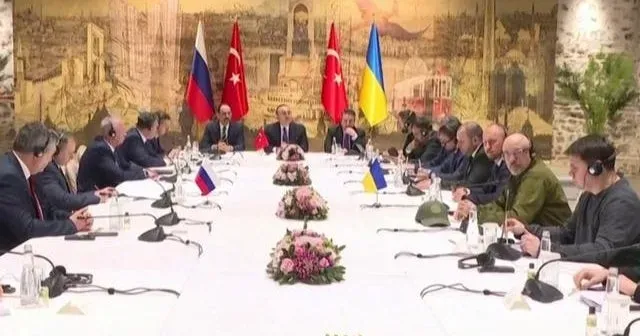
The ongoing Russia Ukraine peace talks are under intense scrutiny as the backdrop of renewed violence casts a shadow over diplomatic efforts. In a striking display of aggression, a recent missile assault on Kyiv, described by President Zelensky as evidence of Moscow’s reluctance for peace, has reignited concerns about the sustainability of any negotiations. As Zelensky prepares for critical dialogue with U.S. President Trump, their upcoming meeting aims to outline a new 20-point Ukrainian peace plan developed in collaboration with international allies. Amidst reports of destruction and casualties, this surge in hostilities highlights the imperative for a robust international military response to Russian aggression in Ukraine. As the world watches closely, the potential for lasting peace remains precariously balanced against the backdrop of current tensions.
The negotiations aimed at resolving the conflict between Russia and Ukraine are crucial, especially in light of recent developments that further complicate the landscape of diplomacy. The escalation of military actions and the strategic dialogue involving key figures like Zelensky and Trump reflect the high stakes during this pivotal period. With the Ukrainian peace framework on the table, questions regarding territorial integrity and security guarantees are at the forefront, signaling the complexities involved in reaching a consensus. As world leaders advocate for a coordinated international military stance, the ongoing crisis underscores the urgent need for a thorough and just resolution to the ongoing hostilities. Engaging in these discussions, stakeholders must navigate the minefield of political interests and humanitarian concerns while aiming for a comprehensive tranquility.
Escalating Attacks on Kyiv: A Barrier to Peace
The recent missile attacks on Kyiv serve as a grim reminder that Russian aggression continues unabated. Ukrainian President Volodymyr Zelensky condemned these assaults, emphasizing that they reflect Moscow’s unwillingness to pursue peace. The overnight attack resulted in casualties and significant damage to civilian infrastructure, straining the resolve of Ukraine as it attempts to engage in peace talks. As Zelensky prepares for discussions with international leaders, including U.S. President Donald Trump, it is clear that the current military escalation complicates any potential negotiations.
Without a robust international military response to counter Russian aggression, the path to peace appears increasingly difficult. Zelensky’s remarks underline a fundamental truth: while diplomatic efforts are crucial, they can only yield results if backed by strong deterrents. Every attack from Russia not only undermines Ukraine’s sovereignty but also raises questions about the effectiveness of international diplomacy in addressing aggressive military behavior. This continuous cycle of violence emphasizes the urgent need for decisive measures from allies to support Ukraine and restore stability in the region.
Impact of the Zelensky-Trump Meeting on Peace Negotiations
The upcoming meeting between Ukrainian President Volodymyr Zelensky and U.S. President Donald Trump is anticipated to be pivotal in shaping Ukraine’s peace strategy. Zelensky aims to discuss a new 20-point peace plan that seeks to address the ongoing conflict exacerbated by Russian aggression. The discussions are expected to include vital issues such as security guarantees for Ukraine and potential territorial concessions that have historically been significant sticking points in negotiations. Both leaders recognize that these talks could foster a renewed hope for a resolution amid the backdrop of continued hostilities.
However, Trump’s cautions regarding the approval of any agreements signal that the complexities of this geopolitical situation require careful navigation. The international community’s role in supporting Zelensky’s peace proposals will be crucial to ensure they are met with a favorable response, both within Ukraine and from Russia. If successful, the outcomes of their meeting could not only enhance Ukraine’s defense capabilities but also serve as a template for future peace negotiations, showing that dialogue, when backed by strength, can lead to successful resolutions in protracted conflicts.
International Military Response to Russian Aggression
Russia’s recent missile strikes have galvanized nations across the globe, leading to increased calls for a unified international military response. Poland, aware of its proximity to the conflict, is ramping up its defensive measures, including the deployment of fighter jets and air defense systems. This illustrates a broader willingness among neighboring countries to bolster their defense in response to perceived threats from Russia. The evolving situation underscores the importance of regional military cooperation, as countries band together to deter further acts of aggression.
Zelensky’s urging for stronger military support from both the U.S. and Europe highlights the need for a collaborative approach to ensure Ukraine is prepared for any escalation. European nations, recognizing the implications of Russian military dominance, are reevaluating their defense strategies and engaging more robustly with their allies. The prospect of establishing coordinated military responses serves not only to protect Ukraine but also to send a strong message to Moscow: that aggression will be met with an unwavering international resolve.
Zelensky’s Peace Plan: A Pathway Towards Resolution
The newly proposed 20-point peace plan by Ukrainian President Volodymyr Zelensky represents a significant effort toward reconciling the ongoing conflict with Russia. This plan, devised in consultation with U.S. officials, aims to address key concerns that have continually obstructed peace talks. By focusing on critical issues such as territorial integrity and security guarantees, Zelensky hopes to create a framework that can foster a sustainable and long-term resolution to the crisis.
While some aspects of the plan may require concessions, including the difficult discussions surrounding control of the eastern Donbas region, Zelensky has demonstrated a willingness to explore innovative solutions, such as the establishment of a “free economic zone.” This flexibility could open doors for dialogue and negotiation, paving the way for a peaceful settlement. The success of this plan will largely depend on Russia’s response and its willingness to engage constructively, which remains uncertain amidst ongoing military actions.
The Role of International Allies in Supporting Ukraine
International allies play a crucial role in shaping the future of Ukraine amidst Russian aggression. The strong support from the U.S., evident through economic aid and military assistance, is a testament to the commitment to safeguarding Ukraine’s sovereignty. As President Zelensky engages in discussions with key international figures, the necessity of reinforcing the Ukraine defense strategy becomes paramount. Allies must show a united front against Russian incursions to empower Ukraine in negotiations and deter further aggressive actions.
Allied nations are also tasked with providing not just financial assistance but also intelligence and military training, essential in strengthening Ukraine’s defense capabilities. The broader global perspective on security threats posed by Russia speaks to the interconnectedness of international stability. Demonstrating solidarity through military support will not only enhance Ukraine’s strategic positioning but also send a clear message that aggression against one nation affects the collective security of all.
Zelensky’s Vision of Peace amidst Ongoing Conflict
Despite the backdrop of relentless assaults, Ukranian President Volodymyr Zelensky remains steadfast in his pursuit of peace. His vision includes a comprehensive approach that integrates diplomatic engagement with military readiness, recognizing that both are essential in countering Russian aggression. Zelensky’s approach underscores the importance of resilience and adaptability in the face of adversity, reinforcing the belief that peace is achievable even when confronted by immediate threats.
As he prepares for critical discussions with world leaders, Zelensky articulates the need for an inclusive dialogue that considers the voices and interests of all involved parties. His proactive stance highlights a renewed hope that, while peace may seem elusive during times of conflict, there are pathways toward resolution that can be forged through determination and collaboration. The ongoing discussions and the international community’s response are strands in a complex tapestry that, if woven together thoughtfully, can lead to a durable peace.
The Consequences of Russian Military Strategy in Ukraine
The relentless military strategy employed by Russia has had significant humanitarian and infrastructural consequences for Ukraine. The widespread missile attacks targeting civilian areas in Kyiv have resulted in both loss of life and extensive damage to urban infrastructure. Such tactics not only heighten the urgency for a robust international military response but also provoke condemnation and moral outrage from the global community. The implications of these actions are significant, as they demonstrate a blatant disregard for human rights and emphasize the importance of protecting civilians during armed conflicts.
Furthermore, the ongoing implications of Russian military strategy extend beyond immediate casualties; they hinder efforts toward a peaceful resolution. As Ukraine grapples with the significant humanitarian crisis triggered by these assaults, the willingness of foreign allies to provide support and assistance becomes crucial. The international community’s reaction to Russia’s aggression will not only determine the trajectory of this conflict but also set precedents for how the world addresses future violations of international law.
Zelensky’s Engagement with Global Leaders: A Strategic Approach
Ukrainian President Volodymyr Zelensky’s diplomatic engagements with global leaders, particularly during his upcoming meeting with Donald Trump, signal a robust approach to international relations amid conflict. By fortifying alliances and seeking support from influential countries, Zelensky is actively working to create a coalition that can address the challenges posed by Russian aggression. His commitment to discussing peace strategies demonstrates the necessity of collaboration and consultation in navigating this complex geopolitical landscape.
Zelensky’s proactive diplomacy reflects an understanding that securing international backing is essential for developing effective peace proposals. Engaging with leaders who possess significant geopolitical influence enhances Ukraine’s bargaining power in peace talks, offering a chance to sway negotiations in its favor. The outcomes of such meetings will not only affect Ukraine’s immediate security but also the broader geopolitical dynamics in Eastern Europe, influencing international responses to similar challenges in the future.
Prospects for Long-Lasting Peace in Ukraine
As Ukraine navigates the challenges posed by Russian aggression, the prospects for long-lasting peace remain dependent on multiple factors, including successful negotiations and international cooperation. The ongoing violence, exemplified by devastating missile attacks, continually threatens to derail peace efforts. However, through diplomatic channels and strategic engagements, there is potential for establishing a framework that can sustain peace in the region, even as tensions rise.
The commitment to peace demands not only effective negotiation policies but also assurance from international allies to support Ukraine financially and militarily. Understanding the complexities that underpin the conflict is essential, as the resolution will require addressing fundamental issues such as territorial integrity and security guarantees. Adequate preparations and cooperative efforts will ultimately determine the durability of peace in Ukraine and signal to the world a unified stance against aggression.
Frequently Asked Questions
What are the latest developments in the Russia Ukraine peace talks following the Kyiv missile attack?
Recent comments from Ukrainian President Volodymyr Zelensky indicate that the intense missile attacks on Kyiv signify Russia’s unwillingness to engage in meaningful peace talks. These events have intensified discussions around the ongoing Russia Ukraine peace talks, especially in light of the upcoming meeting between Zelensky and U.S. President Donald Trump.
How does the Kyiv missile attack impact the Ukrainian peace plan discussed in the Russia Ukraine peace talks?
The Kyiv missile attack has raised concerns about the viability of the Ukrainian peace plan, as Zelensky described the assault as Russia’s response to Ukraine’s peace efforts. His remarks underscore the challenges faced in advancing the Russia Ukraine peace talks amid ongoing violence.
What security arrangements are included in the new Ukrainian peace plan discussed during the Russia Ukraine peace talks?
The new peace plan drafted with U.S. involvement includes security guarantees from the United States, NATO, and European allies. This is seen as a crucial step in the Russia Ukraine peace talks, particularly in addressing potential future aggression from Russia.
How does Russian aggression affect the Russia Ukraine peace talks?
Russian aggression, exemplified by the recent missile attacks on Kyiv, remains a significant hurdle in the Russia Ukraine peace talks. Zelensky’s statements reflect the sentiment that unless Russia demonstrates a genuine desire for peace, discussions may continue to be defaulted by military actions.
What role does the international military response play in the Russia Ukraine peace talks?
The international military response has become a focal point in the Russia Ukraine peace talks as allies prepare to show solidarity against Russian aggression. This response is deemed essential by Ukrainian officials to ensure security and legitimacy in the ongoing discussions.
What outcomes is Zelensky hoping for from the upcoming Zelensky Trump meeting regarding the Russia Ukraine peace talks?
President Zelensky is optimistic that his meeting with Trump will yield constructive dialogue concerning the revised peace plan, particularly focusing on security provisions and territorial compromises that are necessary for a lasting resolution to the conflict in the Russia Ukraine peace talks.
How do recent statements from Putin influence the Russia Ukraine peace talks?
Recent statements from Putin emphasize Russia’s military objectives in Ukraine and suggest that Russia may not seek a peaceful resolution. Such positions significantly complicate the atmosphere of the Russia Ukraine peace talks, as they signal a hardening stance that challenges the diplomatic efforts ongoing between the two nations.
What is the significance of the 20-point peace plan in the context of the Russia Ukraine peace talks?
The 20-point peace plan represents a more refined approach to the previous proposals, aimed at addressing specific security concerns and political frameworks necessary for advancing the Russia Ukraine peace talks. It is seen as a foundational document that could help in paving the way toward potential peace.
| Key Point | Description |
|---|---|
| Russia’s Attack on Kyiv | An intense dive bombing and drone attack in Kyiv resulted in 2 deaths, 32 injuries, and widespread damage. |
| Zelensky’s Statements | President Zelensky claims Russia doesn’t want peace, citing ongoing aggression as a response to peace talks. |
| Upcoming Meeting with Trump | Zelensky is set to discuss a new 20-point peace plan with U.S. President Trump, which aims to bring a resolution to the conflict. |
| International Support | Poland and Canada show solidarity with Ukraine, with Canada pledging $2.5 billion in assistance. |
| Putin’s Military Stance | Putin insists on achieving military objectives if Kyiv does not pursue peace, indicating a hardline approach. |
| Discussion on Security Guarantees | Negotiations include potential security guarantees from the U.S. and NATO to protect Ukraine from future invasions. |
| Control of Donbas Region | Control over Ukraine’s eastern Donbas region remains a critical issue in ongoing peace discussions. |
Summary
The ongoing Russia Ukraine peace talks are considerably challenged by Russia’s recent intensified attacks on Kyiv, making it clear that Moscow appears unwilling to seek a resolution. As Ukrainian President Zelensky prepares to engage with international leaders on forming a new peace plan, the stark contrast between rhetoric and actions indicates a complex path ahead for any potential agreement. With continued military threats from Russia and a heightened need for strategic international support, the prospects of a lasting peace remain uncertain.

