Listen to this article
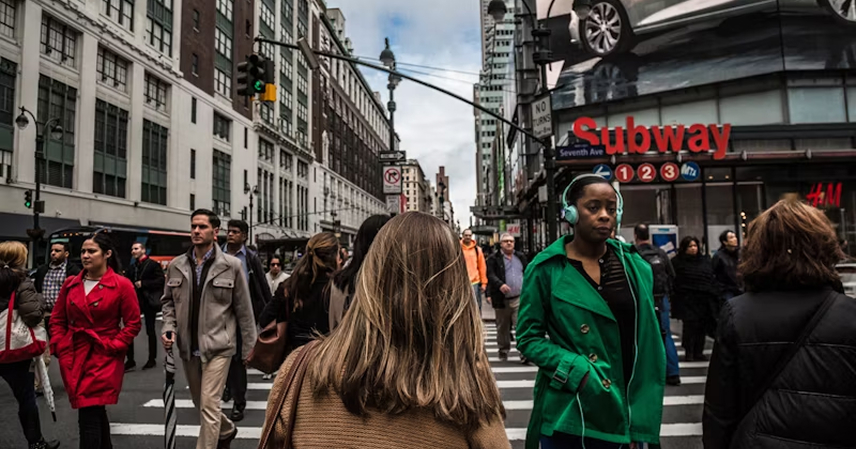
As the New Year holiday unfolds, hopes for Russia 2026 are palpable among citizens, reflecting a mix of optimism and uncertainty. In the bustling streets of Moscow, BBC’s Russia editor Steve Rosenberg engages with locals, who express their predictions for the future amid the backdrop of a challenging economy. The ongoing Ukraine war impact continues to shape public sentiment, influencing perceptions of the Russian economy in 2026. Strikingly, many are torn between aspirations for recovery and concerns about political stability. With various elements intertwining, the future of Russia remains a topic of lively discussion and speculation as the nation navigates these tumultuous times.
As 2026 approaches, the aspirations of the Russian populace become a focal point, reflecting a desire for progress amidst adversity. Conversations echo throughout Moscow, where the challenges posed by international conflict and economic pressures leave an indelible mark. Observations by prominent figures like Steve Rosenberg shed light on the collective mindset, painting a picture of a society grappling with its trajectory. Amidst conversations about revival, the shadow of the Ukraine conflict looms large, prompting many to reassess their expectations for the coming years. In this evolving landscape, the outlook for Russia is a complex tapestry woven from hope, reality, and the quest for stability.
Public Sentiment on Russia 2026 Hopes
As 2026 approaches, the hopes of Russians are mixed, influenced heavily by the ongoing war in Ukraine and the economic challenges they face. Conversations with ordinary citizens reveal a desire for stability and peace, showcasing a longing for a future that is free from conflict. Many expressed a sense of uncertainty about whether the country can emerge from the current crises stronger or whether the damage inflicted by the prolonged conflict may hinder its progress toward a brighter future.
Moreover, the discussions highlight a prevailing concern regarding the Russian economy in 2026. With western sanctions still impacting various sectors, there’s a palpable fear that economic conditions may not improve. People are cautious, indicating that any positive shift in 2026 will depend on diplomatic resolutions and economic reforms that can restore public confidence and international relations.
Moscow 2026 Predictions: Economic Outlook and Geopolitical Climate
Looking ahead to 2026, predictions about Moscow’s economic landscape underscore the interplay between domestic policies and external pressures. Experts suggest that if the war in Ukraine continues, the economy may struggle to recover, potentially stifling growth opportunities. Forecasts indicate a possible recession due to reduced foreign investment and a reliance on domestic markets, complicating the country’s financial recovery.
Geopolitically, the future of Russia hinges not just on its internal strategies but also on the actions of other nations. The impact of the Ukraine war looms large in these predictions, where analysts like Steve Rosenberg from the BBC point out that Russia’s international relationships are at a critical juncture. How the Kremlin navigates these relationships will be instrumental in determining whether Russia can build a more stable economic environment by 2026.
The Future of Russia: Balancing Challenges and Hopes
The future of Russia is marked by various challenges that citizens hope to overcome in the near term. Both the ramifications of the Ukraine war and internal economic issues foster a climate of cautious optimism. Many Russians believe that rebuilding their societal fabric is essential for future generations, thereby instilling a sense of responsibility among the youth to advocate for progress and reform.
However, with ongoing military operations and international isolation, there is a palpable tension between aspiration and reality. As people navigate their sentiments in Moscow, they express a desire for enhanced political accountability, increased transparency, and a robust plan to address the economic fallout from the war. Only then can the collective hopes for a prosperous Russia by 2026 become a feasible goal.
Impact of the Ukraine War on Russian Society
The ongoing war in Ukraine has had a significant impact on Russian society, affecting everything from daily life to long-term aspirations. Many citizens express feelings of weariness and frustration as the conflict escalates, leading to a pervasive sense of anxiety about the future. This situation has resulted in a rallying cry for peace, with public discourse increasingly emphasizing the need for resolution and reconciliation.
Despite the hardships, there is a resilient spirit among the Russian populace. People are engaging in conversations about the potential for a post-war society where economic innovation and diplomatic engagement can flourish. Recognizing the dual pressures of war and economic instability, many are pushing for a future that includes not only the cessation of hostilities but also a rejuvenation of their national identity.
Steve Rosenberg’s Insights on Russian Public Opinion
BBC’s Steve Rosenberg provides an invaluable perspective on the sentiments shared by the Russian public regarding their hopes for 2026. His insights paint a picture of a society grappling with fear, aspiration, and pragmatism. Many express a desire for change, yearning for a trajectory that mitigates the detriments of the ongoing conflict, with an emphasis on unity and recovery.
Rosenberg’s coverage reveals that while many Russians are patriotic, they are also critical of government policies that have led to their current predicament. His interviews on the streets of Moscow showcase a populace that is not only hopeful about what 2026 could bring but also acutely aware of the realities that must be navigated to achieve those hopes.
Economic Challenges Facing Russia in 2026
The Russian economy in 2026 is poised to face significant challenges as a result of both internal policies and external factors. With the ongoing consequences of the Ukraine war, economic growth is likely to be stifled by sanctions and reduced trade options. Analysts predict that the GDP may take longer to recover than initially hoped, impacting employment and living standards for the average Russian.
Additionally, there are concerns regarding investment in key sectors that are vital for sustainable growth. The reliance on oil and gas exports remains a significant vulnerability, particularly in a climate of fluctuating global energy prices. As conversations around economic diversification gain traction, the urgency to develop alternative industries becomes increasingly apparent.
The Role of International Relations in Russia’s Future
International relations will play a crucial role in shaping Russia’s future as it approaches 2026. The dynamics with Western nations, particularly influenced by the war in Ukraine, will affect everything from trade agreements to diplomatic channels. The potential for economic collaboration hinges on the willingness of both Russia and its partners to engage in dialogue and negotiation.
Many Russians are concerned about the long-term effects of isolation from global markets. This fear propels discussions on diplomacy, underscoring a collective aspiration for a recalibrated international stance that prioritizes peaceful resolutions and economic partnerships. Navigating these geopolitical tensions is vital for fostering a stable environment that can facilitate growth and recovery.
Cultural Shifts in Response to Economic Pressures
Cultural shifts are visibly evolving in Russia as the nation grapples with both economic pressures and social expectations. As the landscape changes, there is a growing emphasis on the arts and innovation as outlets for expression and unity. Citizens express a desire to forge new cultural identities that resonate with both their traditions and aspirations, indicating a dynamic ability to adapt in challenging times.
Amid the struggles, creativity often flourishes. Russian artists, writers, and creators are stepping up to address contemporary issues through their work, providing a fresh narrative that contrasts against the backdrop of conflict. This cultural resurgence aims to capture the public sentiment, offering narratives of hope and resilience that may inspire change in societal norms and economic policies.
Vision for a Post-War Russia
The vision for a post-war Russia largely encompasses aspirations for peace, economic recovery, and return to normalcy. As people look toward 2026, many express hopes for a future where reconciliation can pave the way for both national healing and international partnerships. The potential for dialogue with neighboring countries is seen as integral to restoring trust and fostering collaboration.
This vision also focuses on rebuilding infrastructure, revitalizing the economy, and enhancing the quality of life for citizens. Following years of conflict, the rebuilding process will demand not just investments but also a shift in political will, emphasizing governance that is responsive to the needs of the populace. The year 2026 looms as a critical marker in this ongoing journey toward recovery and reinvention.
Frequently Asked Questions
What are Moscow 2026 predictions regarding the economy and society?
Moscow 2026 predictions indicate that Russians are hopeful for significant economic recovery and societal improvements despite ongoing challenges. Many citizens feel that the Russian economy will show signs of resilience, but they are also cautious about the long-term impacts of the Ukraine war on their everyday lives.
How does the Ukraine war impact Russia’s hopes for 2026?
The Ukraine war casts a long shadow over Russia’s hopes for 2026, as it affects economic stability and international relations. Citizens express concerns that military conflicts may hinder Russia’s progress and prospects for peace and prosperity in the coming years.
What does Steve Rosenberg from the BBC say about Russia’s hopes for 2026?
Steve Rosenberg, the BBC’s Russia editor, highlights that ordinary Russians are yearning for stability and improvement in their daily lives as they look towards 2026. His discussions reveal a mix of optimism for economic revival and apprehension about the ongoing geopolitical tensions.
What are the main concerns of Russians regarding the future of Russia in 2026?
As they contemplate the future of Russia in 2026, many citizens express concerns about economic sanctions, inflation, and the social fabric of their communities. These issues are exacerbated by the ongoing Ukraine war, which many believe will affect their hopes for a better future.
What role does the Russian economy play in shaping hopes for 2026?
The Russian economy is central to the hopes for 2026, as many believe that economic recovery will lead to improved living conditions. However, the citizens are wary of the potential long-term consequences of the Ukraine conflict on economic stability and growth.
| Key Points |
|---|
| Discussions of hopes for 2026 among Moscow residents |
| Concerns regarding the ongoing war in Ukraine |
| Economic pressures affecting daily life |
Summary
Russia 2026 hopes are deeply intertwined with the current geopolitical and economic challenges facing the country. As people in Moscow reflect on their aspirations for 2026, they express a blend of optimism and concern, primarily driven by the ongoing war in Ukraine and the impact of economic instability on their lives. These conversations reveal a longing for peace and prosperity, as well as an awareness of the complex realities shaping their future.