Listen to this article
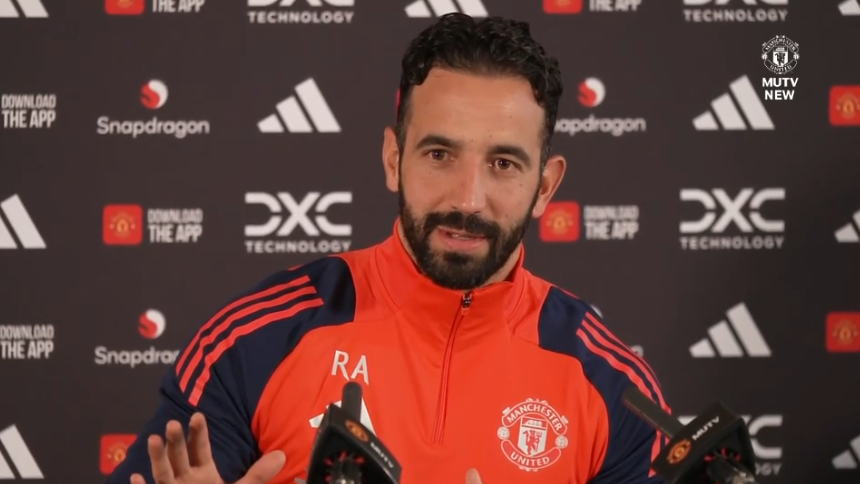
Ruben Amorim’s training changes at Manchester United have sparked interest among fans and analysts alike, marking a new era for the Red Devils since his appointment as head coach. Following a tumultuous previous season, Amorim has made notable alterations to the club’s training regimen, focusing on pacing the intensity in the lead-up to matches. This shift comes as a response to previous concerns over injury management during high-stakes Premier League training routines reminiscent of Erik ten Hag’s era. His tactics aim to ensure players remain fit and competitive, which is vital for maintaining performance throughout a grueling season. As Man Utd prepares for a packed December schedule, the implications of Amorim’s training adjustments could play a crucial role in their pursuit of success in the Premier League and beyond.
The recent modifications in football training under head coach Ruben Amorim at Manchester United highlight a strategic pivot in the club’s preparation methods. Upon taking charge, Amorim has emphasized a more measured training approach, especially as games approach, which contrasts with the previously intense practices. This evolution in training philosophy is crucial for effective player fitness and injury prevention, allowing the team to navigate the rigors of the Premier League effectively. As he focuses on optimizing performance, these innovative tactics may not only enhance training intensity but also mitigate injury risks—an aspect that has become increasingly critical for the team’s success this season. With upcoming challenges in their match calendar, Amorim’s approach could well redefine United’s capabilities on the pitch.
Ruben Amorim’s Training Transformation at Manchester United
Ruben Amorim’s appointment as Manchester United’s head coach has ushered in a new era of training methodologies, emphasizing a shift from the previous high-intensity approach to a more balanced routine. Recognizing the struggles some players had with the taxing training sessions implemented under Erik ten Hag, Amorim has made adjustments to ensure the players remain fit and resilient. The head coach aims to foster a training environment that prioritizes players’ well-being and longevity, particularly as the Premier League season intensifies.
This alteration in the training schedule coincides with a crucial period where Manchester United is navigating a one-match-per-week routine. As the Premier League action resumes, Amorim’s strategies will likely play a pivotal role in the squad’s fitness and performance. The focus on implementing moderate intensity during training sessions allows for adequate recovery times, minimizing injury risks while maintaining a competitive edge as the fixtures become congested later in the season.
Impact of Training Intensity on Player Performance
The intensity of training has a profound impact on players’ performance during matches. With Ruben Amorim’s revised approach, Manchester United’s players have reported feeling less physically drained prior to matches, which could translate into improved performances on the pitch. Lower intensity training sessions allow players to conserve energy and focus more on tactical execution, vital for navigating the rigorous demands of the Premier League where every point counts.
Moreover, the data backs the significance of training routines tailored to players’ responses. In contrast to the previous regime, where the focus was heavily on high-intensity sessions, Amorim’s adjustment affords players the opportunity to engage in tactical drills and offensive strategies without the risk of overexertion. This pivotal change not only aims to enhance in-game performance but also addresses Manchester United’s injury management, ensuring players are available week in and week out.
The Role of Tactical Adjustments in Amorim’s Philosophy
Ruben Amorim’s philosophy greatly revolves around tactical flexibility, allowing him to adapt training sessions to the needs of the squad. His methods reflect an understanding that successful football transcends physical preparation; it also requires mental acuity and strategic foresight. By allowing players to participate in drills that enhance their spatial awareness and decision-making, Amorim is laying the foundation for a more cohesive team.
As United faces an array of fixtures in December, tactical training becomes increasingly critical. Amorim’s modifications cater to honing tactical discipline among the players, which has often been tested during matches. By focusing on areas like defensive organization and positional play during training, he aims to improve overall team performance, reducing lapses that have previously led to dropped points in crucial games.
Reintegrating Players Post-Injury under Amorim
In managing player fitness, Ruben Amorim faces the challenge of reintegrating key squad members who have dealt with injuries. The approach under his leadership emphasizes not only rehabilitation but also gradual inclusion into full training sessions. This focus is crucial for maintaining the club’s aspirations in the Premier League, especially with players needing to regain match sharpness while avoiding re-injury.
Efforts in injury management mean that players like Lisandro Martinez, who has experienced significant setbacks, undergo tailored training regimens that facilitate their return to peak form. Amorim’s strategy underscores the importance of a gradual buildup, ensuring the player’s physical readiness corresponds with the intensity required during matches, aligning with the vision of resilience and performance that he aims to instill across the squad.
Addressing Matchday Readiness Through Training Adjustments
As Manchester United approaches a demanding series of matches, the emphasis on matchday readiness becomes paramount. Amorim’s training schedule directs significant attention to preparing the players not just physically, but mentally for the challenges ahead. This aspect of training is crucial in the context of their upcoming fixtures, where the psychological readiness can often differentiate winning from losing.
Through the careful management of training intensity, Amorim looks to ensure his squad is not only fit but also mentally sharp when they step onto the pitch. This training philosophy aims to cultivate a winning mentality, empowering players to seize opportunities during games, particularly when the stakes are high, such as during tightly contested Premier League encounters.
The Importance of Recovery in Amorim’s Training Culture
Recovery is a fundamental element of Ruben Amorim’s revised training culture at Manchester United. Given the rigors of the Premier League, emphasizing recovery within training schedules allows players to maintain optimal performance levels over the season. With Amorim’s strategy, there is a dedicated focus on ensuring players have adequate downtime, reinforcing the philosophy that recovery is just as important as training intensity itself.
Incorporating recovery protocols into daily routines can significantly reduce fatigue and injury risks, which has been a concern for teams competing at high levels. By fostering a culture that values rest, Amorim not only aids in the immediate physical recovery of players but also promotes long-term well-being, an essential aspect of sustained success in the wear and tear of an extensive football season.
Building Team Cohesion Through Modified Training Heuristics
Team cohesion is vital for any football club aiming for success, and Ruben Amorim is implementing training adjustments to strengthen this bond at Manchester United. By focusing on collaborative drills and collective problem-solving during training, Amorim seeks to enhance the inter-player connections that are often tested on match days. His initial training sessions have been designed to encourage communication and tactical awareness among squad members.
As the season progresses, these adjustments foster strong relationships within the team, which can translate into improved on-pitch performances. The development of trust among players allows for fluid movements and decision-making during matches, a necessity in the competitive landscape of the Premier League. Amorim’s approach highlights that harmony within the squad is as essential as physical readiness.
Strategic Adaptations in Preparing for High-Pressure Matches
With high-pressure situations across the football calendar, especially in the Premier League, strategic adaptations in training become essential. Amorim is acutely aware of the psychological and physical demands placed on players as they approach critical matches and has adjusted training to help players handle complex scenarios. Practices that simulate matchday pressure bolster players’ abilities to make decisions swiftly and efficiently when it counts.
Such exercises not only prepare the team for immediate challenges but also instill confidence in their abilities to cope with high-pressure environments. This strategic focus is vital for Manchester United as they aspire to regain their competitive edge within the league, fostering a culture of preparedness and resilience that exemplifies Amorim’s mission at Old Trafford.
The Future of Player Development under Amorim’s Leadership
Looking ahead, the future of player development at Manchester United seems promising under Ruben Amorim’s guidance. By focusing on Individualized training programs, players can enhance their skills comprehensively. Adaptations to Amorim’s training methodologies allow for targeted improvements tailored to each player’s strengths and areas for growth, ensuring continuous progression regardless of the competitive context.
As Manchester United prepares for a pivotal part of the season, the emphasis on holistic player development underscores the club’s commitment to nurturing talent. Amorim’s tactics not only aim for immediate results but also focus on building a sustainable framework for success in the long run, positioning the squad effectively for future challenges in both domestic and European competitions.
Frequently Asked Questions
What are Ruben Amorim’s training changes at Manchester United?
Ruben Amorim has made significant adjustments to Manchester United’s training routines since his appointment. One notable change is that he has reduced the intensity of training as match days approach, responding to players’ concerns about the high-intensity training previously implemented under Erik ten Hag.
How have Ruben Amorim’s tactics influenced Manchester United’s training?
Ruben Amorim’s tactics focus on maintaining player fitness and readiness for match days. By lowering the intensity of training sessions before games, Amorim aims to prevent injuries and enhance performance, which has shown positive effects as United has managed a relatively small injury list this season.
What are the benefits of Ruben Amorim’s less intense training routines for Man Utd players?
The less intense training routines introduced by Ruben Amorim allow Manchester United players to recover better before match days and reduce the risk of injuries. This approach aims to keep them fresh and energetic throughout the season, particularly during busy schedules.
How does Ruben Amorim’s training approach compare to previous Premier League training routines?
Compared to Erik ten Hag’s high-intensity training approach, Ruben Amorim’s methods are designed to be more player-friendly. His focus on adjusting the intensity based on match schedules aligns with a broader trend in Premier League training routines that prioritize player fitness and injury management.
What impact have Ruben Amorim’s training changes had on Man Utd’s injury management?
Ruben Amorim’s training changes have positively impacted Manchester United’s injury management, leading to a notably smaller injury list this season. By tapering training intensity, Amorim ensures players maintain optimal fitness levels while minimizing the risk of strain and injury.
How does the current training routine under Ruben Amorim prepare Manchester United for a busy December schedule?
Ruben Amorim’s training routine, which focuses on lower intensity as matches approach, prepares Manchester United well for a busy December schedule. This strategy helps ensure players are physically prepared to handle the demands of multiple fixtures within a short time frame.
What did Ruben Amorim say about Manchester United’s performance after the draw with Tottenham?
After the 2-2 draw with Tottenham, Ruben Amorim acknowledged the team’s need for improvement, indicating that while they controlled much of the game, a lack of aggression and awareness allowed them to concede crucial goals. He emphasized the importance of being prepared for any situation that can arise during matches.
What can fans expect from Manchester United’s training and performance under Amorim going forward?
Under Ruben Amorim, fans can expect a more balanced approach in training that prioritizes player health and readiness. As the team prepares for a challenging December, the focus will be on maintaining fitness levels and optimizing performance to secure crucial points in the Premier League.
| Key Aspect | Details |
|---|---|
| Appointment | Ruben Amorim appointed as Manchester United head coach in November. |
| Training Changes | Amorim has made training sessions less intense, especially as match days approach. |
| Injury Management | The team has maintained a relatively small injury list this season. |
| Current Standing | United sits 7th in the Premier League, with recent performances indicating improvement. |
| Upcoming Matches | Resuming Premier League on November 24 against Everton, followed by a busy December schedule. |
| Amorim’s Philosophy | Calls for better performance, more aggression, and improved communication during matches. |
Summary
Ruben Amorim training changes at Manchester United have ushered in a new approach to the team’s training routine, adjusting the intensity to better suit player needs. Since taking over, Amorim has aimed to refine the team’s performance and reduce injuries. With United currently aiming for Champions League qualification, these changes are critical as the team prepares for a challenging December ahead.