
Listen to this article
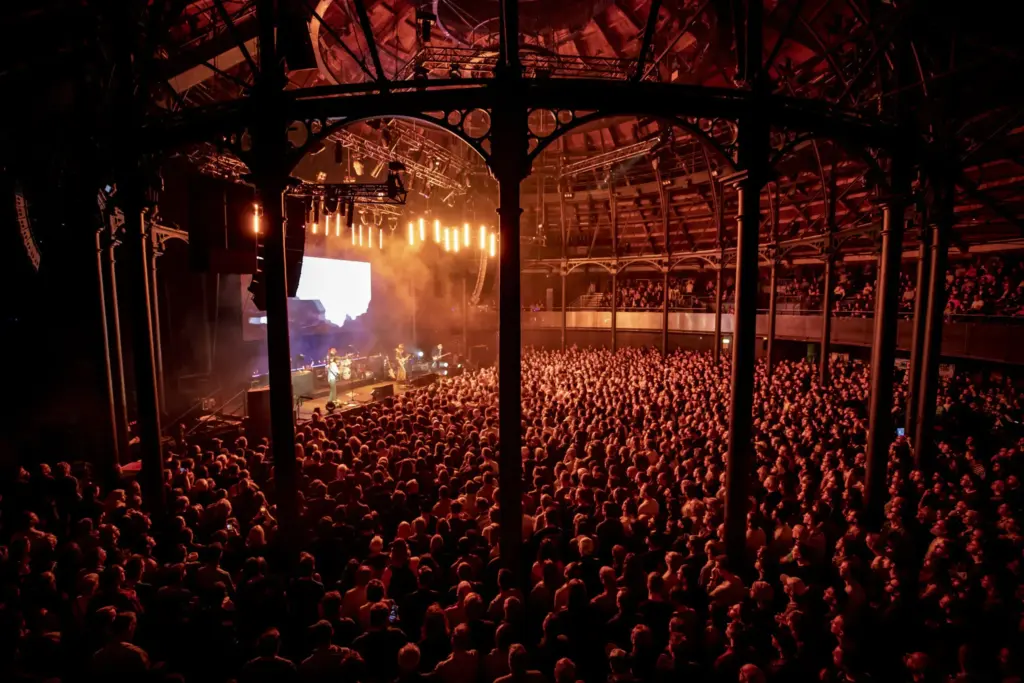
The recent incident of antisemitism at the Roundhouse concert has sparked significant outrage and condemnation. During a performance by Primal Scream, the iconic Roundhouse music venue in Camden found itself at the center of controversy when images depicting antisemitic imagery were projected on stage. The venue’s management quickly issued a statement expressing deep regret over the incident, emphasizing that the offensive graphics were shown without their knowledge. As the Community Security Trust reported the matter to police, the backlash highlights the ongoing challenges of balancing freedom of expression in artistic performances with the need to combat hate speech. This situation not only raises important questions about accountability in music venues but also serves as a reminder of the necessity to uphold respect and safety for all community members, especially the Jewish community.
The troubling episode involving antisemitic visuals during a concert at the Roundhouse has ignited a broader discussion concerning hate symbols in artistic expression. This confrontation blends themes of cultural sensitivity and the responsibility of creative platforms to avoid language or imagery that incites hatred and discrimination. Allegations directed towards the performance by Primal Scream emphasize the tension between artistic freedom and community safety, particularly within spaces that should celebrate diversity. As various organizations extend their calls for an urgent inquiry into the events that unfolded, it is evident that the intertwining of controversial imagery with popular culture cannot be overlooked. In the wake of the incident, the dialogue about acceptable bounds of expression and the implications of using hateful symbols in art continues to resonate in society.
Understanding the Roundhouse Concert Antisemitism Incident
The Roundhouse music venue has found itself at the center of a controversy following the display of antisemitic imagery during a concert by the band Primal Scream. The unsanctioned and offensive visuals included a disturbing juxtaposition of the Star of David and a swastika, sparking outrage among both concertgoers and the Jewish community. Following the incident, the Roundhouse issued a public apology, expressing regret and emphasizing that the content was shown without their approval. This case raises significant questions about the responsibilities of venues in monitoring the content that is presented on their stages, particularly in regard to sensitive subjects.
Antisemitism in contemporary society, especially within public events, cannot be overlooked. This incident at the Roundhouse spotlights not only the importance of vigilance against hate speech but also highlights the broader implications of such expressions in artistic settings. The Community Security Trust (CST), which advocates for Jewish safety, has voiced its concerns by demanding immediate investigations, acknowledging that art should not excuse the propagation of hatred. The dual meanings and interpretations of freedom of expression in artistic performances must be carefully navigated, ensuring that they do not contribute to the pervasive culture of antisemitism.
The Primal Scream Controversy Explained
The Primal Scream incident is particularly complex due to the band’s history and the context of their performance. Known for their provocative style, which often challenges societal norms through music and visual media, the band is seen as using art to provoke thought. However, during their recent performance, the presentation of antisemitic imagery raised ethical concerns regarding the limits of artistic expression. The performance of “Swastika Eyes” and its accompanying visuals blended political statements with offensive symbols, leading many to question whether the intention was to critique or perpetuate harmful narratives.
The backlash from the public and organizations like the Campaign Against Antisemitism has been significant. Critics argue that combining the Star of David with the swastika is not only offensive but also dangerous, as it can incite hatred against the Jewish community. The distinction between freedom of expression and the responsibility of artists and venues to avoid perpetuating hate is a critical discussion point. The controversy surrounding Primal Scream’s concert illustrates the delicate balance needed in the realm of performance art—where provocation must be carefully weighed against the potential for real harm.
Freedom of Expression vs. Hate Speech
The clash between freedom of expression and hate speech is a pivotal issue that has come to the forefront following the Roundhouse incident. Advocates for free speech may argue that artistic expression should not be hindered, as it plays a crucial role in societal dialogue. However, the display of antisemitic imagery raises urgent questions about the definition of free expression. How far can one go in the name of art without crossing the line into hate? This incident underscores the complexities that arise when freedom of expression intersects with the responsibility creators have to avoid endorsing harmful ideologies.
In light of the Roundhouse’s apology and commitment to prevent future occurrences of hate speech, one can see the growing recognition of the need to establish clearer boundaries. The responsibilities of artists and venues must include an awareness of historical contexts and the potential implications of their messaging. As demonstrated by the outrage following Primal Scream’s performance, society is becoming less tolerant of expressions that can incite division or hatred, particularly against marginalized communities. This incident serves as a reminder of the ongoing debate over where artistic freedom begins and whether it justifies the offense caused at the expense of communal safety.
The Role of the Community Security Trust (CST)
The Community Security Trust (CST) plays a vital role in protecting the interests and safety of Jewish communities in the UK. Their involvement following the Roundhouse incident highlighted the organization’s commitment to combatting antisemitism and advocating for the rights of individuals affected by hate speech. By reporting the incident to the police, the CST underscored the importance of institutional responses to antisemitic displays, ensuring that such matters are taken seriously and investigated thoroughly. The actions of the CST reflect a broader necessity for community vigilance against expressions of hatred that can incite violence and discrimination.
CST representatives have denounced the imagery displayed during the concert, equating the intertwining of the Star of David and the swastika as deeply offensive. Their statement serves not only as a condemnation but also as a call to action, urging venues and artists to acknowledge the far-reaching implications of their actions. As communities grapple with the challenges of safety and expression, organizations like CST will continue to advocate for policies and practices that support the dignity and respect of all communities. Their proactive approach acts as a beacon for other organizations, emphasizing that community protection should always be a priority in all public spheres.
Impacts of Antisemitic Imagery in Art
The display of antisemitic imagery in art raises significant concerns regarding its impact on societal attitudes towards Jewish communities. Art has historically been a platform for challenging norms and invoking discussions; however, when it involves symbols of hate, it risks normalizing prejudice rather than fostering constructive discourse. The Roundhouse incident reflects a need for critical examination of the content presented in artistic venues, as such images can perpetuate harmful stereotypes and divide communities rather than unite them.
Furthermore, the fallout from the Primal Scream concert emphasizes how art that incorporates antisemitic elements can have dangerous implications, often invoking collective trauma and perpetuating existing societal biases. Responses from various advocacy groups highlight the importance of accountability in the arts sector, promoting a culture that honors the memories of past atrocities. As society evolves, it is essential to re-evaluate the balance between artistic freedom and the potential risks of anti-Jewish sentiment infiltrating mainstream culture.
The Historical Context of Antisemitism in Art
To fully understand the implications of antisemitic imagery displayed during events like the Primal Scream concert, one must consider the historical context of antisemitism in art. Throughout history, art has been utilized both as a tool for oppression and for resistance against hatred. Antisemitic tropes have resurfaced in different cultures and eras, often reinforcing harmful narratives that contribute to discrimination and violence against Jewish people. The intertwining of the Star of David and swastika plays into a narrative that has long caused significant harm, evoking painful historical memories for many.
In examining the historical relationship between art and antisemitism, it’s crucial to recognize the responsibility that artists and venues have to understand the weight that such imagery carries. This incident serves as a stark reminder that what may be viewed as provocative or artistic can also perpetuate hate and foster division within society. The Roundhouse’s situation calls for a more conscientious approach to artistic freedom—one that upholds the values of respect, responsibility, and an awareness of historical consequences.
Primal Scream’s Justification of Artistic Choices
In the aftermath of the controversy, Primal Scream defended their artistic choices, claiming the use of provocative imagery was intended to stimulate debate about global issues. Their position brings forth the critical question of whether the provocative nature of art can justify the potential for inciting hate. While the band’s members may view their work through the lens of artistic expression, the responsibility to ensure that such expressions do not cross the line into hateful rhetoric is paramount, especially in a politically charged atmosphere.
Primal Scream’s assertion that their use of imagery draws on historical contexts to question world governments stresses the thin line between artistic critique and the dissemination of harmful messages. The band’s perspective, depicting their actions as a catalyst for discussion, must be weighed against the visceral reaction of those who interpret the images as endorsing hate. The implications of this incident extend far beyond the performance stage, highlighting the need for artists to engage in self-reflection about how their work may impact societal values and beliefs.
Engaging Communities in Constructive Dialogue
Following the backlash surrounding the Roundhouse concert, there is a pressing need to foster constructive dialogue within and between communities. Events like this underscore the reality of misunderstandings that can arise when art confronts sensitive topics such as antisemitism. Engaging communal voices in discussions about freedom of expression and the impact of imagery in art can help bridge gaps in understanding, allowing for an education that prioritizes awareness and sensitivity. Community engagement initiatives, led by organizations like CST, can help to create dialogues aimed at healing and understanding.
Furthermore, building dialogue not only facilitates better comprehension of the issues at hand but also empowers communities to advocate for themselves. By discussing the implications of antisemitism and the historical weight that certain symbols carry, community discourses can shift towards promoting inclusivity and respect among diverse groups. Through these conversations, the hope is to cultivate environments where expressions of hatred are unequivocally rejected, and mutual understanding and acceptance become the new norms.
The Importance of Accountability in Art
With the incident at the Roundhouse serving as a wake-up call for the arts community, accountability becomes a vital topic for discussion. Artists and venues alike must adopt a proactive stance in assessing the content they present to their audiences. Understanding that their actions can have real-world consequences will encourage a more responsible approach to artistic expression. The Roundhouse’s public apology illustrates the need for accountability mechanisms that ensure venues critically evaluate the materials shown on their platforms.
By reaffirming their commitment to fight against antisemitism and all forms of discrimination, venues can contribute to a broader cultural shift that holds artists accountable for their messages. Furthermore, maintaining an open channel for communication between artists, venues, and communities will foster a more constructive environment, wherein the responsibility of art is shared. In acknowledging the significance of the Roundhouse incident, the art world must move toward a future where accountability is not just a reaction to controversy but an ongoing commitment to ethical representation.
Frequently Asked Questions
What happened during the Roundhouse concert that involved antisemitism?
During a concert by Primal Scream at the Roundhouse music venue, antisemitic imagery was displayed on stage, which included an image combining the Star of David and a swastika. This led to an apology from the venue and a report to the police by the Community Security Trust (CST).
How did the Roundhouse music venue respond to the antisemitic imagery displayed at the concert?
The Roundhouse management expressed their regret and condemnation of the antisemitic images shown at the Primal Scream concert. They stressed that the content was presented without their knowledge and emphasized their commitment to standing against antisemitism and ensuring a safe space for all attendees.
What actions did the Community Security Trust take regarding the Roundhouse concert?
The Community Security Trust reported the incident to the police after offensive images were displayed during the concert. They called for an urgent investigation into the matter, emphasizing the risks posed by such antisemitic imagery.
What did Primal Scream say about the controversial imagery used during their concert at the Roundhouse?
Primal Scream referred to the video that included antisemitic imagery as a ‘piece of art’ intended to provoke debate. However, they did not clarify if their comments were specifically about the controversial imagery displayed on stage.
What are the implications of showing antisemitic imagery at concerts like the one at the Roundhouse?
Displaying antisemitic imagery, such as intertwining the Star of David with a swastika, can incite hatred against Jewish communities and perpetuate harmful stereotypes. It represents a significant violation of social norms and can lead to legal consequences, as law enforcement investigates such incidents.
How is freedom of expression addressed in the context of the Roundhouse concert controversy?
While freedom of expression is a fundamental right, the use of antisemitic imagery at the Roundhouse concert raises important questions about the boundaries of this freedom. The controversy highlights the need to balance artistic expression with the responsibility to avoid hate speech and discrimination.
What steps are organizations taking in response to the antisemitic imagery displayed at the Roundhouse concert?
In response to the antisemitic imagery displayed during the Roundhouse concert, organizations like the Community Security Trust and Campaign Against Antisemitism are advocating for investigations and examining legal options. They are also working to promote awareness of the issues surrounding antisemitism in artistic expressions.
| Key Point | Details |
|---|---|
| Roundhouse Apology | The Roundhouse venue apologized after antisemitic imagery was shown on stage during a Primal Scream concert. |
| Antisemitic Imagery | A video displaying the Star of David entwined with a swastika was projected during the concert. |
| Police Involvement | The police began assessing the content of the video after a report from the Community Security Trust. |
| Band’s Description | Primal Scream referred to the imagery as “a piece of art” without clarifying its intent. |
| Public Response | Both CST and Campaign Against Antisemitism condemned the images as hateful, arguing they wrongfully associate Jews with Nazis. |
| Roundhouse Statement | The venue expressed deep regret and stated that such displays contradict their values, affirming their stance against antisemitism. |
Summary
The Roundhouse concert antisemitism incident highlights a significant issue in the entertainment industry regarding the responsibility of artists and venues in overseeing the content presented to audiences. The management’s apology following the display of offensive imagery during a Primal Scream concert underscores the urgency of addressing hate symbols in public spaces and the importance of creating an environment where all community members feel safe and respected. This event not only sparked outrage among the Jewish community but also raised critical questions about freedom of expression versus the promotion of hate.