
Listen to this article
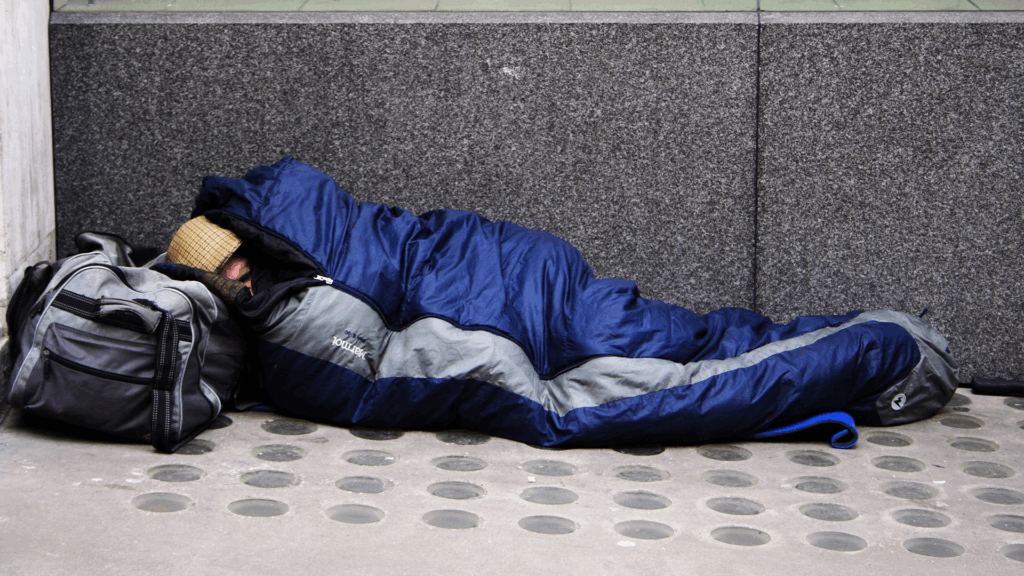
Rough sleeping remains a critical issue in London, especially during the harsh winter months when temperatures plummet. In the winter of 2024 to 2025, the city experienced a staggering rise in rough sleepers, exceeding 13,000 individuals according to outreach counts. With the activation of the Severe Weather Emergency Protocol (SWEP), emergency shelters in London have been mobilized to provide essential support and accommodations for those in need. As the cold weather sets in, the risk to life increases significantly, compelling boroughs to work with homelessness support organizations to ensure no one is left on the streets. This urgent response underscores the importance of cold weather aid and community involvement in combating the harsh reality faced by London’s rough sleepers.
The plight of individuals living without shelter, often referred to as homeless or those experiencing unsheltered living, has captured the attention of London’s authorities amidst an unprecedented rise in numbers. With winter looming, many are at heightened risk as temperatures drop, leading to potential life-threatening situations. Local governments and charities are implementing initiatives, such as emergency shelters and vital support services, to address this urgent humanitarian crisis. Initiatives like the Severe Weather Emergency Protocol (SWEP) play a crucial role in mobilizing resources to protect those experiencing street homelessness from the extreme cold. It is imperative that we understand the various dimensions of this issue to foster a comprehensive solution that aids those in urgent need of assistance.
The Rise of Rough Sleeping in London
Rough sleeping has become an alarming issue in London, with over 13,000 individuals reported in the 2024 to 2025 count. This figure marks a significant increase, making it the highest recorded number in the city’s CHAIN database. Various factors contribute to this rise, including the high cost of living, lack of affordable housing, and insufficient mental health support services. The urgency to address homelessness support is now more pressing than ever, especially with the winter months bringing additional challenges.
The visibility of rough sleepers on London’s streets often highlights a systemic failure to provide adequate resources. Emergency shelters are frequently overwhelmed, and the existing support systems must adapt to meet the increasing demands. With strategic initiatives like the Severe Weather Emergency Protocol (SWEP) being activated during extreme conditions, it underscores the need for more permanent solutions to combat homelessness. Enhanced policies and community support are vital in turning the tide on this pressing social issue.
Understanding the SWEP Protocol and its Importance
The Severe Weather Emergency Protocol (SWEP) is a critical safety net for those experiencing homelessness during winter. When temperatures plummet to 0°C, SWEP mobilizes local boroughs to open emergency shelters, aimed at protecting individuals from potentially fatal exposure. This urgent intervention not only provides warm accommodations but also connects rough sleepers with vital support services, enabling them to seek long-term solutions to their housing crises.
Throughout the last winter, SWEP successfully housed over 2,000 people, demonstrating the significant impact of rapid response initiatives. However, while SWEP is essential for immediate survival during extremely cold weather, it is clear that a more extensive approach is needed. Providing more ongoing shelters and homelessness support will help transition individuals off the streets, thus gradually reducing the number of people experiencing rough sleeping in the long term.
Challenges Faced by London’s Rough Sleepers
Individuals who find themselves rough sleeping in London face not only physical dangers but also psychological challenges. Prolonged exposure to harsh weather can lead to physical ailments such as hypothermia and frostbite, as highlighted by experts from organizations like St Mungo’s. Beyond health implications, rough sleepers often grapple with social stigma, lack of access to basic services, and a feeling of isolation from society. These compounded challenges create a fragile existence for the homeless community.
Moreover, rough sleepers may hesitate to seek help due to previous negative experiences with shelter services or fear of losing autonomy. Many are also dealing with personal issues such as mental illness, addiction, or trauma. It’s crucial for the government and local charities to not only provide emergency cold weather aid but also to implement holistic support systems that address the root causes of homelessness and equip these individuals for a successful reintegration into society.
The Role of Charities in Combatting Homelessness
Homelessness charities play a pivotal role in providing immediate support to rough sleepers in London. Organizations such as St Mungo’s work relentlessly to reach out to individuals living on the streets, especially during winter months when SWEP is activated. These charities not only offer emergency accommodations but also assist in connecting rough sleepers with essential services such as healthcare, counseling, and job training programs. Their dedicated efforts are crucial to ensuring the dignity and safety of homeless individuals.
Furthermore, charities raise awareness and advocate for systemic changes to improve homelessness support in London. By collaborating with local governments, these organizations can push for more sustainable policies that prioritize long-term housing solutions. The commitment of these philanthropic entities is indispensable in the fight against homelessness, particularly in a city that faces escalating figures of rough sleeping.
Long-term Solutions to Address Homelessness
While emergency responses like SWEP provide essential short-term relief for rough sleepers, long-term solutions are imperative for lasting change. Developing affordable housing options and improving access to mental health services are critical elements in preventing homelessness. Additionally, employing strategies to increase employment opportunities for vulnerable populations can significantly reduce the risk of individuals becoming homeless.
Urban planning needs to focus on creating inclusive communities that provide resources for at-risk populations. Collaborations between government bodies, private sectors, and non-profit organizations can drive innovative housing solutions. By addressing the underlying factors contributing to homelessness, London can work towards a future where rough sleeping is no longer a pervasive issue.
The Impact of Weather Conditions on Rough Sleepers
Weather conditions can have a devastating impact on individuals experiencing rough sleeping. Harsh winters, characterized by extreme cold and precipitation, significantly increase the health risks associated with homelessness. Prolonged exposure to low temperatures can lead to severe complications, including hypothermia and chronic health issues, which are often exacerbated by inadequate access to medical care during critical times.
The need for timely interventions is paramount, as cold weather can turn a challenging situation into a life-threatening one. It is during these crucial times that emergency weather protocols, such as SWEP, become indispensable. However, beyond emergency measures, there is an urgent need to implement strategies for the well-being of rough sleepers during all seasons of the year. Ensuring year-round support services can protect these vulnerable individuals from the extremes of the British weather.
Navigating Life as a Rough Sleeper in London
Life as a rough sleeper in London is fraught with challenges, including constant insecurity and vulnerability. The precarious nature of finding safe spaces to sleep can lead to mental strain and long-term trauma. Moreover, rough sleepers often face exposure to crime and violence, which further endangers their wellbeing. The struggle for survival fuels an urgent need for accessible homelessness support that meets the varied needs of this population.
In addition to the physical dangers, the social implications of rough sleeping can alienate individuals from available resources. Many feel disconnected from communities and battle against the stigma associated with homelessness. Comprehensive support systems, which include community integration initiatives, can make a significant difference in helping rough sleepers rebuild their lives and regain a sense of belonging.
Government Initiatives to Address Homelessness
Government response to homelessness in London has evolved over the years, with initiatives such as SWEP showcasing a commitment to protecting rough sleepers during extreme weather conditions. However, these measures must be complemented by comprehensive housing policies that address the root causes of homelessness. Investments in affordable housing projects and subsidized accommodations are essential strategies to reduce reliance on temporary emergency shelters.
Additionally, implementing robust support mechanisms that include financial assistance programs, job placement services, and mental health care can significantly improve outcomes for individuals at risk of homelessness. A multi-faceted approach involving collaboration between governmental bodies, local communities, and charities is crucial to creating a sustainable framework for combatting rough sleeping in London.
The Importance of Community Awareness and Support
Community awareness and involvement are vital in addressing the issue of rough sleeping. When local communities come together to understand the challenges faced by homeless individuals, they can contribute to impactful support systems. Educational programs and outreach initiatives can help dispel myths surrounding homelessness, fostering compassion and participation in resolving the crisis. Encouraging volunteers and local donations to charities can significantly bolster the available resources for rough sleepers.
Furthermore, a strong community response can help create a safety net for vulnerable individuals before they reach the point of rough sleeping. Programs focused on prevention, such as rent assistance and mediation services, can provide critical support to individuals at risk of losing their homes. Building a network of awareness and proactive measures can empower communities to take action, reducing the number of individuals experiencing homelessness.
Frequently Asked Questions
What is rough sleeping and how is it related to homelessness support in London?
Rough sleeping refers to individuals who sleep outside or in places not designed for human habitation. In London, homelessness support services, including emergency shelters, aim to provide assistance to those facing rough sleeping, especially during extreme weather conditions.
What is the SWEP protocol for London rough sleepers during cold weather?
The Severe Weather Emergency Protocol (SWEP) is enacted when temperatures drop to 0°C (32°F) in London. It activates emergency accommodation for rough sleepers, ensuring they have access to safe and warm places to stay during dangerous cold weather.
How does cold weather aid help rough sleepers in London?
Cold weather aid in London focuses on providing emergency shelters and resources for rough sleepers during winter months. This includes the activation of SWEP, where local authorities team up with charities to offer support and safe accommodation.
What assistance is available for London rough sleepers under the SWEP protocol?
Under the SWEP protocol, London rough sleepers can access emergency shelters and various homelessness support services. The aim is to provide immediate protection from life-threatening cold weather and to connect individuals with long-term support.
How many people were identified as rough sleeping in London during the last count?
During the 2024 to 2025 count, over 13,000 individuals were identified as rough sleeping in London, marking a record high in the city’s CHAIN database.
What actions are being taken to support those sleeping rough in London this winter?
This winter, London councils are prioritizing the safety of rough sleepers by activating SWEP, which facilitates emergency accommodations and mobilizes outreach teams to provide essential support and resources during severe weather.
How does prolonged exposure to cold affect London rough sleepers?
Prolonged exposure to cold conditions poses severe health risks to London rough sleepers, leading to issues such as hypothermia, frostbite, and respiratory illnesses, which can be life-threatening without prompt intervention and support.
What role do charities play in supporting London rough sleepers during cold weather?
Charities like St Mungo’s play a crucial role in providing outreach and emergency support to London rough sleepers during cold weather. They work to bring individuals indoors and connect them with the necessary resources and long-term assistance.
How can I help support rough sleepers and homelessness initiatives in London?
You can help support rough sleepers in London by donating to local charities, volunteering your time, or advocating for policy changes that provide more resources for homelessness support and emergency accommodations during severe weather.
Where can I find emergency shelter options for rough sleepers in London?
Emergency shelter options for rough sleepers in London can be found through local borough services, homelessness hotlines, and charitable organizations that post updates about available accommodations during SWEP activations.
| Key Points | Details |
|---|---|
| Number of Rough Sleepers | More than 13,000 people were counted as rough sleeping in London during the 2024 to 2025 count, the highest on record. |
| Winter Protocol Activation | The Severe Weather Emergency Protocol (SWEP) was activated due to temperatures dropping to 0°C (32°F), allowing for emergency accommodations. |
| Health Risks | Prolonged exposure to cold conditions can lead to serious health issues such as hypothermia and can exacerbate existing medical conditions. |
| Emergency Accommodations | Boroughs and homelessness charities opened additional emergency shelters, aiming to bring people sleeping rough into safety. |
| Response from Authorities | London Mayor Sir Sadiq Khan stated that SWEP ensures emergency support for those sleeping rough. |
Summary
Rough sleeping is a critical issue in London, with over 13,000 individuals identified during the last count. The city’s activation of the Severe Weather Emergency Protocol highlights the urgent need to provide shelter and support to those in precarious situations. As winter temperatures drop, the danger for rough sleepers escalates, leading to serious health complications. Authorities and charities are committed to bringing vulnerable people indoors to prevent fatalities.