Listen to this article
In a shocking verdict that has reverberated through celebrity circles, Ross Davidson, known for his time as the singer for Spandau Ballet, has been found guilty of rape and attempted rape. The UK court’s decision reflects the disturbing trends within celebrity rape cases, particularly involving infamous Tinder abuse cases that raise awareness around consent and accountability. Davidson, who gained fame as Ross Wild, faced two incidents involving serious sexual offenses – one dating back to 2015 in London and another in 2019 in Thailand. Testimonies revealed a grim picture of his actions, leading Detective Constable Kamila Kedadrova to label him a “prolific offender.” This case has sparked discussions around the culture of abuse within the entertainment industry, drawing attention to the broader implications of celebrity actions on victims and society.
The conviction of Ross Davidson marks a significant moment in the ongoing dialogue about sexual violence and the responsibilities of public figures. Often cloaked in mystery and denial, allegations against stars can sometimes overshadow the true experiences of victims. Davidson, who was implicated in heinous acts against women he met via dating platforms, highlights how power dynamics play a troubling role in personal encounters. As reports on celebrity misconduct proliferate, including the latest Ross Wild news, it serves as a reminder that accountability must extend beyond fame and fortune. With each conviction, there is a hope that the narrative surrounding consent and respect will shift towards a more enlightened understanding.
Ross Davidson Found Guilty of Rape: The Trial and Verdict
The jury’s verdict at Wood Green Crown Court marked a significant moment in the high-profile case concerning Ross Davidson, the former Spandau Ballet singer. After more than 11 hours of deliberation, the jury found Davidson guilty of rape and attempted rape, highlighting the serious implications of his actions. The allegations date back to incidents where he allegedly used his celebrity status to manipulate and assault women met through the dating app Tinder. This verdict not only points to Davidson’s wrongdoing but also brings a renewed focus on issues surrounding celebrity rape cases, which often reveal the darker side of fame and power dynamics.
During the trial, prosecutor Richard Hearnden painted a shocking picture of Davidson’s behavior, describing how his public persona as a ‘sex symbol’ masked a more sinister reality. The testimonies from the victims exposed how they felt vulnerable and exploited, particularly in contexts that should have been safe. As the news of Ross Davidson’s guilty verdict spreads, it serves as a reminder of the importance of believing and supporting survivors of sexual violence, and the critical role that juries play in holding offenders accountable.
The Impact of Celebrity Culture on Rape Cases
Celebrity culture can often complicate the narratives surrounding sexual abuse and rape cases. In the situation involving Ross Davidson, who was once celebrated as a pop star and theater performer, his lavish lifestyle may have contributed to the initial disbelief surrounding the allegations. The public often grapples with conflicting emotions as they reconcile their admiration for a celebrity with the reality of their misconduct. Davidson’s case underscores the urgent need for society to shift this narrative, ensuring that victims’ voices are prioritized over the fame of alleged perpetrators.
Moreover, the conversations sparked by Davidson’s conviction shed light on the prevalence of such abuse through platforms like Tinder. In recent years, numerous Tinder abuse cases have emerged, revealing a troubling trend where individuals exploit the anonymity of dating apps to engage in predatory behaviors. The dangers associated with these platforms call for heightened awareness and safety measures both for users and in legal frameworks that address such offenses. As more cases involve high-profile individuals, the public’s response can catalyze changes in how society addresses and talks about consent and sexual violence.
The Role of Tinder in the Allegations Against Davidson and Others
Tinder, a popular dating app, has become a common ground for many romantic encounters, but it is also increasingly associated with troubling stories of abuse and exploitation. Ross Davidson’s guilty verdict is a stark reminder of how quickly a seemingly innocent connection can turn dark. In this case, both victims reported meeting Davidson on the platform, illustrating a potentially dangerous disconnect between the app’s romantic potential and the risk of sexual violence facilitated by ease of access to vulnerable individuals. This incident raises important questions about how dating apps manage safety and user behavior.
As more incidents come to light, there’s a growing demand for dating platforms like Tinder to implement stronger safety measures and educate users about potential risks. Consequently, these tragic stories, including Ross Davidson’s, could lead to reforms that prioritize user safety, such as implementing better verification processes or encouraging users to report abusive behavior more effectively. Public awareness and discourse surrounding these issues must elevate the importance of user safety in the growing digital dating landscape.
The Consequences of Ross Davidson’s Conviction
The ramifications of Ross Davidson’s conviction extend beyond the courtroom and into the cultural fabric surrounding celebrity accountability. As a once-revered musician, Davidson’s fall from grace serves as a wake-up call about the expectations placed on public figures and their role in society. The guilty verdict against Davidson may resonate with other survivors of sexual assault, providing a sense of justice and the affirmation that their stories can lead to tangible consequences for perpetrators, regardless of their fame.
In the wake of high-profile convictions like Davidson’s, broader conversations about sexual violence in the entertainment industry gain momentum. It is crucial to address systemic issues that enable abuse and silence victims, ensuring that survivors have a platform to share their experiences without fear of repercussion. The outcomes of cases such as Davidson’s can act as catalysts for change, influencing policies and creating more robust frameworks to protect individuals from sexual misconduct and promote a culture of accountability.
The Broader Implications of Sexual Violence in the UK
Ross Davidson’s guilty verdict contributes to the ongoing discussion around sexual violence in the UK, particularly within the entertainment industry. The case underscores the alarming statistics relating to sexual assault and rape in the country, as well as the need for societal change regarding how such cases are perceived and prosecuted. As public awareness of these issues grows, there is a call for more stringent laws and clearer protocols to help bring offenders to justice.
The implications of Davidson’s case are especially pertinent as they come on the heels of rising public outcry over celebrity misconduct. With increasing instances of allegations surfacing against high-profile individuals, the UK could see a shift in judicial practices, including a reassessment of how courts handle sexual assault cases and the sensitivity required in investigating and prosecuting such trauma-related crimes. This evolving landscape is vital as it reflects the progress society must make toward eradicating sexual violence and ensuring comprehensive support for victims.
Lessons Learned from Ross Davidson’s Case
The case of Ross Davidson offers critical lessons regarding the complexities of consent and the societal attitudes surrounding sexual violence. It serves as an unmistakable reminder that consent must always be explicitly communicated and respected, regardless of the context or relationship dynamics. Davidson’s claims that sexual activity was consensual contrast sharply with the accounts of his victims, emphasizing the importance of clear boundaries and the necessity to listen and believe those who speak out against abuse.
Furthermore, this trial highlights the need for comprehensive education on consent, especially in the digital age where dating apps like Tinder are prevalent. By fostering a culture of respect and understanding, society can empower individuals to recognize and challenge inappropriate behaviors before they escalate. Ensuring that conversations about consent are intersectional and inclusive can lead to a broader cultural shift that prioritizes empathy and accountability, ultimately aiming to reduce incidents of sexual violence.
Understanding the Fallout of Celebrity Misconduct
The fallout from high-profile misconduct such as Ross Davidson’s case extends far beyond the individual, affecting the entire community of survivors of sexual violence and the public’s perception of the entertainment industry. Celebrity culture often creates an image of untouchability; however, cases like Davidson’s disrupt this illusion and encourage a larger discourse on accountability. When a beloved figure is convicted of such serious crimes, it compels audiences to confront uncomfortable truths about their idols and their own roles in supporting or ignoring problematic behavior.
Additionally, the consequences for Davidson could have a ripple effect on other celebrities who find themselves in similar situations or who might feel emboldened because of their fame. This case could serve as a deterrent, emphasizing that there are real ramifications for those who choose to perpetrate violence or abuse. Consequently, the broader implications of Davidson’s conviction could become part of a defining moment for the culture of accountability in the entertainment industry.
The Role of Law Enforcement in Sexual Assault Cases
In light of the verdict against Ross Davidson, the role of law enforcement becomes a focal point in the discussion surrounding sexual assault cases. The coordinated efforts of the Metropolitan Police, who investigated the allegations and brought the case to trial, highlight the importance of diligent and sensitive approaches to such serious crimes. Effective law enforcement must ensure that survivors feel safe and supported when coming forward with allegations, prioritizing their well-being and the pursuit of justice.
Moreover, the outcome of this case may signal to other law enforcement agencies the need for specialized training in handling sexual assault cases. By understanding the delicate nature of these investigations, authorities can improve their response protocols, encouraging more victims to seek help. The collaborative relationship between law enforcement, legal professionals, and support services is essential in enhancing the confidence of victims and fostering a more just society.
Navigating Public Sentiment in High-Profile Legal Cases
Ross Davidson’s guilty verdict presents a unique challenge in navigating public sentiment surrounding high-profile cases of sexual violence. The initial reaction to such cases is often laden with biases and misconceptions about the nature of the events and the characters involved. Davidson’s own fame and former status as a well-known singer complicated public perception, as many fans grappled with conflicting feelings toward their idol whose actions betrayed their trust.
Navigating public sentiment is crucial for legal proceedings, as negative biases can seep into the courtroom, affecting jury decisions and public opinion. However, as Davidson’s case unfolds, it appears that the voices of victims are finally gaining the attention they deserve. The portrayal of victims in media narratives is shifting, allowing their experiences to take center stage, thus promoting a more accurate understanding of sexual violence and fostering a culture of support for survivors.
The Future of Legal Precedents in Sexual Assault Cases
Ross Davidson’s conviction has potential implications for future legal precedents in sexual assault cases, particularly those involving celebrities. As the judicial system reflects on cases with high public visibility, judges and lawmakers may consider the need for more comprehensive legislation and guidelines to address the complexities of sexual violence. The Davidson case could contribute to discussions about enhancing victim protections, ensuring that their rights are upheld throughout the legal process.
Moreover, as society demands more accountability from public figures, the Davidson verdict could inspire new legal frameworks that address the specific challenges in prosecuting sexual assault cases against high-profile individuals. Advocates for reform may use this landmark case to push for changes that not only serve justice for the victims but also deter potential offenders within the entertainment industry and beyond. The outcome of this case may thus act as a catalyst for a broader reevaluation of how sexual assault cases are handled in the UK.
Frequently Asked Questions
What are the charges against Ross Davidson, the former Spandau Ballet singer?
Ross Davidson, also known as Ross Wild, has been found guilty of multiple charges, including rape, attempted rape, and voyeurism. These convictions stem from incidents involving two women, one in London in March 2015 and another in Thailand in December 2019.
How did the court rule on Ross Davidson’s rape case?
Ross Davidson was found guilty of all charges related to rape and attempted rape after jurors at Wood Green Crown Court deliberated for over 11 hours. This verdict follows allegations made by two women whom he met on Tinder.
What is the background of Ross Davidson regarding his career?
Ross Davidson, previously known for being a singer with the 80s band Spandau Ballet and performing in the West End musical We Will Rock You, has now gained notoriety due to his criminal convictions for rape and voyeurism.
What implications do the Ross Davidson cases have on celebrity rape narratives?
The cases involving Ross Davidson highlight the ongoing issues in celebrity rape narratives, particularly how a public persona can mask troubling behaviors. His conviction contributes to broader discussions on celebrity accountability and the prevalence of sexual violence.
How did Ross Davidson respond to the allegations against him?
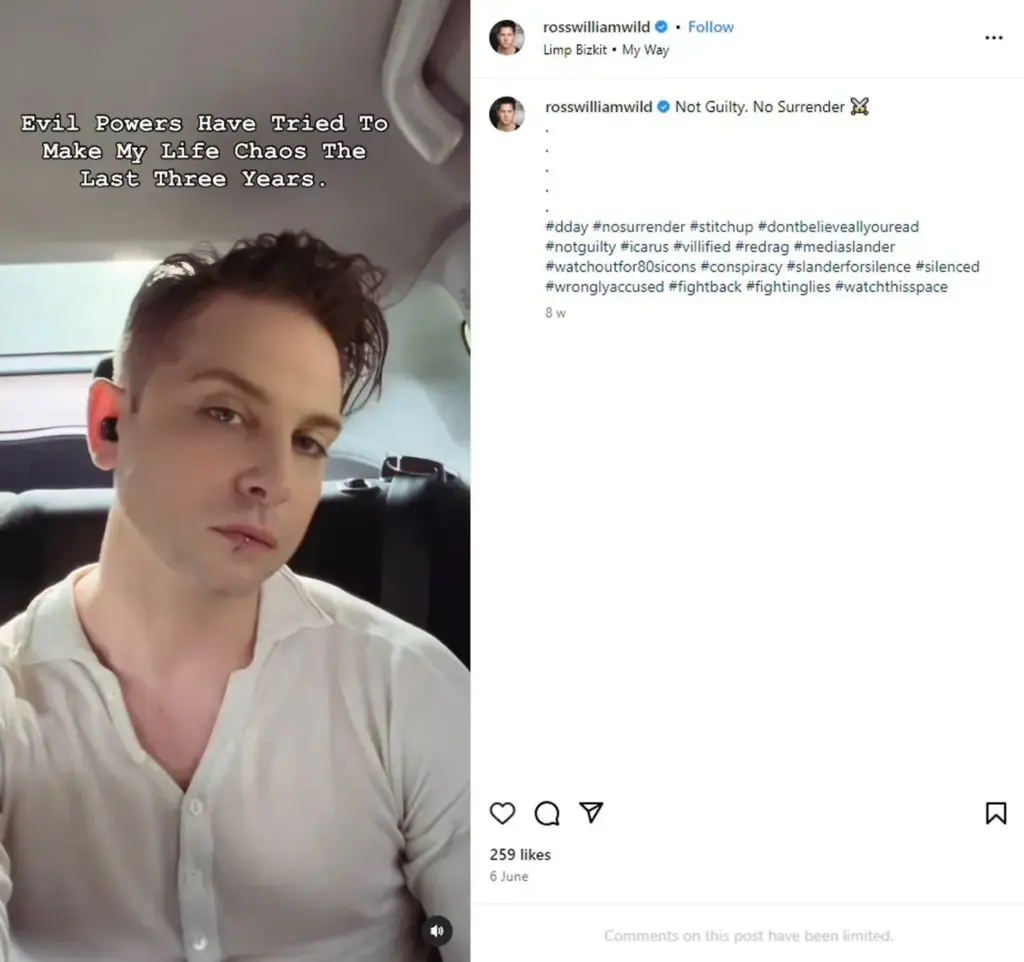
Ross Davidson pleaded not guilty to the rape and sexual assault charges. He claimed that any sexual activity was consensual, despite the jury’s findings that ultimately declared him guilty.
What was revealed about Ross Davidson during the trial?
During the trial, it was revealed that Ross Davidson had met both victims through Tinder and exhibited behaviors indicating a pattern of sexual aggression. Prosecutor Richard Hearnden characterized him as having a ‘dark side’ contrary to his public image as a ‘sex symbol’.
What can we learn from the Ross Davidson case in relation to Tinder abuse?
The Ross Davidson case serves as a critical reminder of the risk of abuse in dating app contexts like Tinder. It underscores the importance of awareness and safety measures when meeting individuals online.
What is the status of Ross Davidson’s sentencing?
As of now, Ross Davidson is scheduled to be sentenced for his convictions related to rape, sexual assault, and voyeurism at a later date. His future legal repercussions remain to be seen.
| Key Point | Details |
|---|---|
| Ross Davidson’s Identity | Former singer of Spandau Ballet, known as Ross Wild. |
| Charges | Found guilty of rape and attempted rape. |
| Not Guilty Pleas | Pleaded not guilty to the charges. |
| Trials and Verdict | Jurors found him guilty after over 11 hours of deliberation. |
| Prosecutor’s Remarks | Described Davidson’s dark side that was unsuspected by the victims. |
| Victims’ Experiences | Both women testified about feeling scared and helpless during the attacks. |
| Voyeurism Charge | Davidson pleaded guilty to voyeurism in 2019 for filming a woman without consent. |
| Future Sentencing | Sentencing scheduled for a later date. |
Summary
Ross Davidson guilty of rape is a significant legal development that highlights the serious consequences of sexual offenses. Once known for his music career with Spandau Ballet, Davidson’s guilty verdict for multiple counts, including rape and voyeurism, serves as a stark reminder of the hidden dark sides of public personas. As the court prepares for his sentencing, the focus remains on the survivors and the important discussions surrounding consent and accountability.