Listen to this article
Romance scams have become an alarming trend in the age of online interactions, leaving countless victims emotionally and financially devastated. A recent case highlights the extent of these deceitful tactics, where a woman was conned out of £80,000 by scammers impersonating Hollywood actor Jason Momoa. Engaging in what she believed to be a romantic relationship, this unfortunate victim was manipulated into making numerous payments, each tied to increasingly elaborate stories and requests. As awareness grows, it is crucial to recognize the signs of online dating scams and learn how to avoid scams that prey on human emotions. Scam alerts are more important than ever to protect potential victims from romance fraud and celebrity impersonation scams that can shatter lives.
In the realm of virtual connections, an unsettling phenomenon has emerged, characterized by manipulative fraudsters exploiting emotional ties for financial gain. These deceptive schemes, often disguised as romantic pursuits, can lead to profound emotional distress and significant monetary loss for unsuspecting individuals. Such cases, akin to the insidious romance frauds reported globally, indicate that even those enmeshed in seemingly genuine online relationships can fall prey to unscrupulous charlatans. When victims engage emotionally, the attackers cunningly capitalize on trust and affection, rendering even the most vigilant individuals vulnerable. Understanding these machinations is pivotal in fostering a safer online dating environment and safeguarding oneself against the lurking dangers of potential scams.
The Rise of Online Dating Scams
Online dating has dramatically transformed the way people connect and form relationships. However, this evolution has also paved the way for a disturbing rise in online dating scams. Victims of these scams often find themselves emotionally and financially devastated, as scammers prey on vulnerable individuals seeking love or companionship. With the advent of technology and social media, scammers have sophisticated methods that make their impersonations appear credible, leading many to fall victim to their machinations.
Scam alerts have become increasingly vital in contemporary discussions about online safety. As dating platforms grow, so do the threats associated with them. Organizations and authorities are working tirelessly to educate people on how to avoid scams that are rife in the online dating world. The stark reality is that many people are unaware of the telltale signs of online dating scams until it’s too late, making awareness and proactive measures crucial for potential victims.
How to Avoid Romance Scams
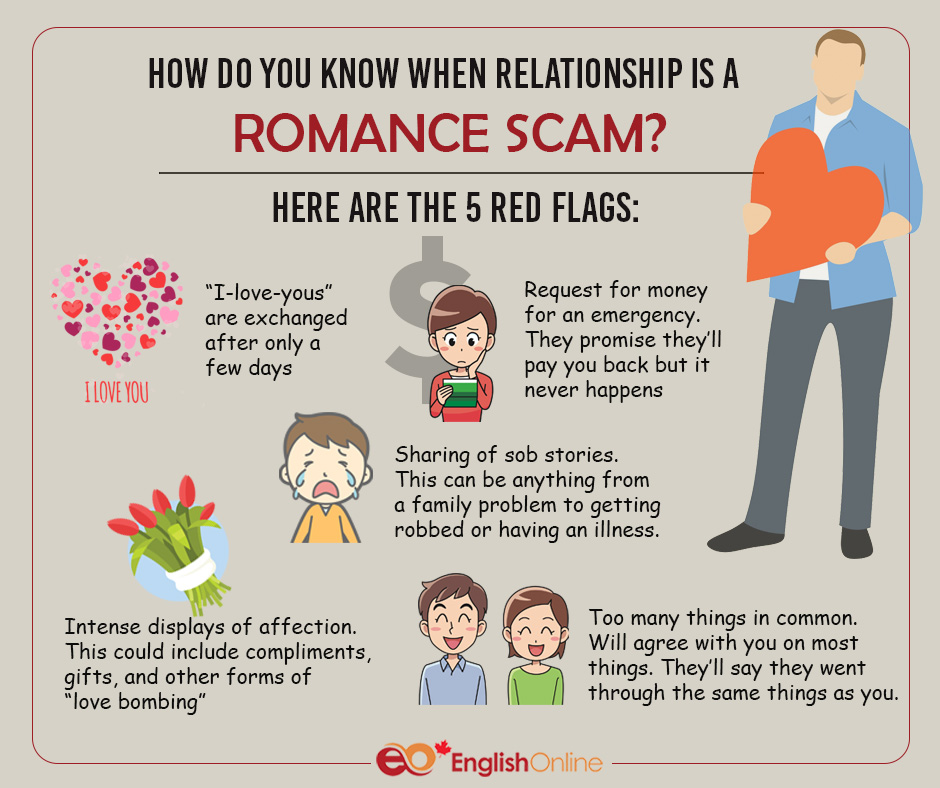
Preventing romance scams begins with awareness and a healthy dose of skepticism. Individuals should maintain a cautious approach when communicating with anyone online, especially if that person claims to be a celebrity or a high-profile individual. Look for signs that the online persona may not be legitimate; these can include requests for money, particularly for emergencies, or the constant need for communication through non-secure channels. By asking questions and verifying information, one can often spot inconsistencies that indicate a scam.
Additionally, it’s advisable to seek guidance from resources that specialize in scam awareness. Platforms like the FTC and consumer advocacy groups offer essential tips on how to navigate online relationships safely. They provide frameworks for recognizing red flags and how to proceed if you suspect you’re dealing with a scammer. Remember, if someone is truly interested in you, they should respect your need for caution and transparency.
Understanding Romance Fraud Dynamics
Romance fraud typically involves a scammer cultivating a relationship with a victim over time, often employing emotional manipulation to gain trust. Scammers may mirror the victim’s feelings, share elaborate stories about their lives, and create a false sense of intimacy. This dynamic can be especially exploitative, as victims often share personal details about their lives, further deepening the emotional bond. The methodical approach scammers adopt significantly contributes to their success in bilking unsuspecting individuals.
As victims become emotionally invested, they may be more inclined to send money, often without realizing the consequences. The stories concocted by romance scammers can be extremely convincing, featuring tales of crises that require immediate financial intervention. This creates urgency, making it more likely for individuals to overlook red flags. Understanding the dynamics of romance fraud can help individuals become more discerning in their online interactions.
Beware of Celebrity Impersonation Scams
Celebrity impersonation scams represent a growing niche within the romance scam industry, where criminals pose as famous individuals to attract unsuspecting victims. By utilizing social media platforms, scammers craft profiles that mimic those of celebrities, complete with convincing backstories. This tactic exploits the admiration and fantasy people typically hold for celebrities, leading victims to believe they are in a genuine relationship with someone famous.
Victims of these scams often report feeling a deep connection and admiration that clouds their judgment. It’s crucial to remain vigilant and question the authenticity of any high-profile individual requesting personal information or money. Understanding that celebrities typically do not engage in personal communications with fans can help individuals protect themselves from falling victim to these emotionally charged scams. Awareness of the tactics used in celebrity impersonation scams can act as a deterrent.
How Scam Alerts Help Victims
Scam alerts are essential resources that can save countless individuals from falling into the traps set by fraudsters. By spreading awareness about ongoing scams, authorities and organizations empower people to take preventative measures. These alerts typically provide detailed information about known scams, highlighting common tactics employed by scammers, thus equipping potential victims with the knowledge required to protect themselves.
Moreover, scam alerts can serve as support systems for those who have already fallen victim. They allow victims to come forward, share their experiences, and connect with others who have undergone similar situations. This sense of community can be therapeutic and encourages individuals to report their experiences, contributing to the larger effort to combat fraud. By keeping the conversation alive around scam prevention, these alerts play a vital role in diminishing the prevalence of these crimes.
Protecting Your Financial Assets From Scams
One of the most crucial aspects of avoiding scams is safeguarding your financial assets. Individuals must be thoroughly informed about the types of payment methods scammers exploit, such as wire transfers and digital wallets. Notably, scams often use payment options like ‘friends and family’ on PayPal to circumvent loss retrieval processes. Understanding these nuances can help individuals avoid handing over their hard-earned money.
It is advisable to adopt a protective stance towards your finances, implementing strict guidelines about money transfers or purchases initiated through online contacts. Before sending any money, take the time to authenticate requests. Consulting with trusted friends or family members can also provide a second perspective that may highlight potential red flags you may have missed in the emotional turmoil.
The Emotional Toll of Romance Scams
The emotional repercussions of romance scams extend far beyond financial loss. Victims often face feelings of shame, betrayal, and isolation, which can take significant time to work through. Many victims report that they felt genuinely connected to the scammer, and the eventual realization that their trust was misplaced can lead to devastating feelings of loss and grief. This emotional toll is a critical aspect that must be addressed in discussions about scam awareness.
Furthermore, the aftermath of falling prey to such scams can lead to long-lasting impacts on one’s ability to trust others in future relationships. Maintaining open communication about such experiences can be vital in breaking the cycle of victimization. Encouraging victims to share their stories can foster a sense of community and resilience, helping to rebuild their confidence in both their judgment and their ability to form genuine connections.
The Importance of Reporting Scams
Reporting scams is a crucial step toward combatting the broader issue of fraud. When victims come forward, they provide valuable information that can help law enforcement and consumer protection agencies track down culprits and dismantle their operations. This collective effort acts as a deterrent to scammers who rely on the anonymity of the internet to carry out their malicious activities.
Additionally, reporting can facilitate recovery avenues for victims and help organizations implement better protection measures, knowing where the gaps are. Having a robust reporting system can also foster increased awareness through case studies and alerts, highlighting the tactics used by scammers. This shared knowledge can empower individuals to be more vigilant and proactive in protecting themselves against future scams.
Final Thoughts on Staying Scam-Free
In a world increasingly reliant on technology for building connections, staying scam-free requires vigilance and awareness. Individuals should always prioritize their safety and approach online interactions with caution, especially when emotions run high. By familiarizing oneself with common scams and instilling healthy skepticism, one can significantly reduce the risk of falling victim to emotional manipulation and financial exploitation.
Ultimately, choosing to engage in online dating or social platforms should come with a promise to remain informed and cautious. Sharing information about scams and supporting one another can create a safer online community, bridging the gap between connectivity and security. It’s essential for everyone to remain alert and informed, constantly questioning suspicious communications to safeguard against the alarming prevalence of online fraud.
Frequently Asked Questions
What are the signs of a romance scam?
Romance scams often involve a scammer creating a fake profile on social media or dating sites, pretending to form a romantic relationship. Signs include requests for money, pressure to keep the relationship secret, and communication that shifts from a public platform to private messaging. If the person claims to be a celebrity or requests money for travel or legal issues, it’s likely a romance scam.
How can I report online dating scams?
If you suspect you are a victim of an online dating scam, report it to the platform where you met the scammer. Additionally, contact local law enforcement and file a report with organizations like the Federal Trade Commission (FTC) or Action Fraud in your country. Reporting romance scams helps authorities combat online fraud and can lead to victim support.
What should I do if I suspect I’m being targeted by a romance scam?
If you think you are being targeted by a romance scam, cease all communication with the scammer immediately. Do not send them any money or personal information. Inform trusted friends or family about the situation and consult local authorities for advice on how to proceed with reporting the scam.
How to avoid romance scams when dating online?
To avoid romance scams on dating sites, always verify the identity of the person you are communicating with. Look for inconsistencies in their stories, be wary of anyone asking for money or personal information, and maintain cautious skepticism about overly romantic and urgent requests. Educating yourself on typical scam patterns can also help you stay safe.
What is a celebrity impersonation scam?
A celebrity impersonation scam occurs when a scammer poses as a famous person—like a Hollywood actor—to gain the trust of the victim, often leading to the scammer requesting money under false pretenses. These scams typically exploit fans’ emotional attachment to celebrities, making individuals vulnerable to romance fraud.
What resources are available for victims of romance fraud?
Victims of romance fraud can access various resources, such as local law enforcement, consumer protection agencies, and online platforms that specialize in fraud prevention. Support groups and helplines can also provide emotional assistance to those affected by these scams. Organizations like the Internet Crime Complaint Center (IC3) can take your report and share it with the appropriate authorities.
Are payments to scammers recoverable after a romance scam?
Recovering payments made to scammers is often challenging, particularly if they were sent using platforms like PayPal under the ‘friends and family’ option, which typically isn’t protected against fraud. It’s crucial to report the scam as soon as possible and consult with authorities about potential recovery options, although success rates are generally low.
| Key Points |
|---|
| A woman was conned out of £80,000 by scammers posing as Jason Momoa and his associates. |
| Scammers communicated through social media, leading to a false romantic relationship. |
| Requests for money included fake flight purchases and gifts for a fictive daughter. |
| Jane’s payments were made via PayPal, using the ‘friends and family’ option. |
| After extensive manipulation, Jane reported the scam to the police. |
| The police confirmed the communications were fake; the chances of recovering money are slim. |
| Economic crime officials stress the importance of reporting scams to help victims. |
| Jane urges others not to send money to unknown individuals online. |
Summary
Romance scams are a serious issue, as evidenced by Jane’s harrowing experience of being conned out of £80,000 by scammers impersonating Hollywood star Jason Momoa. Her story highlights the emotional and financial devastation such scams can cause, urging others to be vigilant and avoid similar pitfalls. Jane emphasizes the importance of not sending money to individuals you do not know and encourages anyone who finds themselves in a similar situation to report it to the authorities.