
Listen to this article
The recent sentencing of Roger Lumbala marks a watershed moment in the quest for justice for war crimes committed during the Second Congo War. A French court handed down a 30-year prison sentence to the former rebel leader for his role in serious crimes against humanity, highlighting the importance of accountability for human rights violations in the Democratic Republic of Congo. Lumbala’s conviction is a significant development, as it underscores the need for justice relating to the atrocities that claimed millions of lives in the conflict that ravaged the region. His case stands as a testament to the international legal principle that allows jurisdiction over horrific offenses committed abroad. This historic ruling not only seeks to right the wrongs of the past but also bolsters hope for victims still fighting for recognition and reparations today.
In a groundbreaking ruling, French authorities have delivered a significant sentence to Roger Lumbala, a former combatant and politician implicated in heinous acts during a dark chapter of Congolese history. This verdict sheds light on the struggle for justice surrounding egregious human rights violations which transpired during the protracted violence known as the Second Congo War. Lumbala’s prosecution reflects a broader commitment to addressing historical crimes, embracing the principle of universal jurisdiction to hold offenders accountable regardless of where their actions transpired. The implications of this case resonate deeply within the framework of international human rights law as it emphasizes the ongoing fight against impunity in conflict zones. As the world watches, the pursuit of justice for past injustices fuels the hopes of survivors yearning for recognition and redress.
Roger Lumbala Sentencing: A Landmark Case in the Fight Against Impunity
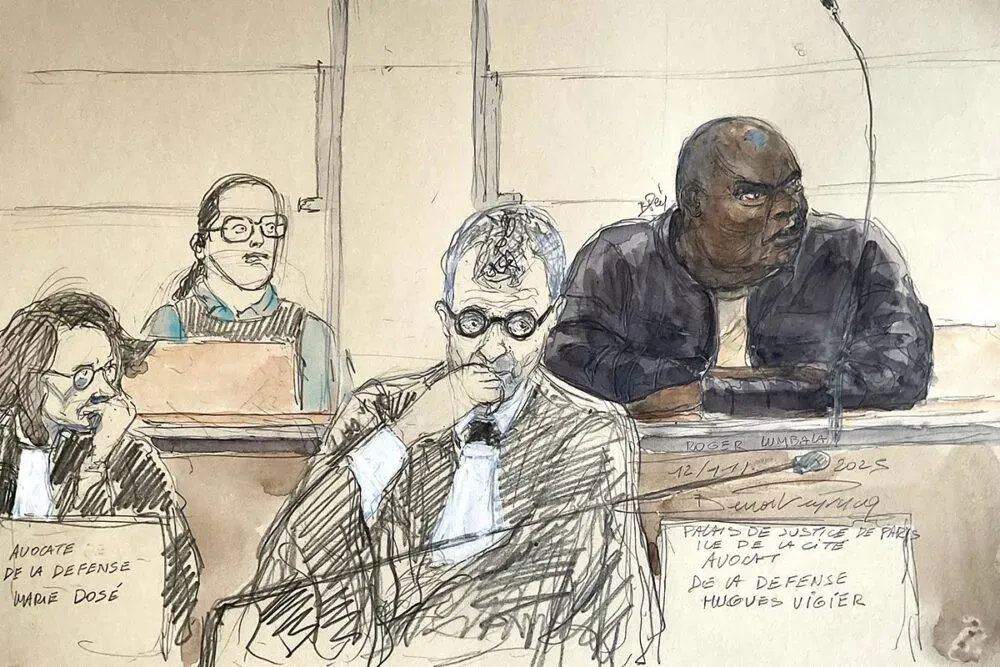
The recent sentencing of Roger Lumbala by a French court marks a pivotal moment in the ongoing quest for justice concerning the atrocities committed during the Second Congo War. This landmark decision not only addresses Lumbala’s involvement in crimes against humanity, but it also reinforces the principle of universal jurisdiction, allowing nations to prosecute individuals for severe human rights violations, no matter where they were committed. The court’s ruling of 30 years in prison reflects the severity of the actions taken under Lumbala’s orders and serves as a warning to other perpetrators of war crimes that they too may face justice, regardless of their current location.
As international attention turns to the Democratic Republic of Congo, this case highlights the struggles faced by survivors seeking recognition and accountability for the brutalities they endured. By prosecuting figures like Lumbala, who was once a powerful political leader within the country, the judiciary sends a strong message about the importance of confronting past human rights violations. This verdict may also encourage further investigations into the activities of various rebel factions during the Second Congo War, opening doors to justice for countless victims who have long awaited acknowledgment of their suffering.
Understanding the Second Congo War and Its Atrocities
The Second Congo War, which lasted from 1998 until 2003, involved numerous countries and led to one of the deadliest conflicts since World War II. Estimates suggest that the war left between two and five million people dead, primarily due to disease and malnutrition, exacerbated by the violent confrontations between various armed groups and national forces. The complexity of the conflict was marked by shifting alliances, with various militia groups committing heinous acts, including genocides and systematic sexual violence. Lumbala’s rebel group, the Rally of Congolese Democrats and Nationalists, was implicated in many of these crimes, particularly during their infamous operation known as “Erase the Slate,” which targeted specific ethnic groups.
Not only did the Second Congo War have devastating immediate impacts, but it also triggered long-lasting repercussions for the Democratic Republic of Congo. The social and economic fabric of the nation has been severely impacted, contributing to a legacy of violence and instability that continues to affect millions of Congolese lives. The ongoing conflicts are fueled not only by political grievances but also by the presence of rich natural resources that have attracted both national and international interests. Understanding the historical context of these events is crucial in addressing contemporary human rights issues and ensuring that justice prevails for those subjected to crimes against humanity.
The Role of Human Rights Organizations in Lumbala’s Trial
Human rights organizations played a vital role in ensuring that Roger Lumbala was held accountable for his crimes. Groups such as Trial International and the Clooney Foundation for Justice provided necessary support to survivors and witnesses, assisting them in navigating the complexities of the legal process. Their involvement not only amplified the voices of the victims but also helped gather crucial evidence that demonstrated the extent of atrocities committed during the Second Congo War. This collaboration exemplifies the importance of civil society in the fight against impunity, reinforcing that justice cannot be achieved solely through governmental efforts.
As the trial unfolded, the testimonies of survivors prompted a broader discussion about the urgent need for justice in the Democratic Republic of Congo. Human rights organizations emphasized that this case should inspire further investigations into other perpetrators of human rights violations, ensuring that the legacy of the Second Congo War is not forgotten. Their advocacy works as a beacon of hope for those who have suffered, serving to remind us all that recognition and justice are essential for reconciliation and healing in societies torn apart by conflict.
Implications of Lumbala’s Case for the Democratic Republic of Congo
The conviction of Roger Lumbala carries significant implications for the Democratic Republic of Congo as it strives to recover from a tumultuous past riddled with violence and impunity. By prosecuting Lumbala, the French courts have not only brought a measure of justice to the survivors of his regime but have also highlighted the need for the Congolese government to pursue similar actions against local figures implicated in human rights abuses. As the international community closely observes this case, there is growing pressure for the DRC to strengthen its judicial mechanisms to address grave human rights violations perpetrated during both the Second Congo War and subsequent conflicts.
Additionally, this verdict may serve to embolden other survivors of violence to come forward, knowing that their voices can be heard and that their stories carry the weight of truth in a court of law. The acknowledgment of such atrocities is crucial in facilitating a comprehensive understanding of the DRC’s unresolved issues, promoting a dialogue about peace and justice within the country. The assertion of accountability against war crimes will ultimately impact the future of human rights in the region, potentially leading to lasting changes in how violence and its consequences are addressed.
Survivor Testimonies Highlighting the Reality of War Crimes
Survivor narratives are central to understanding the full scope of the atrocities committed during the Second Congo War, as illustrated in the trial of Roger Lumbala. Testimonies from individuals like David Karamay Kasereka and Pisco Sirikivuya Paluku revealed the personal and communal tragedies inflicted upon countless lives by Lumbala’s men. These accounts not only shed light on the horrors experienced during the ‘Erase the Slate’ operations but also stress the long-lasting effects of such violence. The courage exhibited by these survivors, who traveled for justice, transforms their experiences into powerful testimonies that contribute significantly to the case.
The emotional and psychological toll on survivors cannot be understated. Their testimonies reflect a deep desire for acknowledgment and justice—a sentiment echoed by many who have faced similar fates. It is essential that their experiences are not relegated to the background of political discourse but instead continuously brought to light. Their stories humanize the statistics, reminding both the national and international community that behind the numbers are real lives forever altered by the ravages of war. The legacy of their courage serves as a call to action for further accountability, promoting a future where human rights are respected and safeguarded.
International Criminal Law and Universal Jurisdiction Explained
The principle of universal jurisdiction, under which Roger Lumbala was prosecuted, allows states to claim criminal jurisdiction over serious crimes such as genocide, war crimes, and crimes against humanity, regardless of where the crimes were committed. This legal framework is crucial in fostering a global response to impunity, enabling nations to act against individuals who perpetrate grave violations of human rights. The pursuit of such accountability is imperative not only for justice but also for the deterrence of future atrocities, marking a commitment to uphold international law and protect human rights worldwide.
In cases like Lumbala’s, universal jurisdiction signifies a vital step toward ensuring that victims have access to justice, even when local judicial systems may be unable or unwilling to prosecute perpetrators. This approach reinforces the international community’s role as a custodian of human rights, fostering collaboration across borders to combat the injustices that so many have faced. By adhering to these standards, countries not only seek justice for past actions but ultimately contribute to a broader understanding that the rule of law must prevail, promoting a culture where human rights violations will no longer be tolerated.
The Path Forward for the Democratic Republic of Congo
The path forward for the Democratic Republic of Congo is fraught with challenges, yet Lumbala’s sentencing presents a unique opportunity for the country to begin addressing its history of violence and impunity. As the nation reflects on the atrocities of the Second Congo War, there is a critical need for comprehensive reforms within the judicial system to effectively prosecute war crimes and uphold human rights for all citizens. This involves not only holding perpetrators accountable, but also implementing mechanisms to support survivors and restore their dignity.
Moreover, fostering reconciliation between communities affected by these historical injustices is essential for achieving lasting peace. Educational initiatives aimed at dismantling ethnic divisions and promoting social cohesion can help repair the bonds that have frayed as a result of decades of conflict. As the Democratic Republic of Congo seeks to forge a new era of justice and accountability, the lessons learned from cases like Roger Lumbala’s will undoubtedly shape its future in addressing the scars of its past.
The Role of the International Community in Promoting Justice
The role of the international community is crucial in promoting justice and accountability for human rights violations in conflict regions like the Democratic Republic of Congo. The support from foreign governments, legal experts, and non-governmental organizations during Roger Lumbala’s trial is a testament to the global commitment to addressing impunity for war crimes. By providing resources, expertise, and advocacy, the international community can help bolster local judicial efforts and ensure that survivors have a voice in the quest for justice.
Furthermore, sustained international attention can serve as a deterrent for future violations, encouraging national governments to take responsibility for their actions and uphold human rights laws. The collaboration among various global actors can amplify the call for reform and the establishment of frameworks to protect human rights in regions affected by conflict. By standing in solidarity with victims and survivors, the international community plays a vital role in shaping a world where justice is not just an ideal but a reality for those who have suffered from the impacts of war.
Frequently Asked Questions
What was the outcome of Roger Lumbala’s sentencing related to crimes against humanity?
Roger Lumbala, a former rebel leader from the Democratic Republic of Congo, was sentenced to 30 years in prison for his involvement in crimes against humanity during the Second Congo War. The French court found him guilty of overseeing torture, sexual slavery, and summary executions.
How did Roger Lumbala’s actions contribute to the human rights violations during the Second Congo War?
As the leader of the Rally of Congolese Democrats and Nationalists (RCD-N), Roger Lumbala was implicated in the ‘Erase the Slate’ campaign, which perpetrated severe human rights violations including torture and rape against ethnic groups in northeastern DR Congo.
What is the significance of Roger Lumbala’s sentencing for justice for war crimes in the Democratic Republic of Congo?
Roger Lumbala’s sentencing serves as a landmark case for justice for war crimes in the DR Congo, demonstrating that legal accountability can be pursued for historical crimes against humanity, setting a precedent for future cases.
How does the French court’s jurisdiction in Roger Lumbala’s case relate to universal jurisdiction principles?
The prosecution of Roger Lumbala under French law was made possible due to the principle of universal jurisdiction, which allows states to prosecute individuals for serious crimes like crimes against humanity regardless of where they were committed.
What led to Roger Lumbala’s arrest and subsequent trial in France?
Roger Lumbala was arrested in France after the Congolese government issued an arrest warrant concerning his alleged involvement with the M23 rebel group, which has been active in eastern DR Congo, following years of evading justice for his actions during the Second Congo War.
What role did international organizations play in the prosecution of Roger Lumbala for his crimes?
Five NGOs, including Trial International and the Clooney Foundation for Justice, supported the prosecution by assisting survivors in testifying and collecting expert analyses, which were critical in the case against Roger Lumbala during his trial.
What impact does Roger Lumbala’s case potentially have on future human rights cases in the Democratic Republic of Congo?
The successful conviction of Roger Lumbala paves the way for future human rights cases in the Democratic Republic of Congo, illustrating that justice can be sought for past atrocities and may encourage more survivors to seek accountability.
What prompted the French court to take action against Roger Lumbala for his crimes during the Second Congo War?
The French court took action against Roger Lumbala to address the longstanding issue of impunity for crimes against humanity committed during the Second Congo War, which resulted in millions of deaths and widespread atrocities.
| Key Details | Description |
|---|---|
| Sentence | 30 years in prison for Roger Lumbala. |
| Charges | Guilty of complicity in crimes against humanity, including torture, sexual slavery, and summary executions. |
| Background | Lumbala led the RCD-N during the Second Congo War and was accused of perpetrating atrocities in eastern DR Congo. |
| Court Jurisdiction | Prosecuted under universal jurisdiction by a French court. |
| Witnesses | 65 survivors and experts testified regarding the brutal operations led by Lumbala. |
| Verdict Impact | Marked a significant step toward accountability for the atrocities of the Second Congo War. |
Summary
Roger Lumbala’s sentencing serves as a notable milestone in the pursuit of justice for crimes against humanity committed during the Second Congo War. After more than two decades, a French court has held this former rebel leader accountable, recognizing the profound pain and suffering inflicted on countless victims. This decision not only highlights the enduring impact of the conflict but also reinforces the importance of universal jurisdiction in addressing grave human rights violations. With calls for accountability echoing louder, Lumbala’s case reflects a hopeful path towards justice for survivors and a lesson to future perpetrators of violence and oppression.

