Listen to this article
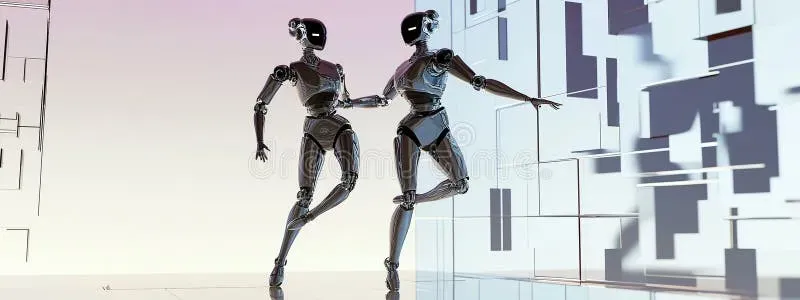
Robots gracefulness is an emerging field in advanced robotics that captivates the imagination of engineers and enthusiasts alike. As we venture deeper into robot technology, the quest for developing robots that move seamlessly and fluidly like humans becomes increasingly prominent. Humanoid robots, powered by innovative actuators, are being designed to mimic elegant human movements, which can enhance their functionality in various applications. Achieving this level of grace requires not only sophisticated motion control but also a deep understanding of biomechanics to replicate the smoothness of natural motion. As research continues to evolve, the potential for creating graceful robots opens up new possibilities in entertainment, healthcare, and daily living.
The pursuit of elegance in robotic design often leads to discussions about the fluidity and coordination of robotic movements. This gracefulness, often contrasted with traditional mechanical clunkiness, reflects a desire to push the boundaries of robotics and create machines that can interact seamlessly within human environments. By focusing on the intricate mechanics of actuators and other smart components, engineers aspire to produce robots that can perform with the agility and poise we associate with living organisms. In this landscape, the interplay of creativity and technology drives the development of sophisticated robotic systems, paving the way for machines that not only function effectively but also exude a certain charm in their movements.
The Evolution of Robot Technology
Robot technology has advanced significantly over the past few decades, evolving from simple mechanical devices to sophisticated machines capable of complex tasks. This transformation is largely due to advancements in robotics, including improvements in materials, computing power, and artificial intelligence. Today’s robots are designed with a focus on versatility and functionality, enabling them to perform tasks ranging from manufacturing to surgery with remarkable precision.
One of the key drivers behind the evolution of robot technology is the ongoing research into actuators and their integration into robotic systems. Actuators serve as the muscles of robots, facilitating movement and enabling them to interact more effectively with their environments. As we develop advanced robotics, the need for efficient and intelligent actuators becomes paramount, as these components dictate a robot’s capability and performance.
Robots and Gracefulness: A New Challenge
Gracefulness in robotics is an emerging concept that challenges engineers and designers. Traditionally, robots have been viewed as clunky and inefficient, struggling to replicate the fluid movements of living beings. The development of humanoid robots has sparked a new hope for achieving gracefulness in movement, as these robots mimic human-like motions. Achieving such designs requires a deeper understanding of biomechanics, as well as innovations in actuator technology.
Addressing the challenge of gracefulness involves creating more sophisticated actuators that can provide smoother and more controlled movements. Researchers are investigating soft actuators made from materials that mimic biological muscles, allowing robots to adjust their movements dynamically. This research is pivotal in transitioning from the stereotypical ‘stumble-bots’ to robots capable of graceful and fluid motion.
The Role of Actuators in Humanoid Robots
Actuators play a crucial role in defining the capabilities of humanoid robots, acting as the driving force behind their movements. Traditional motors have limitations in replicating human-like dexterity; therefore, the focus is increasingly on developing innovative actuator designs. For example, advancements in actuators that incorporate back-driveability will allow robots to respond more safely and effectively to external forces.
Moreover, emerging technologies in actuator design, such as those being developed by Germany’s Schaeffler in collaboration with Humanoid, are designed to enhance energy efficiency and balance. These innovations not only contribute to the operational effectiveness of humanoid robots but also aim to enable more graceful movements, thus making them safer and more reliable companions in human environments.
Advanced Robotics and Their Future
Advanced robotics is at the forefront of technological innovation, pushing the boundaries of what robots can achieve. As industries increasingly adopt robotic solutions, the development of advanced actuators becomes vital in ensuring that robots can perform tasks with the agility and precision required in dynamic environments. This trend is exemplified by Boston Dynamics’ partnership with Hyundai Mobis, geared toward the development of new actuators specifically for humanoid robots.
The future of advanced robotics will depend heavily on the integration of advanced actuator technologies that enhance performance and adaptability. As these technologies mature, we may see a rise in robots capable of graceful movement, opening up new applications across various sectors, from healthcare to disaster response, where finesse and agility are critical.
Combining AI and Robotics for Graceful Movements
The intersection of artificial intelligence (AI) and robotics is revolutionizing the way we design and control robotic systems. By integrating AI algorithms with advanced robotics, we can enhance the decision-making abilities of robots, allowing for more fluid and natural movements. AI-powered robots can learn from their environment and adjust their actions dynamically, leading to a more graceful execution of tasks.
This synergy between AI and robotics not only enhances the performance of actuators but also paves the way for the development of robots that can interact with humans safely and intuitively. For example, skilled humanoid robots equipped with AI can learn to navigate complex environments while demonstrating gracefulness, much like a human would. As this technology progresses, the potential for robotics in everyday applications becomes increasingly viable.
Environmental Factors Influencing Robot Mobility
Environmental conditions have a significant impact on robot mobility and overall performance. Factors such as terrain, weather, and obstacles can pose challenges for robotic systems, particularly those designed for bipedal movement. Research is focused on developing actuators and control systems that can adapt to varying conditions, ensuring that robots maintain balance and gracefulness in diverse environments.
For instance, soft robotics, powered by innovative actuators, can better accommodate uneven terrain and unexpected obstacles. By allowing robots to adjust their movements and posture in real-time, we can achieve a level of gracefulness that was once thought impossible for machines. Such advancements are crucial for applications in fields like search and rescue, where robots must navigate complex and unpredictable environments.
Humanoid Robots: Bridging the Gap with Nature
Humanoid robots are engineered to mimic human anatomy and movements, and as such, they serve as a bridge connecting robotics to biological systems. The design of these robots requires a comprehensive understanding of human biomechanics, along with corresponding actuator technologies that facilitate graceful movement. By studying how humans move, roboticists can develop systems that replicate this grace in a controlled and efficient manner.
The pursuit of creating humanoid robots that can move gracefully involves an interdisciplinary approach, integrating insights from robotics, biomechanics, and material science. Innovations like high-performance actuators that can adapt their behavior mimic the subtleties of human movement, making humanoid robots more natural in their interaction with humans and their surroundings.
Challenges in Robot Dexterity and Balance
Despite the advancements in robotics, achieving true dexterity and balance in robots remains a significant challenge. Traditional actuator designs often leave robots with limited responsiveness and a tendency for clumsiness, which impedes their ability to perform tasks that require fine motor skills or rapid adjustments. To enhance robot dexterity, researchers are investigating novel actuator designs that provide better feedback and control.
Moreover, the integration of machine learning into robotic systems can help improve balance and coordination. By enabling robots to learn from their interactions with the environment, we can enhance their dexterity and reduce the clumsiness associated with typical robotic movements. This approach not only leads to more graceful performance but also enables robots to operate more effectively in real-world scenarios.
Future Implications of Robotic Gracefulness
The implications of achieving gracefulness in robotic systems extend beyond aesthetics; they significantly impact usability and acceptance of robots in society. As robots become more adept at graceful movements, their integration into everyday life will likely increase, reducing the stigma associated with robotic assistance. This shift could pave the way for broader applications of robotics in personal care, therapy, and customer service.
Furthermore, as researchers continue to explore improvements in actuator technologies, the potential for creating robots that not only perform tasks efficiently but do so with elegance will likely shape the future of robotics. This vision of graceful robots has the potential to transform industries, enhance human-robot collaboration, and lead to innovative solutions to challenges faced in various sectors.
Frequently Asked Questions
How can robot technology improve robots’ gracefulness?
Robot technology is essential in enhancing robots’ gracefulness by developing advanced actuators that can mimic the fluid and dynamic movements of humans. With sophisticated control systems and precision motors, robots can achieve smoother and more balanced movements, allowing them to perform tasks with elegance.
What role do actuators play in the gracefulness of humanoid robots?
Actuators are crucial for the gracefulness of humanoid robots as they facilitate diverse and precise movements. By integrating advanced actuators that can provide fine control over motion, humanoid robots can mimic human-like agility and fluidity, reducing the clunky movements often associated with traditional robotics.
Are there advancements in robotics that make robots more graceful?
Yes, advancements in robotics, particularly in actuator design and artificial intelligence, contribute to making robots more graceful. New soft actuators that can adapt to different conditions and materials that better mimic biological muscles are being researched, allowing robots to move with greater finesse and stability.
What challenges do robotics face in achieving graceful movements?
Achieving graceful movements in robotics faces several challenges, such as the limitations of current actuator technology, the need for higher torque and precise control, and the quick depletion of battery power. These obstacles must be addressed to develop robots that can move as gracefully as humans.
Can advanced robotics lead to more graceful robots?
Advanced robotics is paving the way for the development of more graceful robots. By leveraging innovative materials and control systems in actuator technology, roboticists are working to create machines that blend agility and gracefulness, overcoming the heavy and clunky perception of traditional robots.
What is the importance of soft actuators in enhancing robots’ gracefulness?
Soft actuators are significant in enhancing robots’ gracefulness as they allow for flexibility in movement, akin to biological muscles. This adaptability leads to smoother interactions with the environment and enables robots to absorb impacts, which contributes to a more graceful and human-like locomotion.
| Key Points | Details |
|---|---|
| Introduction to Robot Gracefulness | Discussion on the quest for robots to move gracefully like animals. |
| James Bruton’s Project | Creating a giant walking robot with precise controls to avoid wobbliness. |
| Actuators and Motion | Actuators are essential for robot movements, with many designs offering varying degrees of control and efficiency. |
| Challenges in Current Technology | Current actuators are not efficient for robots to mimic graceful movements, lacking precision and flexibility. |
| Advancements in Actuator Technology | Innovations in soft robotics and elastomers are being explored to create more graceful movement. |
| Conclusion | Significant advancements are needed to overcome these challenges and achieve robot gracefulness as seen in nature. |
Summary
Robots gracefulness is a crucial aspect in the development of robotic technology, as researchers and engineers strive to create machines that can move fluidly and effortlessly like living beings. The article highlights the challenges faced in achieving this gracefulness, including the limitations of current actuator technology and the need for advancements in materials and design. By focusing on soft robotics and more effective actuators, the goal is to produce robots that can navigate their environments with the same elegance as their biological counterparts.