
Listen to this article
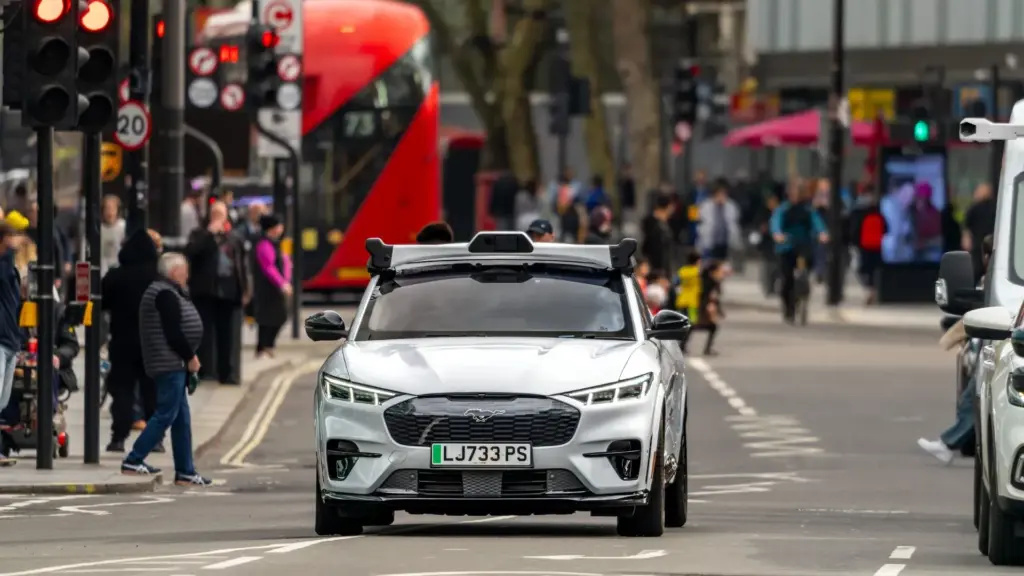
Robotaxis in London are poised to revolutionize the transportation landscape, with American self-driving cars expected to hit the streets by the end of the year. These automated vehicles, spearheaded by Waymo, have been meticulously trained to navigate the unique challenges that London presents, particularly the intricacies of zebra crossings. Equipped with advanced driverless technology, these AI taxis promise an innovative ride-hailing experience that could reshape urban mobility in the UK. With a fleet currently operating under the watchful eye of regulators, the introduction of these self-driving cars marks a significant milestone, making London the first city outside the US to embrace this cutting-edge technology. As the countdown to their launch begins, the anticipation and debate surrounding self-driving technology in London intensify, fueling discussions about the future of urban transport.
The upcoming launch of self-driving taxis in the heart of London signifies a bold leap into the future of mobility. Known for their focus on driverless technology, companies like Waymo are setting the stage for automated vehicles to become an integral part of the UK’s transport system. With the streets of London known for their distinct zebra crossings and complex traffic scenarios, these AI-powered taxis are undergoing rigorous training to ensure seamless integration into the bustling environment. As these cutting-edge vehicles prepare to take passengers, the dialogue surrounding their safety and adaptability highlights the unique characteristics of navigating British roads. This transformation in urban transport not only offers conveniences but also poses essential questions about the role of human drivers in the era of automated systems.
The Debut of Robotaxis in London
The long-anticipated debut of American robotaxis has reached London, promising a transformative shift in urban transportation. By the end of this year, these self-driving cars, primarily from Waymo, are gearing up to navigate one of the world’s most iconic cities. Tailored to adapt to local conditions, the robotaxis will learn to handle unique features like zebra crossings, which require a level of interaction between drivers and pedestrians uncommon in the US. This unique adaptation demonstrates the vehicles’ need to understand contextual cues on the road—a crucial element for their successful operation in the diverse London landscape.
Waymo has been diligently training its fleet of approximately 24 vehicles in London, with specialized attention given to the city’s intricate layout and traffic dynamics. Equipped with cutting-edge sensors that include lasers and cameras, these automated vehicles aim to deliver a seamless riding experience for passengers. As the launch date approaches, the anticipation builds around how effectively these robotaxis can manage the challenges posed by London’s heavy pedestrian traffic and the specific behaviors of its road users.
Challenges of Driverless Technology in London
While the excitement surrounding the arrival of Waymo’s robotaxis in London is palpable, significant challenges remain. This bustling city presents a distinctive environment for driverless technology, as each street holds its intricacies that automated vehicles must navigate. London’s zebra crossings introduce a layer of complexity, requiring the vehicles to interpret non-verbal cues, such as eye contact between pedestrians and drivers, to determine the right of way. This differs markedly from the more straightforward traffic signals typically utilized in the US, reflecting the need for sophisticated algorithms that can accurately interpret such interactions.
Experts express concern that the dense, medieval roadways of London could pose formidable challenges for self-driving car technology. The Automated Vehicles Act, yet to be fully implemented, represents a critical step toward establishing a legal framework for these vehicles. However, the path to widespread acceptance and operation in London requires rigorous assessments and it remains to be seen how regulatory bodies will adapt current legislation to accommodate these futuristic taxis.
Competition in the UK driverless market is also heating up, with other players like Wayve and Uber seeking to carve out space in this nascent sector. As they innovate and refine their technologies, the focus will not only be on the operational efficacy of the robotaxis but also on regulatory compliance and public perception.
The Role of Zebra Crossings in Autonomous Driving
Zebra crossings play a pivotal role in London’s transportation ecosystem, significantly influencing how self-driving cars will operate in the city. Unlike traditional US crosswalks, London’s zebra crossings feature unique elements such as Belisha beacons, which flash yellow lights to alert drivers of pedestrians. This critical aspect of pedestrian safety necessitates that autonomous vehicles, such as those being developed by Waymo, accurately recognize and respond to these signals to prevent accidents and ensure safe passage for pedestrians.
The need for self-driving cars to interact appropriately at zebra crossings underscores the importance of advanced AI programming. By interpreting pedestrian movements and intentions, these automated vehicles can enhance overall road safety, potentially reducing the number of accidents associated with human error. As Waymo refines its technology, the development of algorithms that can simulate human judgment in these scenarios will be vital in gaining public confidence in driverless technology.
Government Support for Autonomous Vehicles
The UK government’s push toward embracing automated vehicles is exemplified by their supportive stance on initiatives like Waymo’s project. By initiating passenger pilot schemes, the government aims to foster an environment conducive to the adoption of self-driving technology. This gesture not only reflects a commitment to innovation but also seeks to address safety concerns, ensuring that these vehicles maintain high standards of security and integrity, particularly against hacking and cyber risks.
Moreover, the government recognizes the potential benefits of AI taxis, especially in terms of reducing road congestion and enhancing mobility for those unable to drive. Lillian Greenwood, minister for local transport, has outlined the persuasive case for these automated systems, highlighting their lack of fatigue, distraction, and impaired judgment. As discussions continue with transport authorities, the government’s proactive approach could set a precedent for the future of transportation across the UK and inspire further advancements in self-driving technology.
The Technology Behind Waymo’s Robotaxis
Central to the successful deployment of Waymo’s robotaxis in London is the cutting-edge technology embedded within each vehicle. These autonomous taxis are outfitted with various sensors, including lidar, radar, and cameras, working together to create a comprehensive understanding of the environment. This technological prowess allows the vehicles to perceive their surroundings with an accuracy that surpasses that of human drivers. The seamless integration of this technology is crucial in adapting to the challenges posed by London’s road conditions and traffic patterns.
Furthermore, the process of converting standard vehicles into self-driving cars involves meticulous calibration and testing. The Jaguars used in Waymo’s fleet are manufactured in Europe before being fitted with autonomous driving systems in the US. By continuously collecting and analyzing data during their journeys, these robotaxis are not only learning but adapting in real time to ensure a higher level of safety and operational efficiency once they hit London’s streets.
Public Perception of Driverless Taxis
As the launch of robotaxis approaches, public perception will play a pivotal role in their integration into the transport landscape of London. Many residents have expressed curiosity mixed with skepticism regarding the safety and reliability of self-driving technology. It’s essential for companies like Waymo to engage with the community, providing information and reassurance about the stringent safety measures being implemented, as well as the rigorous testing undergone by these vehicles before they accept passengers.
The company acknowledges the innovative nature of robotaxis, and as such, they plan to implement educational campaigns to familiarize the public with their operations. By increasing awareness about how these self-driving cars function—especially in complex environments like zebra crossings—Waymo aims to foster a sense of trust and acceptance among users. Ultimately, the success of this venture hinges not only on technological advancement but also on how well the community adapts to the change.
Safety Measures for Autonomous Vehicles
Safety is paramount for driverless vehicles, particularly as they prepare to enter the bustling streets of London. Waymo’s robotaxis are designed with numerous fail-safes and protocols to ensure their safe operation around pedestrians, cyclists, and other vehicles. Rigorous testing in varied environments serves to refine their algorithms and enhance safety features, minimizing the risks associated with autonomous driving. The company’s commitment to strict adherence to safety standards is crucial in allaying public fears about the potential dangers posed by robotic technology on the roads.
Moreover, automated vehicles will be equipped with cutting-edge cybersecurity measures, protecting them from potential hacking or vulnerabilities. With the transport industry increasingly shifting towards autonomous technologies, maintaining consumer confidence in the safety and security of these vehicles is essential. Public safety campaigns will also play a vital role, informing and educating the public about how these highly advanced systems work to prevent accidents, especially in complex areas like pedestrian crossings.
The Competitive Landscape for Automated Taxis
As Waymo gears up for its entry into the London market, it faces competition from various local and global players eager to stake their claims in the automated taxi space. Companies like Wayve and Uber are actively developing their autonomous offerings, fostering innovation and improvements in driverless technology. The competitive landscape not only pushes for better technology but also accelerates the rate at which these services can be rolled out to the public. Each company is keen to capture a share of an emerging market, investing heavily in research and development to enhance their technologies and services.
This competition also holds significant implications for regulations and public acceptance of driverless vehicles. With multiple firms vying to lead the charge, regulatory bodies in the UK will need to evaluate the safety and efficiency of each system carefully. Ensuring that the operational standards remain consistent across different companies will be crucial to facilitate a smooth transition into a market populated by autonomous taxis, addressing any concerns that may arise as these vehicles interact with traditional modes of transport.
The Future of Self-Driving Cars in the UK
The introduction of robotaxis in London heralds a new era for self-driving cars in the UK. As the government and private firms collaborate on legislative frameworks and technological advancements, there’s a sense of optimism about the future of transport. Enhanced mobility solutions could dramatically change the way residents and tourists navigate London, making commuting more efficient and reducing the strain on existing public transport systems.
Nonetheless, the path ahead is fraught with challenges, including public acceptance, safety standards, and urban infrastructure adaptations to accommodate these vehicles. The UK’s pursuit of self-driving cars reflects a broader global trend toward automation in transportation, and as pilot programs unfold, the eyes of the world will be on London to see if this ambitious vision can become a reality.
Frequently Asked Questions
What are robotaxis and how do they operate in London?
Robotaxis, such as those being tested by Waymo in London, are self-driving cars equipped with advanced technology like cameras, radar, and lidar. These automated vehicles are designed to navigate city streets, including complex features like zebra crossings, to provide safe and efficient rides without a human driver.
How is Waymo adapting its robotaxis for London’s unique driving environment?
Waymo’s robotaxis are undergoing extensive training to adapt to London’s specific traffic conditions, which include unique zebra crossings that differ from typical US crosswalks. The vehicles have been manually driving around the city to learn these nuances and improve their ability to interact with pedestrians and other road users.
When will Waymo’s driverless technology be available to the public in London?
Waymo expects to launch its robotaxis for public use in London by the end of 2024, pending government legislation and safety approvals. The goal is to start accepting paying passengers during the last quarter of the year.
What challenges do automated vehicles face in London compared to other cities?
Automated vehicles like Waymo robotaxis face unique challenges in London due to its densely packed streets and the necessity to navigate zebra crossings that require subtle interactions with pedestrians. These challenges are significantly different from those encountered in cities like Atlanta or San Francisco.
What safety measures are in place for robotaxis operating in London?
The UK government’s Automated Vehicles Act establishes a safety framework for self-driving cars, requiring strict adherence to safety and security standards. Waymo’s vehicles must also undergo assessments to ensure they are protected from cyber threats while operating on London streets.
How do zebra crossings in London affect the operation of robotaxis?
Zebra crossings in London present a unique challenge for robotaxis, as they rely on the interaction between drivers and pedestrians, often depending on eye contact to establish right of way. This feature requires robotaxis to be finely tuned to respond appropriately in these scenarios.
Are there any public concerns regarding the introduction of robotaxis in London?
Yes, there are public concerns regarding safety and the implications for traditional taxi drivers, with groups like the Licensed Taxi Drivers’ Association opposing the rollout of robotaxis, describing them as akin to a ‘fairground ride’.
What role does the UK government play in the deployment of self-driving taxis?
The UK government is actively involved in paving the way for self-driving taxis by creating regulations that support robotaxi operations. They plan to initiate a passenger pilot scheme, allowing operators like Waymo to run services safely across the country under specific safety requirements.
Will there be public campaigns to educate Londoners about robotaxis?
While there are currently no detailed public information campaigns announced, Waymo acknowledges the novelty of driverless cars on the streets and suggests that the public will quickly acclimate to seeing these vehicles operating without a human driver.
What technological advancements are being utilized in Waymo’s robotaxis?
Waymo’s robotaxis are equipped with cutting-edge technologies, including lidar, radar, and numerous cameras, allowing them to perceive their environment with greater accuracy and a broader field of view than human drivers, enhancing safety and navigational capabilities.
| Key Points | Details |
|---|---|
| Introduction of Robotaxis in London | Waymo is set to debut American robotaxis in London by the end of the year. |
| Vehicle Fleet Overview | Waymo has a fleet of approximately 24 driverless vehicles equipped with advanced sensors including cameras, radar, and lidar. |
| Training for London | The vehicles have been manually driven for two months to adapt to unique features such as zebra crossings. |
| Regulatory Challenges | Approval from the UK government is required before they start accepting paying customers. |
| Competition in the Market | Wayve and Uber are also targeting the London self-driving taxi market. |
| Technology Features | The vehicles feature advanced perception capabilities to operate safely in urban environments. |
| Public Perception and Adaptation | There may be some public concern over robotaxis operating without a visible driver. |
| Legislative Support | The government is introducing a passenger piloting scheme and supporting regulatory frameworks. |
| Safety Considerations | Emphasis on strict safety standards to address cybersecurity and operational safety. |
| Local Impact Evaluations | Transport for London will assess impact on congestion and accessibility. |
Summary
Robotaxis in London are on the verge of transforming the city’s transportation landscape as Waymo prepares for their debut this year. With a fleet designed to navigate the complexities of London’s roads, including its iconic zebra crossings, these self-driving vehicles promise a blend of cutting-edge technology and innovative transit solutions. As regulatory frameworks evolve and safety measures are enforced, the rollout of robotaxis could usher in a new era for autonomous transportation, amidst challenges and competition from other firms. The future of mobility in London is shaping up to be an exciting blend of technology and tradition.