
Listen to this article
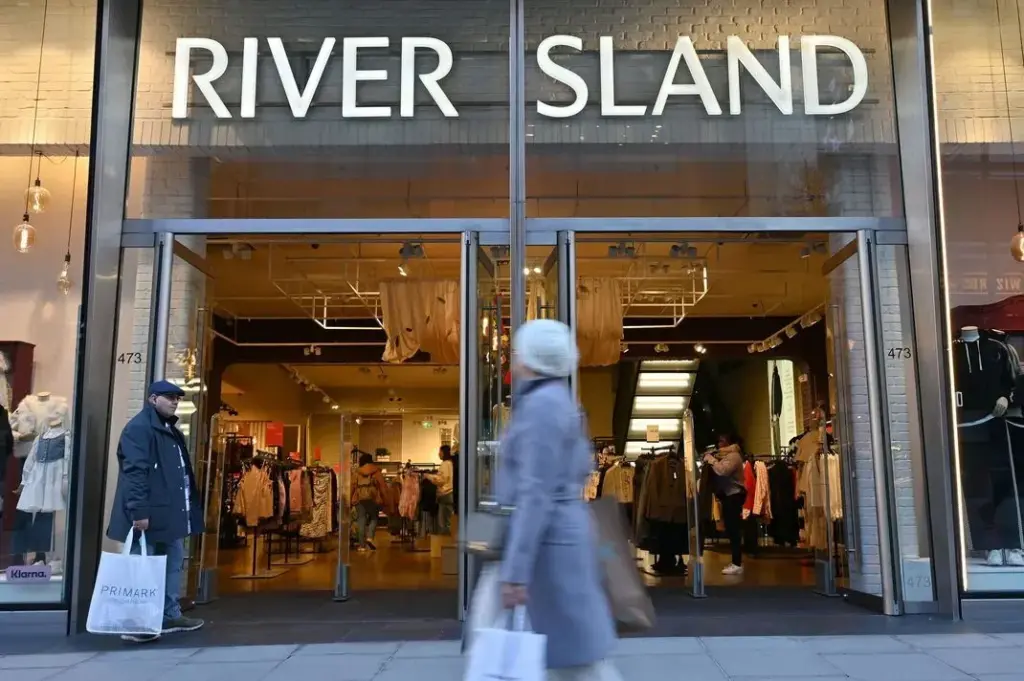
In a significant blow to high street retail, River Island stores are closing 11 locations today as the iconic fashion chain grapples with ongoing financial difficulties. Once a staple of Britain’s high streets since 1988, the company has struggled to adapt to the shifting retail landscape, which has seen a notable decline in customer traffic and sales. As part of a drastic restructuring plan, River Island aims to reduce its footprint and negotiate rental agreements to avert further losses. This latest round of store closures in the UK underscores the pressing challenges facing many brick-and-mortar retailers in an increasingly competitive environment. With a reported pre-tax loss of £32.3 million last year, the future of River Island remains uncertain amid the broader fashion retail news of waning high street popularity.
The recent announcement of River Island store closures marks a stark reality for one of the UK’s leading fashion retailers, as it confronts mounting economic pressures. This well-known chain, part of the fabric of British retail for over three decades, is taking decisive steps to address its financial woes amid an evolving shopping landscape. The struggles of River Island reflect a larger trend affecting numerous high street brands, which are forced to navigate the dual challenges of rising operational costs and a significant pivot to online consumer engagement. As these closures unfold, they highlight a crucial moment for the future of in-person shopping experiences, difficult decisions that many retailers are now confronted with to remain viable in an ever-changing market.
Understanding River Island’s Store Closures in 2026
The recent news of River Island’s store closures has sent ripples through the fashion retail landscape. As one of the iconic players in Britain’s high streets since 1988, the decision to close 11 stores represents a significant blow to the brand and its loyal customers. The affected locations include notable spots throughout the UK, reflecting a widespread impact amid the changing dynamics of consumer habits. With ongoing financial difficulties underlining the situation, River Island has found itself struggling to maintain a presence in an increasingly competitive market.
These closures are not an isolated incident but part of a broader trend affecting high street retail. The shift away from brick-and-mortar shopping to online alternatives has accelerated, compelling retailers like River Island to reconsider their strategies. With sales declining by 19 percent and a steep loss reported last year, the decision to close stores was not taken lightly but is necessary for financial rejuvenation. As the retail giant navigates these challenging waters, the effectiveness of their restructuring plan will be crucial to determine their survival.
The Financial Challenges Facing River Island
River Island’s financial struggles have become apparent through its recent pre-tax loss of £32.3 million. This financial distress is largely attributed to the changing retail environment and the company’s inability to adapt quickly enough to shifting consumer preferences. The loss of foot traffic in physical stores has prompted a reevaluation of their business model, which must now align more closely with digital strategies. As highlighted by CEO Ben Lewis, the rising operating costs have compounded the challenges, leaving the company needing to enact tough measures to safeguard its position in the market.
In response to its financial issues, River Island has implemented a survival strategy that’s proactive yet reactive to market realities. This includes negotiating rent reductions as well as the closure of less profitable stores. The aim is to streamline operations and focus on areas that can still yield profitability. For brands that have flourished in high street retail for decades, facing such constraints is daunting, but River Island’s approach illustrates a commitment to long-term viability in today’s fast-evolving marketplace.
The Impact of COVID-19 on High Street Retailers Like River Island
The COVID-19 pandemic has had a profound impact on high street retailers like River Island, with lockdowns and restrictions leading to a significant drop in customer traffic. This seismic shift in shopping behavior has further exacerbated pre-existing financial difficulties that some retailers, including River Island, were already facing. As shoppers turned to online platforms out of necessity during the pandemic, many brick-and-mortar stores experienced accelerated declines in footfall, resulting in challenges that would require more than just temporary fixes.
As River Island adapts to these changes, the ongoing repercussions of the pandemic add another layer of complexity. The urgent need to pivot towards online retail and improve in-store experiences has never been more pressing. Retailers must now find ways to integrate digital and physical shopping experiences, ensuring they can cater to both online buys and instore visits. This dual focus will be essential for companies like River Island to regain traction post-COVID and thrive amidst the evolving retail landscape.
Restructuring Strategies of River Island in Response to Financial Pressures
The strategic restructuring efforts initiated by River Island represent a crucial turning point for the company in its mission to mitigate financial pressures. By focusing on negotiations for store rents, the fashion retailer aims to create a more manageable operating environment. The goal is to ensure that the remaining stores generate sufficient revenue to offset the losses from closures without overwhelming the business with overheads. This careful recalibration of expenditure and income could provide River Island with the breathing room it desperately needs.
Part of the restructuring strategy also involves assessing the overall store footprint and determining where to invest resources. As River Island works closely with property owners to implement rental reductions, it sets the stage for a more sustainable business model focused on high-performing locations. By prioritizing stores that align with consumer demand and shifting shopping patterns, River Island hopes to emerge from this tumultuous period in a position of strength, ensuring longevity in the fashion retail scene.
Customer Sentiment Towards River Island’s Store Closures
The sentiment among customers regarding River Island’s store closures is mixed, with many expressing disappointment but also understanding the necessity of such decisions. As a brand that has been part of the high street for decades, the closure of popular locations has left a visible gap in the hearts of many loyal shoppers. Customers who have relied on River Island for affordable fashion are concerned about losing access to their favorite products and the in-person shopping experience that a physical store provides.
Conversely, some customers recognize that these closures are a response to a rapidly changing retail landscape and express support for the company’s broader plans to adapt. The understanding that online shopping is here to stay has led consumers to appreciate River Island’s efforts to enhance its digital presence. Participating in the evolution of shopping, many hope that River Island can successfully merge their online and in-store experiences and continue to provide fashionable options, even if fewer physical locations remain.
Analyzing the Broader Effects of River Island’s Financial Difficulties
The financial difficulties faced by River Island extend beyond the brand itself; they reflect trends across the entire high street retail sector in the UK. As some well-known stores grapple with similar challenges, the ripple effects of their struggles can lead to broader economic implications for town centers and local employment. River Island’s move to close multiple stores signals the ongoing recalibration of the retail landscape, with some industries thriving while others falter.
Moreover, as more retailers experience financial pressures, the future of high streets is brought into question. With the decline of footfall leading to more store closures, local economies might suffer from reduced consumer choice and fewer job opportunities. River Island’s adjustments, therefore, are not just about saving the company but also about addressing concerns over the sustainability of British high streets and creating a vibrant retail environment that adapts to modern shopping habits.
The Evolution of River Island: From Humble Beginnings to Key Retail Player
Founded as a menswear retailer in 1988, River Island has evolved into a key player in the UK high street fashion scene. It began under the name Chelsea Girl and quickly rebranded to River Island, reflecting its expanding portfolio and ambition. Over the decades, the brand has maintained a reputation for trendy, affordable fashion catering to a diverse market. This growth journey has been remarkable, considering how deeply embedded River Island has become within the fabric of British retail.
As River Island faces current challenges, it is essential to acknowledge its historical impact on high street retail. While store closures add to concerns about the brand’s future, they also provide an opportunity for River Island to refine its offerings and respond more effectively to customer needs. Reflecting on its legacy, the brand can leverage decades of experience and insight to innovate and connect with a new generation of shoppers while navigating its current financial landscape.
Future Prospects for River Island Under Current Market Conditions
Looking ahead, the future prospects for River Island remain uncertain amid the ongoing challenges facing the retail industry. As the brand continues its efforts to streamline operations and adapt to online demands, there is hope that it can re-establish its footing in the fashion market. The success of this overhaul depends significantly on how well River Island can balance its physical presence with a robust online offering that resonates with consumers shifted habits.
The current market conditions necessitate agility and an innovative mindset to cater to evolving consumer preferences. River Island has the potential to redefine its role within the high street segment by embracing more sustainable practices and emphasizing quality over quantity in terms of store locations. Should it manage to successfully pivot its strategy, River Island could pave the way for a more resilient presence in an increasingly competitive fashion retail landscape.
Lessons from River Island: Navigating Challenges in High Street Retail
River Island’s current experience serves as a valuable case study for the entire fashion retail sector. The store closures highlight the necessity for brands to be proactive rather than reactive in addressing consumer needs and market changes. For retailers to thrive in today’s environment, the ability to anticipate shifts in shopping behavior and customer preferences is crucial. River Island’s restructuring strategies provide insights into how companies can navigate similar challenges.
Additionally, River Island’s ability to cut down on losses while striving to maintain brand integrity demonstrates the balance needed between profit margins and customer experience. Maintaining that connection with loyal shoppers during tumultuous times will be essential for all retailers. As the landscape continues to change, brands that can yield lessons from River Island’s journey may find themselves better positioned to adapt and prosper in the future.
Frequently Asked Questions
What are the reasons behind River Island store closures in the UK?
River Island store closures in the UK are primarily due to significant financial difficulties faced by the retailer, compounded by a decline in customer traffic and a shift towards online shopping. The company reported a pre-tax loss of £32.3 million and a 19 percent drop in sales, prompting a restructuring strategy that includes closing multiple locations to align with current market demands.
How many River Island stores are closing this month?
This month, River Island is set to close a total of 11 stores across the UK. These closures are part of a broader restructuring initiative aimed at stabilizing the financial situation of the fashion retail chain.
Which locations are affected by the recent River Island store closures?
The recent River Island store closures include locations such as Barnstaple, Beckton, Didcot, and Falkirk, among others. This round of closures is part of the company’s efforts to reduce operational costs and adapt to a changing retail landscape.
What is River Island’s strategy to overcome financial difficulties?
River Island is implementing a survival strategy that includes closing 33 stores, negotiating rent reductions on other locations, and enhancing in-store experiences. This restructuring plan aims to ensure long-term profitability and adapt to the growing trend of online shopping.
How has the shift to online shopping impacted River Island?
The shift to online shopping has significantly impacted River Island, as it has led to decreased footfall in physical stores and a change in consumer behavior. River Island has acknowledged that its large number of stores no longer aligns with customer needs, resulting in the decision to close several locations.
What can River Island customers expect during the store closures?
Customers can expect a limited number of River Island locations to remain open for shopping as the company implements its store closures. They are encouraged to check online for alternative shopping options and updates regarding store operations.
Is River Island planning further store closures beyond January 2026?
Yes, River Island is still considering additional store closures beyond January 2026 as part of its ongoing restructuring strategy to address financial challenges and adapt to the retail environment.
What has River Island’s CEO stated about the store closures?
River Island’s CEO, Ben Lewis, stated that while the closures are regrettable and will lead to job losses, they are necessary to secure the company’s long-term future. He emphasized the need for a restructuring plan to ensure River Island’s viability in a competitive market.
| Key Point | Details |
|---|---|
| Store Closures | River Island closes 11 stores on January 31, 2026, including locations like Beckton. |
| Financial Challenges | The retailer reported a pre-tax loss of £32.3 million last year and a 19% drop in sales. |
| Restructuring Efforts | An approved restructuring plan aims to reduce operational costs and align the business with new consumer habits. |
| Future Strategy | The company plans to enhance its fashion offerings and in-store experiences to attract more customers. |
| Impact | These closures contribute to the ongoing challenges faced by high streets across the UK. |
Summary
The recent River Island store closures mark a significant moment in the retail landscape, indicating the ongoing struggles experienced by traditional high street retailers. As River Island closes down 11 locations, including its Beckton store, it highlights the increasing financial pressures and shifting consumer behaviors in the fashion industry. The company’s efforts to restructure and adapt to online shopping trends are vital for its future viability. This situation serves as a reminder of the changing dynamics within the retail market, with many others potentially facing similar challenges.