
Listen to this article
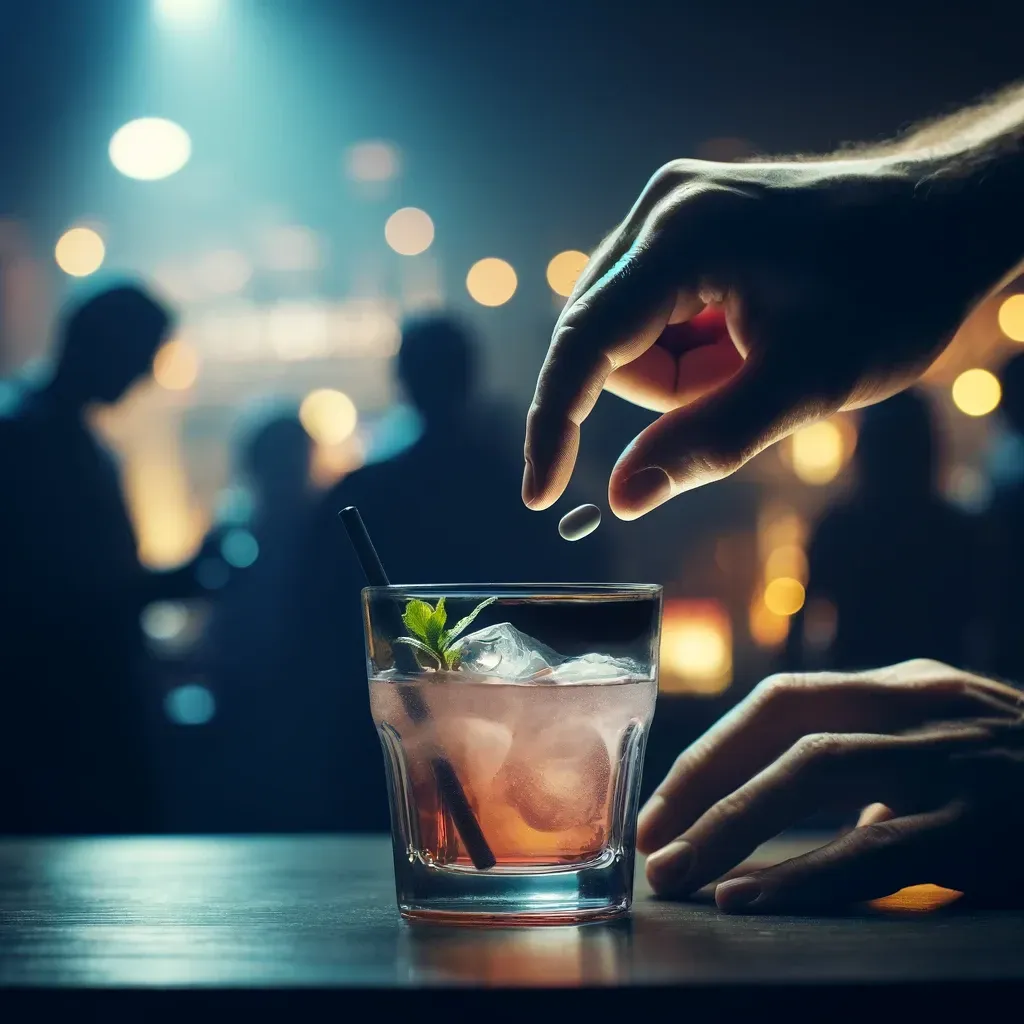
Restaurant drink spiking is a disturbing trend that raises significant concerns about personal safety, particularly in social settings like private clubs. The recent case involving Vikas Nath at Annabel’s, a renowned venue in London, highlights the dangers associated with the inconspicuous addition of substances, such as date rape drugs, into unsuspecting patrons’ beverages. Witnesses observed Nath attempting to spiking a woman’s drink with liquid from a bottle, ultimately leading to legal ramifications for his actions. Such incidents not only jeopardize drinks safety but underscore the importance of remaining vigilant in environments where alcohol is served. As awareness increases, it’s crucial for both establishments and guests to prioritize protections against GBL drug abuse and similar threats.
Incidents involving the tampering of beverages at bars and clubs are becoming increasingly alarming, prompting discussions about guest safety and the legal consequences of such actions. In the recent high-profile case at Annabel’s, evidence revealed attempts to covertly introduce a harmful substance into a woman’s drink as part of a misguided effort to influence her behavior. This raises broader questions about the responsibility of venues to protect their patrons and the measures being taken to combat predatory practices. When a respected restaurateur like Vikas Nath is implicated, it sends shockwaves throughout the community and reinforces the need for stringent protocols that deter drink spiking. Ensuring that establishments remain a safe space for all involves a collective commitment to preventing the abuse of substances and fostering an environment of trust.
Understanding Restaurant Drink Spiking
Restaurant drink spiking is a serious issue that can have devastating consequences. It involves tampering with someone’s drink, often with the intent to diminish their capacity to consent to activities later on, which may include unwanted sexual advances. The recent incident at Annabel’s involving Vikas Nath highlights the alarming reality of this behavior. With incidents of spiking on the rise, patrons must be vigilant about their drinks while enjoying an evening out.
Establishments have a responsibility to ensure the safety of their guests, which includes monitoring unusual behavior that may signal drink spiking. In the case at Annabel’s, staff acted quickly upon noticing suspicious actions by Nath, which likely saved the woman from potential harm. It is crucial for restaurants and bars to train their employees in recognizing the signs of drink tampering and to respond appropriately to protect patrons.
The Dark Reality of Date Rape Drugs
Date rape drugs, including substances like gamma-butyrolactone (GBL), are often used to facilitate sexual assault. These drugs are sometimes undetectable in beverages, making them particularly dangerous. In the situation involving Vikas Nath, his use of a date-rape drug raised serious concerns about consent and the intent behind his actions. The ease with which such substances can be administered underscores the importance of awareness among both patrons and hospitality staff.
Women and men alike should educate themselves about the risks associated with drinks in uninhibited environments. Knowing how to spot potential signs of drink tampering can empower individuals to protect themselves and each other. The conversation around date rape drugs must continue in our society, influencing policy, education, and the overall culture surrounding nightlife and drink safety.
Promoting Drinks Safety in Social Venues
Drinks safety is an essential aspect of having a good time while socializing at bars and restaurants. Given the alarming incidents of drink spiking, venues like Annabel’s must implement stringent safety measures. These may include staff training for recognizing and reporting suspicious behavior, as well as creating a safe environment where patrons feel comfortable to speak up about their concerns.
Furthermore, educating customers about simple practices, such as always keeping an eye on their drink, not accepting beverages from strangers, and asking staff for help if they feel uneasy, can greatly enhance overall safety. As incidents like those involving Vikas Nath illustrate, proactive measures in drink safety become imperative to ensure individuals can enjoy their time out without fear of harm.
Vikas Nath and His Restaurant Chain
Vikas Nath, the restaurateur entangled in the drink spiking scandal, operates a chain of restaurants recognized for their culinary excellence, including Michelin-starred establishments. Despite his success in the restaurant industry, his recent actions have raised questions about his judgment and the environment fostered within his establishments. Customers who visit these high-profile restaurants expect not only fine dining but also a safe atmosphere.
The reputation of a restaurant can be significantly impacted by the behavior of its owner. Incidents like this put a dark cloud over a once-respected establishment and highlight the need for accountability in the hospitality sector. Nath’s case serves as a wake-up call to restaurant owners everywhere on the importance of not only food quality but also the responsibility of safeguarding their clientele.
The Role of CCTV in Drink Tampering Cases
CCTV footage has become a pivotal tool in addressing incidents of drink tampering and ensuring justice in cases like that of Vikas Nath. In his situation, the actions he took to spike the woman’s drink were caught on camera, providing undeniable evidence of his wrongdoing. This aspect of the case illustrates how modern technology can play a crucial role in protecting individuals in social settings.
However, the reliance on video evidence also raises ethical considerations surrounding privacy and surveillance in social venues. While it is essential to monitor behaviors to enhance drink safety, establishments must balance such measures with patrons’ rights to enjoy their time freely without feeling overly scrutinized. Developing clear protocols regarding surveillance can help maintain that balance and protect both patrons and business integrity.
The Legal Implications of Drink Spiking
The legal ramifications of drink spiking can be severe, as evidenced by Vikas Nath’s pending charges regarding his actions at Annabel’s. Attempting to administer a substance with intent carries significant consequences, reflecting society’s stance on issues of consent and safety. Such laws are designed not only to punish offenders but also to deter potential incidents of drink tampering that can lead to more grievous offenses.
Understanding the legal framework surrounding drink spiking and related crimes is vital for both patrons and hospitality professionals. It encourages a culture of responsibility, vigilance, and respect in social settings. As public awareness grows regarding the dangers of drink spiking, there may be increased advocacy for stricter laws and enhanced protections for victims.
Recognizing Signs of GBL Drug Abuse
GBL is not only known for its use in date rape but also in various forms of abuse, leading to significant health risks. Recognizing signs of GBL drug abuse—such as changes in behavior or unusual secrecy—can be crucial for friends, family, and patrons in social settings like bars and restaurants. Cases like that of Vikas Nath underscore the importance of vigilance in recognizing and addressing potential drug misuse.
Communities must foster open discussions about GBL and its implications, encouraging those who suspect either themselves or someone they know may be involved in drug harm to seek help. Prevention efforts should include education on the dangers of such substances, empowering individuals to voice concerns when they notice red flags in their surroundings.
Effective Strategies to Combat Drink Spiking
To effectively combat drink spiking, restaurants and bars should implement a range of strategies to deter malicious behavior. This could include training staff to recognize suspicious behaviors, improving monitoring practices in drink-serving areas, and adopting policies that prioritize the safety of patrons above all. Encouraging patrons to inform staff if they feel uncomfortable or have concerns about their drinks can foster a supportive environment.
Collaboration between venue owners and local law enforcement can also enhance security measures. Establishments can hold meetings with police to better understand how to respond to potential drink spiking incidents. Other practical steps include encouraging guests to order drinks directly from bartenders, thereby minimizing the risk of tampering.
Creating a Culture of Consent in Social Scenes
In light of incidents like that involving Vikas Nath, establishing a culture of consent in social settings is critical. This means not only ensuring that patrons are aware of their own rights but also educating them to respect the rights of others. Such a culture calls for open dialogues about consent within the nightlife scene, where individuals can feel empowered to speak about unwanted advances and inappropriate behavior.
Social venues play a crucial role in promoting this culture. By hosting events focused on consent education and implementing policies that support respectful interactions, establishments can become environments where everyone feels valued and safe. The more we collectively commit to addressing and changing unacceptable behaviors, the less likely incidents of drink spiking and other forms of assault will occur.
Frequently Asked Questions
What should I know about restaurant drink spiking incidents?
Restaurant drink spiking incidents involve someone secretly adding drugs, like date-rape drugs, to a patron’s beverage without their knowledge. This not only compromises drinks safety but can lead to severe consequences, including legal actions against the perpetrator. Raise awareness and always watch your drink in social settings.
How do I ensure my drinks are safe at restaurants to avoid drink spiking?
To ensure drinks safety at restaurants, never leave your drink unattended, use drink covers if available, and be cautious about accepting drinks from strangers. If you’re at a private members’ club like Annabel’s, being vigilant can also help prevent incidents of drink spiking.
What are the risks of GBL drug abuse in social settings?
GBL, often related to restaurant drink spiking, poses significant risks in social settings. It is associated with impairing judgment and can lead to dangerous situations, including assault. Understanding these dangers is essential for maintaining drinks safety and your personal well-being.
What actions should I take if I suspect drink spiking at a restaurant?
If you suspect drink spiking at a restaurant, inform the staff immediately, as they are trained to handle such situations. They can help ensure your safety and may involve security or law enforcement, especially in cases of incidents like those reported at Annabel’s.
Who can I contact if I experience drink spiking in a restaurant?
If you experience drink spiking at a restaurant, contact local authorities or the venue’s management right away. Documenting the incident and seeking medical assistance if necessary is critical for your safety and legal recourse, especially in serious cases like the one involving Vikas Nath.
What are the legal consequences of restaurant drink spiking?
The legal consequences of restaurant drink spiking can be severe, often resulting in criminal charges such as possession of illegal substances and attempt to administer harmful drugs. Cases like that of Vikas Nath at Annabel’s highlight the serious ramifications associated with such actions.
What types of drugs are commonly associated with restaurant drink spiking?
Common drugs associated with restaurant drink spiking include date-rape drugs like GHB and GBL. These substances can impair a person’s capacity to consent, making it crucial for individuals to remain vigilant about their drinks when socializing.
What should restaurant staff do if they suspect drink spiking?
Restaurant staff who suspect drink spiking should take immediate action by monitoring the situation, securing the area, and notifying management or security. They should also support the affected individual, potentially involving law enforcement if necessary, to ensure safety.
What’s the significance of the Vikas Nath case in understanding drink spiking?
The Vikas Nath case signifies the serious implications of drink spiking in upscale environments like Annabel’s. It brings attention to the importance of drinks safety and the legal responsibilities restaurants have in protecting their patrons from such malicious actions.
What resources are available for victims of drink spiking incidents?
Victims of drink spiking can access various resources including local law enforcement, victim support services, and helplines. Legal advice and counseling services are also available to help navigate the aftermath of such traumatic experiences.
| Key Point | Details |
|---|---|
| Incident | Vikas Nath spiked a woman’s drink with a date-rape drug at Annabel’s on January 15, 2024. |
| Witnesses | Staff at the club witnessed the spiking and replaced the drink before the woman consumed it. |
| Charges | Nath is charged with attempting to administer a substance with intent and possession of a Class B drug. |
| Defense Claims | Nath admits to spiking but claims it was to help the woman relax, not to engage in sexual activity. |
| Evidence | CCTV captured the spiking incident; police found GBL in his possession. |
| Previous Conduct | Nath had a motion-activated camera at his home, used for covertly documenting sexual encounters. |
| Claims of Legality | Nath erroneously claimed GBL was a legal cleaning fluid and did not know it was illegal. |
| Current Status | The trial is ongoing, with further details being revealed. |
Summary
Restaurant drink spiking is a serious crime that not only endangers individuals but also tarnishes the reputation of establishments where such incidents occur. The recent case involving restaurateur Vikas Nath highlights the severe legal consequences and moral implications of tampering with someone’s drink. As the trial unfolds, it serves as a reminder for both patrons and restaurant staff to remain vigilant against potential threats in social settings.