Listen to this article
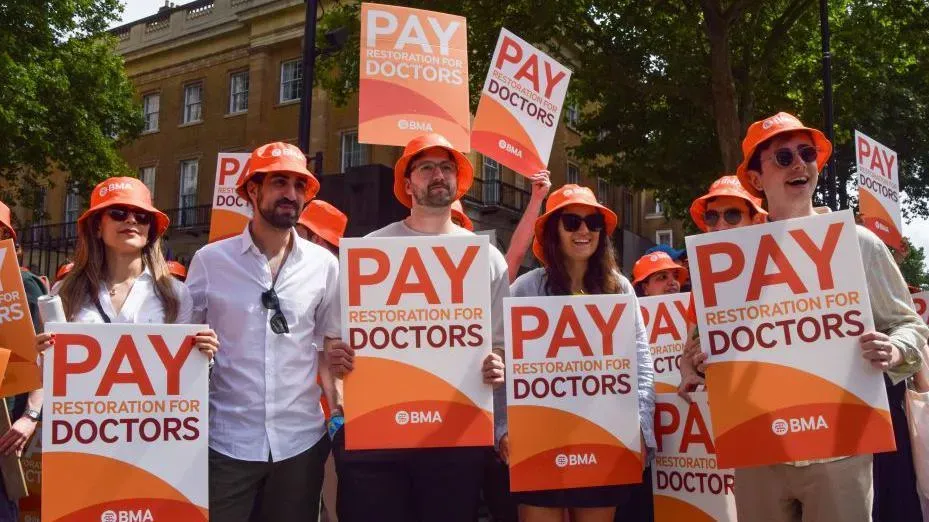
The ongoing resident doctors strike in the UK has brought significant attention to the complex issues surrounding healthcare and pay within the NHS. Recently, members of the British Medical Association (BMA) voted overwhelmingly in favor of escalating strike action amid a deepening doctors pay dispute that has been brewing since early 2023. Such BMA strike action highlights the dissatisfaction with current pay structures and the scarcity of NHS training positions that are crucial for the development of young medical professionals. With approximately 93% of BMA members backing further walkouts, the future of medical training is now intertwined with calls for fair compensation and improved working conditions for these essential healthcare workers. As the government suggests a modest pay increase, tensions rise, indicating that without resolution, the disruption caused by the resident doctors strike could significantly impact healthcare services across the nation.
In the UK, the unfolding drama surrounding junior physicians has led to significant unrest as these medical professionals assert their rights through organized strike efforts. The ongoing doctors’ pay dispute raises urgent questions about the viability of NHS training programs, especially as the demand for qualified personnel continues to soar. With increased participation in BMA strike action, the conversation around medical training issues has never been more pertinent, as healthcare workers unite to advocate for better remuneration and more job opportunities. The backdrop of this crisis sees a persistent struggle to balance fair pay against the pressing need for a robust healthcare system. As the healthcare landscape evolves, the implications of these strikes resonate throughout England, emphasizing the critical role of resident physicians in shaping the future of medicine.
The Ongoing Dispute: Resident Doctors Strike UK
The recent vote by resident doctors in England to continue their strike action emphasizes the unresolved issues regarding pay and medical training. With approximately 93% of British Medical Association (BMA) members supporting this decision, the ongoing dispute highlights the critical juncture at which resident doctors find themselves. This protest not only speaks to the financial strain faced by healthcare workers but also illuminates the urgent need for reform within the NHS training positions that many young doctors depend on.
The BMA’s relentless push for fair pay amid these strikes is fueled by a government proposal for only a 2.5% pay increase. The context of this strike reveals a larger pattern as resident doctors grapple with job shortages and inadequate training resources necessary for their professional growth. The combination of pay disputes and the lack of sufficient NHS training positions could severely hinder the careers of many aspiring doctors, prompting them to join in solidarity for their demands.
Impact of Pay Disputes on Medical Training
The BMA has consistently raised concerns about doctors’ pay structure, claiming that despite a series of increases over recent years, they are still significantly underpaid when adjusted for inflation. This continued pay dispute not only affects the well-being of resident doctors but has critical implications for medical training issues across the board. Without proceeding improvements in remuneration and job availability, many young doctors face a grim future of stagnation, which can detract from the quality of care provided in the NHS.
As resident doctors transition to their specialty training, the competition for limited positions is becoming increasingly intense. Last year’s figures indicated that over 30,000 applicants were vying for just 10,000 training jobs, which raises concerns about who gets to enter vital specializations within the NHS. The BMA argues that this scarcity of opportunities is a direct result of insufficient investment in healthcare training roles, exacerbating the existing strain on the healthcare system and limiting the pool of qualified professionals.
BMA’s Role in Advocating for Resident Doctors
The British Medical Association plays a crucial role in advocating on behalf of resident doctors, especially during times of strike action. Their recent call for further walks highlights the urgency for government intervention to resolve longstanding pay disputes and medical training issues that have plagued the NHS. BMA leaders, such as Dr. Jack Fletcher, emphasize that the government must acknowledge the grievances of healthcare workers and engage in constructive dialogue to prevent further escalation of the situation.
With the skills shortage in the health sector continuing to grow, the BMA’s negotiation strategies are vital in shaping the future of healthcare workforce policies. Their efforts illustrate the necessity for comprehensive discussions with the government to address the critical gaps in training positions and ensure that aspiring doctors receive the empowerment and support they need to thrive. The impact of these negotiations extends beyond just the financial aspects, directly influencing the quality of care patients receive.
Government’s Response to the Resident Doctors Strike
The government has responded to the possibility of continued strikes by engaging in what they term ‘intensive and constructive discussions’ with the BMA. The aim is to mitigate the damaging cycle of strikes that disrupt services and negatively affect patient care. Officials suggest they hope to strike a deal that finds common ground, which would allow resident doctors to focus on their training and responsibilities instead of ongoing pay disputes.
Despite the government’s intention to negotiate, doubts linger about their commitment to genuinely addressing the healthcare workers’ demands. As resident doctors continue to feel undervalued and overworked, the responsibility lies with government officials to create a sustainable framework that prioritizes doctor welfare alongside patient care. This is crucial if they wish to avoid future strike actions that could further strain the NHS.
The Future of NHS Healthcare Workers
The future of NHS healthcare workers is under threat with the ongoing disputes regarding pay and training positions. With a healthcare system heavily reliant on its doctors, the implications of failing to meet their needs could have extensive repercussions on patient care. Resident doctors, who have been advocating for structural changes within the workforce, represent nearly half of the NHS’s medical staff and serve as a vital component in maintaining health services.
In the long run, unresolved issues could lead to a significant decline in the appeal of medical careers, particularly among new graduates. The NHS must adapt to ensure that training schemes are robust and that salaries reflect the rigorous demands of the profession. Understanding the intersection of medical training issues and pay is essential for creating an effective and sustainable healthcare workforce in the UK.
Addressing Medical Training Issues for Future Generations
Addressing the pressing medical training issues within the NHS is crucial to the future of healthcare in the UK. With a significant number of doctors competing for a limited number of specialty training positions, there is an urgent need for systemic reform. The government and healthcare authorities must prioritize creating more training spots to ensure that aspiring doctors can pursue their careers without interruption. This would alleviate many concerns associated with the ongoing resident doctors strike in the UK.
Encouragingly, there are discussions pointing towards potential pathways for increasing NHS training roles. If the government can collaborate effectively with the BMA and other stakeholders, there is an opportunity to reverse the current trends that discourage young physicians from entering the workforce. Increased investment in medical training not only benefits the applicants but ultimately enhances the quality and efficiency of healthcare delivery for all patients.
The Role of the NHS in Healthcare Delivery
The National Health Service (NHS) is the cornerstone of healthcare delivery in the UK, but it is facing unprecedented challenges. With the specter of strikes looming as doctors demand fair pay and appropriate training opportunities, the ability of the NHS to provide consistent and quality care is at risk. As resident doctors continue their fight for better representation, the sustainability of healthcare services hinges on resolving these critical disputes.
Public awareness of these issues is essential, as it pressures government officials to act decisively. Everyone, including patients and healthcare workers, has a stake in advocating for a resilient NHS that satisfies both the needs of its staff and those they serve. By addressing the demands of resident doctors and ensuring their concerns are met, the NHS can solidify its foundation and guarantee a future where both patients and providers receive the care they expect.
Public Reaction to Strikes and Healthcare Issues
Public reaction to the strikes by resident doctors has been mixed, reflecting a broader concern about healthcare accessibility and the quality of services provided by the NHS. Many patients sympathize with the doctors’ plight, understanding the pressing need for fair pay and adequate training opportunities for the workforce that treats them. Some, however, fear that prolonged strikes might lead to longer waiting times for treatment and increased pressures on the healthcare system.
Social media platforms have become a battleground for opinions regarding the ongoing dispute, with many calling for greater support for temporary measures to ensure that patient care doesn’t suffer during strike periods. This public pressure may compel the government to rethink its approach to negotiations and seek more comprehensive solutions that not only resolve the doctors’ concerns but also address patient needs. It underscores the vital connection between doctors’ welfare and the overall health of the NHS.
Looking Ahead: Potential Solutions to Medical Disputes
As resident doctors navigate through this tumultuous period, potential solutions are more crucial than ever. Strategies that address both the pay disputes and the training bottlenecks must be prioritized to foster a stronger, more resilient healthcare workforce. The collaboration between the BMA and the government could result in innovative compensation plans and expanded training roles that ensure future generations of doctors are equipped to handle the demands of the NHS.
Looking forward, building a cohesive support structure for healthcare workers while ensuring patient needs remain central can lead to sustainable outcomes. The next steps in these negotiations will play a critical role in determining the future landscape of healthcare in the UK, and all stakeholders must remain committed to fostering a productive dialogue that respects the contributions of every healthcare worker.
Frequently Asked Questions
What is the current status of the resident doctors strike in the UK?
The resident doctors strike in the UK is currently ongoing as doctors have voted in favor of further strike actions in their dispute over pay and NHS training positions. The British Medical Association (BMA) has received a new six-month mandate for strike action, following a significant vote from its members.
Why are resident doctors in the UK going on strike?
Resident doctors are striking due to a dispute with the government over proposed pay cuts and the need for more NHS training positions. The BMA argues that the current pay offers are inadequate, and without additional training opportunities, there will be significant bottlenecks in medical training.
How has the BMA responded to the government’s proposal on resident doctors’ pay?
The BMA has criticized the government’s proposal of a 2.5% pay increase for resident doctors, arguing that this does not meet the expectations set for fair pay. Many doctors feel that their pay is still significantly lower than it was in 2008 when adjusted for inflation.
What are the implications of the resident doctors strike on NHS services?
The resident doctors strike could lead to disruption in NHS services, as these doctors make up nearly half of the medical workforce. The BMA has stated that consecutive strikes could adversely affect patient care and medical training, resulting in delays and reduced service availability.
What was the outcome of the BMA’s recent vote among resident doctors?
Recently, approximately 93% of BMA members voted in favor of continuing the strike actions, with a turnout of 53%. This overwhelming support highlights deep-seated issues within the medical training and pay dispute that resident doctors are facing.
How many training positions are available for resident doctors in the UK?
Last year, there were over 30,000 applicants for around 10,000 NHS training positions available after the second year of residency. This significant gap emphasizes the ongoing medical training issues that are central to the current strike by resident doctors.
What are the government and BMA doing to resolve the doctors’ pay dispute?
The government has engaged in intensive discussions with the BMA aimed at finding a resolution to the pay dispute and preventing further strikes. Both parties acknowledge the need for constructive dialogue to reach a satisfactory agreement regarding pay and training positions.
How long has the dispute over doctors’ pay and training positions been ongoing?
The dispute over doctors’ pay and NHS training positions began in spring 2023, leading to 14 separate strikes. Despite negotiations, the conflict remains unresolved, prompting resident doctors to consider further strike actions.
What suggestions have been made to avoid future strikes by resident doctors?
To avoid future strikes, the BMA has suggested that a new jobs package and a reasonable proposal for fair pay increases could be developed through goodwill from both the government and the BMA, in the interest of patients and NHS staff.
Are there any scheduled dates for the next resident doctors strike?
As of now, specific dates for the next round of resident doctors strike actions have not yet been announced, but the BMA has the mandate to mobilize strikes over the next six months if necessary.
| Key Points | Details |
|---|---|
| Strike Mandate | Resident doctors in England have been granted a six-month mandate to strike following a vote by members of the British Medical Association. |
| Voting Results | 93% of the BMA members voted for further strike actions, with a turnout of 53%. |
| Background | The dispute began in spring 2023, leading to 14 separate strikes against the backdrop of discussions with the government. |
| Government’s Offer | A proposed 2.5% pay increase for doctors, but doctors claim this is a pay cut compared to previous promises. |
| Job Shortages | There is a critical shortage of specialty training positions, with more than 30,000 applicants for only 10,000 jobs. |
| BMA’s Position | BMA argues their pay has decreased by 20% since 2008 when factoring in inflation despite recent increases. |
| Potential Solutions | Dr. Fletcher mentioned that a deal is possible with goodwill, suggesting a new jobs package and fair pay proposals. |
Summary
The resident doctors strike in the UK has emerged as a significant issue, reflecting ongoing frustrations over pay and training positions. The BMA’s recent vote indicates strong support among doctors for further action, showcasing their determination to advocate for fair compensation and adequate training opportunities. Moving forward, it is crucial for the government to engage meaningfully with the BMA to find a resolution that addresses these challenges and prevents future disruptions in healthcare services.