
Listen to this article
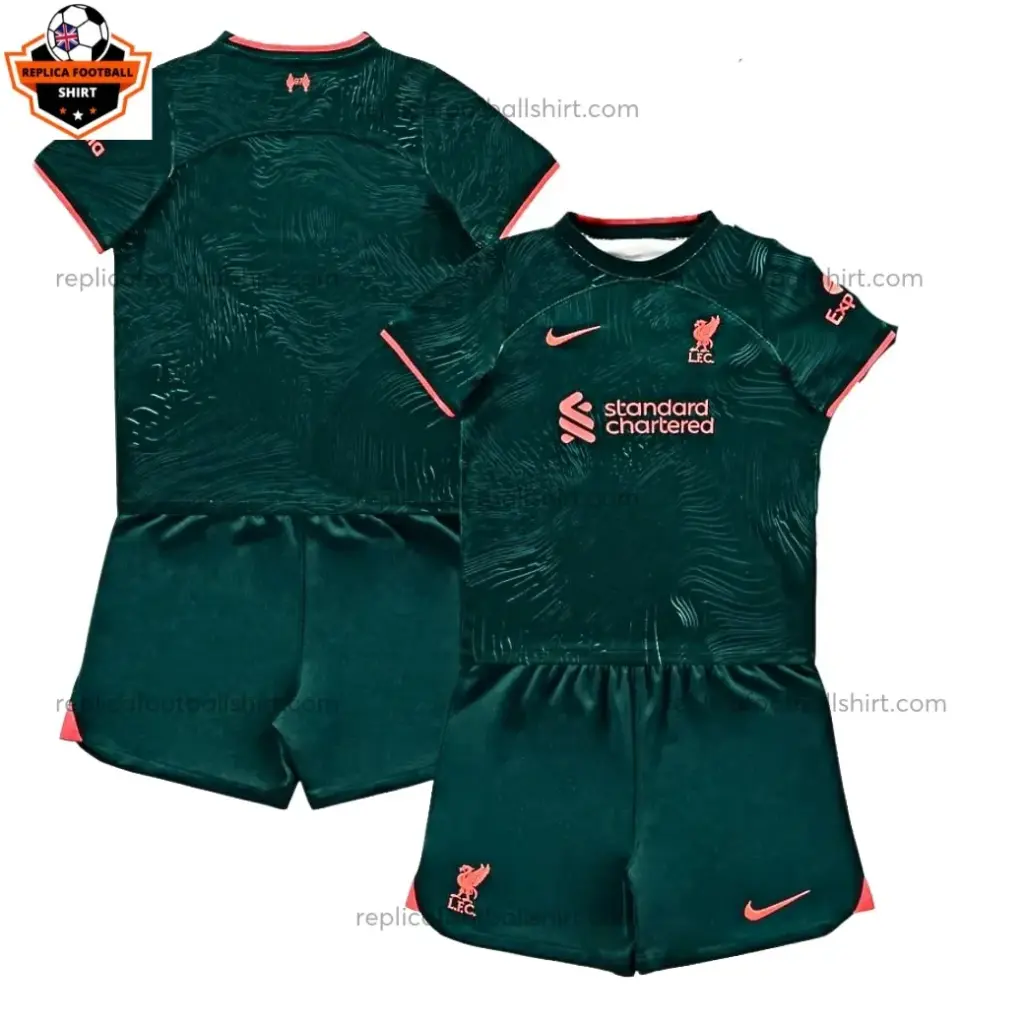
Replica football kits have become a staple for fans eager to support their favorite teams while showcasing their football passion. With the ongoing discussions surrounding football kit pricing, the affordability of football kits is more relevant than ever. Brands like Castore football kits are at the forefront, producing high-quality merchandise that reflects the spirit and identity of clubs, including some from the Premier League. In a recent Tom Beahon interview, the co-founder of Castore defended the positioning of these kits within today’s market, suggesting that if fans find the costs prohibitive, that’s a cue for adjustment. The landscape of Premier League merchandise continues to evolve, highlighting how these kits serve not just as apparel, but as a vital connection in the world of football.
Football jerseys, often referred to as merchandise for avid supporters, have gained immense popularity, especially among die-hard fans. The prices associated with official gear often spark debates, especially in light of varying football kit pricing across different teams in the Premier League. Brands like Castore offer a range of options, striving to balance quality and cost effectively for enthusiasts. Discussions following a recent Tom Beahon interview shed light on how economic factors impact the affordability of these garments while reflecting fans’ loyalties. Ultimately, the demand for premium sportswear is met with increasing interest in authentic merchandise, steering the football kit market.
Understanding Football Kit Pricing
The pricing of replica football kits has emerged as a contentious issue, particularly in the context of escalating costs across the sporting landscape. According to co-founder Tom Beahon of Castore, the price points at which official merchandise is sold reflect broader economic factors, including inflation rates and rising material costs. Premier League clubs, for instance, set prices ranging from £60 to £85 for their standard adult men’s shirts, which Beahon argues is not arbitrary but rather a consequence of market dynamics. If fans truly found these prices unaffordable, he posits, the demand would drop, thereby compelling clubs to reconsider their pricing strategies.
This perspective sheds light on the complexities of football kit pricing. While some fans express discontent over the financial burden of purchasing official merchandise, the reality is that these costs are intertwined with various economic indicators. The rising prices are influenced by factors such as competitive dynamics among brands and the financial pressures stemming from higher fabric prices due to tariffs and fluctuating manufacturing costs in countries like Vietnam and China. Thus, understanding football kit pricing requires a delve into the economics behind these decisions, which often go unnoticed by the average consumer.
The Affordability of Football Kits
Given the prevailing high prices of replica football kits, the issue of affordability remains at the forefront of discussions among fans and stakeholders. Tom Beahon acknowledges these concerns and emphasizes that Castore is actively working to introduce entry-level product lines designed to make official kits more accessible to a wider audience. He believes that by providing affordable options, the company can ensure that more fans can proudly support their teams without the financial strain often associated with premium merchandise.
The challenge of balancing quality and affordability is not unique to Castore but resonates throughout the industry surrounding Premier League merchandise. Fans often find themselves torn between the allure of authentic kits and the temptation of cheaper, counterfeit alternatives. Beahon’s insights suggest that without concerted efforts by brands to cater to diverse economic backgrounds, the risk of alienating segments of the fanbase only increases. Ultimately, the commitment to developing affordable football kits could not only strengthen fan loyalty but also help brands maintain a sustainable business model in a competitive market.
Castore Football Kits and Market Dynamics
Castore has carved out a unique space within the crowded market of replica football kits, competing against established brands while offering distinctive design and quality. As Tom Beahon explains, the company strives to create high-quality products for clubs like Everton and Rangers, addressing both performance and aesthetic needs. This commitment to excellence comes at a price, but Beahon maintains that market forces drive pricing based on supply and demand, ultimately ensuring that the consumer is willing to pay for value.
However, Castore’s introduction into the football kit marketplace reflects a broader trend of investment in sports. As the Premier League continues to attract significant global investment, clubs are also under pressure to deliver exceptional merchandise to enhance their brands’ visibility. Beahon’s assertion that ‘all markets are influenced by competitive dynamics’ exemplifies the critical relationship between club performance, merchandise sales, and overall business sustainability. As consumer preferences evolve, Castore’s management will need to remain agile, adapting its strategies to meet changing market conditions while maintaining brand integrity.
Tom Beahon’s Insights on Premium Merchandise
In an engaging interview with the BBC’s Big Boss Interview podcast, Tom Beahon provided a comprehensive outline of the reasoning behind the premium pricing of replica football kits. His arguments highlight that these prices are deeply influenced by external economic pressures, including rising costs of materials and the increasing demand for high-quality sportswear. According to Beahon, prices reflect the realities of today’s business landscape, suggesting that consumers are unwittingly involved in a sophisticated economic dance that blends supply, demand, and brand loyalty.
Moreover, Beahon dismisses the notion that premium prices are merely a strategy for profit maximization. He draws attention to the necessity for brands to cover their costs while also investing in innovation, quality, and sustainable practices that engage fans effectively. This assurance to fans about product quality is paramount in an era where counterfeit merchandise is on the rise and undermines authentic brands. As Beahon eloquently puts it, the evolving landscape of sports merchandise will soon incorporate technology to engage fans further, making official kits not just products but also experiences.
The Rise of Counterfeit Football Kits
Counterfeit football kits have gained popularity among fans looking for cheaper alternatives, posing a significant challenge for brands like Castore. Tom Beahon recognizes this reality but remains unconcerned, asserting that the ongoing advancement of technology will ultimately mitigate the impact of counterfeit merchandise. He suggests that the future may involve authentic kits embedded with microchips that verify their legitimacy, creating a direct link between merchandise and fan engagement.
The perspective of addressing counterfeit products shows an understanding of the need for authenticity in sports merchandise. As Beahon mentions, the capability for clubs to engage with their fans can be greatly enhanced through technology, which can provide various interactive opportunities. Thus, while counterfeit kits continue to circulate due to affordability concerns, the football industry must innovate and evolve by integrating technology that not only safeguards authenticity but also strengthens the bond between clubs and their supporters.
Engagement Opportunities Through Technology
In the face of an evolving sports merchandise landscape, clubs and brands are beginning to explore innovative ways to connect with their fans. Tom Beahon’s assertion about the incorporation of microchips into official football kits exemplifies a forward-thinking approach. By embedding technology directly into merchandise, clubs can offer an enhanced experience that goes beyond mere apparel. This approach could usher in a new era of interaction, creating exclusive opportunities for fans that deepen their connection to their favorite teams.
Such technological advancements not only address concerns surrounding counterfeit products but also provide fans with unique benefits. Through app integrations, fans could access exclusive content, participate in special promotions, or even connect with other supporters worldwide. This engagement strategy aligns with the growing expectation that brands need to offer more than just a product; they need to cultivate experiences that resonate on personal levels. As the sport continues to grow in popularity and complexity, leveraging technology for fan engagement could redefine loyalty and support in the world of football merchandise.
The Future of Football Kits in a Competitive Market
Navigating the competitive landscape of football merchandise requires brands to remain agile and innovative. With companies like Castore pushing the envelope by responding directly to market demands, the future of football kits is poised for significant transformation. As Tom Beahon noted, the interplay between quality, pricing, and fan accessibility will define the trajectory of this market. As more brands adopt a customer-centered approach, the ongoing dialogue about pricing and affordability will continue to shape how fans and brands relate to each other.
Moreover, as investment in sports exponentially increases, the demand for superior merchandise is expected to surge. Brands that can effectively balance quality and price will really stand out, resulting in stronger market positions. Therefore, as the market dynamics evolve, it will be imperative for companies like Castore to anticipate consumer trends, maintain excellent product standards, and uphold their commitment to both performance and affordability in the replica football kit space. The ability to adapt in this competitive environment will undoubtedly play a pivotal role in determining their ongoing success and relevance.
Capitalism’s Role in Football Merchandise Pricing
Tom Beahon’s insights offer a valuable lens to understand how capitalism shapes the pricing strategies of football merchandise. His assertion that market forces dictate the prices of replica kits reflects the core tenets of a capitalist economy, where demand and supply interplay dynamically. By setting prices reflective of both current economic conditions and consumer behaviors, brands are compelled to continually assess how their offerings align with market expectations while also considering fan affordability.
This discussion underscores the importance of understanding pricing not as an isolated decision but as an intricate component embedded within the larger framework of economic principles. As Beahon asserts, if the costs associated with producing kits are legitimately tied to external factors, it serves as a reminder for fans to consider the complexities that underlie their purchasing decisions. Price adjustments based on market realities emphasize how capitalism inherently drives innovation and responsiveness, ensuring that brands strive for quality while balancing consumer expectations.
The Impact of Global Investments on Football Kits
The influx of global investment into football has reshaped the landscape for merchandise production, including replica football kits. As Premier League clubs attract significant financial backing from investors, the expectation for high-quality fan merchandise rises accordingly. Tom Beahon points out that this trend not only affects the pricing of merchandise but also the overall narrative around what it means to support a club. The economic forces at play necessitate that brands prioritize excellence, prompting businesses like Castore to innovate continuously.
Such global investments mean that brands cannot afford to rest on their laurels; they must perpetually adapt their offerings to match the heightened expectations of today’s consumers. This competitive environment pushes brands toward greater creativity and differentiation in their merchandise. Teams and brands that respond to these shifts in a meaningful way will likely strengthen their emotional connection with fans, solidifying their presence in the marketplace while navigating the evolving economic landscape of football merchandise.
Frequently Asked Questions
Why are replica football kits priced so high?
Replica football kits are often perceived as expensive due to various factors including inflation, rising material costs, and the demand for quality among fans. As noted by Castore co-founder Tom Beahon, prices reflect market dynamics. Half of the Premier League clubs charge £85 for their adult men’s shirts, while others start from £60. These prices are driven by economic factors and significant investment in elite sports.
What is the affordability of football kits in today’s market?
The affordability of football kits varies, with many clubs offering entry-level products to address price concerns. Castore, for instance, is taking steps to ensure fans have access to official merchandise without exorbitant costs. With Premier League merchandise averaging between £60 and £85, it’s essential for fans to explore budget-friendly options while still supporting their teams.
How do Castore football kits compare to other brands in pricing?
Castore football kits are competitively priced, aligning closely with industry standards observed in the Premier League. As discussed by Tom Beahon, the pricing is a reflection of market forces and rising production costs. This strategy emphasizes quality while navigating the challenges of affordability in the ever-evolving sports merchandise landscape.
What impact does the rising cost of materials have on replica football kit pricing?
The rising cost of materials significantly impacts replica football kit pricing. According to Tom Beahon, fluctuations in fabric costs, tariffs, and manufacturing expenses are all driving factors that contribute to the higher price of official kits. This economic principle explains why many fans see their beloved Premier League merchandise priced higher.
What steps is Castore taking to ensure affordable football kits for fans?
Castore is proactively addressing affordability by introducing entry-level product lines aimed at making official football kits more accessible to fans. This initiative reflects their commitment to keeping the spirit of Premier League merchandise alive while considering the financial realities faced by supporters.
Are there concerns about counterfeit replica football kits affecting sales?
While the rise in counterfeit kits is a concern for some brands, Tom Beahon from Castore has indicated that he is not overly worried. He believes that technology, like microchips for authenticity verification, will help combat counterfeits. This evolution could lead to enhanced engagement between clubs and fans, making purchasing official merchandise more appealing.
What is the relationship between the investment in football and replica kit prices?
Increased investment in football, especially within the Premier League, influences replica kit prices. Tom Beahon points out that investors seek returns on their investments over time, which could result in higher merchandise prices. This interplay between economics and market investment is crucial for understanding the pricing landscape of replica football kits.
| Key Points |
|---|
| Tom Beahon defends the pricing of replica football kits, claiming prices reflect market forces and costs. |
| Premier League shirt prices: £85 for standard kits at half the clubs; other clubs starting from £60. |
| Beahon attributes rising prices to inflation, increased material costs, and investments in elite sports. |
| Castore aims to keep kits accessible with entry-level product lines despite rising costs. |
| Concerns over counterfeit kits are minimal for Beahon; technology may offer solutions for authenticity verification. |
Summary
Replica football kits have become a topic of debate, especially regarding their pricing in the current market. Tom Beahon of Castore has articulated that the prices are driven by various economic factors, including inflation and increased demand in professional sports. As the cost of materials rises and investments in premier leagues increase, the retail prices reflect this reality. While affordability remains a concern, the introduction of entry-level kits by brands like Castore aims to bridge the gap. Overall, it’s clear that the market dynamics play a significant role in the pricing of replica football kits.

