
Listen to this article
Relaxed performances are revolutionizing the theatre experience for families, particularly during festive seasons when traditions are cherished. These specially adapted shows provide a sensory-friendly environment, allowing individuals with autism, anxiety, and other sensory sensitivities to enjoy the magic of accessible theatre without the typical constraints of traditional performances. With lowered sound levels, adjusted lighting, and the freedom for audiences to move about, relaxed performances ensure that everyone can participate in shared experiences like family-friendly pantomimes. London theatre adaptations are increasingly incorporating these inclusive practices, making them vital for enhancing the comfort and enjoyment of diverse audiences. By promoting such autism-friendly events, we pave the way for a more inclusive cultural landscape where every family can celebrate together.
The concept of inclusive theatre experiences offers an alternative language for engaging varied audiences. Known often as sensory friendly shows, these performances cater to individuals who require a more accommodating atmosphere for enjoying live entertainment. By creating what some call low-stimulation settings, the goal is to empower attendees, especially those with unique sensory needs, to fully immerse themselves in theatrical productions. Family-centric events such as relaxed pantomimes exemplify this approach, inviting both children and adults to engage with stories in a manner that resonates with their individual comfort levels. In this way, the evolution toward accessible and adaptable performances marks a significant step forward in the theatre industry.
Understanding Relaxed Performances in Theatre
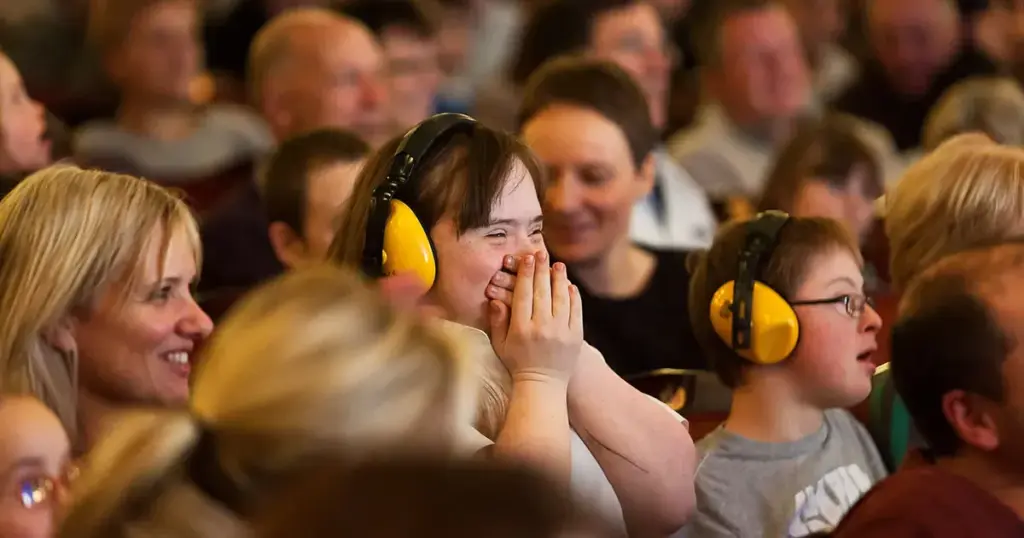
Relaxed performances are tailored theatrical experiences designed to create a less stressful environment for individuals with sensory sensitivities, autism, ADHD, and other learning disabilities. These shows offer subtle modifications such as softer lighting, reduced sound levels, and the removal of sudden effects that could trigger anxiety. By maintaining the core narrative and enchanting elements of traditional performances, relaxed shows ensure that everyone can enjoy the captivating world of theatre without feeling overwhelmed.
The approach to relaxed performances is not only about reducing sensory overload but also about fostering an inclusive atmosphere where audience members can express themselves freely. Attendees are encouraged to talk, move around, or take breaks when necessary, allowing families to enjoy a shared experience without the fear of judgment. This welcoming environment transforms what could be an intimidating outing into a joyful occasion, making the arts accessible to a broader community.
The Importance of Accessibility in Theatre
Accessibility in theatre goes beyond providing wheelchair ramps or auditory aids; it encompasses creating an inclusive experience for all patrons. Many families face barriers when attending traditional theatrical productions, as sensory overload can divert attention from the narrative and magic. By offering sensory-friendly shows and relaxed performances, venues open their doors to audiences who might otherwise feel excluded from such experiences.
Organizations dedicated to making theatre accessible are crucial stakeholders in driving this change. Frequent collaborations with charities and advocacy groups ensure that the voices of affected families are heard. This cooperative approach not only aids in refining the experience for individual demands but also cultivates an understanding of the diverse needs within the community. Ultimately, embracing accessibility enriches the theatre landscape, allowing for vibrant and diverse audiences.
Relaxed performances play a pivotal role in enriching the lives of individuals with sensory sensitivities and their families. They provide a much-needed opportunity for people who might struggle in traditional settings to engage with the arts. By lowering the barriers that typically exist, relaxed shows encourage participation and appreciation of theatre, thereby expanding its reach and impact on society.
Notably, the inclusion of sensory-friendly elements can serve as a model for other events and venues. By modeling their practices after successful theatre adaptations, various industries can further the mission of inclusion. This can lead to more public gatherings that cater to varied sensory needs, pushing towards a society that values diversity and accessibility across all forms of entertainment.
Family-Friendly Pantomimes: A Festive Tradition
Family-friendly pantomimes hold a revered place in Christmas traditions, providing an engaging and interactive escape for audiences of all ages. Relaxed performances of these beloved shows allow families with children on the autism spectrum or with learning disabilities to partake in the festive joy without the usual stressors of traditional theatre. The ability to laugh, cheer, and engage with actors directly transforms the experience into a memorable shared event.
These shows often incorporate whimsical storytelling and energetic performances that captivate young audiences. The safer, more inclusive environment created by relaxed performances helps parents feel at ease when bringing their children to enjoy timeless tales such as “Cinderella” or “Jack and the Beanstalk.” In doing so, these adaptations revive cherished holiday traditions for families who have been sidelined due to accessibility issues.
Sensory-Friendly Shows Across London
In London, the theatre landscape is evolving with a range of sensory-friendly shows designed to accommodate diverse needs. Venues such as the Churchill Theatre and the New Wimbledon Theatre are at the forefront of this thoughtful transformation, ensuring that shows remain engaging while respecting the needs of their audiences. By integrating sensory comforts and reducing potential triggers, these performances invite families to experience London theatre as a cohesive, inclusive community.
The growing popularity of these sensory-friendly adaptations reflects a broader societal shift towards understanding and embracing neurodiversity. In London, where the arts play a vital role in cultural identity, making theatre accessible through relaxed performances demonstrates a commitment to inclusivity. These venues provide not only entertainment but also vital exposure to the arts, enriching lives through shared experiences that bridge differences.
Creating Welcoming Spaces for All Audiences
The push for inclusive environments in theatres also involves significant changes in how spaces are designed and operated. Many venues are now incorporating break areas with sensory tools and are ensuring that staff members are trained to handle diverse needs. This proactive approach helps build a supportive community atmosphere that empowers individuals to enjoy performances on their own terms, further enhancing the relaxed performance experience.
Moreover, accommodating family-friendly features such as lounge areas equipped with sensory toys can make pre-show waiting more enjoyable. By prioritizing the comfort and needs of all attendees, theatres are not only adhering to best practices for accessibility but also enriching the overall experience of visiting a show. Each thoughtful detail contributes to a greater sense of belonging among audiences, helping families forge connections through the joy of theatre.
Community Involvement and Support for Relaxed Performances
Community plays a vital role in supporting relaxed performances, emphasizing the need for concerted efforts among local charities, families, and theatre companies. Organizations like John Lyon’s Charity have been instrumental in providing resources and free tickets to disadvantaged families, ensuring that children with sensory disabilities have access to the magic of theatre. By creating pathways to such artistic experiences, these groups foster a sense of solidarity and support the vibrant culture within their communities.
Furthermore, collaboration with families greatly empowers theatres to deliver performances that reflect the collective needs of their audience. Feedback sessions and outreach ensure that venues understand the lived experiences of individuals with sensory sensitivities, creating performances that not only cater to entertainment but also resonate with audiences on a personal level. This practice bolsters community engagement and cultivates an art scene that is representative and supportive of all.
The Future of Inclusive Theatre Practices
As awareness of the importance of inclusivity grows, the future of theatre is poised for continued innovation in accessibility. Venues are recognizing that adopting relaxed performances and sensory-friendly approaches are not just acts of goodwill but essential elements of responsible artistry. The commitment to creating spaces that allow for neurodiverse participation encourages more families to embrace cultural events, broadening the audience base.
Incorporating feedback from patrons is paramount for ensuring these adaptations continue to meet evolving needs. Looking ahead, there is a promise of rich collaboration among families, artists, and institutions to refine and enhance inclusive practices. This means not just occasional relaxed performances, but a commitment to integration throughout the theatre experience, thus reaffirming the importance of choice for all audiences.
Stories of Transformation Through Relaxed Performances
For many families, experiencing a relaxed performance can be life-changing. Parents recount tales of finally feeling able to enjoy a night out at the theatre with their children after years of avoidance due to previous stressors. These stories of transformation highlight the profound impact that accessible theatre can have on family bonding and creating shared memories.
The anecdotal evidence collected from audiences reflects the positive effects of relaxed performances on the well-being of individuals with autism and other sensory sensitivities. Families express gratitude for the opportunity to engage with the arts without barriers, illustrating that these unique adaptations not only preserve the joy of theatre but also reaffirm the importance of inclusivity in cultural spaces.
Championing Choice for Families in Theatre
The call for choice in performance attendance reflects a broader societal commitment to inclusivity. Parents should have the freedom to decide whether to attend a relaxed performance or a traditional show without feeling cornered into making compromises that limit their family’s experience. This principle holds immense importance, as it highlights the necessity for ongoing dialogue and evolution within the arts community.
Facilitating this choice empowers families to participate in a range of theatrical experiences tailored to their comfort levels. The ability to access both relaxed adaptations and mainstream productions fosters diversity and enriches the culture of theatre. Ultimately, this dedication to providing options for families sets a precedent for arts organizations to continue advocating for truly inclusive practices.
Frequently Asked Questions
What is a relaxed performance in accessible theatre?
A relaxed performance is a specially adapted theatre show designed to create an inclusive environment for individuals with sensory sensitivities, autism, ADHD, and other learning differences. These performances feature adjustments like softer lighting, lower sound levels, and a permissive atmosphere that allows audience members to move around, make noise, and take breaks, ensuring that everyone can enjoy the magic of theatre.
How do sensory-friendly shows benefit families with children who have autism?
Sensory-friendly shows, or relaxed performances, are tailored to support families with children on the autism spectrum by minimizing overwhelming sensory inputs. These adjustments, such as lowered sound effects and dimmed lighting, foster a comfortable atmosphere, enabling families to enjoy performances without the stress often associated with traditional theatre settings. This inclusivity allows families to share in seasonal traditions like pantomimes and other festive events.
Are there family-friendly pantomimes specifically designed as relaxed performances?
Yes, many family-friendly pantomimes now offer relaxed performances that provide a welcoming space for audiences with sensory sensitivities. These adaptations feature engaging storytelling while ensuring that the sensory experience is manageable, thereby allowing families to enjoy beloved holiday traditions in an accommodating environment.
What accommodations are typically included in autism-friendly events at theatres?
Autism-friendly events often include a variety of accommodations such as softer lighting, reduced sound levels, clearer signage, and designated chill-out areas with sensory toys. These adjustments make the theatre experience enjoyable and less overwhelming for individuals with autism and their families, promoting a sense of comfort and inclusivity.
Where can I find information about relaxed performances in London theatre adaptations?
Information about relaxed performances and accessible theatre adaptations in London can typically be found on the websites of local theatres. Many venues provide detailed descriptions of their relaxed shows, including specific accommodations and schedules, ensuring that families can plan their visits around available performances designed for greater accessibility.
How do relaxed performances help create an inclusive environment for all audience members?
Relaxed performances help create an inclusive environment by encouraging acceptance of diverse needs among audience members. By allowing noise, movement, and the freedom to enter and exit freely, these shows promote a supportive atmosphere where individuals can feel understood and comfortable, ultimately enhancing the theatre experience for everyone involved.
What role do charities play in supporting relaxed performances for families?
Charities play a vital role in supporting relaxed performances by funding initiatives, providing free tickets, and collaborating with theatres to ensure accessible options for families. Their involvement helps break down barriers for individuals with disabilities or learning differences, fostering greater inclusivity within the arts community.
What are the key features of a relaxed performance compared to a traditional theatre show?
Key features of a relaxed performance include softer lighting, lowered sound levels, the allowance of audience noise and movement, and additional support resources like chill-out areas and sensory-friendly materials. In contrast to traditional shows, relaxed performances aim to cater to the unique needs of those with sensory and learning differences, making theatre more accessible to all.
| Key Point | Details |
|---|---|
| What are Relaxed Performances? | Shows that adapt traditional theatre to be more accessible for families with sensory or learning differences, allowing a more comfortable viewing experience. |
| Adjustments Made | These performances feature softer lighting, lower sound levels, and fewer sudden sound effects to create a gentler atmosphere. |
| Audience Interaction | Audiences can come and go freely, make noise, and interact without the fear of judgment, creating a more relaxed environment. |
| Importance for Families | These performances enable families to share festive traditions and create memories they might otherwise miss due to traditional theatre norms. |
| Community Support | Charities and local theatres collaborate to provide opportunities and support for families, ensuring more accessible performances. |
| Inclusivity Vision | The aim for true inclusion is having flexible options available across all performances, not only during relaxed shows. |
Summary
Relaxed performances are transforming the theatre experience for families, making it accessible and enjoyable for all. By adapting shows to minimize sensory overload, introducing flexible audience engagement, and fostering a non-judgmental environment, these performances bring the magic of theatre to families who may have previously felt excluded. The efforts made by venues and charities alike ensure that everyone has the opportunity to share in the joy of pantomimes and other theatrical events, helping to create cherished memories and continue festive traditions.