
Listen to this article
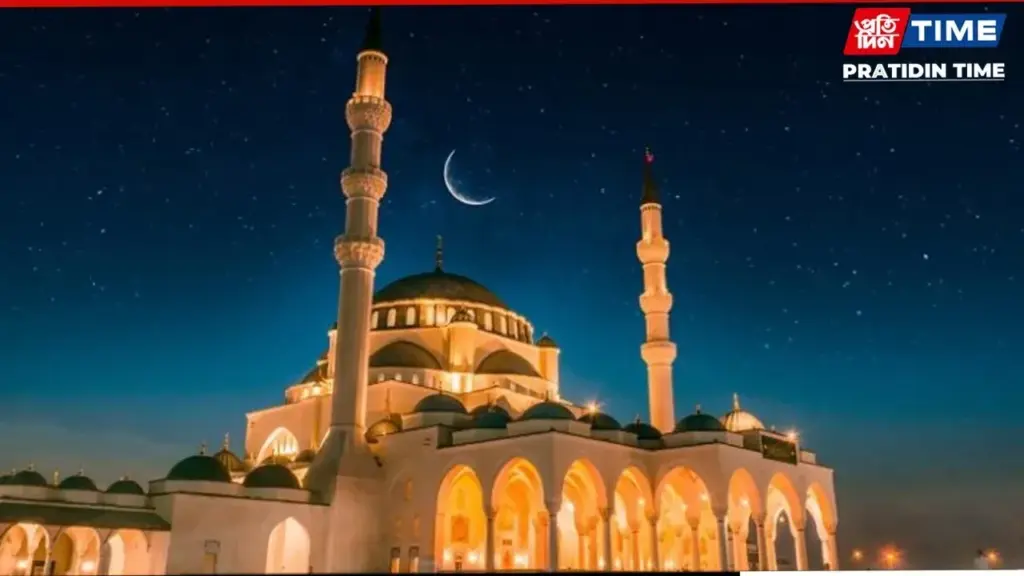
As the world prepares for Ramadan 2026, excitement builds among the Muslim community, anticipating the holy month’s start, which may fall on February 18 or 19, depending on the traditional moonsighting. The sighting of the new crescent moon each year holds significant importance, influencing the official Ramadan start date declared primarily by Saudi Arabia. Astronomical calculations suggest that the moon may be most visible on February 18 in the Kingdom, prompting many congregations across the globe to follow suit. This year, the Saudi Crescent Sighting Committee will play a crucial role, determining the final fasting dates according to their observations. With so many eager believers looking forward to the rituals and fasting during this spiritually uplifting month, the anticipation surrounding the moon sighting in 2026 is palpable.
The arrival of the holy month of Ramadan in 2026 brings with it vivid cultural traditions and practices that unite Muslims across the globe. When the crescent moon is officially sighted, communities come together to observe a period of fasting, reflection, and prayer. The start of this sacred month may occur between February 18 and 19, influenced by moonsighting declarations and astronomical predictions. Many individuals eagerly await news from significant Islamic centers, particularly from Saudi Arabia, which often leads international observances of fasting dates. While the exact date remains uncertain until the new moon graces the night sky, the spirit of Ramadan nurtures a profound sense of fraternity and devotion among millions.
Understanding Ramadan 2026: Key Moonsighting Methods
The start of Ramadan 2026 has generated much anticipation and discussion among the global Muslim community, primarily because the moonsighting process dictates the commencement of this holy month. Astronomers project that the ultra-thin crescent moon will vary in visibility, with Saudi Arabia likely initiating fasting on either February 18 or the 19th. The traditional practice of moonsighting retains its significance, influencing not only Saudi Arabia’s declarations but also many Muslim communities worldwide. The significance of aligning fasting dates, particularly during Ramadan 2026, creates a tapestry of traditions and astronomical calculations that highlight how cultures combine science with spirituality.
In regions like the UK, the connection to Saudi Arabia’s moonsighting observations becomes a focal point for many congregations. As community gatherings often depend on the announcements stemming from Saudi authorities, understanding the moonsighting procedures can mitigate confusion regarding local observances. Students of astronomy assert that the observations of moon phases are essential, as they not only serve as spiritual markers but also impact the unity of observation among Muslims globally. Thus, as Ramadan approaches, fervent discussions around Ramadan moonsighting methods will only intensify.
Ramadan Start Date for 2026: What to Expect
The Islamic calendar, rooted in lunar phases, means that the start date of Ramadan 2026 will fluctuate based on the visibility of the crescent moon. Initially predicted to occur on February 18 due to the Umm al-Qura calendar used by Saudi authorities, the start date may vary for those observing local moonsightings. For instance, different interpretations or delayed sightings in other regions could prompt some congregations to begin fasting a day later, on February 19. Such variations serve as a reminder of the diversity within the international Muslim community and the ways they acknowledge the importance of both tradition and astronomical confirmation in determining Ramadan start dates.
Moreover, the global observance of Ramadan underscores the shared yet distinct practices among Muslims regarding fasting dates. Regions with established astronomical guidelines will often rely on scientific predictions, while local communities may still choose to prioritize cusps of visual moonsighting as a means of maintaining cultural heritage. As the date approaches, close attention will be paid to announcements from Saudi Arabia, which has significant influence over the start dates followed by millions of Muslims around the world, especially in regions like the UK.
The Role of Saudi Arabia in Ramadan Fasting Dates
Saudi Arabia’s prominence in the Islamic world significantly impacts the establishment of Ramadan fasting dates. As the birthplace of Islam and home to its holiest sites, the country’s moonsighting declarations hold substantial authority. The Umm al-Qura calendar, used for official governmental planning, aligns the religious dynamics within the kingdom, often setting the stage for how other countries and communities interpret and follow these dates. In 2026, discussions are already circulating around how Saudi Arabia might manage the potential discrepancy of fasting dates, which could affect millions of Muslims globally.
Furthermore, the involvement of Saudi lunar visibility experts and the Crescent Sighting Committee in validating sightings emphasizes the nation’s active role in the observance of Ramadan. As international communities contemplate their respective start dates, many turn to the announcements made in Saudi Arabia. Particularly for countries like the UK, where there are congregations that adhere strictly to these declarations, the recognition of potential variances is crucial for fostering unity and compliance during the holy month.
Moon Sighting 2026: Challenges and Considerations
As we anticipate Ramadan 2026, the practice of moonsighting presents both challenges and considerations. Astronomical predictions indicate that the crescent moon’s visibility will be limited in several regions, affecting the start date of fasting in various communities worldwide. In countries like the UK, where some congregations look to Saudi Arabia for guidance, the contrast in lunar observations creates potential conflicts regarding the official start date of Ramadan. These challenges highlight the importance of local moonsighting traditions while balancing respect for the authoritative declarations made by Islamic leaders in Saudi Arabia.
Moreover, the reliance on precise astronomical calculations for determining the visibility of the moon sets a rigorous standard that some regions might not meet. Discussions will likely revolve around how to best resolve differences created by varying moonsighting methods. The ultimate decision-making lies with committees and organizations, which necessitates careful communication and transparency regarding their findings. In this light, the upcoming Ramadan provides an opportunity for dialogue between communities regarding the evolving nature of moonsighting and its implications for unity during the holy month.
Preparing for Ramadan 2026: Community and Tradition
As Ramadan 2026 approaches, preparation within the community becomes an integral part of the observance, emphasizing collective practices and traditions passed down through generations. From planning communal iftars to organizing mosque events, the anticipation of fasting serves as a significant moment to unite families and friends. Engagement in community activities enhances the spiritual connection experienced during the month, fostering a sense of belonging among Muslims regardless of their specific start date for fasting.
Additionally, the celebration of Ramadan extends beyond individual fasting; it encompasses acts of charity, learning, and reflection. Many communities start educational programs around this time, imparting knowledge about the significance of Ramadan, fasting, and the importance of moonsighting. As anticipation builds for Ramadan 2026, these preparations epitomize the blending of community spirit and adherence to Islamic principles, highlighting the deep cultural roots embedded in the fasting month.
Debate Surrounding Ramadan Calendar Variations
The approach to determining Ramadan’s start dates often leads to vigorous discussions, particularly around the role of the Umm al-Qura calendar versus traditional moonsighting practices. Critics argue that relying heavily on astronomical calculations may overlook local customs and the emotional significance of sighting the moon. As seen in Ramadan 2026 preparations, many congregations, especially in countries like the UK, question the validity of adhering strictly to a predetermined date rather than waiting for the physical sighting of the crescent moon.
This discourse highlights the diversity of thought within the Muslim community, with some advocating for a more unified global declaration while others emphasize individual adherence to local practices. This tension between scientific authority and cultural traditions raises important questions about how communities can navigate differences while fostering a shared sense of purpose during Ramadan. Engaging in open dialogue and understanding varying perspectives will be crucial as Ramadan 2026 approaches, allowing for more harmonious observances that respect both local sights and broader declarations.
The Influence of Astronomical Calculations on Ramadan Dates
Astronomical calculations play a pivotal role in determining potential start dates for Ramadan, particularly in 2026. Since the Islamic calendar is lunar-based, understanding phases of the moon is essential for establishing accurate fasting dates. Astronomical predictions will provide insights into when the crescent may become observable, thus informing communities of their expected start dates. However, many religious leaders still advocate for combined approaches that respect both science and tradition.
As Muslims worldwide prepare for Ramadan, the influence of astronomically derived dates cannot be understated. However, maintaining a balance between relying on technology and honoring traditional visual moonsighting practices becomes a point of contention. The challenge lies in harmonizing these methods, especially for communities that may not have equal access to astronomical resources. Either way, attention to these details will shape the experience of Ramadan 2026 and frame how diverse communities interact with this sacred time.
Community Expectations for Ramadan 2026 Announcements
As Ramadan 2026 approaches, the anticipation surrounding official announcements from Saudi Arabia creates a ripple effect within global Muslim communities. Fasting dates have implications for personal and community preparations, as individuals look forward to participating in shared rituals, prayers, and celebrations. Conversations among local congregations often center around how these announcements will align—or potentially differ—from locally observed moonsighting results, leading to a mix of excitement and uncertainty as the month draws nearer.
Moreover, the expectation of clear communication regarding the fasting dates plays a significant role in maintaining community cohesion. Members eagerly await the news from Saudi authorities, grasping not only how their own local practices may adapt but also how they will engage in communal rituals during Ramadan. The anticipation for these announcements serves as a reminder of the communal bonds of faith and practice that transcend geographical boundaries while navigating the complexities of differing moonsighting interpretations.
Frequently Asked Questions
What is the expected start date for Ramadan 2026 based on moonsighting?
Ramadan 2026 is anticipated to begin on either February 18 or 19, 2026, depending on the visibility of the new crescent moon in Saudi Arabia and other regions.
How does moon sighting affect the start of Ramadan 2026?
The start of Ramadan 2026 will be determined by the sighting of the crescent moon on the evening of February 17, which may influence different regions to start fasting on either February 18 or 19.
What role does the Saudi Arabia moonsighting play in Ramadan 2026?
In Ramadan 2026, the moonsighting in Saudi Arabia is crucial as many international Muslim communities, including those in the UK, often follow Saudi announcements regarding the start of fasting.
Can there be different fasting dates during Ramadan 2026?
Yes, due to the variability in moon sighting, it’s possible for some communities to begin fasting on February 18 while others may start on February 19, 2026.
What astronomical factors influence Ramadan 2026 start dates?
For Ramadan 2026, astronomers predict that the new moon will become visible on February 18, which plays a vital role in determining the exact start date of fasting.
When will the official announcement for Ramadan 2026 be made?
The official announcement for the start of Ramadan 2026 is expected to be made on the evening of February 17, with final confirmation from the Saudi Crescent Sighting Committee.
What is the Umm al-Qura calendar’s prediction for Ramadan 2026?
The Umm al-Qura calendar has predicted that Ramadan 2026 will begin on February 18, which is utilized for government scheduling in Saudi Arabia.
How does the community approach Ramadan 2026 if the moon is not visible?
If the moon is not sighted in certain regions, like the UK, communities may defer to the following day, starting fasting on February 19, 2026, as per local customs.
Why do some congregations in the UK follow Saudi Arabia’s declaration for Ramadan 2026?
Certain UK congregations, such as Green Lane Masjid, follow Saudi Arabia’s Ramadan declarations due to its significance as the location of Islam’s holiest sites.
What challenges arise from using the Umm al-Qura calendar for Ramadan 2026?
Utilizing the Umm al-Qura calendar for Ramadan 2026 may lead to discrepancies, as it relies on astronomical calculations which may not align with actual moon sightings seen in different locations.
| Aspect | Details |
|---|---|
| Potential Start Dates | February 18 or 19, 2026, depending on the moon sighting. |
| Astronomical New Moon | Expected at 12:01 UTC on February 17, with limited visibility. |
| Visibility in Mecca | Moon not visible to the naked eye on February 17; visibility expected on February 18. |
| Conventional Rule | If only sighted on the 18th, fasting starts on February 19. |
| Umm al-Qura Calendar | Predicts Ramadan to begin on February 18 for administrative purposes. |
| Saudi Declaration | Potential declaration on February 17 may confirm a start on the 18th. |
| Split Start Possibility | UK and other communities may start on February 19 if moon is not sighted. |
| Final Decision | Made by the Saudi Crescent Sighting Committee based on sightings. |
| UK Congregations | Some follow Saudi Arabian declarations due to its significance. |
Summary
Ramadan 2026 is poised to begin based on key moon sighting declarations, with anticipated start dates potentially ranging from February 18 to 19, 2026. As significant religious observances unfold, communities worldwide, especially those in the UK, are preparing for the holy month guided by local sightings and the authoritative predictions of the Saudi Umm al-Qura calendar. With careful observation and announcements expected, the observance of fasting during Ramadan 2026 will reflect both traditional practices and modern astronomical predictions.