Listen to this article
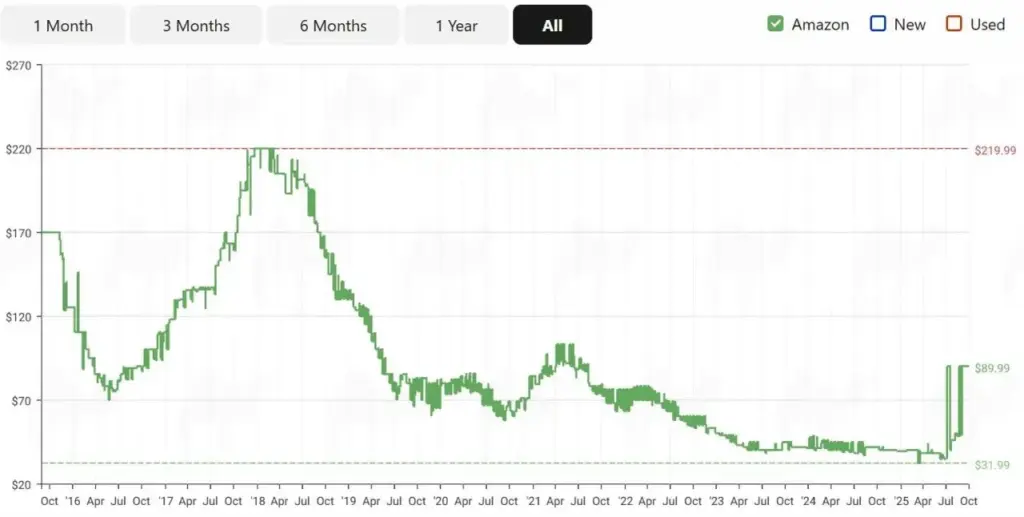
The anticipated RAM price increase in 2026 could significantly impact consumers’ wallets, making everything from smartphones to PCs costlier than ever before. Once a budget-friendly component, the price of RAM has skyrocketed by more than double since late 2025, largely due to the increasing demands of data centers fueled by advancements in AI technology. This surge in demand for computer memory translates into heightened costs that are likely to trickle down to consumers, adjusting the landscape of 2026 electronics costs drastically. With expectations of rising prices, tech enthusiasts may have to prepare for a tougher battle between performance requirements and budget constraints. Overall, the combination of a smartphone price rise and ongoing PC pricing trends is set to create a challenging environment for gadget lovers in the near future.
As we approach 2026, the escalating prices of random access memory (RAM) are poised to influence a wide array of electronic devices. Previously viewed as an affordable element in technology, the rapid increase in RAM prices has raised concerns among consumers and manufacturers alike. This situation reflects a broader trend in electronics pricing, compounded by strong demand for AI-related technology, which has placed additional pressure on computer memory prices. The implications for both mobile and personal computing devices are profound, forcing individuals to reconsider their purchasing decisions amidst a landscape marked by heightened costs. In essence, the ramifications of the shifting market for electronics could redefine consumer choices, with implications extending across various sectors.
The Impact of RAM Price Increase in 2026
In 2026, the escalating cost of RAM is set to significantly affect the pricing of various electronic devices, highlighting a critical trend in the tech market. As RAM prices have surged, manufacturers face a tough decision: to absorb these costs or pass them on to consumers. The impact is evident across numerous sectors including smartphones, PCs, and medical devices. For consumers, this translates into higher prices for the same level of technology and performance, potentially reshaping how we approach our electronic purchases.
Notably, RAM’s role as a cornerstone of computing means this price increase isn’t just a microeconomic issue; it’s a systemic one. As the cost rises, it may inhibit advancements in technology that rely heavily on high-quality memory. Moreover, consumers’ reactions to these price changes could drive market trends, as many might opt for older models or lower-spec devices. The increasing costs associated with RAM could therefore have rippling effects on overall consumer behavior and market dynamics in 2026.
Understanding the Role of AI in Driving RAM Prices
Artificial Intelligence (AI) has been identified as a principal driver of the current spike in RAM prices. The increasing demand for specialized memory required for advanced AI applications has led manufacturers to push prices higher, affecting the overall cost of computing devices. As companies like Amazon and Google plan their memory needs for the next few years, the pressure on RAM inventory continues to escalate, leading to shortages and further price hikes in 2026.
The ramifications of this AI-driven demand extend beyond just pricing. Manufacturers who once catered to broader consumer electronics markets now prioritize contracts with tech giants focused on AI development, effectively squeezing out regular consumers. As a result, average users may find that their access to affordable, high-performance electronics diminishes. This shift emphasizes the connecting thread between cutting-edge technology and the increasingly accessible market, forcing consumers to reassess their purchasing strategies.
The Ripple Effect of PC Pricing Trends
The increase in RAM prices is not an isolated event; it’s part of a broader trend affecting PC pricing structures. With memory accounting for a larger percentage of overall manufacturing costs, companies must react accordingly, often increasing the prices of their devices. This situation escalates the discussion regarding the future of personal computing as technology becomes pricier and less accessible to the average consumer.
Furthermore, as manufacturers adjust to these new costs, consumers must consider whether they are willing to pay more for premium devices. There’s a significant chance that the market will lean towards budget-friendly options, driving down innovation in higher-end systems. The balance between supplier capabilities and consumer affordability reveals a complex interplay, underscoring the importance of understanding both current market dynamics and projected trends in computing technology.
Analyzing Smartphone Price Rise Post-RAM Increase
The rise in RAM prices will undoubtedly contribute to the anticipated hike in smartphone costs in 2026. As smartphones increasingly rely on high-performance memory to run complex applications smoothly, the cascading effects of rising RAM costs will limit manufacturers’ ability to maintain current pricing levels. The consumer market will likely witness an increase in average smartphone prices, forcing users to reconsider their budgets.
Moreover, the extent of this price rise could vary among brands, where premium devices could see tenser purchasing decisions from tech-savvy customers. Given the ubiquity of smartphones in everyday life, any drastic price increase could spur shifts in consumer tactics—potentially leading to a rise in demand for refurbished or older models as individuals prioritize affordability in their tech purchases.
Strategic Implications for Electronics Manufacturers
Electronics manufacturers face strategic challenges in light of rising RAM costs. As they anticipate significant increases in production costs, organizations must confront their pricing strategies and determine how to position themselves amid supply chain disruptions. With major players choosing to focus on AI product lines, smaller manufacturers may need to innovate rapidly to capture market share or risk becoming irrelevant.
Additionally, sustaining consumer interest amid rising prices requires more than just adjusting product offerings. Manufacturers must proactively communicate the value of their devices to justify potential price hikes, emphasizing performance, quality, and long-term benefits. By fostering brand loyalty and engaging transparently with consumers regarding the reasons for price increases, firms can mitigate the adverse impacts of the RAM price surge on their sales.
Consumer Decisions in the Face of Rising Costs
Consumers will face critical dilemmas as the electronics market adapts to rising costs, particularly related to RAM prices. With increased manufacturing costs being passed to customers, individuals may need to carefully evaluate the necessity of their purchases. For some, investing in high-performance devices will remain a priority, while others may be compelled to compromise for budget options.
The decision-making process will not just be about price; it includes performance expectations and longevity. With many everyday tasks requiring decent computing power, consumers may find themselves weighing the cost of current devices against their future needs. As trends shift and consumers adapt, brands that successfully deliver value without substantial price increases are likely to emerge as market leaders.
Future Trends in RAM Supply and Demand
Looking ahead, the dynamic between RAM supply and demand will be critical to understanding device pricing trends through 2026 and beyond. As companies mobilize resources to meet the burgeoning demands of AI and cloud computing, the traditional consumer device segments may suffer. This strained relationship between supply and demand could lead to more volatile pricing, creating uncertainty in the market.
Suppliers focusing on building robust inventory may create a temporary buffer against price spikes; however, as many traditional RAM manufacturers pivot towards AI, regular consumers may find themselves with limited options. This landscape reflects a broader shift in consumer technology market dynamics, highlighting the need for ongoing adaptation by manufacturers while also preparing consumers for potential economic changes.
Market Adjustments: The Role of Inventory and Production Strategies
As RAM prices continue to surge, inventory and production strategies become paramount for manufacturers navigating this volatile landscape. Companies that can effectively manage their supply chains and forecast demand can potentially mitigate the consequences of increasing costs. Those with strategic foresight may opt to build larger inventories or explore alternative suppliers, but such moves require careful consideration given the current market’s unpredictability.
Additionally, manufacturers who rely heavily on just-in-time production models might see significant drawbacks as supply constraints hinder their ability to produce cost-effective devices. A deep understanding of production capabilities will define competitiveness in the electronics sector, and only those who adapt quickly can hope to thrive amidst this challenging environment shaped by rising RAM prices.
Preparing for the Uncertainty Ahead in Technology Pricing
As we approach 2026, uncertainty looms over technology pricing due to the significant increases in RAM costs. Consumers, manufacturers, and investors alike must prepare for an environment where prices are likely to stay high amid ongoing supply challenges. This unpredictability calls for both caution and strategic adjustments in how technology is acquired, produced, and valued.
In light of these potential changes, consumers may need to reconsider their tech buying habits, opting for durability and performance over immediate gratification. Moreover, manufacturers that can pivot and adapt to the fluctuating market dynamics will likely emerge with competitive advantages, navigating the storm of rising RAM prices while maintaining consumer trust and demand.
Frequently Asked Questions
What factors are contributing to the RAM price increase in 2026?
The RAM price increase in 2026 is primarily driven by the explosive growth in demand for AI technologies and data centers, which require vast amounts of computer memory. This increased demand has led to significant shortages and consequently higher prices for RAM.
How will the RAM price increase in 2026 affect smartphone costs?
As RAM prices continue to rise in 2026, smartphone manufacturers may face higher production costs, potentially increasing smartphone prices. Analysts suggest that a typical smartphone could see assembly costs rise by around $30, which will likely be passed on to consumers.
Will PC pricing trends be affected by the RAM price increase in 2026?
Yes, PC pricing trends will be significantly impacted by the RAM price increase in 2026. With memory costs rising substantially, the overall manufacturing costs for PCs are expected to increase, leading to higher retail prices for consumers.
What is the expected impact of the RAM price increase on computer memory prices in 2026?
Computer memory prices are predicted to experience increases due to the RAM price hike in 2026, with costs for memory components potentially rising by 30 to 40 percent of a device’s total price, thus affecting both PCs and laptops.
Is AI influencing the RAM price increase in 2026?
Absolutely, AI is the main factor influencing the RAM price increase in 2026. The demand for high-performance memory to support AI applications is driving prices higher as suppliers attempt to meet the needs of data centers and tech giants.
What should consumers expect regarding the price rise of devices in 2026 due to RAM costs?
Consumers should expect a notable price rise in various electronic devices in 2026, including PCs and smartphones, as manufacturers are likely to pass on increased RAM costs to customers, forcing many to reconsider their purchasing options.
How long will the effects of RAM price increases last into 2026?
Experts predict that the effects of RAM price increases will persist well into 2026 and possibly into 2027, making the electronic market challenging due to sustained higher pricing and potential supply shortages.
What alternatives do consumers have in light of the RAM price increase in 2026?
In light of the RAM price increase in 2026, consumers may have to consider either investing in higher-priced, more capable devices or opting to use older technology longer while waiting for market conditions to stabilize.
What are manufacturers doing in response to the RAM price increase in 2026?
Manufacturers are facing difficult decisions due to RAM price increases, with some considering absorbing costs to retain market share, while others may be forced to raise prices to maintain profitability, especially in sectors heavily reliant on memory.
| Aspect | Details |
|---|---|
| Price Increase Source | RAM prices have doubled since October 2025, affecting costs of various devices. |
| Impact on Manufacturers | Manufacturers may absorb small cost increases, but larger increases will be passed to consumers. |
| Consumer Impact | Typical costs for laptops and smartphones expected to rise by $40-$50 and $30 respectively. |
| AI Influence | Demand for RAM has surged due to AI, significantly affecting prices. |
| Future Outlook | Challenges in pricing and supply are expected to persist into 2027, compelling consumers to either pay more or opt for lower performance devices. |
Summary
The RAM price increase in 2026 will significantly affect consumers, as it is leading to rising costs for various devices, including smartphones and laptops. With RAM prices more than doubling, manufacturers face pressure to pass these costs onto buyers, making devices pricier. As demand, particularly from AI sectors, continues to outpace supply, consumers may need to grapple with the tough choice of either paying higher prices or settling for less capable technology.