
Listen to this article
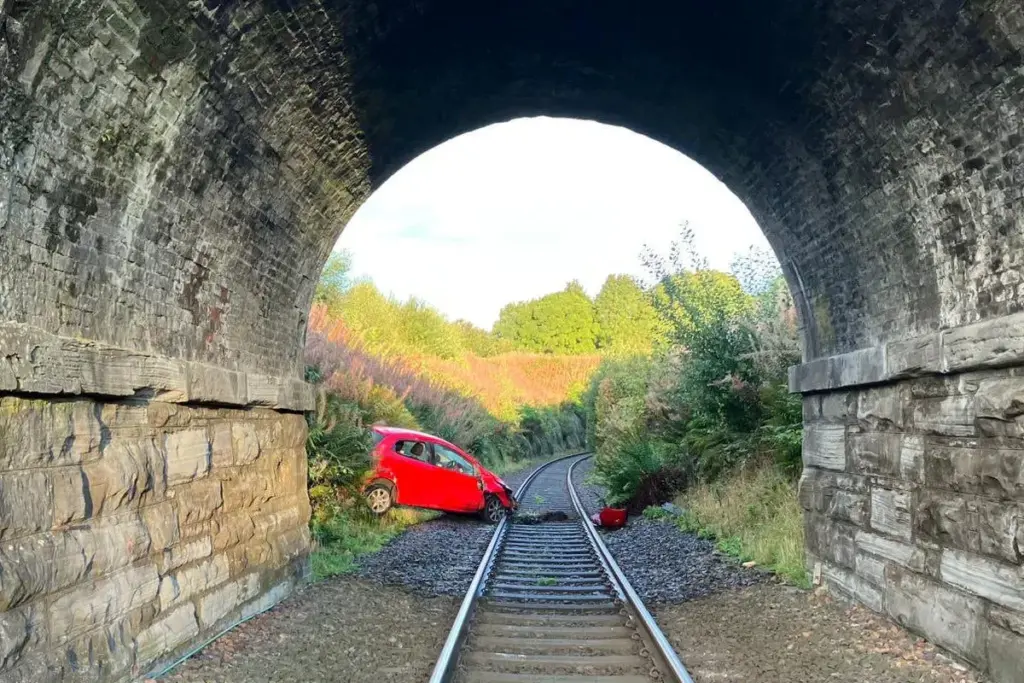
Rail disruption has become a pressing concern in the British rail system following a serious train derailment early this morning near Selhurst station. Passengers utilizing services from Govia Thameslink Railway, including Thameslink and Southern, are facing significant delays and cancellations across several routes. The derailment, coupled with a signal failure that occurred at London Blackfriars, has exacerbated the situation, particularly affecting Thameslink delays on crucial lines between Bedford and Brighton. As the incident blocks access to the depot, many trains have been unable to depart, creating a ripple effect throughout London rail services. Authorities are urging commuters to avoid non-essential travel while they work to resolve these disruptions swiftly.
The recent incident has led to significant interruptions in train operations, highlighting the vulnerabilities within the rail network. Following a train accident at Selhurst, many services, including those operated by Govia Thameslink Railway and Southern, are experiencing severe service interruptions. With critical lines affected, commuters on various routes face ongoing challenges in their travel plans. Notably, operations related to Gatwick and Luton Airport have also been impacted, necessitating alternate travel arrangements. The ongoing situation highlights the critical importance of effective communication and timely restoration efforts in maintaining the reliability of the UK’s rail infrastructure.
Understanding the Impact of Rail Disruption
Rail disruption can have profound consequences on daily commuters and travelers alike. When an incident such as a train derailment occurs, it disrupts not just a single service but often cascades into delays across various routes, significantly affecting entire networks. This is particularly evident in the current situation involving Southern, Thameslink, and Gatwick Express services, where journeys have been severely impacted due to a train derailment near Selhurst station and a simultaneous signal failure.
The effects of these incidents extend beyond immediate delays; they can lead to increased frustration for passengers, particularly those who rely on public transport for work or essential appointments. With delays reported on routes from Bedford to Brighton and major hubs like London Bridge experiencing disruptions, understanding the broader implications of rail disruption is crucial. Passengers may find themselves caught in a web of last-minute schedule changes and unexpected delays, highlighting the importance of real-time communication from rail operators.
Govia Thameslink Railway’s Response to the Incident
Govia Thameslink Railway (GTR) has issued an apology for the disruption caused by the recent train derailment and follows with a clear effort to manage the situation effectively. The company has been prompt in communicating updates through their website and social media platforms, a vital move in maintaining passenger trust amid operational chaos. By advising customers of the expected delays and cancellations, including extended travel times for journeys to Gatwick and Luton Airports, GTR aims to mitigate the impact on traveler plans as effectively as possible.
In the face of this significant rail disruption, GTR’s collaboration with Network Rail is essential. This partnership is focused on restoring normalcy within the affected networks. The fact that the derailment blocked the depot and a signaling fault limited operational capacity has necessitated resourceful strategies for recovery. Ensuring safety while managing schedule recovery is indeed a complex task that involves multiple stakeholders in the British rail system.
Travel Tips During Rail Disruption
While rail disruptions can be frustrating, there are several travel tips that commuters can follow to navigate the situation more smoothly. First and foremost, passengers should always check the latest updates on their train service status through GTR’s official channels. Staying informed can help individuals plan alternative routes or prepare for unexpected delays. Additionally, when a “do not travel” alert is issued, travelers are advised to explore other transportation options such as buses or rideshares to minimize disruption.
Furthermore, if traveling during peak hours, it’s essential to allow for extra time. In the current scenario, with delays on major lines including from Epsom to East Croydon and ongoing issues with London Overground services, passengers are advised to plan ahead. Understanding the potential for train cancellations can help in reserving extra time in their schedules. Engaging with travel delay compensation policies may also lessen frustration when plans change, ensuring that travelers are adequately prepared in light of significant rail disruption.
The Importance of Safety in Railway Operations
Safety is paramount in railway operations, making it crucial to prioritize protocol in the aftermath of incidents like the recent derailment. The Transport Salaried Staffs’ Association (TSSA) emphasizes a culture of safety on the railways, which not only protects passengers but also railway employees. Following the derailment at Selhurst, as well as a significant signaling failure, safety assessments and protocols become even more critical to avoid future incidents and enhance overall service reliability.
The dedication to safety by network employees, as highlighted by TSSA general secretary Maryam Eslamdoust, reinforces the notion that maintaining high safety standards is an ongoing responsibility. Each incident presents an opportunity for railway operators to review and revise their safety protocols, ensuring that the British rail system can provide safe and reliable services to passengers. Ultimately, fostering a safe operating environment is beneficial for all users and enhances the integrity of the rail system as a whole.
Consequences of Delays on Passenger Experience
Delays have a significant emotional and logistical impact on passenger experiences. The frustration of waiting in limbo, uncertain about arrival times, can lead to heightened stress levels among commuters, particularly those connecting to other networks or time-sensitive appointments. With the rail disruption currently affecting services on Thameslink and Southern, understanding the repercussions of these delays on daily routines becomes essential.
Beyond immediate frustration, consistent rail delays can discourage future usage of the networks. If passengers habitually encounter disruption without effective resolutions, they may seek more reliable transport methods. Thus, it becomes vital for GTR and other operators to not only address current issues swiftly but also implement long-term strategies to improve the frequency and reliability of services across the British rail system.
Communications Strategy During Rail Disruption
Effective communication during rail disruptions is vital in preserving passenger trust. GTR, recognizing the heightened anxiety caused by travel interruptions, has taken significant steps to communicate directly with its passengers. By actively updating the public through social media and their website, GTR helps mitigate confusion surrounding service availability and anticipated delays. Such transparency is crucial, especially in times of widespread disruption when many travelers depend on prompt and accurate information.
Furthermore, the implementation of a clear communications strategy, including the issuance of travel alerts like the “do not travel” advisory, is crucial in managing demand during peak disruption periods. By providing clear guidance, GTR not only informs passengers but also takes responsible action to alleviate stress on the network, ensuring that disruption does not spiral even further. This proactive approach is essential in re-establishing confidence in the transportation system.
Role of Alternative Transport Solutions
In light of significant rail disruption, exploring alternative transport solutions can offer vital relief for affected passengers. For those impacted by the ongoing delays on Thameslink and Southern services due to train derailments, the emergence of alternative transport options such as buses or taxis becomes increasingly important. Many operators encourage passengers to consider routes that may not be directly affected by disruptions, reassuring them that travel can continue with some adjustments.
Additionally, bicycle rentals and ride-sharing applications have risen in popularity as effective alternatives during such incidents. The support for alternatives can altogether alleviate the burden placed on disrupted rail services, allowing potential traffic flow and ease of movement. Understanding the value of these solutions not only helps commuters navigate disruption but also emphasizes the need for integrated transport systems within the British rail network.
The Importance of Prompt Incident Resolution
The urgency associated with resolving rail incidents is underscored during moments of major disruptions. After the train derailment at Selhurst Depot, GTR quickly mobilized resources to assess and rectify the situation alongside Network Rail. Efficient incident management ensures that services can return to normal operations as swiftly as possible, minimizing the knock-on effects felt across affected routes.
An inefficient response can lead to prolonged disruptions and even greater passenger dissatisfaction. Thus, investing in quick response teams and appropriate technology for monitoring and addressing incidents in real-time could significantly improve operational resilience. In a competitive transportation market, expedited resolutions are essential for maintaining passenger loyalty and confidence in the railway system.
Future Improvements in Rail Infrastructure
As rail systems across the UK are analyzed for weaknesses highlighted by disruptions such as the derailment, a focus on long-term improvements becomes vital. Infrastructure upgrades, from signaling systems to track maintenance, could bolster overall reliability and reduce the frequency of such incidents. Efforts like these not only enhance the safety protocols on-board but also improve the resilience of the rail network to adverse conditions.
Investment in advanced technologies and regular system audits can significantly address the issue of delays and disruptions. By learning from past incidents, operators like GTR can develop strategic plans to modernize their infrastructure in alignment with future transportation needs. Improving the British rail system’s robustness serves all stakeholders—from operators to passengers—ensuring that train journeys can be both safe and timely.
Frequently Asked Questions
What should I do in case of severe rail disruption caused by a train derailment?
During severe rail disruption, especially after a train derailment, it is advisable to check the latest travel updates on the official Govia Thameslink Railway (GTR) website or their social media accounts. If a ‘do not travel’ alert is issued, plan to postpone your journey if possible to avoid crowds and delays.
How does train derailment affect Thameslink delays?
Train derailments directly impact Thameslink delays by blocking tracks and disrupting service schedules. For instance, the recent derailment near Selhurst station has caused significant delays and cancellations on lines including Bedford to Brighton, affecting many travelers.
Why are London rail services experiencing disruption?
London rail services are facing disruption due to a combination of a train derailment and a signal failure. These issues reduce the number of available train lines and result in delays, requiring trains to operate at slower speeds, affecting services like Southeastern, Thameslink, and the Gatwick Express.
What steps is Govia Thameslink Railway taking to manage rail disruption?
Govia Thameslink Railway (GTR) is actively working with Network Rail to resolve the disruptions caused by the recent derailment and signal faults. They have issued ‘do not travel’ alerts to encourage passengers to avoid the network if possible and are providing updates on service conditions.
What routes are affected by the recent train derailment in southeast London?
The recent train derailment has severely disrupted rail services on multiple routes including Thameslink’s Bedford to Brighton line and Southern services between Epsom and East Croydon. Passengers should check service status before traveling on affected routes.
Are there alternative routes available during rail disruptions?
Yes, during rail disruptions such as those caused by derailments, passengers with affected tickets may use them on specific alternative routes. Check with Govia Thameslink Railway (GTR) for details on valid alternative services.
How long is the expected disruption due to the train derailment?
The disruption caused by the train derailment near Selhurst is expected to continue throughout the day, often extending into the evening. Travelers should keep updated with real-time information from GTR and National Rail.
Can I travel to Gatwick Airport during the rail disruption?
If you plan to travel to Gatwick Airport during the current rail disruption, be prepared for significant delays. It is recommended to allow at least an extra hour for your journey, as many services are affected.
What should I know about ticket usage during rail disruption?
During rail disruptions, passengers can typically use their tickets on alternative routes that are specified by relevant train operators. Always verify with Govia Thameslink Railway (GTR) for guidance on where you can travel.
What caused the severe rail disruption reported recently?
The severe rail disruption was primarily caused by a train derailment at Selhurst depot coupled with a signaling failure affecting trains between Norwood Junction and London Bridge, leading to widespread delays and cancellations.
| Key Point | Details |
|---|---|
| Derailment Incident | A train derailed outside a depot near Selhurst station, causing significant disruption. |
| Affected Services | Southern, Thameslink, and Gatwick Express services are experiencing delays and cancellations. |
| Specific Routes Impacted | Delays on Thameslink’s Bedford to Brighton line and Stevenage to Brighton line, with some trains not stopping at London Bridge. |
| Travel Advisory | A “do not travel” alert was issued; passengers are advised to avoid the network if possible. |
| Signal Failure | A signaling fault between Norwood Junction and London Bridge is further complicating travel. |
| GTR’s Response | Govia Thameslink Railway (GTR) is working with Network Rail to resolve the issues. |
| Customer Service | GTR has apologized for the disruption and is offering updates through their website and social media. |
| Independent Union’s Statement | The Transport Salaried Staffs’ Association (TSSA) called for a full explanation regarding the disruption. |
Summary
Rail disruption has been significantly impacted by a recent derailment, leading to widespread delays and service cancellations across several major train lines. As rail operators work to resolve the complications caused by this incident and a concurrent signal failure, passengers are urged to exercise caution and check for updates to minimize travel inconveniences.