Listen to this article
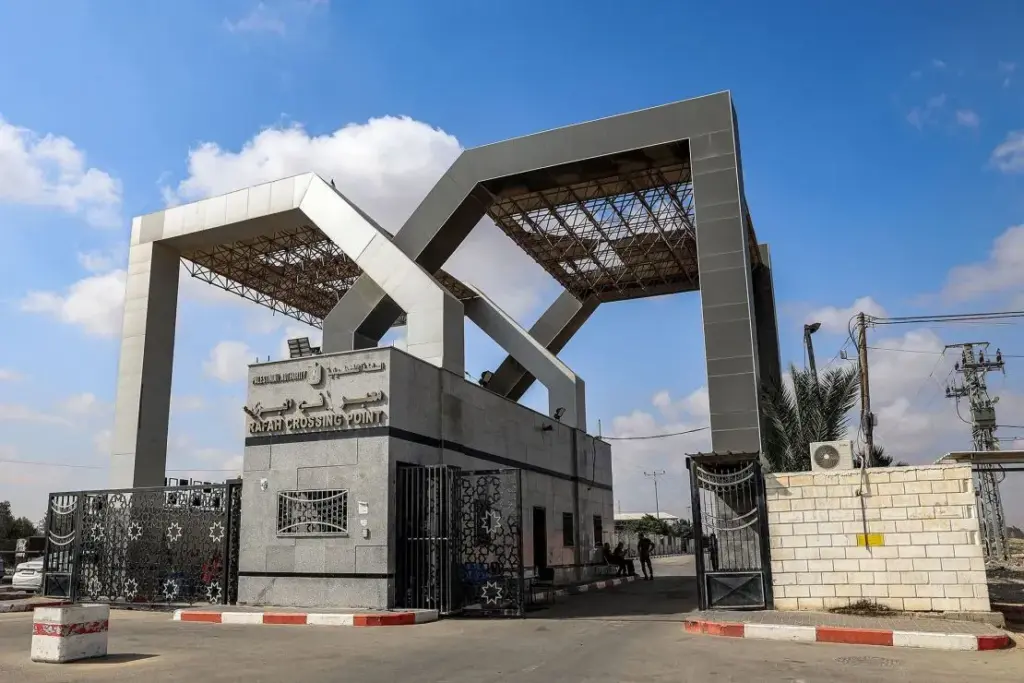
The Rafah border crossing, the only gateway for Palestinians between the Gaza Strip and Egypt, has recently reopened after a long closure that began in May 2024. This strategic crossing is not just a conduit for movement; it represents a vital lifeline for many Palestinian refugees seeking essential humanitarian aid and medical care. Following the tumultuous events leading to the Israel Hamas ceasefire, the reopening is a glimmer of hope, albeit limited, for those desperately waiting for assistance. Reports indicate that only a select number of patients and their families will be allowed to cross daily, highlighting the ongoing challenges in accessing necessary aid while the fighting continues. As international oversight is established at this crucial border, the fate of many rests on its ability to facilitate safe passage for those in need, underscoring the humanitarian crisis at the Egypt Gaza border.
Referred to as a critical transit point, the Rafah crossing serves as a pivotal junction for the flow of people and aid between Gaza and Egypt. With the backdrop of ongoing conflict and a fragile peace, this entry point represents hope for countless individuals longing for a chance to escape the dire conditions. Many displaced individuals, particularly those in urgent need of medical assistance, rely heavily on the reopening of this crossing, which symbolizes more than just a physical passage, but a bridge to recovery and safety. As the situation unfolds, the terms of movement at this border crossing remain a focal point in discussions around the Israel-Gaza situation, affecting the humanitarian landscape. The limited but vital operations at this crossing illustrate the intricate web of geopolitics and human desperation intertwined at this border.
The Significance of the Rafah Border Crossing for Palestinians
The Rafah border crossing serves as a critical lifeline for Palestinians, particularly those suffering from health issues or humanitarian crises. With its recent reopening after being largely inactive since May 2024, this crossing between the Gaza Strip and Egypt represents hope for many. Reports from local officials indicate that approximately 20,000 sick and injured individuals are currently awaiting crucial medical treatment outside of Gaza. This crossing is seen not just as a gateway for travel but as a vital means to access necessary healthcare and humanitarian assistance.
Historically, the Rafah border crossing has been the primary exit point for Palestinians seeking to leave Gaza during times of conflict. Its importance cannot be understated, especially during periods of intensified military action, such as the recent conflict between Israel and Hamas. The reopening has been met with cautious optimism among the population as it allows some movement in both directions, enabling a limited number of patients and their families to access medical facilities, thereby alleviating some of the severe humanitarian needs that have burdened the region.
Humanitarian Aid and the Role of the Rafah Border Crossing
As the Rafah crossing reopens, one urgent topic is the need for humanitarian aid to flow into the Gaza Strip. The conditions on the ground have drastically deteriorated, with reports indicating significant food shortages and limited access to medical care. Although some aid is entering through the Kerem Shalom crossing, many Gazans believe that a more direct route through Rafah would expedite the delivery of critical supplies and support. However, the complexities of political negotiations often hinder timely assistance, leading to frustration among those in desperate need.
Aid organizations have expressed the need for a consistent mechanism to facilitate the flow of humanitarian resources through the Rafah crossing. With over 30,000 Gazans awaiting permission to return, the urgency to create a reliable path for aid is paramount. The European Union’s involvement in overseeing operations during the reopening underscores the international community’s role in ensuring that humanitarian aid effectively reaches those who require it the most. Without this support, the situation in Gaza remains tenuous, highlighting the pressing need for ongoing dialogue and peace efforts.
Israel and Hamas: The Impact of the Ceasefire on Rafah Border Crossing
The recent U.S.-backed ceasefire between Israel and Hamas has direct implications for the operations at the Rafah border crossing. The ceasefire paves the way for humanitarian access and return of Palestinian refugees, facilitating some limited movements of people and goods. The conditions of the ceasefire also stipulate scrutiny over how these movements will be managed. While Israel’s military controls much of the logistics, the role of international bodies will be vital in ensuring compliance with humanitarian standards.
The reopening of the Rafah crossing, coinciding with the ceasefire, serves as a crucial component in the wider humanitarian response to the ongoing conflict. As reports emerged of the remains of hostages being returned, the hold on the crossing was finally lifted, allowing for some relief to those in Gaza. However, the delicate balance between security concerns and humanitarian needs continues to shape the discourse around the crossings. Authorities on both sides are grappling with the need for humanitarian openness while maintaining security protocols, a challenge that underscores the complexity of the Israel-Hamas conflict.
The Role of the Egypt-Gaza Border in Facilitating Movement
The Egypt-Gaza border is a pivotal point in understanding the movement of Palestinian refugees and the overall humanitarian situation. The recent efforts by the Egyptian government to facilitate the movement of individuals through the Rafah crossing signal a willingness to engage with this long-standing humanitarian crisis. With Egyptian intelligence reportedly involved in managing crossing operations, the Egyptian government appears committed to alleviating some of the pressures faced by those in Gaza.
Despite the reopening, the border remains a heavily monitored environment. Egyptian authorities have stipulated that movement is permitted only under specific conditions, ensuring that the safety and security of its borders are preserved. The complex relationship between Egypt and the Palestinian territories means that while some individuals may find hope in the reopening of Rafah, many others still face significant barriers to travel. Ensuring a systematic approach to manage crossings efficiently is crucial as it will impact the ongoing humanitarian needs and regional stability.
Patient Transport and Healthcare Access through Rafah Crossing
Transporting patients through the Rafah crossing is part of a larger strategy to address healthcare access in a region where medical facilities have been overwhelmed. The World Health Organization (WHO) has taken steps to ensure safe transit for patients suffering from critical illnesses by utilizing designated routes to transport them from areas controlled by Hamas to the Rafah crossing. This operation aims to provide timely medical care to those in dire need and alleviate some of the pressures on local hospitals.
However, logistical challenges remain, with new protocols needing to be established for efficient patient transfers. As patients are escorted via buses to the crossing, the scrutiny involved has increased, given the ongoing security concerns. Each individual crossing the border must navigate a complex web of regulations and requirements, which are necessary but can hinder rapid access to needed medical care. The wellbeing of patients like Sabrine al-Da’ma and her daughter serves as a poignant reminder of the urgency for better healthcare access and the necessity for operational reforms at major crossings like Rafah.
Community Perspectives on the Rafah Crossing Reopening
The reopening of the Rafah crossing brought mixed reactions from the Gazan community. For many, it symbolizes a glimmer of hope amid ongoing hardship, reflecting the potential for families to reconnect and access essential services. Stories from local residents emphasize a deep yearning for normalcy and the chance for better opportunities, with many expressing their frustrations over the restrictive nature of crossing protocols. Anecdotes from individuals like Sabrine al-Da’ma illustrate the emotional weight behind these crossings, as families prioritize health and support amid a backdrop of conflict.
Conversely, skepticism lingers regarding how sustainable these openings will be, especially given the prior history of closures and delays. Local sentiment often grapples with the psychological toll of uncertainty, leading many to question how long this brief window of opportunity might last. Community leaders urge continued international attention and assistance to ensure the crossing remains a viable route for both humanitarian aid and the movement of Palestinian refugees, underscoring the necessity for consistent and reliable access.
Historical Context of the Rafah Border Crossing
Understanding the historical context of the Rafah border crossing sheds light on its current significance. Since its establishment, Rafah has been a focal point for geopolitical tensions and humanitarian concerns, acting as the primary gateway for Palestinians wishing to travel outside the Gaza Strip. Historically, the crossing was regularly used for both entry and exit by Gazans, including those seeking medical treatment, education, and family reunification, making it integral to the broader story of Palestinian mobility.
Over the years, several conflicts have seen the Rafah crossing subjected to varying levels of closure, leading to significant disruptions in the daily lives of Gazans. It played a critical role during periods of relative calm but often fell victim to the wider geopolitical struggles between Israel, Hamas, and Egypt. This historical backdrop emphasizes the urgent need for stable governance and cooperative agreements to ensure that the crossing remains a source of hope, rather than despair, for the Palestinian population.
The International Response to the Rafah Crossing Reopening
The reopening of the Rafah border crossing has drawn attention from international organizations and governments keen to provide humanitarian support. The ongoing involvement of the European Union demonstrates a commitment to fostering peace and stability in the region while addressing immediate humanitarian needs. This response highlights a concerted international effort to stabilize the situation and ameliorate the challenging conditions facing Palestinians, particularly in light of the renewed conflict.
Aid agencies and non-governmental organizations are also mobilizing resources to support the logistical challenges involved in crossings and the distribution of humanitarian aid once it enters Gaza. Nonetheless, the effectiveness of international efforts often hinges on cooperation among regional powers. Establishing a steady flow of aid through the Rafah crossing, governed by a transparent and fair approach, can lead to significant improvements in the overall humanitarian situation and restore a sense of dignity and normalcy for the Gazan people.
Challenges Ahead for Residents Utilizing the Rafah Crossing
Despite the hopeful reopening of the Rafah crossing, residents face numerous challenges in navigating the new crossing conditions. The limited number of daily crossings for medical patients, combined with stringent security measures, can lead to frustration and delays. Many families are left anxiously waiting for clearance, underscoring the precarious nature of humanitarian access in the region. For example, the restriction of only 50 patients allowed to leave daily means that many urgent medical cases may not receive the timely attention they require.
Moreover, the prohibition of goods entering through Rafah complicates the situation further. This restriction hampers the ability of residents to procure necessary supplies, exacerbating the already dire living conditions. Local leaders are advocating for a broader opening of the Rafah crossing to ensure that essential goods can also flow into the Gaza Strip. Without addressing these systemic challenges, the potential benefits of the crossing’s reopening risk being overshadowed by logistical and bureaucratic hurdles.
Frequently Asked Questions
What is the status of the Rafah border crossing between Gaza and Egypt?
The Rafah border crossing has recently reopened for the movement of people between the Gaza Strip and Egypt, following a period of closure since May 2024 due to the Israeli military’s control on the Gazan side. This reopening is part of the measures related to the Israel-Hamas ceasefire.
How does the Rafah border crossing relate to humanitarian aid in Gaza?
Historically, the Rafah border crossing has served as a critical entry point for humanitarian aid into Gaza. While its reopening allows limited movement for individuals, most humanitarian aid currently enters Gaza through Israel’s Kerem Shalom crossing.
Can Palestinian refugees use the Rafah border crossing to return home?
Yes, there are efforts to facilitate the return of Palestinian refugees through the Rafah border crossing, with approximately 30,000 Gazans registered with the Palestinian embassy in Cairo seeking permission to return to Gaza since the crossing opened.
What precautions are taken at the Rafah border crossing?
The Rafah border crossing is being monitored by European Union supervisors alongside local Palestinian staff. Israeli authorities will conduct remote security checks on individuals crossing the border.
How is the Rafah border crossing impacted by the recent Israeli-Hamas ceasefire?
The reopening of the Rafah border crossing is a preliminary step associated with the U.S. President Trump’s ceasefire plan between Israel and Hamas, aimed at easing humanitarian access and facilitating the movement of sick and injured Palestinians.
What difficulties do Palestinians face at the Rafah border crossing?
While the Rafah border crossing reopening is crucial, Palestinians are facing frustrations due to restrictions on the number of individuals allowed to cross each day and a ban on goods, severely limiting movement and access to important humanitarian assistance.
What role does the World Health Organization play at the Rafah border crossing?
The World Health Organization is involved in supervising the transport of patients departing from Gaza for medical treatment, ensuring that those in need can utilize the Rafah border crossing for essential health services.
What are the current restrictions at the Rafah border crossing for Palestinians?
Currently, only 50 patients with medical needs and one or two family members are permitted to exit Gaza through the Rafah border crossing each day, alongside an equal number of individuals returning.
How is the Rafah border crossing related to the Egyptian Gaza border?
The Rafah border crossing is the primary crossing point on the Egyptian Gaza border, allowing individuals to travel between Egypt and the Gaza Strip, playing a significant role in the movement of Palestinians and humanitarian aid.
What is the importance of the Rafah border crossing for families separated due to conflict?
The Rafah border crossing is vital for families separated due to conflict, such as mothers wishing to accompany their sick children for treatment abroad, providing a crucial lifeline for reunification and medical assistance.
| Key Points |
|---|
| The Rafah border crossing between Gaza and Egypt has reopened for movement after being largely closed since May 2024. |
| Israeli forces had control over the Gazan side, delaying reopening until the return of the last Israeli hostage. |
| The reopening aligns with U.S. President Trump’s ceasefire plan initiated in October. |
| Daily exit permits are limited to 50 patients and their family members due to security concerns. |
| The European Union and local Palestinian staff will supervise the crossing. |
| 20,000 sick and injured Palestinians are reported to be waiting for treatment outside Gaza. |
| A Palestinian mother expressed urgency in getting her daughter to receive necessary medical treatment amidst ongoing conditions. |
| The crossing serves as a critical point for humanitarian aid, previously seized by Israeli forces. |
| More than 30,000 Gazans are registered to return to Gaza, pending approval from Egyptian authorities. |
| The current conflict has led to significant loss of life in Gaza, with over 71,790 reported deaths. |
Summary
The Rafah border crossing has reopened, marking a significant moment for Palestinians seeking medical treatment and relief from the dire conditions in Gaza. This crossing is crucial as it connects Gaza with the outside world, providing a lifeline to those in need. With only limited movement allowed and stringent security measures in place, many families remain hopeful yet anxious about their future. The health crisis in Gaza underscores the urgency of this reopening, as thousands await the opportunity to access essential care outside the territories.