Listen to this article
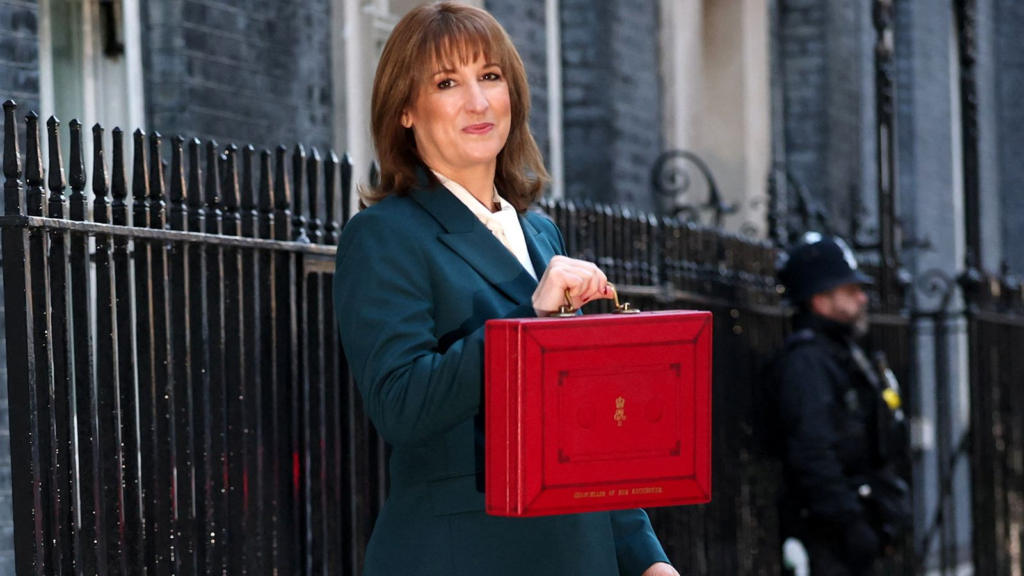
Rachel Reeves’ Budget has sparked significant conversation across the UK, particularly as it introduces noteworthy changes to tax implications heading into 2025. The Chancellor acknowledges that “ordinary people” will feel the pinch of increased taxes, aiming instead to balance the burden so that those with the “broadest shoulders” contribute more. In her Budget analysis, Reeves has also highlighted various cost of living measures designed to alleviate financial pressures on families, such as freezing rail fares and reducing electricity bills. Moreover, the decision to scrap the child benefit cap is projected to reduce child poverty substantially, raising incomes for many affected households. As the government navigates these budgetary changes, the long-term impacts on the nation’s economy and citizens’ financial well-being remain a crucial point of focus, especially regarding income tax changes that could reshape the fiscal landscape.
The latest financial strategy unveiled by Rachel Reeves has ignited a debate over its implications for various income groups across the UK. This new fiscal plan, aimed at addressing pressing economic concerns, particularly tackles the intricate web of tax ramifications set for 2025. With a keen eye on tackling the rising cost of living, the Chancellor has introduced measures that freeze transportation costs and adjust benefit structures to lift working families. Additionally, changes in taxation, including income tax alterations, are crafted to redistribute financial responsibilities more equitably. As conversations deepen regarding the fairness and efficiency of these initiatives, many are keen to assess how they will truly influence individuals and households across the socio-economic spectrum.
Winners and Losers of Rachel Reeves’ Budget
In Rachel Reeves’ Budget, winners and losers are defined by a complex interplay of tax policies and social support measures. The government’s focus on raising taxes on higher earners, such as the implementation of a new high-value council tax surcharge and increased rates on dividend and property income, means that affluent individuals will bear a larger share of the financial burden. This strategy aligns with the Chancellor’s philosophy that those with the ‘broadest shoulders’ should contribute more to the economy, a move that is aimed at redistributing wealth to support lower-income households.
On the other hand, lower-income families stand to gain from the Budget’s cost of living measures, including freezing fuel duties and lowering electricity cost burdens. By scrapping the two-child cap on benefits, it is estimated that around 450,000 children will be lifted out of poverty, a substantial win for struggling families in the UK. However, it’s important to note that these benefits may not reach every low-income household depending on their individual circumstances.
Impact of Tax Changes on Families and Individuals
The recent alterations in UK tax policy, particularly those introduced in Rachel Reeves’ Budget, pose distinct ramifications for various demographics. For example, while many low-income families may find some relief in terms of immediate living costs, higher earners are likely to experience a marked decrease in disposable income due to increased taxation. The Resolution Foundation’s analysis highlights that the most vulnerable groups, like pensioners and those with lower earnings, will emerge with a net positive financial change, benefitting from enhanced support compared to their wealthier counterparts whose tax responsibilities are increasing.
Moreover, the freezing of personal tax thresholds extends taxation to more individuals as inflation drives up wages. This shift risks pushing lower middle-class earners into a higher tax bracket, despite their modest incomes. The implications of these changes necessitate careful consideration, as individuals earning just above the personal allowance threshold may soon find themselves contributing to the tax system, a situation which could be exacerbated by the cost-of-living challenges already at play.
Child Benefit Cap: A Controversial Measure
Rachel Reeves’ decision to abolish the two-child benefit cap marks a significant transformation in the dynamics of child support within the UK. By removing this limitation, the government aims to alleviate child poverty rates and foster financial stability for families with multiple children. Analysts predict that this will lead to a direct increase in foundational support for families, contributing to a reduction in overall socio-economic disparities across different income levels.
However, the cap had previously intended to limit benefits to address concerns regarding welfare spending. Critics argue that scraping the cap might encourage larger families to depend more heavily on taxpayer-funded support. While the primary beneficiaries will be lower-income households, the long-term implications of this policy on public spending and overall efficiency in welfare distribution remain critical areas for scrutiny.
Tax Implications for Higher Income Earners in 2025
The 2025 budget introduces substantial tax implications for individuals in higher income brackets, particularly through increased taxation on properties and dividends. The anticipated £2.1 billion raised through these changes is part of a broader strategy aimed at ensuring socio-economic equity. As wealthier households typically possess greater assets, the impact of these new policies will primarily affect them, reinforcing the notion that the government is committed to a progressive taxation system.
Furthermore, the extension of the freeze on income tax thresholds means that as wages rise with inflation, many earners will inadvertently transition into higher tax brackets. This dynamic means that even those who might not consider themselves wealthy may feel the pinch of these tax adjustments, as the top 10% of earners will see their incomes potentially reducing significantly from increased taxation in the upcoming years.
Effects of Fuel Duty Freezes on Low-Income Households
The freeze on fuel duties introduced in Rachel Reeves’ Budget is a welcome adjustment for many low-income households who are currently facing escalated costs due to inflationary pressures. By maintaining current fuel duty levels, the government aims to offer some relief amidst soaring prices, providing essential support for those reliant on road transport for commuting or essential chores.
This decision is part of a broader strategy to mitigate the cost of living crisis, allowing families to allocate their limited budgets towards necessities other than fuel costs. In a climate where transportation can heavily impact household budgets, maintaining a freeze can help stabilize expenses, particularly for those already stretched thin. However, the long-term sustainability of such measures must be weighed against economic realities and the need for infrastructural investment.
The Resolution Foundation Analysis on Income Changes
The Resolution Foundation’s detailed analysis sheds light on the anticipated financial effects of Rachel Reeves’ Budget, particularly highlighting how income dynamics may shift as a result of the outlined tax changes and welfare modifications. The foundation indicates a clear disparity where lower-income households will experience a positive lift, whereas those in the top 10% could see significant drops in disposable income, indicating a reallocation of resources aimed at addressing inequality.
Their projections suggest that as many as 780,000 more individuals will start paying income tax due to frozen thresholds, creating a broader tax base but disproportionately affecting those whose incomes are not substantially above the current allowance. This trend raises questions about progressive taxation effectiveness, as families earning just above the personal allowance find themselves liable disportionately based on inflation-driven wage growth.
Long-term Projections for Household Disposable Income
Looking forward, the Office for Budget Responsibility projects a concerning stagnation in real household disposable income growth, forecasting that it will only increase by 0.5% annually over the next five years. This projection reflects a broader economic trend that may have significant implications for living standards across the UK, particularly among low-to-middle-income families who are most affected by inflationary pressures and stagnant wages.
This stagnation highlights the necessity for effective policy measures in future budgets to bolster economic growth and support for vulnerable populations. With Rachel Reeves’ current budget only marginally increasing incomes for the lowest earners by a net of £220 to £290 by 2030, there is an urgent need for strategic economic interventions to ensure that living standards improve in tangible ways.
How Will Households Adapt to Budget Changes?
In light of the changes presented in Rachel Reeves’ Budget, households across the UK will be forced to make adjustments to their financial strategies to navigate the evolving economic landscape. For lower-income families, the immediate effects of tax freezes and increased benefits may lead to a short-term sense of security; however, as inflation continues to rise, the medium and long-term effects will require careful budgeting and potentially lifestyle changes.
Higher earners, facing increased tax liabilities and the potential risk of reduced disposable income, may also need to reconsider their financial habits. Wealth management strategies, including diversifying income sources and investing in sustainable opportunities, might become critical, as the changes could reshape the current wealth landscape, necessitating adaptations for both high and low earners alike.
Reactions from Business Owners Regarding the Budget
Business owners have expressed mixed reactions to the recent budget proposals laid out by Chancellor Rachel Reeves. On one hand, the intention to freeze fuel duties and support cost-of-living measures could help sustain small businesses struggling with rising operational costs. Smaller enterprises, particularly in transportation and service industries relying on fuel, may find a reprieve that allows them to absorb some expense increases.
Conversely, the anticipated tax increases on higher-income individuals and estate taxes could create a chilling effect on investment and expansion plans. Many entrepreneurs worry that as disposable incomes decrease for higher earners, consumer spending may decline, ultimately affecting the bottom lines of businesses across the retail sector. Thus, the reception to the Budget remains divided, with optimism and caution intertwined as economic realities unfold.
Frequently Asked Questions
What are the main tax implications of Rachel Reeves’ Budget for 2025?
Rachel Reeves’ Budget has introduced several tax implications for 2025, including increased tax rates on property, savings, and dividend income aimed primarily at higher-income individuals. Additionally, the freeze on personal tax thresholds will lead to more taxpayers being pulled into higher tax brackets as their incomes rise with inflation.
How does Rachel Reeves’ Budget address the cost of living crisis in the UK?
To mitigate the cost of living crisis, Rachel Reeves has implemented measures such as freezing fuel duties, lowering electricity bills, and scrapping the two-child benefit cap. These initiatives are designed to reduce financial pressure on low-income families, particularly those affected by rising costs.
What changes have been made to child benefits in Rachel Reeves’ Budget?
In Rachel Reeves’ Budget, the two-child limit on child benefits has been scrapped, which is projected to significantly reduce relative child poverty by an estimated 450,000 children by the end of the Parliament and raise average incomes by over £5,000 annually for affected families.
Are there new income tax changes introduced in Rachel Reeves’ Budget?
Yes, Rachel Reeves’ Budget has introduced new income tax changes, including increased rates for higher earners and an extension of the freeze on income tax thresholds. This extension means that more individuals will find themselves entering higher tax bands over time.
Who are considered the winners and losers of Rachel Reeves’ Budget?
The winners from Rachel Reeves’ Budget largely include lower-income households who will benefit from measures like the fuel duty freeze and eliminated child benefit cap. In contrast, higher-income households are expected to face increased tax burdens, particularly those with property wealth and those earning from dividends and savings.
How does Rachel Reeves’ Budget affect pensioners and working-age households?
Pensioners are likely to benefit more from Rachel Reeves’ Budget measures than working-age households. For instance, 56% of pensioner households are expected to gain, compared to only 33% of families with children, highlighting a disparity in support across different demographics.
What specific measures in Rachel Reeves’ Budget will impact energy costs?
The Budget includes specific measures such as lowering electricity bills and freezing energy prices, which aim to alleviate the financial burden on families struggling with soaring energy costs due to the current cost of living crisis.
How might the changes in Rachel Reeves’ Budget affect taxpayers in the UK?
Changes in Rachel Reeves’ Budget will likely affect taxpayers through increased income tax rates for higher earners and the potential for more individuals to begin paying income tax due to frozen thresholds. The cumulative effect will mean varying impacts depending on individual income levels and family circumstances.
What economic forecasts accompany Rachel Reeves’ Budget regarding household income growth?
The economic forecasts accompanying Rachel Reeves’ Budget suggest bleak outcomes, with expected average household disposable income growth of only 0.5% annually over the Parliament, marking it as one of the worst periods for income growth in recent history.
| Key Point | Details |
|---|---|
| Tax Increases | Rachel Reeves announced tax increases, impacting individuals with higher incomes more significantly. |
| Support for Families | Measures such as freezing rail fares and scrapping the two-child benefit limit aim to ease living costs. |
| Impact on Different Income Groups | Lower-income households are likely to see a benefit from the measures, contrasting with higher-income households, which may face a tax burden. |
| Pensioner Households | More pensioner households (56%) are expected to benefit from the Budget compared to working-age families (33%). |
| Economic Outlook | Slow economic growth projected at 0.5% annually could impact living standards despite Budget measures. |
Summary
The Rachel Reeves Budget has introduced significant tax increases while attempting to support families facing the rising cost of living. With a mix of measures targeting lower-income households and pressure on higher earners, the Budget aims to tackle economic challenges. However, the projected slow growth of 0.5% annually may hinder the overall benefits intended by these changes, making it essential for households to analyze how they might uniquely be affected.