Listen to this article
Prostate cancer awareness is becoming increasingly crucial as prominent figures like former Prime Minister David Cameron share their personal health battles. Recently, Cameron revealed his treatment for prostate cancer, shining a spotlight on this critical men’s health issue that affects thousands each year. With an estimated 55,000 new diagnoses annually in the UK alone, the importance of prostate cancer screening cannot be overstated. Many men are unaware of their risk factors or the significance of the PSA test, which can help in early detection. By advocating for better awareness, we can encourage more men to take proactive steps, including exploring options such as focal therapy for prostate cancer, to combat this common yet often overlooked illness.
Awareness of prostate malignancy is vital for public health, particularly as discussions gain traction in light of personal testimonies from influential individuals like David Cameron. This form of cancer predominantly affects males, and the rising incidence among older demographics emphasizes the need for effective detection strategies. Men’s wellness considerations require a nuanced approach that includes understanding the implications of prostate cancer screening and the role of the prostate-specific antigen (PSA) test. As awareness grows, the conversation around proactive health measures, such as regular check-ups and targeted therapies, becomes essential. By promoting dialogue and education around focal therapy and other treatment options, we can work toward better health outcomes for men facing this serious challenge.
Understanding Prostate Cancer: A Personal Journey
David Cameron’s recent revelation about his prostate cancer diagnosis underscores the importance of early detection and awareness of men’s health issues. As a former Prime Minister, Cameron’s public acknowledgment serves to highlight the critical need for men to prioritize their health and undergo regular check-ups. The journey began when his wife, Samantha, encouraged him to seek medical advice after being influenced by Nick Jones’s advocacy for prostate cancer awareness. This scenario emphasizes how personal stories can inspire others to take proactive steps in their health management.
Prostate cancer is often hidden behind the veil of societal stigma, particularly in discussions involving men’s health. Many men are reluctant to speak about personal health challenges, leading to delayed diagnoses and treatment. Cameron’s candid account not only sheds light on his experiences with the diagnosis process including the PSA test and subsequent MRI scan but also serves as a vital reminder that discussing these ‘taboo’ topics can save lives. Public figures like Cameron can play a pivotal role in reshaping the conversation around men’s health, nudging others to take their health seriously.
The Importance of PSA Testing for Early Detection
The PSA test is a crucial tool in the early detection of prostate cancer. It measures the level of prostate-specific antigen in the blood, which can be indicative of cancer among other prostate conditions. For men over the age of 50 or those with a family history of prostate cancer, undergoing a PSA test can significantly enhance the chances of catching the disease in its early, more treatable stages. David Cameron’s experience serves as a real-world example of how these tests can provide critical insights into one’s health and prompt timely intervention.
Despite its importance, there has been considerable debate regarding the accuracy and reliability of PSA tests, leading to the absence of a standardized screening program in the UK. Many men remain unaware of their risks, which compounded with misinformation about screening options can lead to adverse health outcomes. Awareness campaigns advocating for the PSA test’s significance are essential, especially in light of the recent clinical trials aimed at refining screening methodologies. Ensuring that high-risk men are encouraged to consult their healthcare providers about testing could potentially save lives.
Prostate Cancer Awareness: A Call to Action
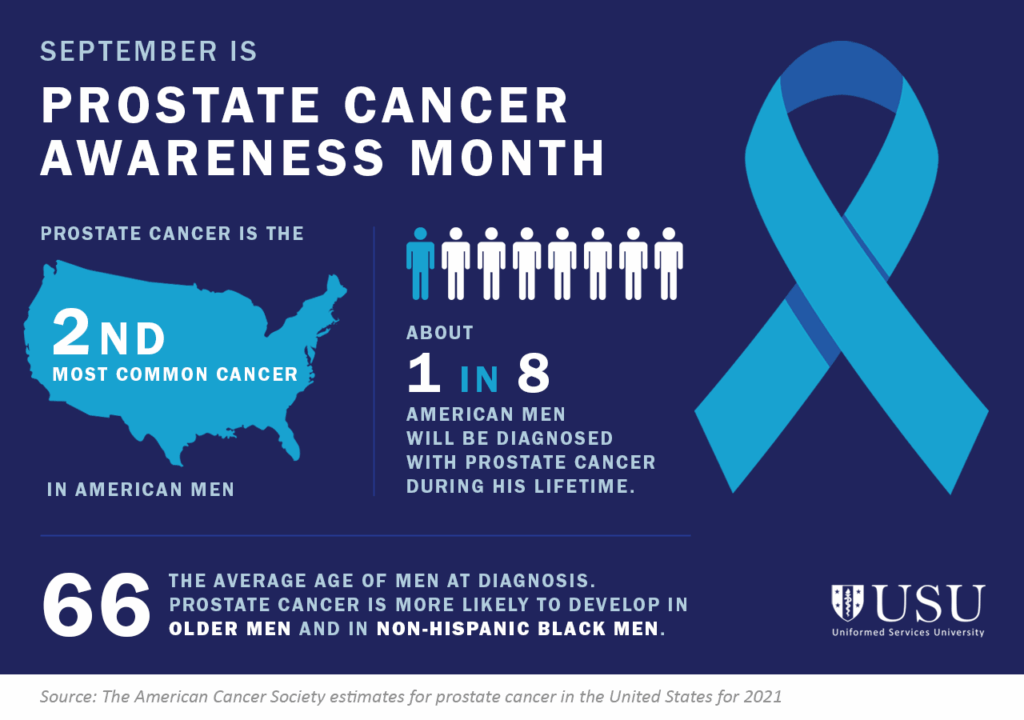
The call for increased prostate cancer awareness is louder than ever, following David Cameron’s revelations and the ongoing efforts by organizations like Prostate Cancer Research. The statistics are staggering, with approximately 55,000 new diagnoses in the UK each year; making it the most commonly diagnosed cancer among men. Awareness is crucial, not only in educating men about the disease but also in advocating for research funding, improved screening methods, and treatment options that cater to diverse demographics, particularly those at higher risk like older men and black men.
This growing awareness seeks to dismantle the barriers that often prevent men from discussing health concerns. There is a clear need for collective action to create supportive atmospheres where men can express their worries about prostate cancer without judgment. By leveraging the influence of public figures and continuing to share personal narratives, we can drive the message home that early detection through awareness and regular health checks can lead to significantly better outcomes.
Navigating Men’s Health Issues: Breaking the Silence
Men’s health issues, particularly prostate cancer, often go undiscussed in our society. David Cameron’s candid discussion about his health experiences highlights an alarming trend: many men are hesitant to address their health challenges due to cultural stigmas and fears of vulnerability. This silence can have dire consequences, as it often leads to late diagnoses and treatment delays, which can affect survival rates. Open dialogues on men’s health, like those sparked by Cameron’s situation, can encourage others to seek help and share their own experiences.
Breaking the silence around men’s health starts with education and awareness. Health professionals and advocates must work together to promote discussions in community settings, workplaces, and even through media platforms. Prostate cancer should no longer be viewed as an uncomfortable subject; rather, it should become part of routine health conversations. Workshops, seminars, and online resources focused on educating men about the risks of prostate cancer and the importance of screening can empower them to take control of their health.
Exploring Focal Therapy for Prostate Cancer Treatment
Focal therapy is becoming an increasingly popular option in prostate cancer treatment, particularly for localized cases. This innovative approach targets only the cancerous tissue in the prostate, minimizing collateral damage to surrounding healthy tissue. David Cameron’s treatment involved focal therapy, which illustrates its growing acceptance and benefits within the medical community. Patients often prefer this less invasive option due to its shorter recovery times and reduced side effects, making it an attractive alternative to traditional treatments such as surgery or radiation.
The advancements in focal therapy techniques, such as using high-intensity focused ultrasound (HIFU) and cryotherapy, continue to evolve as research expands. More studies are needed to establish long-term outcomes; however, early indications show promising results. As awareness around prostate cancer increases, so too should the conversation about emerging treatment options, including focal therapy. Men diagnosed with prostate cancer deserve to be informed about all available treatments so they can make educated decisions regarding their care.
The Role of Advocacy in Prostate Cancer Awareness
Advocacy plays a pivotal role in raising awareness about prostate cancer, urging men to prioritize their health and consider regular screenings. With figures like David Cameron stepping forward to share their experiences, the collective voice of advocacy can lead to significant changes in how prostate cancer is perceived and treated. Campaigns launched by organizations like Prostate Cancer UK focus on educating the public about the risks, encouraging early detection, and demanding policy changes regarding screening programs.
Furthermore, advocacy extends beyond mere awareness; it involves rallying for research funding and better healthcare policies to support men facing prostate cancer diagnoses. Engaging public figures in these discussions amplifies the message, making it more likely to reach demographics that might otherwise overlook the signs and symptoms of prostate cancer. The importance of unity in advocacy cannot be overstated, as every effort made contributes to breaking down barriers and saving lives.
Understanding High-Risk Groups for Prostate Cancer
Certain populations are at a higher risk for developing prostate cancer, necessitating targeted awareness and screening efforts. Men aged 50 and older, particularly those with a family history of prostate cancer or belonging to black ethnic groups, face increased risk. David Cameron’s experience underscores the need to recognize these high-risk groups, ensuring they receive appropriate counseling regarding screening options like the PSA test. Recognizing one’s risk factors can empower individuals to take charge of their health proactively.
By focusing on these demographics, public health campaigns can better allocate resources and tailor messaging to address the unique challenges faced by higher-risk populations. Enhanced outreach strategies may help to engage these groups in discussions about their health and the importance of routine screenings. Making this information accessible can ultimately lead to earlier detection and treatment, improving survival rates and quality of life for those affected by prostate cancer.
Debunking Myths Surrounding Prostate Cancer Screening
Prostate cancer screening is often surrounded by various misconceptions that can deter men from seeking necessary medical attention. Common myths include beliefs that screening is unnecessary or risky, leading many to avoid the PSA test, as well as fears about the implications of a positive result. David Cameron’s spoken commitment to raising awareness about these issues highlights the urgent need to dispel these myths through education. By informing men about what screening entails, including its potential benefits and limitations, they can be empowered to make informed decisions about their health.
Clear communication from health professionals can play a significant role in alleviating these fears and misconceptions. Programs aimed at educating the public on prostate cancer screening can help demystify the process. Engaging community leaders and influencers, like prominent figures in politics and media, to speak on these issues can further amplify the message that screening is not only vital but also a responsible health choice for men, particularly those within at-risk groups.
The Future of Prostate Cancer Research and Screening
As prostate cancer continues to be a prevalent health issue among men, ongoing research is crucial in developing more effective screening methods and treatment options. Current trials in the UK are assessing the efficacy of various screening techniques, including innovative approaches that go beyond the PSA test. David Cameron’s advocacy for increased research funding aligns with a broader understanding that advancements in science and technology can lead to better detection rates and improved patient outcomes.
The future of prostate cancer research also relies on collaboration between scientists, medical professionals, and advocacy groups. By working together, stakeholders can identify gaps in current knowledge and create targeted studies that focus on personalized medicine approaches for prostate cancer treatment. This collaborative effort aims to not only improve screening practices but also to enhance overall care for those diagnosed with prostate cancer, ultimately leading to more hopeful outcomes and potentially lower incidence rates.
Frequently Asked Questions
What prompted David Cameron to raise awareness about prostate cancer awareness?
David Cameron’s recent treatment for prostate cancer has brought attention to prostate cancer awareness. Inspired by a BBC radio interview, his wife urged him to get checked, highlighting the importance of prostate cancer screening and encouraging men to be proactive about their health.
Why is the PSA test important for prostate cancer awareness?
The PSA test is crucial for prostate cancer awareness as it helps in the early detection of the disease. David Cameron underwent a PSA test, which, along with subsequent MRI scans and biopsies, confirmed his diagnosis, showcasing how early screening can lead to timely intervention.
What is the role of focal therapy in prostate cancer treatment?
Focal therapy is an emerging treatment for prostate cancer that targets the cancerous area specifically. As demonstrated by David Cameron, this technique effectively utilizes ultrasound waves to destroy cancer cells, representing a significant advancement in prostate cancer treatment options.
How common is prostate cancer among men and what does it mean for prostate cancer awareness?
Prostate cancer is the most common cancer among males in the UK, with around 55,000 new cases diagnosed annually. This prevalence underscores the necessity for increased prostate cancer awareness and screening, particularly targeting high-risk demographics, such as older men and those of African descent.
What challenges are there in establishing prostate cancer screening programs?
There are ongoing debates regarding the accuracy of PSA tests, which has led to a lack of a formal screening program for prostate cancer in the UK. Increased prostate cancer awareness is essential to advocate for research and trials, like the recent screening trial initiated in the UK.
Why should men prioritize discussing their health issues, particularly prostate cancer awareness?
David Cameron has highlighted that discussing health issues, especially men’s health issues like prostate cancer awareness, is often overlooked. By sharing his experience, he emphasizes the importance of open conversations among men to promote health checks and screenings.
How does the increase in prostate cancer rates affect prostate cancer awareness initiatives?
As prostate cancer rates continue to rise—now more common than breast cancer—it is vital for prostate cancer awareness initiatives to expand, focusing on education, early detection methods, and encouraging men, particularly from high-risk groups, to undergo regular screening.
| Key Point | Details |
|---|---|
| David Cameron’s Diagnosis | David Cameron, former UK Prime Minister, revealed he was treated for prostate cancer after being encouraged by his wife and a BBC interview. |
| Testing Process | Underwent PSA test, MRI, and biopsy which confirmed the cancer diagnosis. |
| Treatment Method | Received focal therapy to destroy cancer cells through targeted ultrasound waves. |
| Prostate Cancer Statistics | Prostate cancer is the most common cancer in males, with about 55,000 new cases in the UK each year. |
| Risk Groups | More common in older men, especially those over 75, and in black men. |
| Advocacy for Screening | Cameron supports screening for high-risk men as part of a campaign from Prostate Cancer Research. |
| Public Awareness | Cameron aims to encourage men to talk about health issues and get tested, addressing social stigmas. |
| Screening Program Status | No current national screening program for prostate cancer in the UK; a trial is underway. |
Summary
Prostate cancer awareness is crucial, especially with the recent revelation from former Prime Minister David Cameron about his own battle with the disease. His openness serves as an important reminder of the necessity for men to partake in regular health check-ups, particularly regarding prostate health. Despite the absence of a national screening program, raising awareness about symptoms and risk factors remains imperative. Encouraging discussions around prostate cancer can help demystify the condition and promote early detection, ultimately saving lives.